Postural Orthostatic Tachycardia Syndrome (POTS)
Postural Orthostatic Tachycardia Syndrome (POTS) is a complex condition impacting the autonomic nervous system, marked primarily by an excessive increase in heart rate upon standing. While often misunderstood and misdiagnosed, POTS can have a significant influence on daily life. This article presents a thorough overview of POTS, including its symptoms, possible causes, diagnosis, treatment approaches, prognosis, and answers to commonly asked questions, supporting patients, caregivers, and healthcare professionals seeking clarity and guidance.
What is POTS?
Postural Orthostatic Tachycardia Syndrome (POTS) is a disorder of the autonomic nervous system. It is characterized by an abnormal increase in heart rate (tachycardia) that occurs after standing up from a reclining position, in the absence of a significant drop in blood pressure. Individuals with POTS may have a heart rate jump of at least 30 beats per minute (bpm) for adults (or 40 bpm for adolescents) within 10 minutes of standing. These symptoms can persist for months or years and often appear alongside a range of other complaints.
- POTS primarily affects women of childbearing age.
- An estimated 500,000 to 3 million Americans are affected by POTS.
- Although many have normal heart function, daily activities can be severely impacted.
Autonomic Nervous System Dysfunction
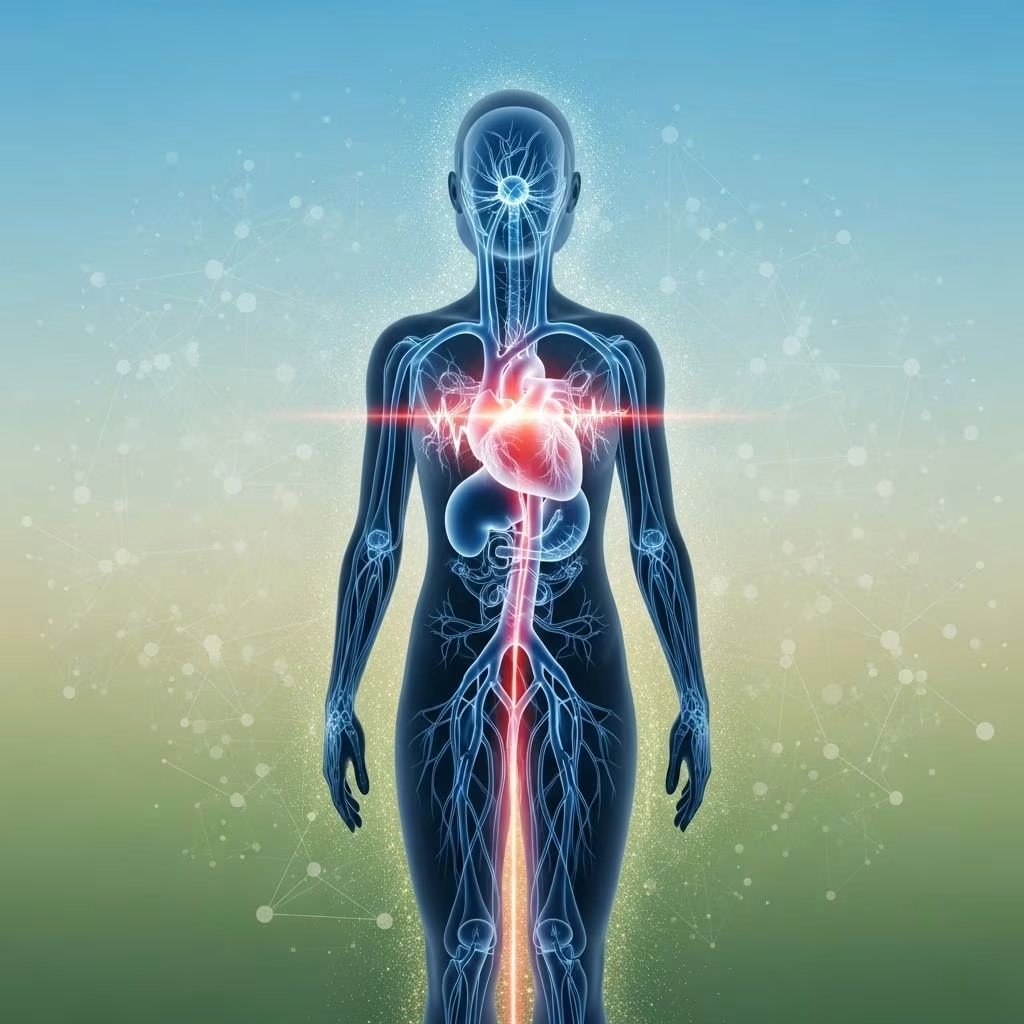
The autonomic nervous system manages involuntary bodily functions, including heart rate, blood pressure, digestion, and temperature regulation. With POTS, this system fails to maintain stable heart rate and vascular tone when a person stands, triggering symptoms of orthostatic intolerance.
Symptoms of POTS
| Cardiovascular | Neurological | Gastrointestinal | Other Symptoms |
|---|---|---|---|
|
|
|
|
The severity and pattern of symptoms can vary widely. Some patients feel only mildly affected and can function well, while others are substantially disabled by their symptoms, with even basic activities like bathing, eating, and walking posing challenges.
Causes and Risk Factors
The exact cause of POTS remains unclear, and it may result from a combination of genetic, autoimmune, and environmental factors. Often, there is overlap with other conditions. Potential contributors include:
- Viral or bacterial infections preceding symptom onset
- Autoimmune disorders (the body attacks its own tissues)
- Small fiber neuropathy: affects nerves controlling sweating and blood vessel constriction
- Genetic predisposition
- Physical trauma or surgery
- Prolonged bed rest
In addition to the factors above, hormonal changes and certain medications may also contribute to POTS. Approximately half of POTS patients are found to have features of small fiber neuropathy affecting sudomotor nerves.
Diagnosis of POTS
POTS is diagnosed mainly based on clinical criteria and exclusion of other conditions. Diagnosis can be challenging, as symptoms can mimic other disorders, leading to delayed recognition.
- Diagnostic Criteria:
- Increase in heart rate ≥30 bpm (or ≥40 bpm in adolescents) within 10 minutes of standing
- Symptoms of orthostatic intolerance persist for at least 3–6 months
- Absence of orthostatic hypotension (no significant drop in blood pressure)
- Common Diagnostic Tests:
- Tilt table test (gold standard) to measure heart rate and blood pressure changes when changing position
- Bedside measurements—lying, sitting, then standing
- Blood tests to rule out other causes (e.g., thyroid, anemia)
- Echocardiogram and ECG to rule out heart disease
Accurate diagnosis requires a thorough medical evaluation, review of symptom history, and sometimes consultation with a specialist in neurology, cardiology, or electrophysiology.
Associated Conditions and Differential Diagnosis
POTS can be associated with or mistaken for several other conditions, which should be ruled out during diagnosis. Differential diagnoses include:
- Other forms of dysautonomia
- Cardiac arrhythmias
- Endocrine disorders (such as hyperthyroidism)
- Chronic fatigue syndrome
- Anxiety disorders
POTS may overlap with Ehlers-Danlos syndrome, Mast Cell Activation Syndrome, autoimmune diseases, and chronic pain syndromes.
Treatment and Management of POTS
While there is currently no cure for POTS, symptoms can be managed effectively through a combination of lifestyle changes, physical conditioning, dietary adjustments, targeted therapies, and medications. Treatment should be individualized based on symptom profile and underlying causes.
Lifestyle Modifications
- Exercise and Physical Activity: Structured, gradual aerobic and resistance training can help condition the cardiovascular system. Cardiac rehabilitation programs are especially useful, tailored to meet the needs of POTS patients.
- Increase Fluid Intake: Drink plenty of water throughout the day.
- Increase Salt Intake: Consuming more sodium helps retain fluid and may reduce symptoms (consult with a healthcare provider).
- Medical Compression Stockings: These help push blood upward from the legs, reducing pooling and alleviating symptoms.
- Avoiding Triggers: Such as standing for long periods, hot environments, or sudden position changes.
- Recumbent or semi-recumbent exercise: Swimming or rowing can be more tolerable than upright exercise.
Medications Used
- Beta blockers: Help control heart rate
- Fludrocortisone: Promotes salt and water retention
- Midodrine: Raises blood pressure
- SSRIs/SNRIs: For mood and autonomic regulation
- Pyridostigmine: Modifies autonomic signals
- Clonidine: Lowers sympathetic activity
- Benzodiazepines: May help anxiety or tremor
Choice of medication depends on specific symptoms and patient tolerance. Numerous other agents exist, and not all patients respond equally.
Other Treatments
- IV infusions: For severe dehydration/hypovolemia
- Immune therapies: For those with autoimmune forms or small fiber neuropathy
Prognosis and Outlook
POTS is a heterogeneous disorder, meaning outcomes vary. Many individuals improve over time, especially with proper management. However, recovery rates differ, and some may continue to struggle with symptoms.
- Mayo Clinic long-term survey found:
- 18.2% of pediatric POTS patients reported complete resolution
- 52.8% reported persistent but improved symptoms
- Male patients were twice as likely to report recovery
- Both recovered and non-recovered patients had mental health scores similar to the national average
- POTS is rarely life-threatening, but can be disabling.
- Proactive management (physical, psychological, and social support) enhances quality of life.
- Long-term prognosis is not fully understood; research and follow-up studies are ongoing.
Quality of Life and Coping Strategies
Living with POTS can challenge a person’s independence, emotional health, and ability to participate in work, school, or recreational activities. Symptoms may fluctuate in severity, requiring flexibility and understanding from patients and families.
- Build a strong healthcare team including primary care, specialists, and therapists.
- Seek community support from groups and organizations focused on dysautonomia.
- Educate family, friends, and colleagues about POTS and its impact.
- Adopt coping strategies for “bad days”—such as using mobility aids, pacing activities, and prioritizing self-care.
Frequently Asked Questions (FAQs)
Q: Who is at risk for developing POTS?
A: POTS mainly affects women between ages 15–50 but can occur in anyone, including men and children.
Q: Is POTS a heart condition?
A: No, most people with POTS have structurally normal hearts. The problem is with the autonomic nervous system’s regulation of heart rate and blood flow.
Q: How is POTS diagnosed?
A: Diagnosis is based on clinical criteria (a rise in heart rate upon standing), careful symptom assessment, physical examination, and exclusion of other conditions. A tilt table test is often used.
Q: Can POTS be cured?
A: There is currently no cure for POTS. However, symptoms can be managed, and some people recover fully or see significant improvement over time.
Q: What lifestyle changes help with POTS?
A: Main strategies include increasing hydration, adding salt to your diet, wearing compression stockings, gradual exercise, and avoiding triggers such as long periods of standing or heat.
Q: Are medications always needed?
A: Not always. Some people improve with lifestyle changes alone, while others may need medication or a combination of therapies.
Q: Is there a link between POTS and other illnesses?
A: Yes. POTS sometimes overlaps or coexists with autoimmune diseases, Ehlers-Danlos syndrome, mast cell disorders, and chronic fatigue syndrome.
Summary Table: POTS At-A-Glance
| Feature | Details |
|---|---|
| Primary Symptom | Rapid heart rate upon standing |
| Other Symptoms | Dizziness, fatigue, “brain fog”, exercise intolerance, palpitations, nausea |
| Diagnostic Test | Tilt table test, standing heart rate and BP assessment |
| Common Population | Women ages 15–50 |
| Treatment | Lifestyle modification, physical conditioning, medications, addressing underlying causes |
| Prognosis | Variable; some improve or recover, others have persistent symptoms |
Support Resources
- Dysautonomia International (patients, caregivers, and researchers)
- American Autonomic Society
- Local and online support groups
Contacting Your Provider and When to Seek Help
If you experience unexplained symptoms such as rapid heart rate, frequent lightheadedness, fainting, or significant fatigue, consult a healthcare provider familiar with autonomic disorders. Early identification and tailored management can make a significant difference in quality of life.
References
- https://www.brighamandwomens.org/neurology/autonomic-neurology/postural-orthostatic-tachycardia-syndrome
- https://my.clevelandclinic.org/health/diseases/16560-postural-orthostatic-tachycardia-syndrome-pots
- https://pmc.ncbi.nlm.nih.gov/articles/PMC3390096/
- http://www.dysautonomiainternational.org/page.php?ID=30
- https://www.uscjournal.com/articles/narrative-review-postural-orthostatic-tachycardia-syndrome-associated-conditions-and?language_content_entity=en
- https://www.health.harvard.edu/blog/pots-diagnosing-and-treating-this-dizzying-syndrome-202110062611
- https://www.nhs.uk/conditions/postural-tachycardia-syndrome/