Prune Juice for Constipation: Does It Work?
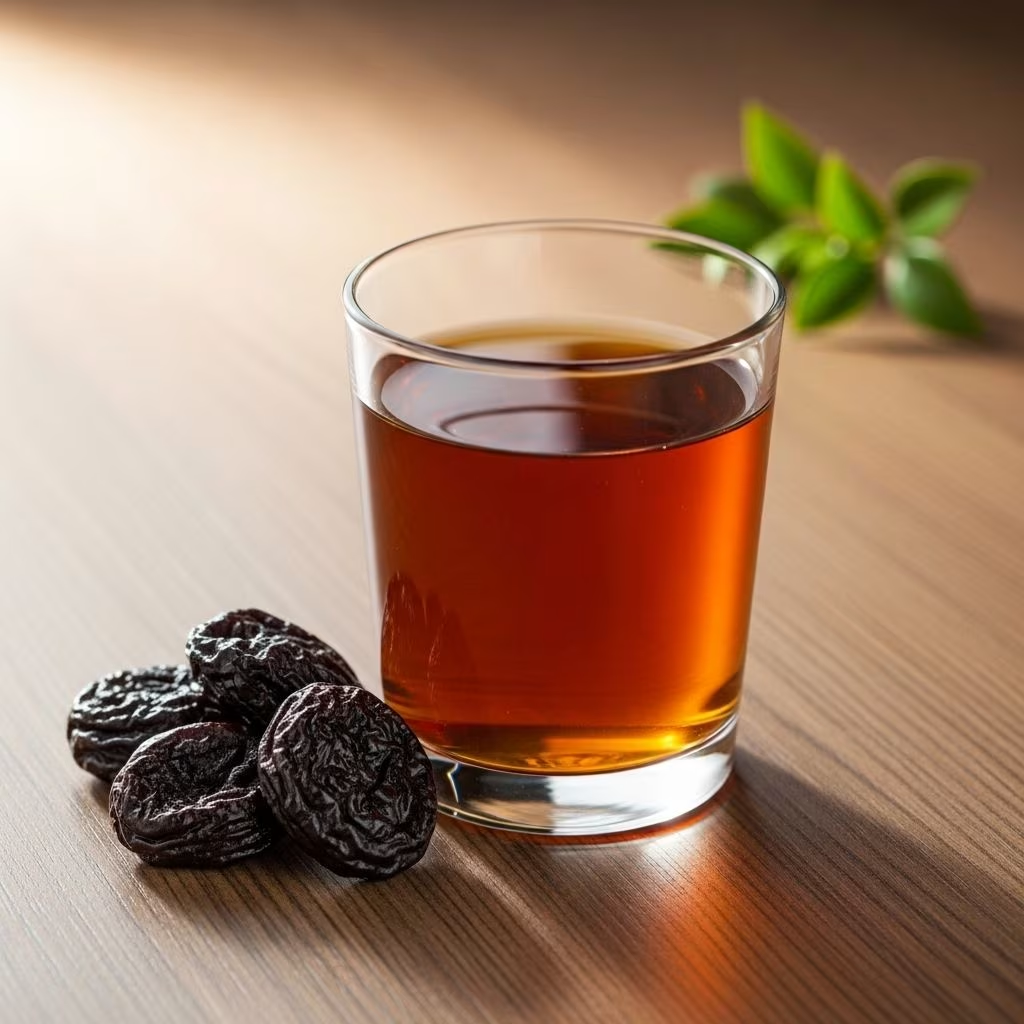
Constipation can disrupt your digestive comfort and overall well-being. Prune juice—made from dried plums—has long been regarded as a safe, natural remedy for relieving constipation. Understanding its mechanisms, benefits, and potential risks can help you use it effectively and safely for better digestive health.
The Basics of Constipation
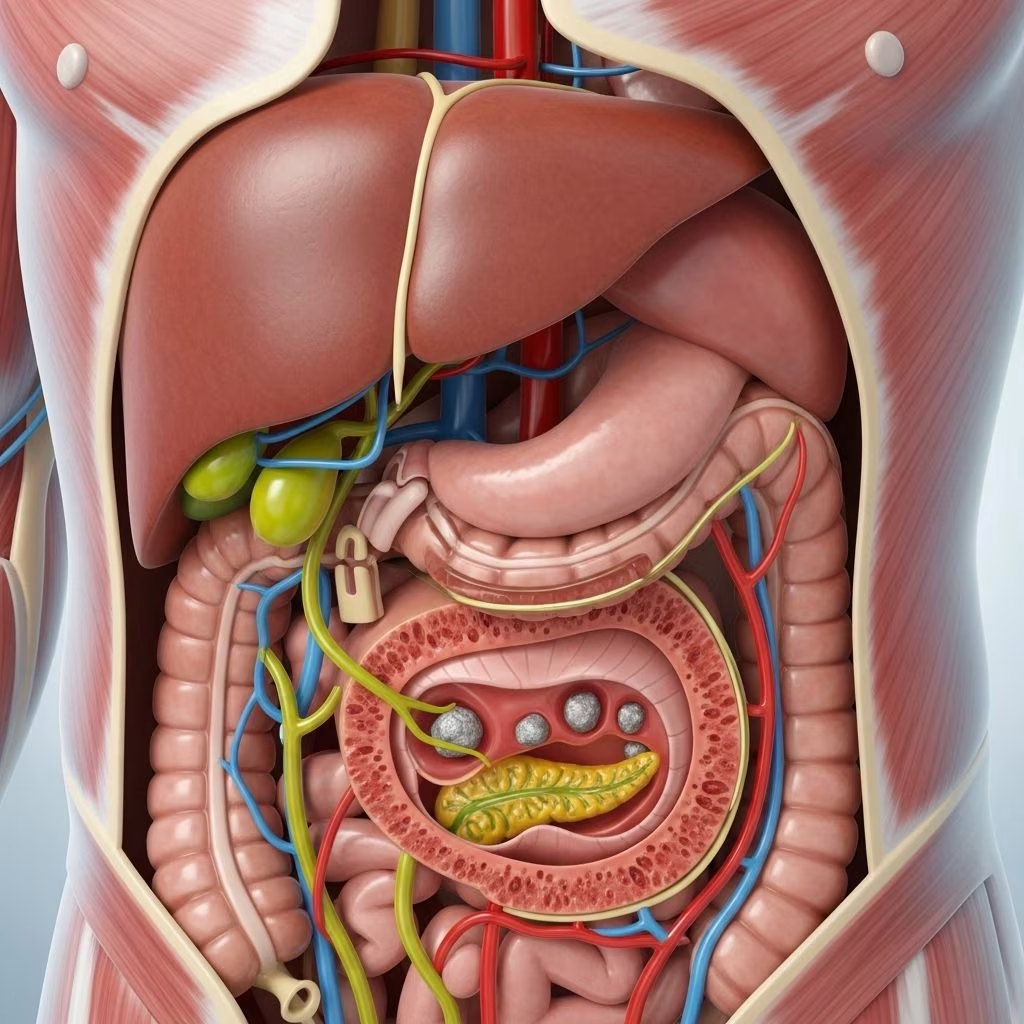
Constipation is a common digestive issue in which bowel movements become infrequent, hard, or difficult to pass. Traditionally, it is defined as having fewer than three bowel movements per week, but symptoms can vary:
- Hard or lumpy stools
- Straining during bowel movements
- Feeling of blockage in the rectum
- Incomplete evacuation
- Needing assistance to empty the bowels
Typical Causes of Constipation
Multiple factors can lead to constipation. Some primary causes include:
- Low physical activity
- Low-fiber diet
- Travel or changes in daily routine
- High consumption of dairy products
- Certain medications (e.g., painkillers, antacids, antidepressants)
- Medical conditions (e.g., pregnancy, irritable bowel syndrome, neurological disorders)
Why Prune Juice Is Popular for Treating Constipation
Prunes and prune juice are recognized for their ability to help with constipation. This effect is attributed to several naturally occurring compounds and nutrients:
- Sorbitol – A sugar alcohol found in prunes that draws water into the colon, softening stool and stimulating bowel movements.
- Dietary fiber – Particularly pectin, which facilitates stool bulking and retention of water in the colon.
- Polyphenols – Plant compounds that may support a healthier gut microbiome and aid regulatory digestive processes.
These components work together to make prune juice an effective natural laxative. Both clinical trials and anecdotal evidence back its efficacy for promoting regularity without causing significant side effects for most people.
How Quickly Does Prune Juice Work?
The relief period for constipation after prune juice intake varies between individuals. Some experience improvement within a few hours, while others may notice benefits after several days. In a research context, improvements were seen within three to seven weeks of daily consumption.
Health Benefits of Prune Juice Beyond Constipation
Regular consumption of prunes or prune juice offers health advantages that extend beyond digestive support:
- Lowers risk of diabetes – Polyphenols and fiber may help regulate blood sugar.
- Cardiovascular protection – Nutrients in prunes support vascular health.
- Improves bone strength – Minerals and antioxidants in dried plums have been linked to better bone density.
Despite these benefits, moderation is crucial due to prune juice’s high sugar and calorie content. Excessive intake can increase the risk of weight gain and blood sugar spikes.
Comparing Prune Juice to Whole Prunes
| Aspect | Prune Juice | Whole Prunes |
|---|---|---|
| Fiber Content | Lower (some fiber lost in juicing) | Higher (retains all fiber) |
| Sorbitol | High | High |
| Calorie/Sugar | High (can contribute to excess calorie/sugar intake) | Moderate (less concentrated) |
| Bowel Movement Support | Effective laxative, softer stools | Bulks up stool, longer-lasting effect |
| Convenience | Easy to drink, fast-acting | Needs chewing, slower digestion |
Both options are effective, but whole prunes offer more dietary fiber and may help with bulking stool, while prune juice mainly softens stools and is easier to consume, particularly for those who have difficulty chewing.
How to Use Prune Juice for Constipation
There are no universal guidelines for the best way to use prune juice for constipation relief, but practical tips have emerged from research and clinical experience:
- Start Small – Begin with 1/2 cup (about 120 ml) per day to assess tolerance.
- Optimal Dose – For adults, up to 1 cup (about 240 ml) per day is considered effective in studies.
- Timing – Drink prune juice in the morning or before bed for best results.
- Children – Use smaller amounts (2–4 ounces, or 60–120 ml) under pediatrician supervision.
- Hydration – Increase water intake to assist the bowel-softening effect.
Monitor your response and adjust as needed. Stop if you experience cramping, diarrhea, or other digestive discomfort.
Safety Considerations
Prune juice is generally low-risk for most people, but excessive consumption can cause:
- Diarrhea
- Flatulence (gas)
- Abdominal cramps
- Increase in caloric or sugar intake, contributing to weight gain and affecting blood sugar
If you have diabetes or a history of blood sugar issues, consult with your healthcare provider before adding prune juice to your diet.
Other Home Remedies and Treatments for Constipation
- Increase fiber intake – Foods high in fiber (whole grains, fruits, vegetables, legumes).
- Exercise regularly – Physical activity stimulates intestinal motility.
- Stay hydrated – Drinking plenty of fluids softens stool and supports regularity.
- Stool softeners and fiber supplements – Psyllium, methylcellulose, and other agents may help.
- Other juices – Apple, pear, and other juices may provide mild laxative effects due to sorbitol but are generally less potent than prune juice.
- OTC or prescription laxatives – For severe or persistent constipation, medical intervention may be warranted.
When to See a Doctor
Occasional constipation is not usually serious, but certain signs warrant medical attention:
- Fewer than three bowel movements per week consistently
- Hard, painful stools that are difficult or impossible to pass
- Associated symptoms: significant abdominal pain, vomiting, unexplained weight loss, blood in stool
Persistent or severe constipation may point to underlying medical issues such as irritable bowel syndrome, neurological conditions, or even bowel obstruction. In extreme cases, medical procedures, enemas, or manual stool removal may be necessary.
Frequently Asked Questions
How quickly does prune juice relieve constipation?
Relief may occur within a few hours for some individuals, while others might require several days of regular consumption.
Can children drink prune juice for constipation?
Yes, but only in small, age-appropriate quantities and ideally under a pediatrician’s guidance. Excess can cause diarrhea or cramping.
Is prune juice safe for diabetics?
Prune juice is high in sugar and can raise blood sugar. Diabetics should consult their healthcare provider before using prune juice as a remedy.
Are there side effects to drinking prune juice?
Most people tolerate prune juice well, but possible side effects are diarrhea, gas, and abdominal pain if consumed in excess.
Does prune juice break up impacted stool?
Prune juice can help soften and break up hard, lumpy, and impacted stools, making them easier to pass. Severe impaction may require medical intervention.
What alternatives exist to prune juice?
Other remedies include increasing dietary fiber, other fruit juices (apple, pear), fiber supplements, hydration, regular exercise, and over-the-counter laxatives.
How is constipation officially defined?
Constipation is typically defined as fewer than three bowel movements per week, with stool that is hard or difficult to pass.
Can whole prunes be substituted for prune juice?
Yes, whole prunes are equally effective for relieving constipation and offer more dietary fiber, though they may act more slowly than juice.
Summary Table: Pros and Cons of Prune Juice for Constipation
| Pros | Cons |
|---|---|
| Eases constipation without harsh chemicals | High in sugar and calories |
| Contains sorbitol and dietary fiber | Possible digestive discomfort (diarrhea, gas) if overused |
| Supports regularity naturally | May be unsuitable for diabetics or those watching sugar intake |
| Additional bone, heart, and metabolic health benefits | Effectiveness may vary by individual |
Key Takeaways
- Prune juice is a proven, natural remedy for mild to moderate constipation in adults and children.
- Sorbitol, dietary fiber, and polyphenols contribute to its efficacy in improving bowel movements.
- Safe when consumed in moderation, but excess can lead to digestive upset and increased sugar intake.
- Diet, hydration, physical activity, and medical advice form a holistic approach to constipation management.
- Consult a healthcare provider if constipation persists, worsens, or is accompanied by concerning symptoms.
References
- https://www.health.harvard.edu/staying-healthy/prune-juice-for-constipation-a-new-study-says-yes
- https://www.medicalnewstoday.com/articles/324550
- https://www.healthline.com/health/digestive-health/prune-juice-for-constipation
- https://www.healthline.com/health/digestive-health/juice-for-constipation
- https://www.webmd.com/diet/health-benefits-prune-juice
- https://pubmed.ncbi.nlm.nih.gov/25109788/