Renal Hypertension Explained
Renal hypertension, also known as renovascular hypertension, is a type of high blood pressure caused by issues in the blood vessels that supply the kidneys. It primarily results from a narrowing of the renal artery, the main vessel delivering blood to each kidney. This narrowing disrupts normal kidney function and triggers mechanisms that raise blood pressure across the body. Renal hypertension is a secondary hypertension—meaning it arises from an identifiable medical cause, distinguishing it from the more common primary (essential) hypertension.
Primary vs. Secondary Hypertension
- Primary hypertension: No obvious single cause; most hypertension cases.
- Secondary hypertension: Results from another medical condition, including kidney disease, hormonal disorders, or artery problems.
- Renal hypertension: The most frequent type of secondary hypertension, directly associated with renal disease or artery narrowing.
Left untreated, renal hypertension can lead to serious complications, including chronic kidney disease and kidney failure. Understanding the contributing factors, symptoms, and available treatments is essential for those at risk.
What Causes Renal Hypertension?
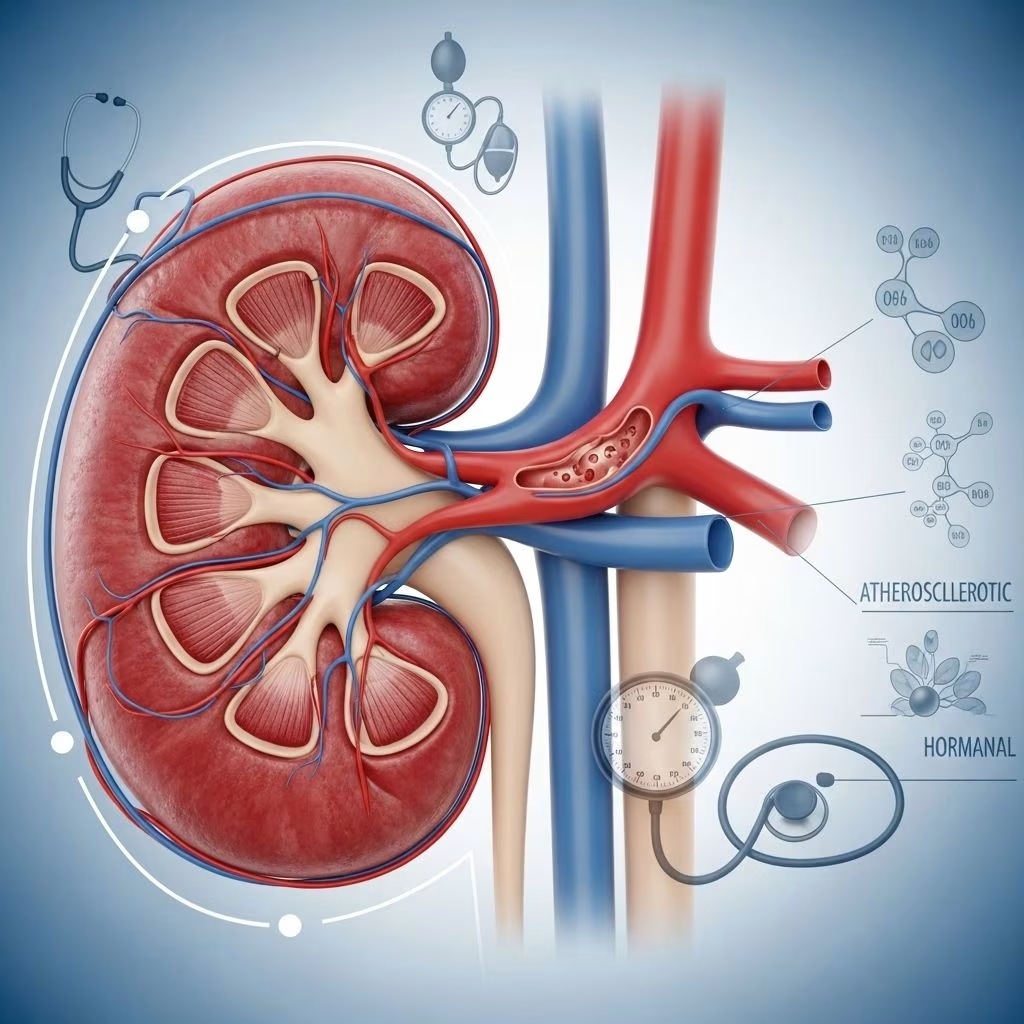
Renal hypertension often develops from renal artery stenosis—a narrowing of the arteries that supply blood to the kidneys. The scarcity of blood triggers the kidneys to release hormones (such as renin) which increase blood pressure throughout the body. Renal artery stenosis has several origins:
- Atherosclerosis: Roughly 90% of cases stem from atherosclerosis, where plaque build-up narrows and hardens the artery walls.
- Fibromuscular dysplasia (FMD): A less common cause, FMD involves abnormal cell growth in arterial walls, leading to blockages.
Other rarely seen causes can include inflammation of blood vessels or trauma. The risk of developing renal hypertension rises if you experience:
- Diabetes
- Insulin resistance
- High cholesterol levels
- A history of smoking
- Obesity
- Diets high in cholesterol, fat, sugar, and sodium
- Family history of early cardiovascular disease
- Increasing age
Atherosclerosis: The Main Culprit
With atherosclerosis, sticky plaques formed from fats and cholesterol accumulate inside the arteries, narrowing the vessel and hampering blood flow. Over time, this process reduces blood volume reaching the kidneys and increases overall blood pressure.
Hormonal Response Mechanism
When kidneys receive less blood, they activate the renin-angiotensin-aldosterone system (RAAS). This hormonal system instructs the body to retain salt and water, raising blood pressure to restore proper kidney perfusion. However, this compensatory increase in pressure may be excessive and harmful in the context of renal artery stenosis.
| Cause | Mechanism | Prevalence |
|---|---|---|
| Atherosclerosis | Plaque buildup narrows arteries | ~90% |
| Fibromuscular Dysplasia | Abnormal growth in arterial walls | Minority |
| Other Causes | Inflammation, trauma, other diseases | Rare |
Symptoms and Risks of Renal Hypertension
Renal hypertension often presents few, if any, symptoms in its early stages. Most individuals learn of the condition during routine blood pressure measurements or assessments for unrelated health issues.
Possible Signs and Associated Conditions
- Persistent high blood pressure, especially if medications are ineffective (resistant hypertension)
- Worsening kidney function (increased creatinine, abnormal urinalysis)
- Unexplained fluid retention or swelling
- Headaches or vision changes (in severe cases)
- Possible abdominal “bruits” (whooshing sound detected with a stethoscope over the arteries)
Since symptoms are nonspecific or absent, healthcare providers look for clues such as:
- History of vascular disease
- Sudden onset or rapid progression of hypertension
- Family history of early heart or kidney disease
Potential Complications
- Kidney Failure: Untreated, renal hypertension can eventually cause kidneys to fail, resulting in the need for dialysis or transplantation.
- Heart Disease: Persistently high blood pressure stresses the heart and arteries, increasing the risk of heart attacks and strokes.
- Retinal Disease: High blood pressure can harm the blood vessels in the eyes, leading to vision impairment.
Diagnosis and Treatment of Renal Hypertension
A combination of medical history review, physical examination, and specialized tests is required to confirm a diagnosis of renal hypertension.
Diagnosis Methods
- Evaluation of personal and family medical history
- Physical examination with attention to vascular sounds in the abdomen
- Blood tests to assess kidney function (e.g., creatinine, urinalysis)
- Imaging studies including:
- Duplex ultrasound: Non-invasive scan to assess blood flow through renal arteries
- Computerized Tomographic Angiography (CTA): Detailed X-ray images of blood vessels
- Catheter angiogram: Invasive procedure creating real-time images of artery structure
- Magnetic Resonance Angiography (MRA): MRI-based imaging technique for vessels
Laboratory Indicators
- Elevated blood pressure despite treatment
- Declining kidney function
- Abnormal urinalysis findings
Treatment for Renal Hypertension
Managing renal hypertension focuses on lowering blood pressure, protecting the kidneys, and addressing the underlying cause of artery narrowing. The approach may include lifestyle modification, medication, and occasionally invasive procedures:
Lifestyle Changes
- Adopting a balanced, nutritious diet rich in fruits, vegetables, and whole grains
- Reducing sodium, sugar, and saturated fats
- Maintaining healthy body weight through regular exercise
- Quitting smoking
- Limiting alcohol consumption
Medication Options
- Angiotensin-converting enzyme (ACE) inhibitors: Block formation of angiotensin II (a hormone that narrows blood vessels)
- Angiotensin II receptor blockers (ARBs): Prevent angiotensin II from acting on blood vessels
- Calcium channel blockers: Used if ACE inhibitors and ARBs are not appropriate
Note: ACE inhibitors and ARBs are prescribed only for people with one-sided (unilateral) renal artery stenosis. In those with bilateral disease, these drugs may worsen kidney function—unless stents are placed to restore blood flow.
Procedures and Surgical Approaches
- Angioplasty with stenting: In this procedure, a catheter is used to open the narrowed artery and place a stent to hold it open. This increases blood flow and may help lower blood pressure.
- Renal bypass surgery: A new pathway is created for blood to reach the kidneys, bypassing the blocked artery. This is a less common option, typically reserved for severe or complex cases.
Monitoring and Follow-Up
- Regular blood pressure measurement
- Routine kidney function checks (e.g., blood and urine tests)
- Periodic imaging studies if indicated
Prevention Strategies
While some risk factors such as genetics and age can’t be changed, adopting heart- and kidney-healthy habits can lower your chances of developing renal hypertension and slow the progression of artery narrowing.
- Manage cholesterol levels and blood sugar
- Maintain a healthy weight
- Choose nutritious foods
- Exercise regularly
- Quit smoking and avoid excess alcohol
- See your doctor for regular blood pressure and cholesterol checks
Frequently Asked Questions (FAQs)
Q: What is the main difference between renal hypertension and primary hypertension?
A: Primary hypertension has no identifiable cause and is most common, while renal hypertension is a secondary form caused by problems in the renal arteries or kidneys.
Q: Are symptoms obvious in renal hypertension?
A: Most cases do not cause symptoms until complications arise; high blood pressure resistant to medication may be a clue.
Q: Is renal hypertension dangerous?
A: Yes. If untreated, it can lead to kidney failure, heart attack, stroke, or other organ damage.
Q: What is the most common cause of renal artery narrowing?
A: Atherosclerosis, due to cholesterol and fat buildup, is the leading cause of renal artery stenosis.
Q: Can renal hypertension be cured?
A: While not always curable, renal hypertension can often be managed with medication, lifestyle changes, and procedures to improve blood flow.
Q: Are ACE inhibitors safe for everyone with renal hypertension?
A: ACE inhibitors may be harmful in people with narrowing in both renal arteries unless stents are placed; they are generally safe for unilateral cases.
Q: How can I lower my risk?
A: Adopt heart-healthy habits, control cholesterol and diabetes, and avoid smoking and excess salt.
Key Takeaways
- Renal hypertension is a specific form of secondary hypertension linked to narrowed renal arteries and compromised kidney blood flow.
- Atherosclerosis is the primary cause, but other factors also contribute.
- Symptoms may be absent or nonspecific, so early detection relies on routine check-ups and awareness of risk factors.
- Treatment includes lifestyle changes, medication, and sometimes procedures like angioplasty.
- Prevention hinges on maintaining cardiovascular health and regular medical evaluations.
References
- https://www.healthline.com/health/kidney-health/renal-hypertension
- https://my.clevelandclinic.org/health/diseases/16459-renal-hypertension
- https://www.medicalnewstoday.com/articles/renovascular-hypertension
- https://medlineplus.gov/ency/article/000204.htm
- https://www.healthline.com/health/high-blood-pressure-hypertension/kidney-disease-and-hypertension
- https://www.medicalnewstoday.com/articles/172179
- https://www.healthline.com/health/video/what-happens-to-your-body-with-high-blood-pressure
- https://www.ncbi.nlm.nih.gov/books/NBK551587/
- https://aakp.org/center-for-patient-research-and-education/magazine/
- https://www.heart.org/en/health-topics/high-blood-pressure/health-threats-from-high-blood-pressure/high-blood-pressure-and-your-kidneys