Rubbing Your Eyes: Risks, Effects, and Healthier Alternatives
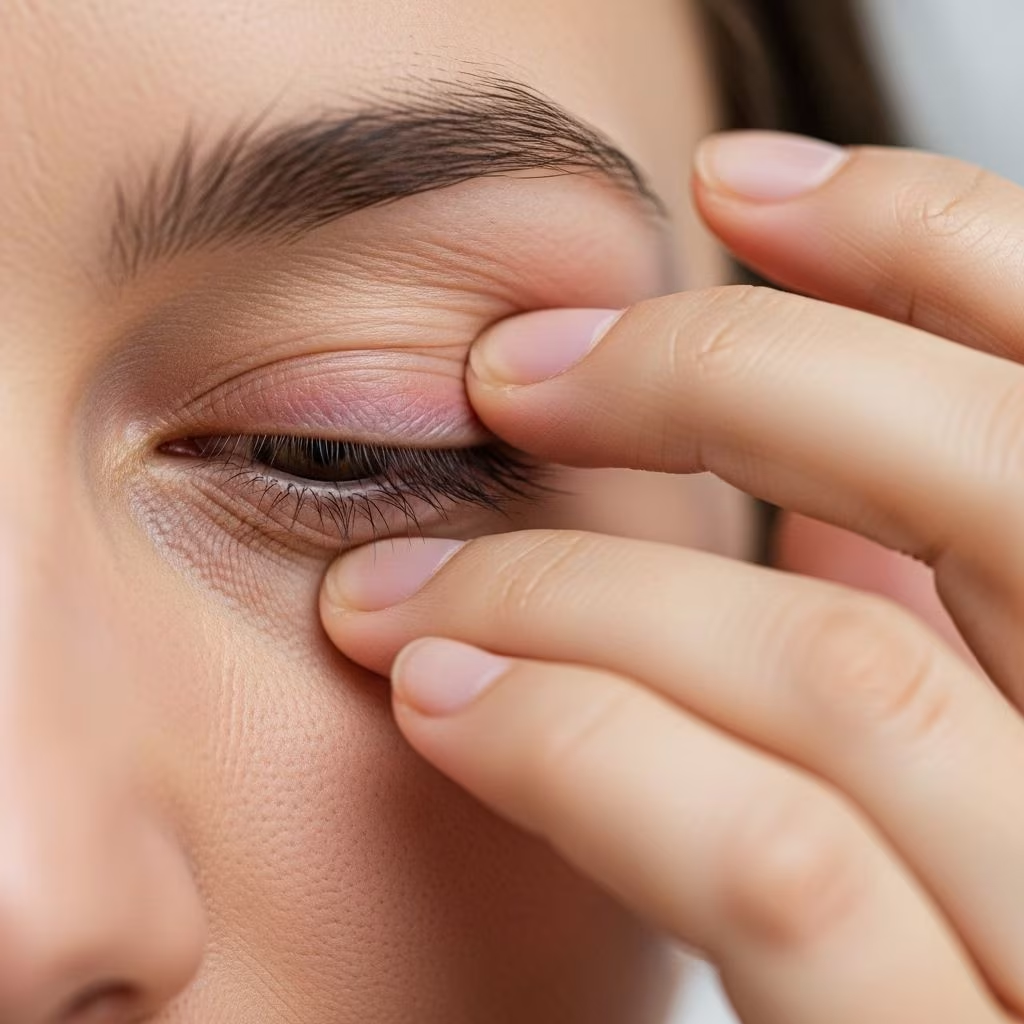
Most people occasionally rub their eyes. Whether it’s due to fatigue, irritation, or the instinctive urge to relieve discomfort, the reflex often feels harmless. Yet, eye health experts warn that rubbing your eyes can pose noticeable risks—from short-lived discomforts to permanent complications. Understanding why this habit persists, its physical consequences, and better alternatives is crucial for maintaining healthy vision.
Why Do People Rub Their Eyes?
Rubbing your eyes can provide quick relief—at least, momentarily. The urge may stem from:
- Fatigue and Eye Strain: Tired or overstressed eyes feel itchy, heavy, or dry. Rubbing briefly alleviates tension by stimulating tear production, which can moisten the surface.
- Irritants: Dust, pollen, eyelash fragments, or other particles in or near the delicate eye tissues can prompt you to rub, aiming to flush out the offender.
- Allergic Reactions: Allergies are a major driver of itchiness, leading to repeated eye rubbing. This is particularly common during pollen season or exposure to animal dander.
- Dry Eyes: Reduced tear volume or quality can leave eyes feeling uncomfortable. Rubbing often produces more tears for brief relief.
Though the sensation is short-lived, eye rubbing can have negative short- and long-term consequences, especially when it becomes habitual.
Immediate and Short-Term Risks of Rubbing Your Eyes
Even infrequent or light rubbing can result in undesirable effects. These include:
- Inflammation: Persistent touching irritates both the eyelids and conjunctiva—the thin membrane covering the whites of your eyes. This leads to swelling, redness, and further discomfort.
- Spread of Germs and Infections: Your hands frequently carry bacteria and viruses. Rubbing your eyes increases the risk of transmitting pathogens, potentially causing conjunctivitis (pink eye) and other eye infections.
- Damage to Blood Vessels: Applying pressure can rupture tiny blood vessels in the sclera (the eye’s white part), leading to subconjunctival hemorrhage and a red or bloodshot appearance.
- Transient Vision Disturbances: Rubbing may trigger flashes or spark-like sensations known as photopsia. While usually benign, repeated incidents can signal underlying vulnerability.
- Elevated Eye Pressure: Rubbing temporarily raises intraocular pressure (IOP), posing extra risk for those with glaucoma or optic nerve problems.
Long-Term Consequences: Chronic Eye Rubbing Can Be Severe
More persistent or forceful rubbing can cause lasting damage, with notable risks:
- Corneal Damage: Vigorous eye rubbing can scratch or abrade the cornea—the clear protective dome covering the iris and pupil. Corneal abrasions are painful and expose the eye to infection risk.
- Keratoconus: Chronic eye rubbing can weaken and distort the cornea, contributing to a condition called keratoconus. Here, the cornea thins and bulges outward, potentially causing blurry or distorted vision not correctable with glasses. In severe cases, keratoconus may require specialized contact lenses or even surgical intervention.
- Worsening Dry Eye Syndrome: Rubbing disrupts the tear film (the eye’s natural protective layer), worsening dryness and irritation.
- Eyelid Laxity: Repeated manipulation stretches eyelid tissues, which can result in sagging or reduced elasticity. This is particularly problematic for older adults or those with pre-existing skin laxity.
Corneal Damage Explained: The Dangers of Keratoconus
| Condition | Description | Main Risks |
|---|---|---|
| Corneal Abrasions | Surface scratches caused by vigorous rubbing or foreign objects | Pain, infection, increased light sensitivity |
| Keratoconus | Progressive thinning and outward bulging of the cornea | Distorted vision, scarring, need for surgery in advanced cases |
Who Is Most at Risk?
- People with severe allergies (itchy eyes increase rubbing frequency)
- Individuals with dry eye syndrome
- Contact lens wearers (increased manipulation of the eye)
- Those with glaucoma or elevated intraocular pressure
- Children (teaching better habits early is essential)
Why You Should Avoid Eye Rubbing: Infection Risks and Hygiene
Touching or rubbing your eyes facilitates the transmission of bacteria and viruses, often resulting in infections such as:
- Conjunctivitis (Pink Eye): Contagious and uncomfortable; often triggered by viral or bacterial contamination.
- COVID-19 Transmission: The eye’s conjunctiva can admit viral droplet particles through contaminated hands.
- Other Eye Infections: Rubbing may facilitate stye formation or aggravate existing eye conditions.
If you must touch your eyes—for instance, to administer medication or adjust glasses—best hygiene practices should be followed.
Best Practices for Safe Eye Touching
- Wash hands thoroughly with soap and water for at least 20 seconds before any contact.
- Use a clean tissue instead of fingers to address eye discomfort directly.
- Avoid touching eyes if you’re sick or exposed to contagious environments.
- Don’t rub itchy or dry eyes—moisturizing drops or medical treatments work much better.
- If allergies cause chronic itchiness, consult with an eye doctor for effective anti-allergy drops or therapies.
Signs of Trouble: When Eye Rubbing Signals a Bigger Problem
Occasional, light rubbing is unlikely to cause permanent harm for most. However, persistent, forceful rubbing—especially if resulting in pain, redness, blurred vision, or recurring discomfort—may indicate a medical issue that needs professional attention.
- Blurred or distorted vision not corrected with glasses or contacts
- Redness, swelling, or persistent irritation
- History of eye conditions such as keratoconus or glaucoma
- Recurrence of bloodshot episodes with visible hemorrhage
Parents should pay attention to children with allergy-induced itchiness or habitual eye rubbing, as structural changes can begin early. Early intervention offers the best chance for avoiding permanent complications.
Safer Ways to Relieve Eye Discomfort
Break the cycle of rubbing and opt for healthier approaches to managing eye discomfort:
- Use Moisturizing Eye Drops: Artificial tears offer relief for dryness and irritation, with minimal risk of complications.
- Apply a Cold Compress: Chilled packs or pads (never ice directly) can quickly calm discomfort from allergies, irritation, or fatigue.
- Treat Allergies Proactively: Prescription or over-the-counter allergy eye drops curb itchiness and swelling.
- Rest Eyes Regularly: Take frequent breaks from screens, and use proper lighting.
- Consult Your Doctor: If discomfort persists or is accompanied by pain, visual changes, or swelling, seek professional assessment.
Making these changes reduces your risk of infection, keratoconus, and other eye health problems.
Frequently Asked Questions About Rubbing Eyes
Is it ever safe to rub my eyes?
Gentle, brief touching is usually safe—for example, when washing your face lightly or removing something superficial. Avoid deep or vigorous rubbing, which can injure delicate structures.
What should I do if something is in my eye?
Blink several times to produce tears and flush out particles. If irritation continues, rinse your eyes with sterile saline solution or clean water. Avoid rubbing to prevent abrasions.
Can keratoconus be reversed?
Keratoconus cannot be reversed, but progression can be slowed or managed with specialized lenses or procedures. Early detection and stopping eye rubbing are essential.
Why does eye rubbing feel so good?
Rubbing briefly stimulates tear production, relieving dryness. It releases pressure and can trigger slight nerve responses that mimic satisfaction.
Are there medical treatments for chronic itchy eyes?
Yes. Antihistamine eye drops, prescription allergy medications, and moisturizing drops all help. Your eye doctor can recommend the best option for your needs.
Summary Table: Eye Rubbing Risks and Safer Solutions
| Risk | Consequences | Prevention/Alternative |
|---|---|---|
| Infection | Pink eye, styes, viral spread | Hand washing, use of tissues, avoiding unnecessary touching |
| Corneal damage | Scratches, abrasions, keratoconus | Moisturizing drops, allergy treatment |
| Blood vessel rupture | Red or bloodshot eyes | Gentle handling, avoid pressure |
| Vision impairment | Blurred/distorted vision | Timely medical care, early intervention |
| Eyelid laxity | Sagging, reduced elasticity | Break rubbing habits, consult ophthalmologist |
Final Recommendations: Protect Your Eyes
- Avoid habitual or forceful rubbing, no matter how satisfying it feels.
- Address the root causes: allergies, dryness, fatigue, or irritation.
- Seek professional care when symptoms persist, worsen, or cause visual changes.
- Teach children good eye hygiene early—healthy habits can prevent lifelong complications.
Your eyes are delicate and essential; take every precaution to safeguard their health and comfort now and for years to come.
References
- https://www.completefamilyeyecaretexas.com/the-hidden-dangers-of-rubbing-your-eyes/
- https://healthcare.utah.edu/the-scope/health-library/all/2024/07/rubbing-your-eyes-bad
- https://healthcare.utah.edu/healthfeed/2023/07/why-you-should-stop-rubbing-your-eyes
- https://www.healthline.com/health/eye-irritation
- https://www.webmd.com/eye-health/good-eyesight
- https://www.medicalnewstoday.com/articles/castor-oil-potential-natural-treatment-dry-eye-disease
- https://www.ama-assn.org/public-health/prevention-wellness/what-doctors-wish-patients-knew-about-improving-eye-health
- https://pmc.ncbi.nlm.nih.gov/articles/PMC9964729/