Introduction to Ruptured Ovarian Cysts
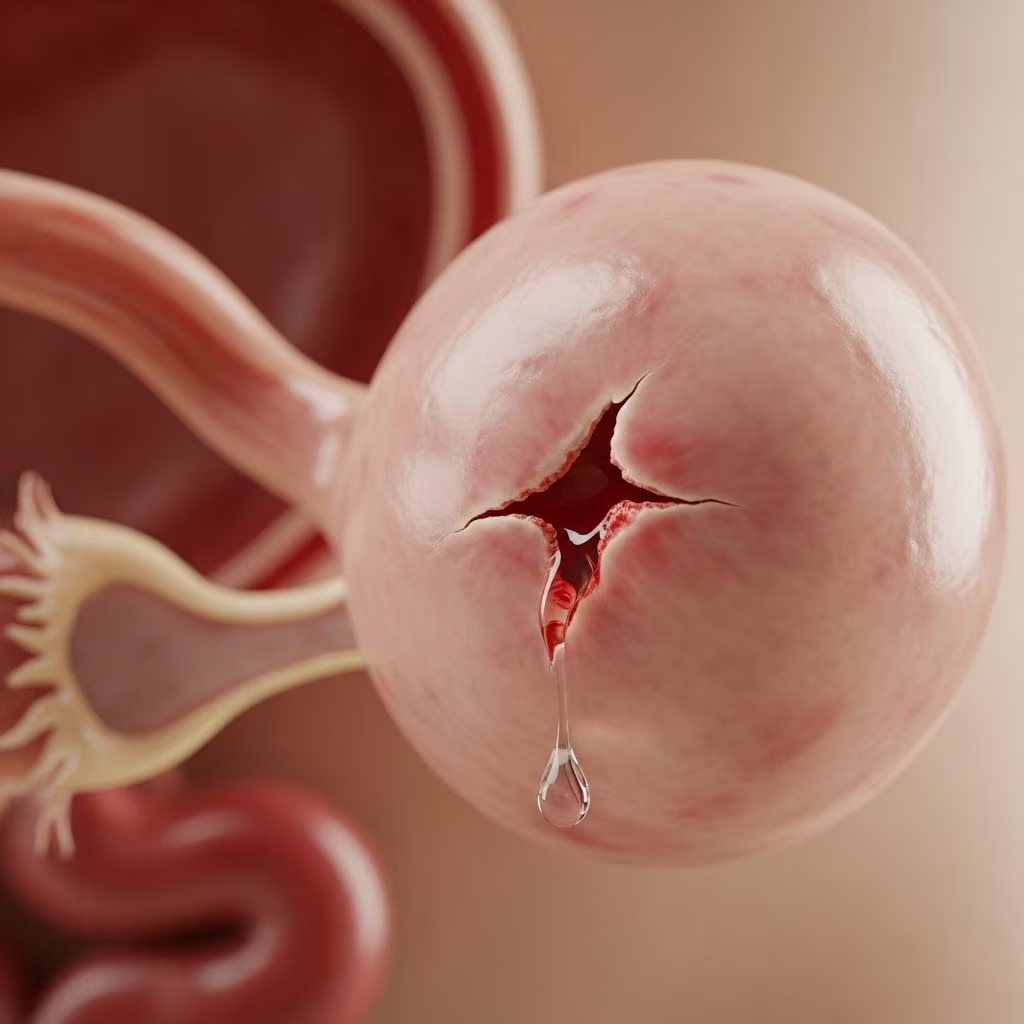
Ovarian cysts are fluid-filled structures on the ovaries that can rupture, causing symptoms ranging from mild to severe. Understanding when to seek medical help and the potential risks is crucial for effective management.
Causes and Risk Factors
Ruptured ovarian cysts can occur for several reasons, including:
- Size of the Cyst: Larger cysts are more likely to rupture.
- Sexual Activity: Engaging in sexual activity can increase the risk of rupture.
- Strenuous Exercise: Vigorous physical activities may trigger rupture.
- Abdominal Trauma: Injuries to the abdomen can lead to rupture.
- Anticoagulation Therapy: This can increase the risk of bleeding if a cyst ruptures.
Symptoms of a Ruptured Ovarian Cyst
The symptoms of a ruptured ovarian cyst can vary widely, from no symptoms at all to severe pain and complications:
- Pelvic Pain: Often localized to one side, but can spread throughout the pelvic area.
- Nausea and Vomiting: Common accompanying symptoms.
- Weakness and Dizziness: Can occur due to pain or blood loss.
- Heavy Vaginal Bleeding: May be present in some cases.
Diagnosis and Treatment Options
Diagnosis typically involves a pelvic exam, ultrasound, and possibly blood tests to rule out other conditions.
Treatment options depend on the severity of symptoms:
- Home Care: Mild cases can be managed with over-the-counter pain medications and rest.
- Medical Supervision: Regular ultrasounds and monitoring may be necessary for uncomplicated ruptures.
- Hospitalization: Severe cases, especially those with significant bleeding, may require hospitalization for IV fluids, pain management, and possibly surgery.
- Surgery: May be necessary to stop bleeding or treat complications like ovarian torsion or infection.
Risks and Complications
While many ruptured cysts resolve without major issues, there are several risks to be aware of:
- Bleeding: Severe bleeding can be life-threatening if not promptly addressed.
- Infection: Post-surgical infections can occur.
- Surgical Complications: Risks include infection, blood clots, and damage to nearby structures.
- Anesthesia Risks: General risks associated with surgery under anesthesia.
Frequently Asked Questions (FAQs)
Q: What are the symptoms of a ruptured ovarian cyst?
A: Symptoms can include pelvic pain, nausea, vomiting, weakness, and vaginal bleeding.
Q: How is a ruptured ovarian cyst diagnosed?
A: Diagnosis is typically made through a combination of pelvic exam, ultrasound, and blood tests.
Q: When should I seek immediate medical attention?
A: Seek medical help immediately if you experience severe pain, heavy bleeding, fainting, fever, or shortness of breath.
Conclusion
Ruptured ovarian cysts are a common issue, but understanding their risks and when to seek help is crucial for managing symptoms effectively and preventing serious complications.
References
- https://www.urmc.rochester.edu/encyclopedia/content?contenttypeid=135&contentid=346
- https://www.medicalnewstoday.com/articles/ruptured-ovarian-cyst
- https://www.newh-obgyn.com/blog/what-to-do-about-a-ruptured-ovarian-cyst
- https://www.webmd.com/women/what-to-know-about-ruptured-ovarian-cysts
- https://www.mayoclinic.org/diseases-conditions/ovarian-cysts/symptoms-causes/syc-20353405
- https://my.clevelandclinic.org/health/diseases/9133-ovarian-cysts
- https://www.nhs.uk/conditions/ovarian-cyst/treatment/