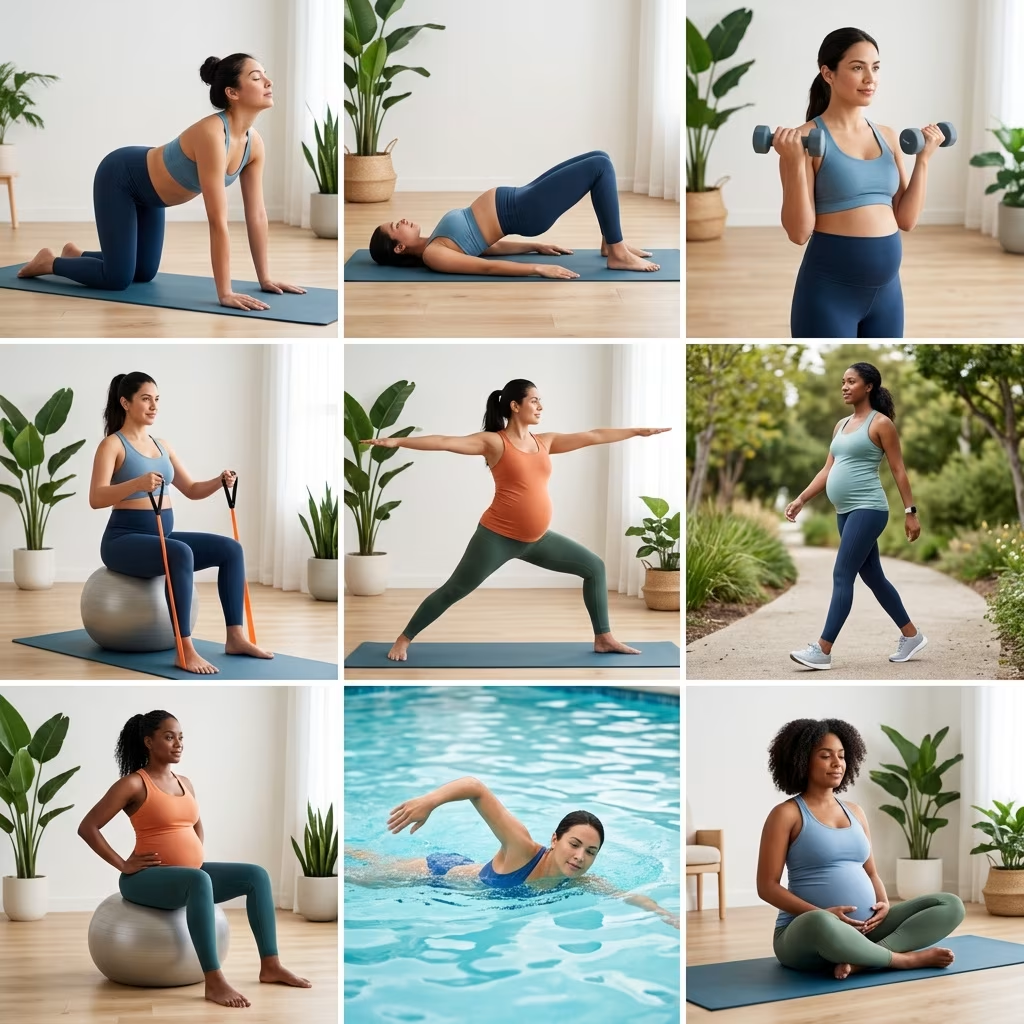
Staying active during pregnancy offers numerous benefits for both mother and baby. Expert-approved exercises can help expectant mothers maintain strength, flexibility, and endurance—all while preparing the body for labor and aiding postpartum recovery. This comprehensive guide delivers safe and effective workouts for every trimester, plus practical tips and answers to common questions about pregnancy fitness.
Why Exercise During Pregnancy?
Engaging in regular physical activity during pregnancy can:
- Boost mood and energy levels, helping combat fatigue and mood swings.
- Strengthen muscles that support a growing belly, aiding posture and reducing back pain.
- Promote better sleep and stress relief.
- Decrease discomfort related to swelling, bloating, or constipation.
- Ease labor and delivery by building stamina, flexibility, and muscle tone.
- Speed up postpartum recovery by keeping the body conditioned and resilient.
Before starting any exercise routine during pregnancy, consult your healthcare provider, especially if you have underlying health conditions or are experiencing pregnancy complications.
How to Safely Exercise During Pregnancy
Prioritize the following safety guidelines for prenatal exercise:
- Listen to your body: Stop immediately if you feel pain, dizziness, shortness of breath, or contractions.
- Stay hydrated.
- Wear supportive clothing and shoes.
- Avoid high-risk activities (such as contact sports or exercises with risk of falling).
- Warm up and cool down before and after each workout.
- Modify intensities as pregnancy progresses—exercise tolerance may change over time.
Expert-Recommended Exercises by Trimester
Different stages of pregnancy bring unique changes to the body. These trimester-specific exercises target key areas to help expectant mothers maximize benefits and minimize risk.
First Trimester Exercises
The first trimester often comes with fatigue and nausea, but gentle movement can ease symptoms and set a healthy foundation for the months ahead. Focus on core strength and pelvic floor engagement with these exercises:
1. Diaphragmatic Breathing with Pelvic Floor Activation (Kegels)
Benefits: Strengthens the core and pelvic floor, promotes mindful breathing, and lays groundwork for labor and recovery.
- Stand with feet wide, knees soft, hands on belly.
- Take a slow, deep breath into your belly, allowing it to expand.
- As you exhale, contract your pelvic floor muscles (as if stopping urinary flow), and gently pull your abdominals up and in.
- Repeat for 5-10 breaths.
2. P.Sit to Stand
Benefits: Mimics daily movement patterns, strengthens glutes, and integrates pelvic floor contractions.
- Stand with feet, knees, and thighs together; arms at sides.
- Hinge at the hips, knees tracking over ankles, lowering into a shallow squat (the “p.sit”). Arms sweep overhead.
- Drive through your feet to stand tall; lower arms.
- Add a pelvic floor contraction as you rise.
- Repeat 10-15 times.
3. Standing Abs
Benefits: Encourages postural strength and abdominal engagement, minimizes back strain.
- Stand with arms overhead, palms facing forward.
- Tap one toe forward, angle hip bones upward, and squeeze glutes while slightly leaning back.
- Lift the front leg, press arms down, and engage abdominals.
- Hold onto a chair for support if needed.
- Repeat 10 times on each leg.
4. Pelvis Articulation
Benefits: Mobilizes hips, encourages balance, works core and glutes.
- Step one foot back as if mid-stride; front knee softly bent.
- Rotate pelvis (open and close hips) while maintaining feet forward.
- Optionally add light weights, gently pulling elbows back as you twist.
- Repeat 10 times per side.
5. Butt Press
Benefits: Activates glutes and maintains core stability.
- Begin on all fours, neutral spine, hands under shoulders, hips over knees.
- Lift one knee toward the ceiling with a flexed foot; lower with control.
- Keep abdominals engaged to protect the spine.
- Repeat 10-15 times per side.
Second Trimester Exercises
As energy levels often rise, the body undergoes more pronounced changes: increased belly size and a shift in balance. These moves target stability, strength, and comfort:
1. Modified Push-Up
Benefits: Builds upper body strength, supports posture, and stabilizes the core without strain.
- Kneel on the floor with hands slightly wider than shoulders.
- Lower chest toward the floor, keeping elbows at 45 degrees to your sides.
- Maintain a neutral spine; avoid sagging hips.
- Push back up; repeat 10-15 times.
2. Supported Squat
Benefits: Strengthens legs, opens hips, and prepares the body for delivery.
- Stand with feet hip-width apart; hold a sturdy chair or wall for balance.
- Lower into a squat by sending hips back and down, keeping chest lifted.
- Press through heels to return to standing.
- Repeat 10-15 times.
3. Bird Dog
Benefits: Improves balance and strengthens the core, back, and glutes.
- On all fours, extend left arm and right leg until parallel to the floor.
- Hold for a breath, return to start, switch sides.
- Repeat 10 times each side.
4. Standing Side Leg Lifts
Benefits: Strengthens hips, helps with pelvic stability, and reduces back pain.
- Stand beside a chair, holding the backrest.
- Lift outer leg to the side, keeping toes forward; lower.
- Avoid leaning; keep core engaged.
- Repeat 15 times per side.
5. Wall Angels
Benefits: Opens chest, improves posture, counters body changes from growing belly.
- Stand with back against a wall, feet hip-width apart.
- Bend elbows to 90 degrees, arms against the wall.
- Slowly reach arms overhead, keeping shoulders and arms in contact.
- Lower and repeat 10 times.
Third Trimester Exercises
As your baby grows, mobility and comfort become top priorities. These exercises aim to reduce discomfort, further strengthen necessary muscles, and prepare for delivery:
1. Fire Hydrant
Benefits: Activates glutes, supports pelvic stability, and prepares for labor positions.
- From a hands-and-knees position, stagger one knee slightly back.
- Lean upper body forward; interlace hands for support.
- Lift and lower the back leg out to the side, squeezing outer glute.
- Repeat 10-15 times per side.
2. Kneeling Hip Flexor Stretch
Benefits: Releases tight hip flexors, opens hips for delivery.
- Kneel with one foot forward, arms at shoulder height.
- Squeeze the glute of the kneeling leg, shift hips forward, stretch the same-side arm up toward the ceiling.
- Return to start, switch sides.
- Hold each stretch for 20-30 seconds, repeat twice per side.
3. Intercostal Kneeling Stretch
Benefits: Expands and mobilizes the ribcage, improves breathing as the belly grows.
- From kneeling, step one leg out to the side, knee aligned with second toe; arms reach out wide.
- Shift weight to the extended foot and reach the same-side arm up and over at a diagonal.
- Breathe into the side body, then return to start.
- Repeat 5-8 times per side.
4. Hamstring Press
Benefits: Supports the back and relieves tension, safely strengthens the back of the legs.
- Lie on your side on a wedge or pillows, knees and hips bent at 90 degrees.
- Lift the top leg, flex the foot, and press the leg straight back.
- Return with control; repeat 12 times per leg.
5. Bridge
Benefits: Strengthens glutes, hamstrings, and pelvic floor, aids in reducing back pain.
- Lie on your back (on a wedge for added comfort), knees bent, feet on the floor.
- Arms at your sides, press hips up to the ceiling, hold briefly, lower to a hover.
- Repeat 10-15 times.
Exercise Table: Trimester and Key Focus
| Trimester | Exercise Focus | Examples |
|---|---|---|
| First | Core Engagement, Pelvic Floor, Mobility | Diaphragmatic Breathing, P.Sit to Stand, Butt Press |
| Second | Strength, Balance, Posture | Modified Push-ups, Supported Squat, Bird Dog |
| Third | Mobility, Comfort, Labor Prep | Fire Hydrant, Kneeling Hip Flexor Stretch, Bridge |
General Tips for Exercising While Pregnant
- Adjust intensity: Modify movements as your pregnancy advances; slow down if necessary.
- Focus on proper posture: Use a mirror or trainer when possible to ensure good form.
- Alternate exercise modes: Mix strength training, gentle cardio (like walking or swimming), and stretching.
- Rest as needed: Schedule rest days and listen to fatigue cues.
- Avoid lying flat on your back for extended periods once past the first trimester, to prevent reduced blood flow.
When to Avoid or Stop Exercise
- Unexplained vaginal bleeding
- Dizziness, faintness, or shortness of breath unrelieved by rest
- Chest pain or palpitations
- Headache or visual disturbances
- Painful contractions or persistent abdominal pain
- Leakage of amniotic fluid
- Reduced fetal movement
Always consult your healthcare provider if any warning signs occur.
Frequently Asked Questions (FAQs)
Is it safe to exercise during pregnancy?
Yes, for most healthy pregnancies, exercise is not only safe but recommended. It supports both maternal and fetal well-being. Always get clearance from your healthcare provider first.
What types of exercise should I avoid while pregnant?
Avoid contact sports, activities with a high risk of falling, high-impact jumps, and exercises that cause you to lie flat on your back for long periods after the first trimester.
How often should I exercise during pregnancy?
The American College of Obstetricians and Gynecologists (ACOG) recommends at least 150 minutes per week of moderate-intensity aerobic activity, divided into regular sessions if possible.
Can exercise during pregnancy cause miscarriage?
No high-quality evidence links moderate exercise in healthy pregnancies to miscarriage. Stick to recommended guidelines and avoid overexertion.
What are the best exercises if I’m new to working out?
Start with low-impact activities such as walking, swimming, and prenatal yoga. Gradually add bodyweight strength moves as comfort allows.
Should I avoid abdominal exercises during pregnancy?
Some core-focused moves are beneficial when modified properly. Avoid crunches or deep twisting; instead, focus on pelvic floor work, standing abs, and bird-dog variations.
What if I’m experiencing back pain?
Try gentle strengthening of glutes and core along with hip stretches. Consult a physical therapist for specialized guidance if pain persists.
Final Thoughts
Pregnancy brings unique physical changes and challenges, but staying active with expert-approved exercises can help you feel your best throughout. Adapt routines as your pregnancy progresses, respect your body’s cues, and always keep your healthcare provider in the loop. With a focus on strength, flexibility, and self-care, you’ll help both your own health and your baby’s development.
References
- https://www.womenshealthmag.com/uk/fitness/a31670914/pregnancy-exercises/
- https://www.healthywomen.org/content/article/5-best-exercises-during-pregnancy
- https://www.goodhousekeeping.com/health/fitness/a37050658/pregnancy-exercises/
- https://www.thebump.com/a/pregnancy-workouts
- https://pmc.ncbi.nlm.nih.gov/articles/PMC4622376/
- https://health.clevelandclinic.org/pregnancy-safe-workouts
- https://www.nhs.uk/start-for-life/pregnancy/exercising-in-pregnancy/