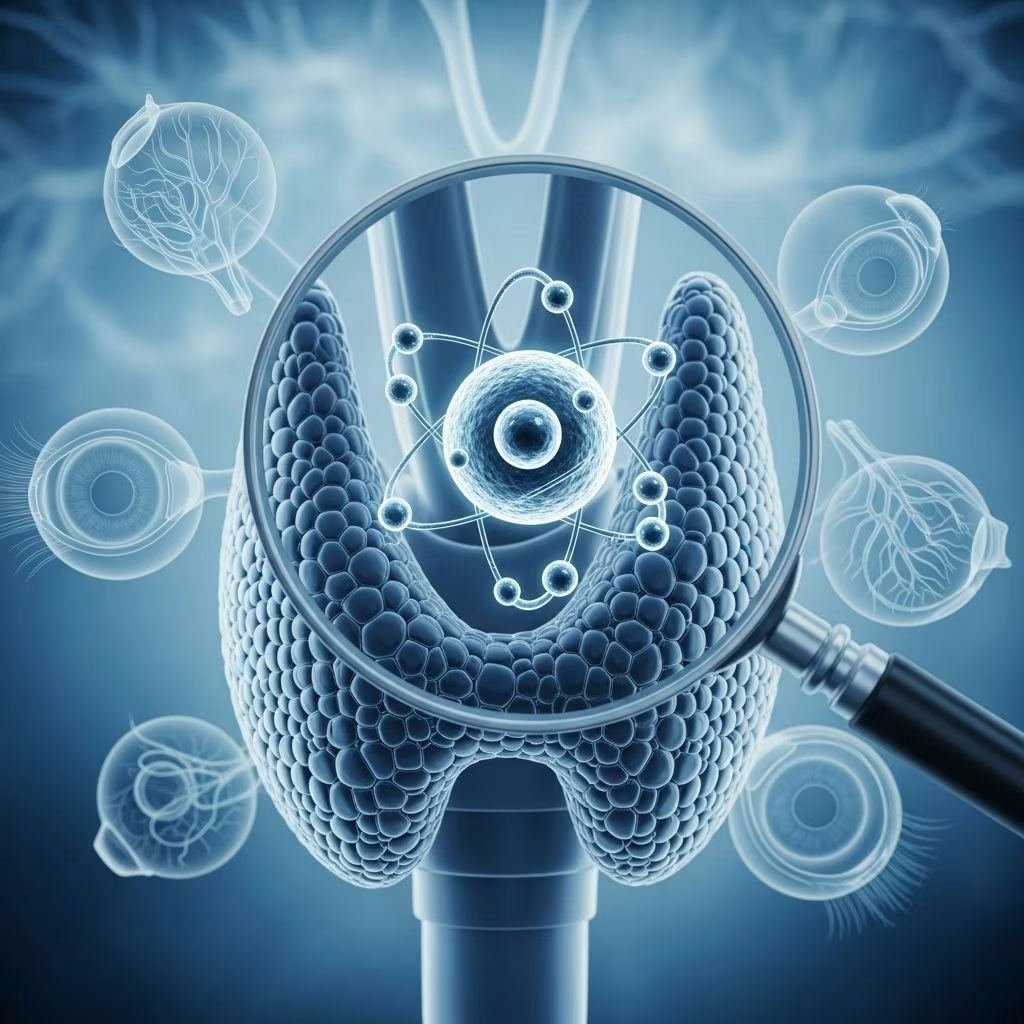
Thyroid eye disease (TED) is a complex autoimmune condition affecting the tissues surrounding the eyes, closely associated with disorders of the thyroid gland. For individuals with TED, symptoms can range from mild discomfort to severe vision impairment. Recent research suggests that the trace mineral selenium, known for its antioxidant properties and role in thyroid function, may help manage TED. This article explores the science behind selenium supplementation for TED, evidence from clinical studies, dosing considerations, potential safety concerns, and answers to frequently asked questions.
What is Thyroid Eye Disease?
Thyroid eye disease, also known as Graves’ orbitopathy or Graves’ ophthalmopathy, is an autoimmune disorder characterized by inflammation and tissue remodeling around the eyes. It often occurs in conjunction with hyperthyroidism, particularly Graves’ disease, but can also develop in people who are hypothyroid or euthyroid.
- Symptoms include: eye bulging (proptosis), redness, swelling, double vision (diplopia), discomfort, dryness, and, in severe cases, vision loss.
- TED has two phases: an “active” inflammatory phase and a subsequent “inactive” or “burnt-out” phase, when inflammation subsides but residual symptoms may persist.
Selenium: An Essential Trace Element
Selenium is a trace mineral that cannot be synthesized by the body and must be obtained either from food or supplements. It is essential for various bodily processes, particularly for immune function, antioxidant defense, and thyroid hormone metabolism.
- Sources: Brazil nuts, seafood, organ meats, cereals, and grains; selenium content varies by soil and geographical region.
- Selenium is a component of selenoproteins such as glutathione peroxidases and thioredoxin reductases, which protect tissues from oxidative damage by neutralizing free radicals.
The Role of Selenium in Thyroid Function
Selenium’s function in thyroid health is dual:
- It helps regulate thyroid hormone metabolism through selenoenzymes known as deiodinases, which convert the prohormone T4 to the active hormone T3.
- It protects the thyroid gland from oxidative damage resulting from hormone synthesis, which generates hydrogen peroxide as a byproduct.
Selenium and TED: Understanding the Connection
The underlying mechanism linking selenium to TED appears to relate primarily to its antioxidant and immunomodulatory effects. Oxidative stress plays a critical role in TED’s pathogenesis, damaging tissues around the eye and triggering inflammation. Selenium’s antioxidant properties, delivered through selenoproteins such as glutathione peroxidase, may help mitigate this process and reduce tissue damage.
- Research findings: Lower selenium levels may correlate with increased severity of TED in some populations.
- Selenium supplementation shows benefit primarily in mild, active TED and especially in individuals with suboptimal selenium status.
What Does the Research Say?
Several clinical studies, including randomized controlled trials, have investigated the impact of selenium supplementation on TED symptoms and progression.
- Key findings:
- In European studies, 200 μg of oral selenium daily for six months improved quality of life, reduced inflammation, and slowed TED progression in those with mild active disease.
- The benefits were notable especially where baseline selenium status was low or mildly deficient.
- Some studies reported improvements in measures of eye movement, soft tissue involvement, and subjective quality of life assessments.
- Important notes:
- Not all patients benefit equally—greatest improvement is seen in mild TED, not in moderate-to-severe or longstanding disease.
- Many studies are geographically limited to regions with low dietary selenium intake, complicating the generalizability of findings to areas with higher baseline selenium levels.
| Study | Population | Supplementation | Findings |
|---|---|---|---|
| Marcocci et al., 2011 (RCT) | Europe (low Se) | 200 μg/day for 6 mo | Improved QOL, slower TED progression |
| Khong et al., 2014 | Australia | N/A (observational) | Lower Se in TED vs. controls |
| Various ongoing trials (GRASS, CATALYST) | Europe | Supplement + standard care | Quality of life, disease remission |
Who Might Benefit from Selenium Supplements?
Selenium supplementation appears most useful for:
- Individuals with mild, active TED
- Those living in regions with low selenium dietary intake or mild selenium deficiency
- Patients with TED who have not yet developed sight-threatening or severe inflammatory disease
Clinical benefit is less clear for individuals with adequate selenium levels, those with chronic or inactive TED, or those with severe or advanced disease. The effect in people with moderate-to-severe TED remains unproven in high-quality trials.
Selenium Dosage Guidelines for TED
Research-based recommendations for selenium supplementation in TED generally advise:
- Dose: 200 micrograms (μg) per day (oral).
- Duration: At least 6 months, typically as part of early intervention in mild, active TED.
Most guidelines caution against exceeding 400 μg/day (total intake) to avoid toxicity.
Safety, Side Effects, and Risks
Selenium is essential but can be toxic in excess (a condition called selenosis). Recommendations emphasize caution, particularly with prolonged, high-dose use.
- Known side effects of excess selenium include:
- Gastrointestinal upset (nausea, diarrhea)
- Hair and nail brittleness or loss
- Mental disturbances
- Garlic-like breath odor
- In rare cases, nervous system symptoms or severe toxicity
- Long-term safety of supplementation beyond 6 months is not well established for TED.
Practical Considerations Before Supplementing
- Consult with a healthcare provider or endocrinologist before starting supplementation, especially if you have other health conditions or take medications that may interact with selenium.
- Testing blood selenium levels may be considered, though it is not routinely done in all patient populations, and guidelines vary by country.
- Dietary sources of selenium may suffice for individuals with adequate intake; supplementation is most relevant in those with deficiency or increased needs.
Other Treatments for Thyroid Eye Disease
Selenium supplementation is just one aspect of TED management. Other approaches include:
- Symptom relief: artificial tear drops, cool compresses, sunglasses for light sensitivity, and prisms for double vision.
- Medical therapy: corticosteroids to control acute inflammation, targeted immunosuppressive drugs, and biologics for moderate-to-severe disease.
- Correcting thyroid dysfunction: antithyroid medications, radioactive iodine therapy (when appropriate), or thyroid surgery.
- Surgical intervention: orbital decompression, eyelid surgery, or strabismus surgery in selected cases.
Current Research and Unanswered Questions
While evidence supports selenium supplementation in mild active TED within deficient populations, several key questions remain:
- Does selenium benefit people with moderate-to-severe TED?
- Is supplementation helpful in populations or regions with adequate baseline selenium?
- What is the optimal dose and duration for long-term TED management?
- Are there risks with chronic low-grade supplementation?
Larger, well-designed trials in diverse populations are underway, aiming to answer these questions and clarify the role of selenium in TED beyond specific populations.
Frequently Asked Questions (FAQs)
Q: What is the recommended selenium dose for TED?
A: The most studied dose is 200 μg per day, administered orally for six months. Do not exceed 400 μg per day total selenium intake unless advised by your healthcare provider.
Q: Are there risks to taking selenium supplements?
A: Yes. Excessive selenium can cause toxicity, ranging from mild gastrointestinal symptoms to more serious effects like hair loss, nerve damage, or organ dysfunction. Never exceed recommended dosages and always discuss supplementation with your doctor.
Q: Can selenium cure TED?
A: Selenium is not a cure for TED. It may reduce inflammation and slow disease progression in mild, active cases, particularly when deficiency is present, but it is not a standalone or curative treatment.
Q: Should everyone with TED take selenium?
A: Not necessarily. Current evidence supports supplementation primarily in people with mild, active disease and low selenium levels. Individual risk-benefit should be discussed with your care team.
Q: Can I get enough selenium from food?
A: Many people get adequate selenium from a balanced diet, especially in regions with selenium-rich soil and foods. However, supplementation may be considered in areas with known low selenium intake or in those with verified deficiency.
Q: Is selenium supplementation also helpful for other thyroid problems?
A: Selenium may help lower antibody levels in some autoimmune thyroid diseases, like Hashimoto’s thyroiditis, but benefits are modest and not universally proven. Its main evidence of benefit is in mild, active TED in selenium-deficient populations.
Key Points to Remember
- Selenium is an essential micronutrient for thyroid health and may improve symptoms in mild, active TED, especially in those who are deficient.
- Clinical guidelines support supplementing 200 μg/day for up to 6 months in cases of mild disease; higher doses are not advised.
- Individual benefit varies; supplementation should always be physician-guided and part of a comprehensive TED management plan.
References
References are available upon request and include key studies, guidelines, and expert consensus documents.
References
- https://pubmed.ncbi.nlm.nih.gov/37976183/
- https://pmc.ncbi.nlm.nih.gov/articles/PMC6844498/
- https://tedct.org.uk/patient-information/selenium-may-improve-ted/
- https://www.healthline.com/health/thyroid-eye-disease-treatment-options-what-to-know
- https://www.medicalnewstoday.com/articles/287842
- https://www.medicalnewstoday.com/articles/graves-disease-diet
- https://www.lceyes.com/blog/what-diet-helps-thyroid-eye-disease-and-what-foods-should-be-avoided
- https://www.longwoodeye.com/ways-to-help-alleviate-the-symptoms-of-thyroid-eye-disease/