Self-Care for Graves’ Eye Disease: Managing Symptoms and Protecting Vision
Graves’ eye disease—also known as Graves’ ophthalmopathy or thyroid eye disease (TED)—is a complex condition where the immune system attacks tissues around the eyes, leading to a range of symptoms. While medical treatment is crucial, effective self-care strategies are equally important for protecting vision, reducing discomfort, and improving quality of life.
What Is Graves’ Eye Disease?
Graves’ eye disease is an autoimmune disorder, most commonly linked with Graves’ disease, a form of hyperthyroidism (excess thyroid hormone production). In TED, inflammation and immune response affect not just the thyroid gland, but also eye tissues such as muscles and fat. This causes symptoms primarily related to the eyes, including discomfort and functional changes, often impacting both eyes.
- Bulging eyes (proptosis)
- Grittiness or dryness in the eyes
- Sensitivity to light
- Excess tearing or dryness
- Swollen, inflamed eyelids
- Eye pain or pressure
- Double vision (diplopia)
- Trouble moving the eyes
Symptoms often last one to two years and can be mild or severe; some cases resolve on their own, while others may need intensive management.
Why Is Self-Care Important?
Medical treatments address the underlying thyroid dysfunction and severe cases of TED. However, daily self-care helps relieve symptoms, prevent worsening, and address the emotional impacts of living with chronic eye discomfort or vision changes. Integrating self-care into your routine can empower you to manage flare-ups and maintain better quality of life.
Essential Self-Care Strategies for Graves’ Eye Disease
Lubricate and Protect Your Eyes
- Use Lubricating Eye Drops
Artificial tears or lubricating gels can reduce dryness, scratchiness, and grittiness. Nighttime application helps protect your cornea during sleep, especially if eyelids don’t fully close.
Choose preservative-free formulations to minimize irritation and avoid redness removers unless approved by your doctor. - Humidify Your Environment
A humidifier adds moisture to the air, alleviating dryness and protecting your eyes throughout the day and night.
Shield Eyes from Light and Irritants
- Wear Wraparound Sunglasses
Because TED increases sensitivity to sunlight and wind, high-quality sunglasses reduce discomfort and shield against harmful ultraviolet (UV) rays and environmental irritants.
- Avoid Secondhand Smoke
Exposure to smoke can aggravate eye dryness and irritation. Make your environment smoke-free.
Adapt Your Daily Living Spaces
- Improve Home Safety
Impaired or double vision increases the risk of falls.
Remove tripping hazards such as loose rugs or clutter and improve lighting throughout your home to safely navigate spaces. - Use Vision-Assistive Devices
Magnifying glasses, large-print books, and electronic devices with adjustable settings can help you see more clearly and reduce eye strain.
Manage for Eye Comfort During Sleep
- Elevate Head During Sleep
Sleeping with your head elevated lessens eyelid puffiness by reducing fluid accumulation overnight.
- Tape Eyelids If Needed
If your eyelids don’t completely close, discuss with your doctor about gently taping them at night to prevent corneal drying, or use protective ointments.
Smoking Cessation
- Quit Smoking
Smoking is the most significant modifiable risk factor for worsening TED. It exacerbates immune responses and reduces treatment efficacy.
Seek support through cessation groups, therapy, or medical interventions to quit and stay tobacco-free.
Understand Treatment Options
Medical management complements self-care and is tailored to symptom severity:
| Treatment Type | Purpose | Common Uses |
|---|---|---|
| Over-the-Counter Eye Drops | Relieves dryness and irritation | Chronic discomfort, sensitivity |
| Prescription Steroids (e.g., Prednisone) | Reduces swelling behind the eyes | Acute, severe inflammation |
| Teprotumumab or Rituximab | Targets immune pathways | Active, moderate-to-severe TED |
| Eyeglasses with Prism Correction | Addresses double vision | Diplopia (double vision) |
| Surgical Intervention (e.g., Orbital Decompression) | Relieves pressure & restores eyelid position | Vision loss risk, severe bulging |
| Radiation Therapy | Reduces soft tissue swelling | Selected severe cases |
Monitor Symptoms and Communicate with Your Doctor
- Track Vision Changes
Keep a symptom diary or checklist, noting any new or worsening symptoms—such as changes in color vision, swelling, or pain—that could signal a need for medical reassessment.
- Regular Eye Exams
Periodic professional monitoring helps ensure your treatment plan remains optimal and prevents complications such as optic nerve compression.
Taking Care of Emotional and Mental Health
Graves’ eye disease can impact self-esteem, body image, and emotional well-being. Addressing psychological aspects is a vital part of self-care.
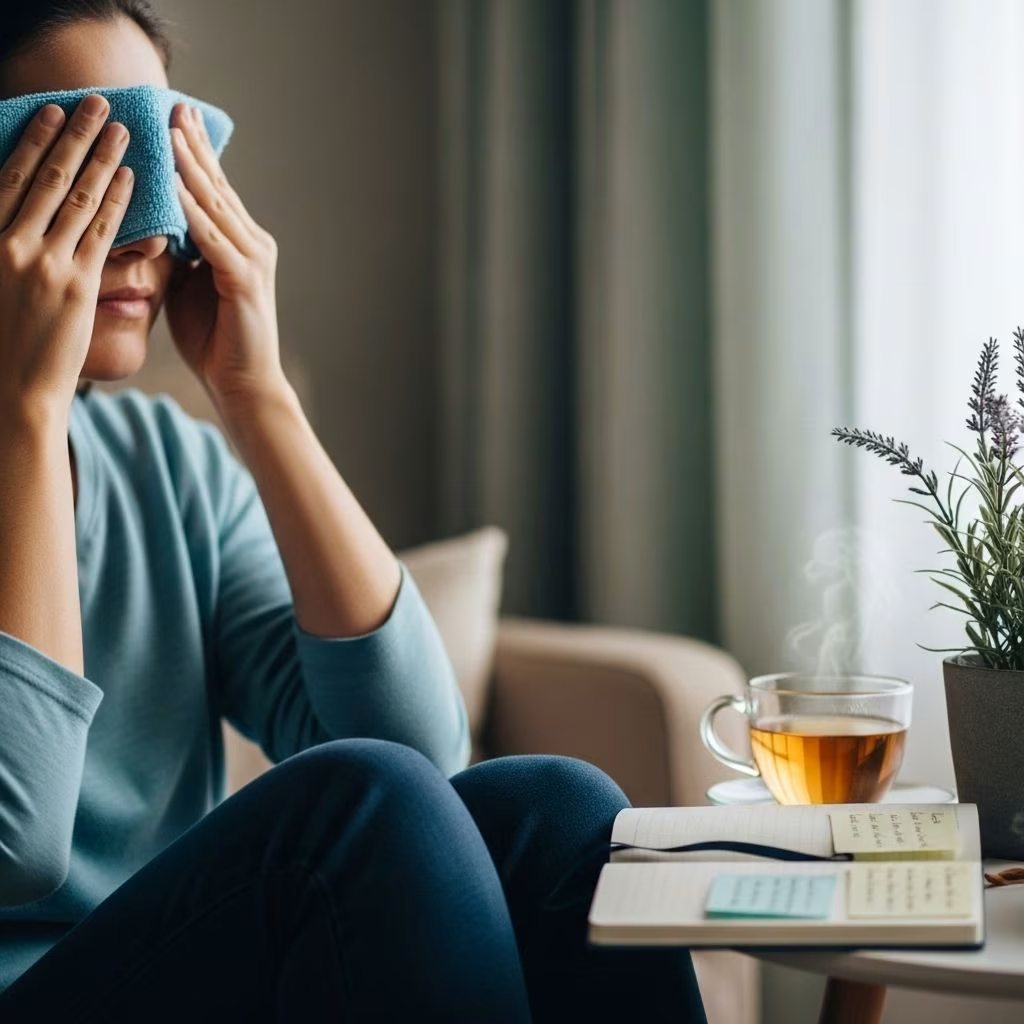
- Develop an Emotional Self-Care Checklist
Include activities that relax and restore you—reading, gardening, listening to music, or practicing meditation and mindful breathing.
- Practice Kindness to Yourself
Allow yourself rest and flexibility. Communicate needs and set boundaries at work or home without guilt, particularly during symptom flares.
- Connect with Support Networks
Reach out to friends, family, or TED-specific support groups (in-person or online) for empathy and encouragement from those who understand your experience.
Frequently Asked Questions (FAQs) About Graves’ Eye Disease Self-Care
Q: Can changes in lifestyle really reduce Graves’ eye disease symptoms?
Yes. Lifestyle modifications—like quitting smoking, wearing sunglasses, using lubricating drops, and controlling your environment—help minimize discomfort and support overall eye health. These changes can also improve medical treatment outcomes.
Q: Should I use any eye drops for dryness?
Use preservative-free artificial tears or lubricating gels recommended by your doctor. Avoid ‘redness remover’ drops, as they may aggravate irritation.
Q: Is surgery mandatory for all TED patients?
Surgery is reserved for moderate-to-severe cases threatening vision or eye structure. Many symptoms can be managed with self-care, prescription medications, or simple vision aids.
Q: How can I manage double vision caused by TED?
Eyeglasses with prism correction or specialized lenses are often prescribed. Your ophthalmologist can suggest devices tailored to your needs.
Q: What emotional support is available for TED?
Besides connecting with family and friends, TED-specific support groups (local or online) provide platforms to share experiences and coping strategies, reducing feelings of isolation.
Summary Table: Graves’ Eye Disease Self-Care Tips
| Strategy | Description |
|---|---|
| Artificial tears/eye drops | Reduces dryness and soothes irritation |
| Sunglasses | Shields from sun, wind, and irritants |
| Humidifier | Adds moisture to indoor air |
| Vision aids | Magnifiers, special lenses for reading and mobility |
| Home safety | Remove hazards, improve lighting to prevent falls |
| Elevated sleeping position | Reduces eyelid puffiness |
| Quit smoking | Decreases risk of worsening TED |
| Emotional self-care | Relaxation, support group participation |
When to Call Your Doctor
- Sudden vision changes such as blurring or loss of color vision
- Increasing pain or swelling not relieved by self-care
- Inability to close your eyes completely, leading to severe dryness
- Double vision affecting daily activities
If any of these occur, seek prompt medical attention to prevent permanent damage.
Conclusion
Living with Graves’ eye disease can be challenging, but adopting comprehensive self-care strategies alongside medical treatment can dramatically improve symptoms, protect your vision, and support emotional well-being. Partner with your healthcare team to develop a personalized plan and embrace self-care as a powerful tool in your journey with TED.
References
- https://resources.healthgrades.com/right-care/thyroid-disorders/self-care-tips-for-people-with-thyroid-eye-disease
- https://www.nei.nih.gov/learn-about-eye-health/eye-conditions-and-diseases/graves-eye-disease
- https://preventblindness.org/thyroid-eye-disease/
- https://www.healthline.com/health/eye-health/self-care-graves-disease
- https://www.thyroideyes.com/thyroid-eye-disease-support
- https://my.clevelandclinic.org/health/diseases/17558-thyroid-eye-disease
- https://www.healthline.com/health/build-confidence-thyroid-eye-disease
- https://www.healthcentral.com/condition/thyroid-eye-disease/tactics-for-screen-time-with-thyroid-eye-disease