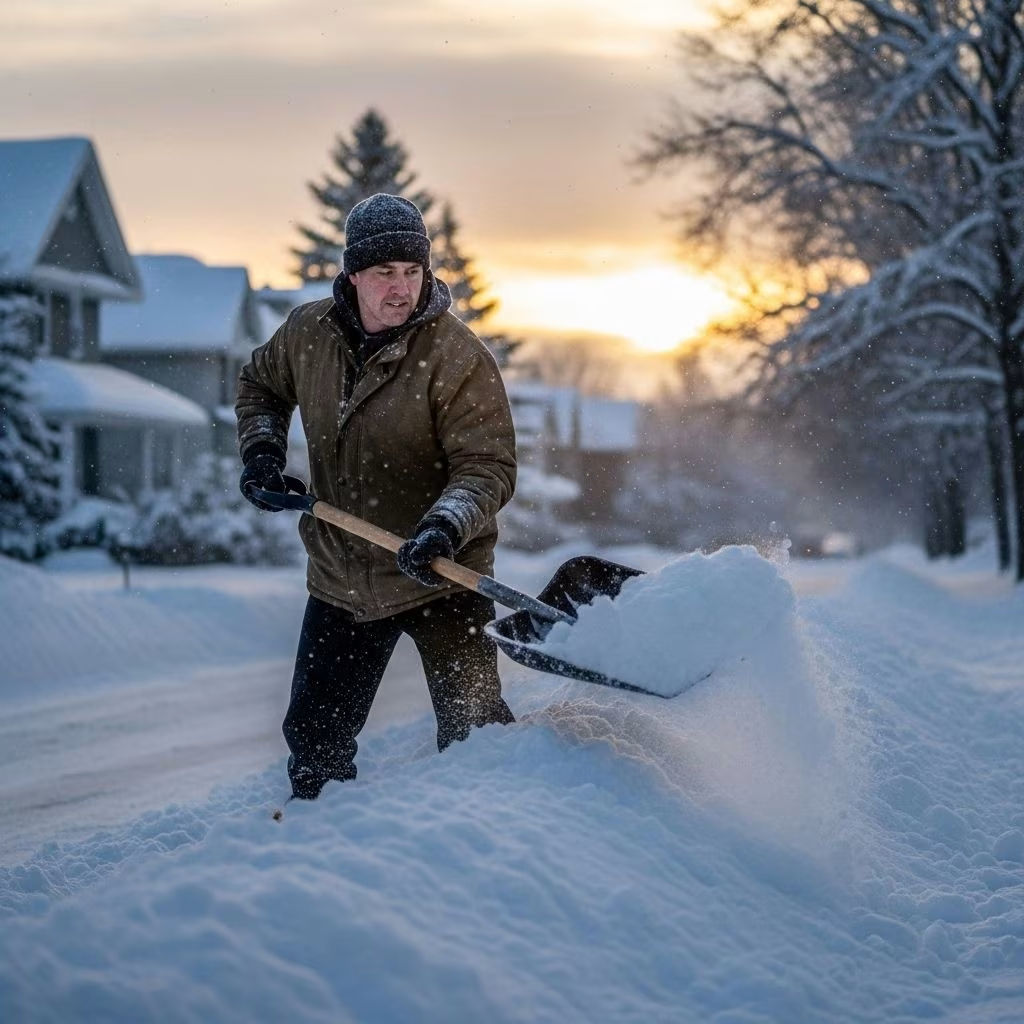
As winter arrives in snowy regions, it brings more than just scenic landscapes and chilly temperatures. Snow shoveling, a common winter chore, has been repeatedly linked to an increased risk of heart attacks. Understanding the underlying causes, recognizing the warning signs, and knowing how to protect yourself or loved ones is essential for heart health during the winter months.
Why Does Shoveling Snow Increase Heart Attack Risk?
Shoveling snow is a demanding cardiovascular task for several reasons. For many people, especially those who are not regularly active, it represents a sudden and intense surge in physical exertion. Simultaneously, cold weather creates additional physiological stress. Together, these factors can overstrain the heartsometimes with deadly consequences.
Physiological Mechanisms
- Increased Blood Pressure and Narrowed Arteries: Cold temperatures cause blood vessels to constrict to preserve body heat. This narrowing (vasoconstriction) makes it harder for blood to flow, increasing blood pressure and forcing the heart to work harder to circulate blood.
- Enhanced Heart Workload: Lifting and throwing heavy snow rapidly raises heart rate and requires greater cardiac output. In sedentary individuals, heart rates can quickly exceed recommended exercise thresholds within just a couple of minutes of shoveling.
- Blood Clot Formation: Cold weather also encourages the formation of blood clots by making blood thicker and more likely to coagulate. If a clot blocks a coronary artery, it can cause a heart attack.
In summary, snow shoveling often combines cold exposure, intense physical exertion, and underlying risk factors into a “perfect storm” for acute cardiac events.
Who Is Most at Risk?
While anyone can experience a heart attack during snow shoveling, research and clinical findings suggest certain groups are particularly vulnerable.
- Individuals with existing heart disease or risk factors (such as high blood pressure, high cholesterol, diabetes, or a history of smoking).
- Men, especially middle-aged and older: One Canadian study noted a 16% higher risk of hospitalization and a 34% increase in fatal heart attacks among men after heavy snowfalls (78 inches). This effect was not observed in women.
- People who are sedentary or not accustomed to regular vigorous exercise.
- Older adults, whose cardiovascular systems may already be compromised.
| Risk Group | Details |
|---|---|
| Existing heart conditions | Coronary artery disease, previous heart attack, or known heart risks |
| Age | Higher risk for people over 55, especially men |
| Lack of regular physical activity | Sudden exertion increases strain |
| High blood pressure/cholesterol | Pre-existing conditions compound risk |
| Smoking | Reduces oxygen supply, damages heart vessels |
How Cold Weather Affects Heart Health
Winter’s impact on heart health is not limited to snow shoveling alone. Medical research shows higher rates of heart attack, stroke, and hypertension (high blood pressure) during winter months.
- Vasoconstriction: Blood vessels narrow, raising resistance and blood pressure.
- Increased heart workload: More effort is needed to circulate blood and maintain body heat.
- Increased clot risk: Blood tends to become thicker in response to cold, increasing chances for clotting.
- Possible inflammation: Cold exposure may also increase bodily inflammation, a known risk for cardiovascular events.
Warning Signs of Heart Attack During Snow Shoveling
Recognizing the early symptoms of a heart attack is critical for survival. Do not ignore these warning signs, especially when shoveling snow or engaging in strenuous winter activity:
- Chest pain or discomfort (a squeezing or pressure-like sensation)
- Pain radiating to the left shoulder, arm, jaw, or back
- Shortness of breath
- Nausea, vomiting, or unexplained fatigue
- Cold sweat or lightheadedness
- Sudden anxiety or feeling of impending doom
If you experience these symptoms, stop shoveling immediately and call emergency services (such as 911). Delaying treatment can result in permanent heart damage or death.
Tips for Safe Snow Shoveling
With the right precautions, many people can shovel snow safely. Follow these techniques to minimize risk:
- Warm up before shoveling: Gently stretch and move to ready your muscles and cardiovascular system.
- Dress in layers: Wear clothing that keeps you warm but does not restrict movement.
- Pace yourself: Shovel smaller amounts of snow at a time; avoid heaving deep, heavy snow all at once.
- Take frequent breaks: Catch your breath and hydrate often. Drink water even in cold weather since dehydration increases strain on your heart.
- Do not shovel after eating, drinking alcohol, or smoking: These can further stress your heart.
- Push, don’t lift: Whenever possible, push snow rather than lifting and throwing it.
- Use ergonomic tools: Lightweight shovels with curved handles reduce strain.
- Stop if you notice warning symptoms: If you feel chest pain, lightheadedness, extreme shortness of breath, or your heart starts racing, stop immediately and get help.
- Hire help if you’re high risk: Consider hiring someone (such as a neighbor or professional) if you are older, out of shape, or have heart risk factors.
Remember, thoroughly clearing your entire sidewalk or driveway is not worth risking your health.
What to Do If You Suspect a Heart Attack?
If you or someone nearby experiences symptoms of a heart attack while shoveling snow:
- Stop all activity and sit or lie down immediately.
- Call emergency services (911 or local number) without delay.
- Do not attempt to drive yourself to the hospital.
- Chew and swallow an aspirin (if not allergic) while waiting for help, as it can help prevent further clotting.
- Stay calm and keep warm until medical responders arrive.
How to Prevent Heart Attacks in Winter
Beyond careful snow shoveling, several broader steps can help reduce cardiovascular risk during the winter season:
- Maintain regular exercise year-round; avoid sudden, intense workouts after inactivity.
- Keep chronic conditions under control: Monitor and treat high blood pressure, cholesterol, diabetes, and other risk factors.
- Avoid excessive alcohol and smoking.
- Eat a balanced diet with minimal salt and saturated fats.
- Dress appropriately: Keep your body, especially extremities, warm to protect blood vessels and heart.
- Ask your doctor if you are unsure about your heart shoveling readiness, especially if you have risk factors.
Frequently Asked Questions (FAQs) About Snow Shoveling and Heart Attack
Q: How soon can a heart attack happen after starting to shovel snow?
A: Research shows that heart rates and blood pressure can rise dramatically within just two minutes of heavy shoveling, so risk can occur almost immediately in susceptible individuals.
Q: Is it safer to use a snow blower instead of a shovel?
A: While using a snow blower can reduce the physical exertion of lifting snow, pushing a heavy snow blower can still significantly tax the heart, particularly in deep or wet snow.
Q: Are there certain signs that indicate someone should not shovel snow at all?
A: People with existing heart disease, previous heart attacks, chronic angina, or significant risk factors should avoid shoveling snow and seek alternative help.
Q: Why are men at higher risk than women?
A: Studies suggest that men are more likely to undertake heavy snow removal and may have more underlying, undetected cardiovascular disease. Statistically, increases in heart attack and death after snowfalls have been observed mainly in men.
Q: What type of snow is the most dangerous to shovel?
A: Wet, heavy snow is significantly more challenging to move and requires much greater exertion than light, fluffy snow, greatly amplifying heart attack risk.
Q: Can regular exercise reduce my risk when shoveling snow?
A: Yes, people who are physically active year-round are better conditioned for strenuous winter activities and have a lower risk of sudden heart strain. However, risk is never zero for individuals with underlying heart issues.
Key Takeaways for a Heart-Safe Winter
- Shoveling snow, especially in cold conditions, substantially increases heart attack risk, particularly for those with heart disease or risk factors.
- Recognize heart attack symptoms and respond with immediate emergency care.
- Reduce risk by warming up, dressing properly, taking breaks, shoveling small amounts at a time, and staying hydrated.
- If in doubt about your heart health, delegate snow removal and consult your physician before strenuous winter chores.
Stay safe this winter season by understanding the risks, preparing appropriately, and prioritizing your heart health in snowy weather.
References
- https://www.health.harvard.edu/blog/protect-your-heart-when-shoveling-snow-201101151153
- https://www.urmc.rochester.edu/news/publications/health-matters/heart-safe-snow-shoveling-rochester
- https://www.healthline.com/health-news/why-hypertension-heart-attack-stroke-risks-are-higher-in-the-winter
- https://www.health.harvard.edu/blog/can-shoveling-snow-put-your-heart-at-risk-2017120612887
- https://newsroom.heart.org/news/a-winter-wonderland-can-turn-deadly-with-heart-attacks-brought-on-by-snow-shoveling
- https://www.allinahealth.org/healthysetgo/prevent/shoveling-snow-causes-heart-attacks-convenient-urban-myth-or-fact
- https://www.medicalnewstoday.com/articles/shoveling-snow-heart-attack
- https://newsnetwork.mayoclinic.org/discussion/mayo-clinic-minute-heart-health-and-dangers-of-shoveling-snow/