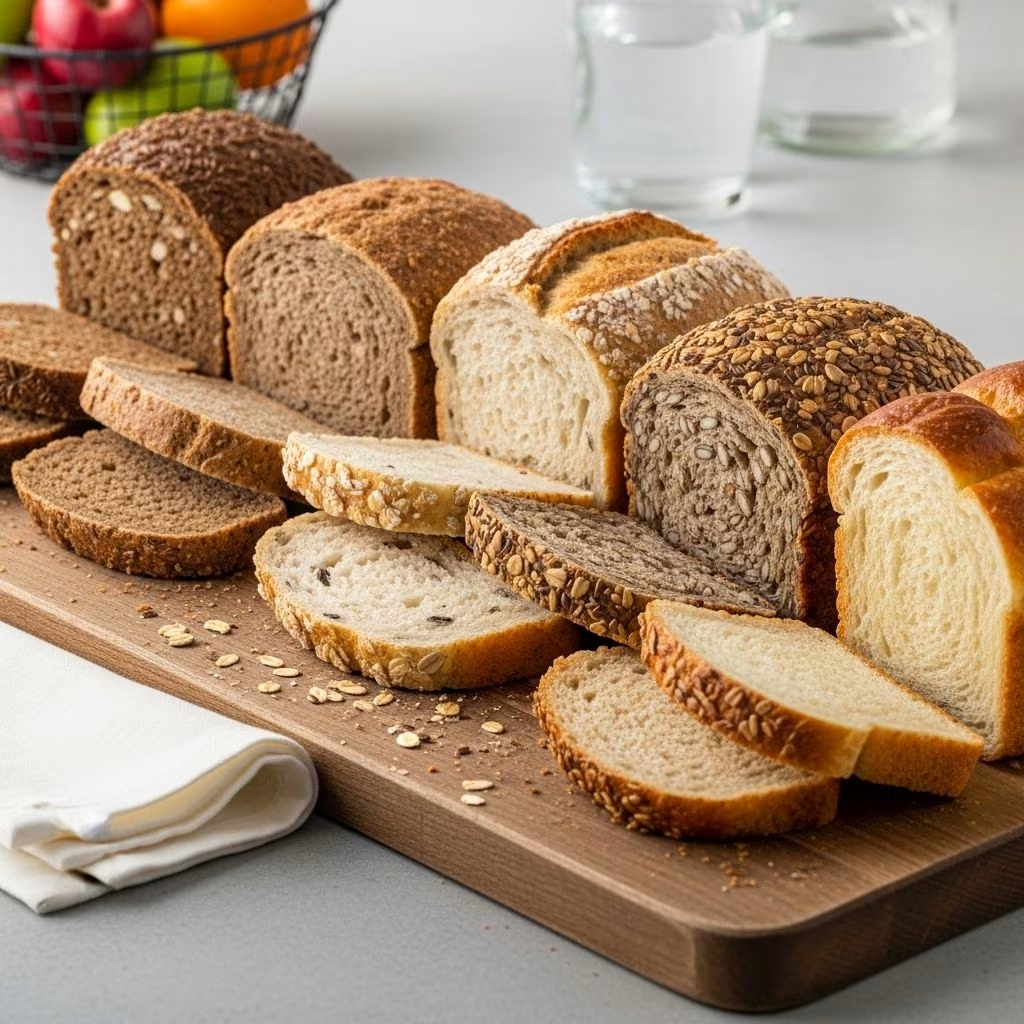
For many, bread is a staple—gracing breakfast tables and sandwich lunches worldwide. But with shelves full of tempting loaves and health claims, choosing the healthiest bread can be overwhelming. Is whole wheat always best? Does sourdough live up to the hype? This comprehensive guide, informed by expert dietitians’ insight and thorough research, breaks down everything you need to know about choosing truly healthy bread—including what to look for on labels, which brands stand out, and answers to your top bread questions.
What Makes Bread Healthy?
Most nutritionists agree on a core set of criteria that makes certain breads healthier choices than others. Here’s what they recommend looking for:
- Whole grains: Look for breads with the first ingredient listed as “whole wheat” or another whole grain—meaning the loaf contains the entire grain kernel, maximizing the fiber, vitamins, and minerals.
- High fiber: Aim for at least 2–3 grams of fiber per slice, which supports digestion, heart health, and satiety.
- Minimal added sugar: The healthiest breads minimize or avoid added sugars—check labels for honey, molasses, or cane sugar and opt for < 2 grams per slice when possible.
- Low in sodium: Less than 140mg per slice is a helpful benchmark for those watching sodium intake.
- Simple ingredient lists: Ideally, breads should have short ingredient lists featuring recognizable components—whole grains, yeast, water, salt, and minimal preservatives.
- Minimal highly processed oils and additives: The fewer the fillers and vegetable oils, the more nutritious the loaf.
Other considerations may include dietary needs, such as seeking gluten-free or low-carb options.
Expert-Approved Healthy Bread Picks
Registered dietitians highlight several breads and varieties that best deliver on nutrition, fiber, and overall health value:
1. Sprouted Whole Grain Bread
Why it’s healthy: Sprouted breads are made from grains that have been allowed to germinate, increasing the availability of nutrients and antioxidants while decreasing “anti-nutrients” that inhibit absorption. Sprouting may also lower carb content and raise fiber and protein amounts compared to unsprouted bread, making it less likely to spike blood sugar and more sustaining overall.
Sprouted grain loaves often feature a mix including wheat, barley, lentils, beans, and millet for diverse nutrition. A notable brand is Ezekiel 4:9.
- Average nutrition per slice: 80 calories, 4g protein, 15g carbs, 3g fiber
2. Sourdough
Why it’s healthy: Sourdough is unique in that it’s naturally leavened with wild yeast and beneficial lactic acid bacteria rather than commercial yeast alone. This fermentation process increases digestibility and can lower the bread’s glycemic index, causing gentler blood sugar rises. Sourdough also supports gut health thanks to naturally occurring probiotics, and enhances vitamin and mineral absorption.
- Look for: Simple ingredient lists with no added sugar or oils
- Typically 70–100 calories per slice
3. 100% Whole Wheat Bread
Why it’s healthy: True whole wheat bread uses flour made from the entire wheat kernel, retaining the bran and germ for higher fiber and nutrients. This translates to steadier energy, greater satiety, and an abundance of heart-healthy nutrients. For best nutrition, check that “whole wheat” is the first and primary flour listed.
- Typical nutrition: 100–110 calories, 3–4g fiber per slice
- Avoid: “Wheat bread” or “enriched wheat flour”—these terms can mean refined grains
4. Oat Bread
Why it’s healthy: Oats are a standout for their content of beta-glucan, a type of soluble fiber proven to help lower cholesterol and support heart health. Oat breads blend oats (sometimes whole or rolled) with wheat flour, adding fiber and a hearty texture.
- Search for: Oats or whole oats among the top three ingredients
- Typical nutrition: 120–130 calories, 3–4g protein, 2–3g fiber per slice
5. Flax Bread
Why it’s healthy: Flax bread is made with ground flaxseeds and whole grains, delivering omega-3 fatty acids, plant lignans (which may offer antioxidant benefits), and added fiber for digestive and heart health. Flax is especially beneficial for those hoping to boost their intake of healthy fats from plant sources.
- Typical nutrition: 80 calories, 5g protein, 14g carbs, 3g fiber per slice
- Check that flaxseed is high on the ingredient list
6. Sprouted Rye Bread
Why it’s healthy: Traditional rye bread contains only rye flour, but many commercial varieties are blended with wheat. The healthiest form uses 100% whole-grain, sprouted rye flour, increasing fiber and nutrient levels. Rye’s high soluble fiber content may reduce the glycemic response, giving it a modest benefit for blood sugar control and cholesterol management.
- Typical nutrition: 60 calories, 4g protein, 12g carbs, 3g fiber per slice
- Look for: “100% rye” or “sprouted rye” on packaging
7. Gluten-Free Whole Grain Bread
Why it’s healthy: For those with celiac disease or gluten sensitivity, gluten-free breads made from nutrient-dense grains (like brown rice, quinoa, millet, buckwheat, and amaranth) provide nutritious alternatives. Avoid highly processed gluten-free choices based heavily on starches, white rice flour, or additives.
- Seek out: Short ingredient lists, whole grain flours, and natural binders
- Nutrition varies greatly—compare brands for lower sugar and higher fiber options
How to Choose the Best Bread at the Store
Selecting healthy bread comes down to decoding packaging and ingredient lists. Here are dietitian-recommended habits:
- Read the ingredient list: “Whole” grain or wheat as the first ingredient signals higher nutrition; watch for blends with refined flour by checking for “enriched wheat flour” further down the list.
- Scan for fiber: Aim for at least 2–3g fiber per slice. The higher, the better.
- Mind added sugar and sodium: High sugar and salt are red flags—stay below 2g sugar and 140mg sodium per slice when possible.
- Avoid unnecessary add-ins: Artificial colors, preservatives, and hydrogenated oils don’t add nutritional value and may detract from the bread’s health profile.
- Check for certifications: “100% Whole Grain” or “Whole Grain Stamp” labels can validate claims.
Notable Bread Brands Dietitians Love
While the healthiest pick depends on your needs and taste preferences, the following brands typically earn high marks for nutrition and ingredient quality:
- Ezekiel 4:9 (Food for Life): Sprouted whole grain, no added sugar, high fiber and protein
- Dave’s Killer Bread: USDA Organic, seeded options, whole grains, 5g protein and 5g fiber per slice (varies by variety)
- Silver Hills: Sprouted grain loaves, organic and non-GMO ingredients
- Alvarado Street Bakery: Sprouted minimally processed grains, fiber-rich
- Angelic Bakehouse: Whole sprouted grains, minimal additives
- Canyon Bakehouse, Udi’s: Gluten-free breads using brown rice, millet, or other whole grains
Why Sprouted Grains Lead the Pack
Sprouted grain breads consistently lead dietitians’ lists for several reasons:
- Sprouting breaks down starch, reducing glycemic impact for more stable blood sugar
- Increases nutrients including B vitamins, vitamin C, folate, and fiber
- Improves digestibility and absorption of minerals like magnesium and zinc
- Delivers higher protein than many conventional bread varieties
Whole Wheat vs. Whole Grain: The Key Differences
| Whole Wheat | Whole Grain |
|---|---|
| Made only from wheat kernels with bran, germ, endosperm | May contain wheat plus other grains (e.g., barley, oats, millet) |
| High in fiber, vitamins, minerals | May offer wider range of nutrients depending on added grains |
| Hearty wheat flavor, denser texture | Often more complex flavor profile and texture |
Common Bread Myths—Debunked
- “Bread isn’t healthy.” The truth: Whole grain, high-fiber breads are nutrient-rich and can fit into most diets.
- “Only gluten-free bread is healthy.” Not true. Unless you have celiac disease or a gluten allergy, whole grain breads with gluten are generally nutritious.
- “Wheat bread and whole wheat bread are the same.” “Wheat bread” often uses refined flour—always check for “100% whole wheat.”
Tips for Storing and Serving Healthy Bread
To maximize freshness and quality:
- Store sliced bread in an airtight bag at room temperature and consume within 3–5 days.
- Freeze remaining slices for long-term storage—toast directly from frozen for best results.
- Pair fiber-rich breads with protein (like eggs, nut butter, or hummus) for balanced meals that boost satiety.
- Try open-face sandwiches or toast with healthy toppings—avocado, cottage cheese, tomatoes—for extra nutrients.
Frequently Asked Questions (FAQs)
What is the healthiest bread to eat daily?
Breads made from 100% whole or sprouted grains—especially those that are low in sugar and high in fiber—are top picks for everyday consumption. Popular choices include Ezekiel 4:9, Dave’s Killer Bread 21 Whole Grains & Seeds, and similar whole grain loaves.
Should I avoid bread if I’m trying to lose weight?
Not necessarily! Choosing higher-fiber, whole grain breads helps promote satiety, which may actually support weight goals. Be mindful of portion sizes and pair bread with protein and veggies for more balanced meals.
What bread is best for digestion and gut health?
Sourdough and sprouted breads are considered easiest on digestion because the fermentation and sprouting processes reduce certain anti-nutrients and make nutrients more bioavailable. Look for breads with minimal additives.
Is ‘multigrain’ bread healthy?
Not always. “Multigrain” means multiple grains are used but does not guarantee they are whole. Always read the ingredient list—the healthiest multigrain breads begin with whole, not refined, flours.
How can I tell if bread is gluten-free and still nutritious?
Look for gluten-free breads made with whole grain flours, like brown rice, sorghum, quinoa, or millet. Avoid those high in starches or with long lists of additives, and check fiber content carefully.
Final Guidance
Bread can form part of a balanced, healthy diet—especially when you opt for whole grain, sprouted, or sourdough loaves with simple ingredients and a high fiber content. Shop mindfully, check nutrition labels, and remember: the healthiest bread is one you’ll enjoy, that fits your unique nutritional needs. For best results, combine your favorite bread with wholesome toppings or accompaniments and savor each nourishing bite.
References
- https://www.healthline.com/nutrition/healthiest-bread
- https://nourishingny.com/blog/healthiest-bread/
- https://livepacha.com/blogs/news/what-are-the-healthiest-breads-our-expert-picks
- https://thocc.org/about/news-press/news-detail?articleId=56292&publicid=461
- https://www.youtube.com/watch?v=6RBTlyJsmXw
- https://pmc.ncbi.nlm.nih.gov/articles/PMC10103004/
- https://grainfoodsfoundation.org/how-to-choose-the-healthiest-bread/