Thyroid Hormone Replacement Therapy
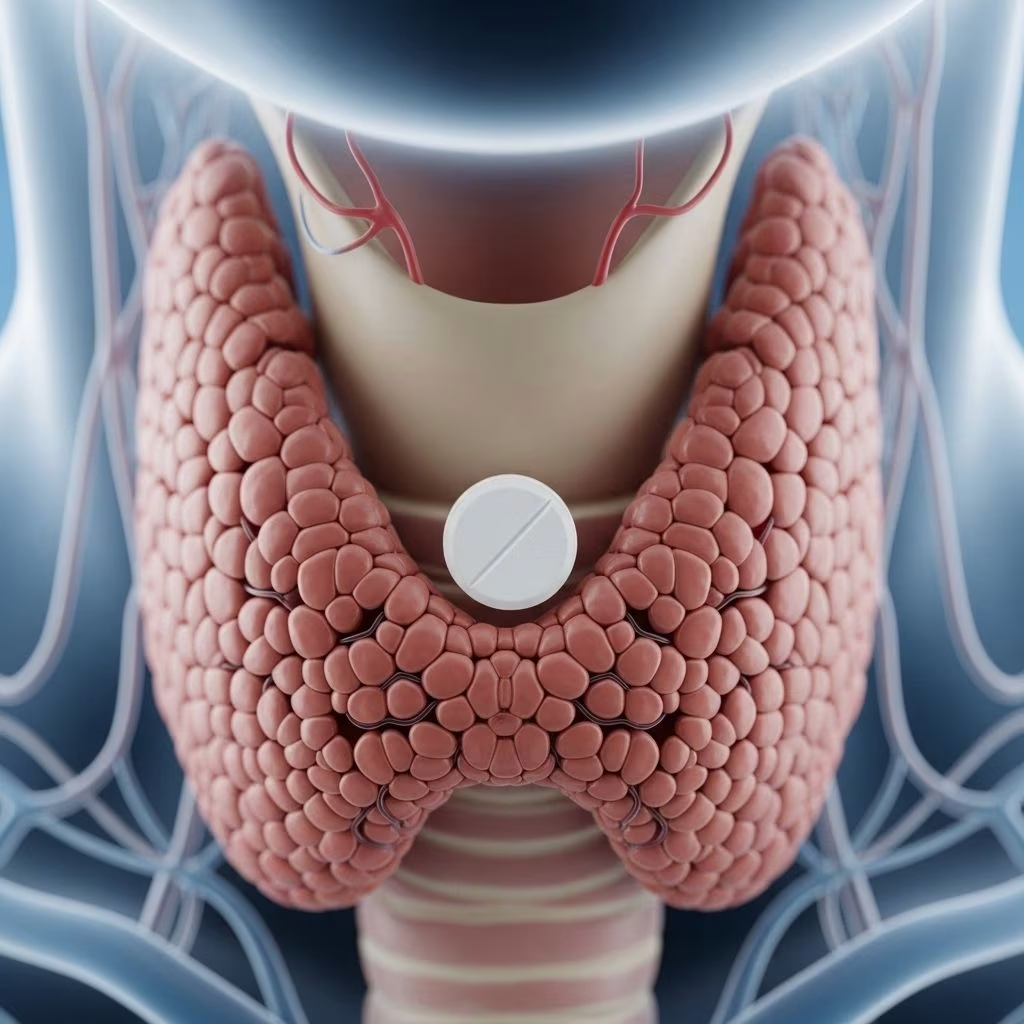
Thyroid hormone replacement therapy is the mainstay treatment for individuals diagnosed with hypothyroidism, a condition caused by an underactive thyroid gland. This therapy restores normal hormone levels, alleviates symptoms, and helps prevent complications associated with untreated thyroid hormone deficiency. The following guide provides an in-depth overview of the causes, medications, monitoring routines, potential risks, and patient management associated with thyroid hormone replacement therapy.
What Is Thyroid Hormone Replacement Therapy?
Thyroid hormone replacement therapy involves taking synthetic or natural hormones to substitute for the deficient hormones produced by a malfunctioning thyroid gland. The goal is to normalize levels of thyroid hormones—primarily thyroxine (T4) and triiodothyronine (T3)—in the blood, restoring physiological functions and reducing symptoms of hypothyroidism.
Why Is Thyroid Hormone Replacement Needed?
- Hypothyroidism Causes:
- Autoimmune diseases (such as Hashimoto’s thyroiditis)
- Thyroid surgery or radioiodine treatment
- Certain medications, congenital defects, or iodine deficiency
- Aging-related changes in thyroid function
- Symptoms of Hypothyroidism:
- Fatigue
- Weight gain
- Cold intolerance
- Constipation
- Dry skin and hair loss
- Depression and cognitive slowing
If left untreated, hypothyroidism can cause serious complications such as heart disease, infertility, neurological deficits, and in severe cases, myxedema coma.
Types of Thyroid Hormone Medications
The most commonly prescribed thyroid hormone medication is levothyroxine (synthetic T4), which is known by brand names such as Synthroid, Levoxyl, and Euthyrox. Some patients may require combination therapies or alternative preparations based on their specific health needs.
- Synthetic Hormone Preparations:
- Levothyroxine (T4): Considered the standard of care due to its long half-life and predictable absorption.
- Liothyronine (T3): Used less commonly, sometimes in combination with T4 if symptoms persist despite normal lab values.
- Natural Hormone Preparations:
- Desiccated Thyroid Extract: Derived from animal thyroid glands, includes both T4 and T3. Used infrequently due to variable potency.
| Medication | Type | Key Features |
|---|---|---|
| Levothyroxine | Synthetic T4 | Once daily dosing, long half-life, widely available |
| Liothyronine | Synthetic T3 | Shorter half-life, faster onset, used adjunctively |
| Desiccated Thyroid | Natural (T4+T3) | Animal-derived, variable content |
How Is Thyroid Hormone Therapy Administered?
Thyroid hormone therapy is typically taken orally as tablets or capsules. The prescribed dosage depends on the patient’s age, weight, health status, and the severity of their hormone deficit.
- Usually administered once daily, preferably in the morning.
- Should be taken on an empty stomach, ideally 30–60 minutes before breakfast.
- Some foods, supplements (calcium, iron), and medications can affect absorption; consistent routines are recommended.
- Missed doses should be taken as soon as remembered, unless close to the next dose.
Monitoring and Adjusting Thyroid Hormone Therapy
Regular monitoring is essential to ensure appropriate thyroid hormone levels and to prevent under- or over-treatment. This involves measuring blood levels of TSH (Thyroid Stimulating Hormone) and, in some cases, free T4 and T3.
- Initial Monitoring: 6–8 weeks after starting therapy or changing dose
- Maintenance Monitoring: Every 6–12 months for most patients
- Special Considerations:
- Pregnancy, elderly, children, existing heart disease, or persistent symptoms may require more frequent testing
- Optimal TSH Range: Generally targeted between 0.4 – 5.0 microunits/mL for most adults
Risks and Potential Side Effects of Thyroid Hormone Replacement
Most patients tolerate thyroid hormone replacement well, provided correct dosing and routine monitoring. However, inappropriate dosing—especially overtreatment—can cause adverse effects.
- Over-replacement Risks:
- Anxiety, insomnia, increased appetite
- Rapid heartbeat, arrhythmia, high blood pressure
- Unintentional weight loss
- Increased risk of bone loss and fractures, especially in older adults
- Under-replacement Risks:
- Persistence or worsening of hypothyroid symptoms
- Potential cardiovascular complications
Recent research suggests the use of levothyroxine, even within guideline-recommended reference ranges, may contribute to bone loss over time in older adults and could elevate risk for fractures. A careful risk-benefit assessment is essential, especially for the elderly population.
Indications and Contraindications for Therapy
- Who Should Be Treated:
- Patients with clinically diagnosed hypothyroidism (high TSH with low T4)
- Individuals with certain symptoms and borderline lab results may be considered
- Pregnant women with hypothyroidism to prevent developmental issues
- Potential Contraindications:
- Subclinical hypothyroidism in older adults may not always require therapy
- Elevated TSH alone, potentially due to aging-related changes, may not warrant treatment
- Existing heart disease requires cautious titration
Personalized Treatment and Special Populations
Treatment must be tailored to individual patient needs. For example, older adults may need lower starting doses and more gradual adjustments, while pregnant women may require higher doses.
- Elderly Patients: May be more sensitive to excess hormone; possible increased risk of mortality if treated while euthyroid
- Patients With Persistent Symptoms: Some individuals continue to experience symptoms despite normalized lab values, necessitating a personalized approach
- Pediatric and Pregnant Patients: Require specialized dosing and careful monitoring
Importance of Adherence and Lifestyle Factors
Consistency in medication timing and follow-up visits is critical. Patients should communicate any changes in symptoms, medications, or health status to their provider. Integrating healthy lifestyle choices—such as balanced nutrition, regular exercise, managing stress, and maintaining bone health—supports treatment outcomes.
- Take medication as prescribed, do not skip doses
- Report any side effects or changes to healthcare provider
- Discuss potential interactions with new medications or supplements
- Attend scheduled follow-up appointments and lab testing
Controversies and Advances in Thyroid Hormone Therapy
Recent studies highlight the need for a nuanced approach to thyroid hormone supplementation, especially in older adults. Not all cases of elevated TSH indicate the need for therapy, and overtreatment may result in adverse outcomes including increased bone loss and mortality. Innovations continue in the development of long-acting, targeted hormone therapies, improved monitoring techniques, and personalization of care based on patient genetics and circumstances.
Frequently Asked Questions (FAQs)
Q: What is the best thyroid hormone medication for hypothyroidism?
A: Levothyroxine is the most widely used and recommended due to its long half-life, stable dosing, and reproducibility.
Q: How often should my thyroid hormone levels be checked?
A: After starting or altering treatment, levels should be reassessed in 6–8 weeks, and then every 6–12 months for stable patients. Certain populations may require more frequent monitoring.
Q: Can I take my thyroid medication with other medicines?
A: Many common medications (calcium, iron, antacids, cholesterol lowering drugs) can interfere with absorption; take thyroid hormone separately and consult your provider.
Q: What are the signs of overreplacement?
A: Symptoms may include jitteriness, heart palpitations, unintended weight loss, insomnia, and increased fracture risk in older adults.
Q: Is therapy required for subclinical hypothyroidism?
A: Therapy decisions depend on age, symptoms, and overall health status. Subclinical cases, especially in older adults, may not require immediate treatment unless symptoms develop.
Q: Should I stop taking my thyroid medication if I feel well?
A: No. Stopping therapy without medical advice can lead to recurrence of symptoms and complications. Always consult your healthcare provider.
Key Takeaways
- Thyroid hormone replacement therapy is essential for treating hypothyroidism and requires ongoing monitoring.
- Levothyroxine is the most commonly used medication, but dosing must be personalized.
- Routine blood tests, adherence to timing, and communication with providers are crucial for optimal outcomes.
- Older adults require special consideration due to increased risks of bone loss, fractures, and potential over-treatment complications.
- Consult with endocrine specialists for cases with persistent symptoms, ambiguous lab results, or complex medical backgrounds.
References
- https://pubmed.ncbi.nlm.nih.gov/31372822/
- https://press.rsna.org/timssnet/media/pressreleases/14_pr_target.cfm?ID=2538
- https://pure.johnshopkins.edu/en/publications/thyroid-hormone-supplementation-and-all-cause-mortality-in-commun
- https://pages.jh.edu/gazette/2006/17jan06/17thyroi.html
- https://londonhealthcompany.co.uk/blogs/news/thyroid-hormone-excess-linked-to-increased-risk-of-cognitive-disorders-in-older-adults-a-johns-hopkins-study
- https://pure.johnshopkins.edu/en/publications/thyroid-hormone-treatment-new-insights-into-an-old-therapy-4