Traveling While Pregnant or Breastfeeding: Essential Guidelines and Safety Tips
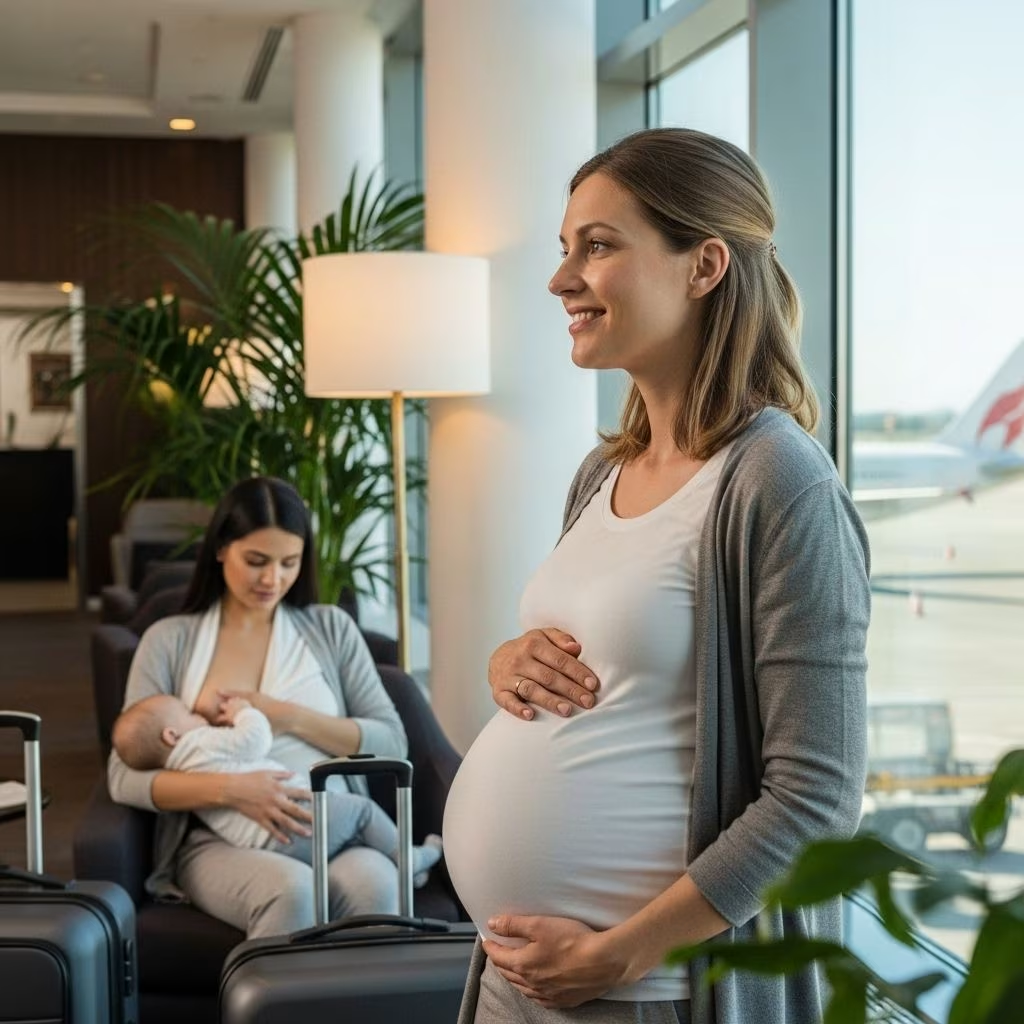
Traveling as an expectant or breastfeeding mother brings unique joys as well as specific challenges. Many women enjoy vacations or must travel for work and family during pregnancy or the breastfeeding period. However, safety and preparedness remain critical for protecting both mother and child. This detailed guide covers all major considerations—from timing and medical precautions to breastfeeding logistics and dealing with illnesses during your travels.
Understanding the Risks of Traveling While Pregnant or Breastfeeding
While most pregnancies and breastfeeding periods are uncomplicated, travel introduces variable risks. These can range from exposure to diseases, vaccination needs, and access to medical care, to practical amenities such as access to nutritious food or cool, clean environments for nursing.
- Medical Care Accessibility: Emergencies may occur unexpectedly. Always know where to seek local medical assistance at your destination.
- Changes in Routine: Time zone differences, sleep disturbances, and altered meal schedules can impact both mother and child’s health.
- Infection Risks: Some destinations present a higher risk of foodborne, waterborne, or vector-borne illnesses.
- Medication and Vaccinations: Immunization requirements may differ by region and should be healthcare provider-approved for pregnant or breastfeeding women.
Consulting Your Healthcare Provider Before Travel
Before making travel plans, consult with your obstetrician, midwife, or pediatrician—especially if you have a high-risk pregnancy or specific health concerns. A detailed discussion will address:
- Any contraindications for travel during your pregnancy stage or breastfeeding journey
- Medical history, pregnancy progression, and necessary medications
- Recommended vaccines tailored for your itinerary
- Personalized travel safety tips based on your health profile
Timing Your Travel During Pregnancy
Choosing the right time to travel is as important as the destination. The general breakdown by trimester is as follows:
| Trimester | Key Considerations | Travel Recommendations |
|---|---|---|
| First (Weeks 1-13) | Morning sickness, fatigue, risk of miscarriage | Generally safe with provider approval; manage nausea and rest often |
| Second (Weeks 14-27) | Feels best for most women, lowest risk phase | Ideal time to travel; plan for restroom breaks and comfort |
| Third (Weeks 28+) | Increased discomfort, swelling, preterm labor risk | Airlines may restrict travel after 36 weeks; travel locally if possible |
General Safety Tips for Pregnant Travelers
- Stay Hydrated: Drink plenty of fluids to reduce the risk of dehydration and blood clots.
- Maintain Regular Meals: Eat small, frequent meals to avoid nausea and support stable energy.
- Dress Comfortably: Wear loose-fitting clothing and supportive shoes.
- Plan Rest Stops: Incorporate frequent breaks for stretching and restroom use, especially on long car or bus rides.
- Prioritize Cleanliness: Wash your hands frequently and avoid unsafe food or beverages.
Travel by Air, Road, Train, or Ship
Peculiarities of each travel mode influence what is safe or comfortable for pregnant and breastfeeding women:
- Air Travel: Most airlines allow pregnant women to fly up to 36 weeks, but check individual policies. Always use the seatbelt below your belly and book aisle seats for easier access to bathrooms. Consider wearing compression stockings to reduce the risk of clot formation.
- Car Travel: Wear the seatbelt properly—lap portion under your abdomen and shoulder portion above. Take leg-stretching breaks every two hours.
- Train Travel: Offers more freedom of movement and restroom access; still plan for stable support while the train is in motion.
- Sea or Cruise Travel: Most cruise lines set restrictions after 24–28 weeks of pregnancy. Always bring motion sickness remedies approved by your healthcare provider, and know where the medical facilities are located onboard.
Managing Common Pregnancy Discomforts During Travel
- Morning Sickness: Carry snacks such as crackers, get fresh air, and avoid strong odors.
- Swelling: Elevate your legs when possible and wear comfortable shoes. Walk or stretch frequently.
- Heartburn: Eat bland, small meals and avoid spicy or fatty foods while traveling.
- Fatigue: Rest as much as possible, bring a small pillow, and do not overexert yourself.
Vaccinations and Medications: What’s Safe?
Live vaccines are generally not recommended during pregnancy, while inactivated vaccines are sometimes considered safe. Essential points include:
- Routine Vaccines: Ensure you are up to date according to your healthcare provider’s advice before departure.
- Travel-Specific Vaccines: Some (like Yellow Fever) may be required—discuss the risks and benefits with your healthcare provider.
- Travel Medications: Certain anti-malarials or antibiotics may be safe under provider supervision. Avoid self-medicating without guidance.
Insect Repellents: Use only EPA-registered products approved for pregnancy and follow all instructions meticulously.
Risk of Blood Clots and Preventive Measures
Traveling for several hours—especially by air—increases the risk of deep vein thrombosis (DVT).
- Wear compression stockings on long journeys.
- Move your legs, flex feet, and walk the aisles when possible.
- Hydrate thoroughly and avoid crossing your legs for extended periods.
Traveling While Breastfeeding
Breastfeeding mothers encounter their own challenges with travel, but with preparation, most can be addressed:
- Stay Hydrated and Nourished: Increased fluid and calorie intake supports milk production.
- Safe Breastfeeding in Public: Use shawls, scarves, or nursing covers if privacy is desired. Most US states and many countries protect public breastfeeding legally.
- Breast Milk Storage: Bring an adequate supply of storage bags and a cooler with ice packs, particularly for long journeys or when refrigeration at the destination is uncertain.
- Pumping on the Go: Manual or battery-operated breast pumps may be necessary if traveling without your baby or for expressing milk at regular intervals. Be sure you know how to clean and safely store pump parts when traveling.
- Protection from Infections: Clean hands with sanitizer before feeding or pumping, and sanitize all feeding equipment as needed.
Dealing with Illness While Traveling
Should you or your baby become ill during your travels, seeking prompt medical attention is crucial. Some tips include:
- Know the location and contact number for local hospitals or urgent care centers at your destination.
- Have a copy of your medical history and any prenatal or lactation records with you.
- Be mindful of dehydration—if you become ill with vomiting, diarrhea, or fever, consult a provider quickly.
Packing Checklist for Pregnant and Breastfeeding Travelers
- Copy of medical records, prescriptions, and prenatal chart
- Any essential medications or vitamins
- Compression stockings (for air/long-distance travel)
- Snacks suitable for sensitive stomachs
- Reusable water bottle and hand sanitizer
- Nursing or pumping supplies (breast pump, storage bags, cooler, manual pump if electricity is unreliable)
- First aid kit
- Comfortable, loose-fitting clothing and supportive footwear
- Contact information for providers at home and at your destination
Special Circumstances and When Not to Travel
- High-risk pregnancy or complications like preeclampsia, placenta previa, or preterm labor risk
- Multiple gestation (twins, triplets), especially in later trimesters
- Any condition your provider advises is unsafe for travel
- Ongoing infections, severe nausea, or recent bleeding
- Lack of access to medical care at your destination
Lactation and Breastfeeding Resources
Support doesn’t end once you leave home. Many hospitals and programs—including Johns Hopkins—offer lactation support and helpful resources when traveling, returning to work, or continuing your breastfeeding journey away from home.
- Locate nearby lactation rooms or breastfeeding-friendly spaces if traveling to workplaces or campuses
- Access support from registered lactation consultants if concerns arise
- Understand your legal protections for breastfeeding in public and your rights in various states or countries
Frequently Asked Questions (FAQs)
Q: Is it safe to travel long distances by car while pregnant?
A: With a healthy pregnancy and provider approval, car travel can be safe. Always wear your seatbelt correctly and take breaks at least every two hours to stretch your legs and move around to reduce clot risk.
Q: Can I go through airport security scanners when pregnant?
A: Yes. Modern airport scanners, including metal detectors and millimeter wave scanners, are considered safe for pregnant women.
Q: Are certain countries off-limits for pregnant or breastfeeding travelers?
A: Destinations with high risk of Zika, malaria, or other infectious diseases may be unsafe for pregnant or breastfeeding women. Discuss any risks with your healthcare provider before scheduling travel.
Q: How do I keep breast milk cold while traveling?
A: Use insulated coolers and ice packs for short trips. For longer journeys, check if your airline or airport provides access to refrigeration. Always label containers with the date and time of expression.
Q: What if I run out of breast milk storage supplies on my trip?
A: Research pharmacies at your destination before you leave. If access to supplies is likely to be limited, pack extra storage bags and pump accessories in advance.
Traveling with Breast Pumps: Frequently Asked Questions
- Prescription: Most insurance plans, including some offered by employers or government programs, require a prescription for a breast pump. This should be obtained in advance of your trip.
- Timing: Many plans allow for breast pump receipt as early as 27 weeks gestation. Plan to order before travel if a new pump is needed.
- Supplies: Bring all necessary tubing, bottles, caps, storage bags, and cleaning equipment. Most standard allowances include two bottles and 100 storage bags per 30 days post-delivery.
- Pumping While in Transit: Manual pumps or battery-powered options are ideal for flights, trains, or car travel. Remember to follow TSA and international guidelines for carrying milk and equipment.
COVID-19 Considerations for Travelers
The COVID-19 pandemic has highlighted the importance of updated health protocols for pregnant and breastfeeding travelers:
- Check the latest travel advisories and entry requirements at your destination.
- Maintain all recommended vaccinations, including COVID-19 vaccines if approved by your provider.
- Continue all standard infection prevention: wear masks in crowded places, sanitize hands, and limit close contact when possible.
- If symptoms of illness appear, postpone travel and seek medical consultation.
Key Takeaways for Traveling While Pregnant or Breastfeeding
- Always consult with your healthcare provider before booking any travel.
- Plan thoroughly to accommodate rest, comfort, and safety needs.
- Prepare nursing and pumping supplies in advance and know your rights regarding breastfeeding in public spaces.
- Stay updated on regional health advisories, vaccination requirements, and safe food and water practices.
With the right information, careful planning, and ongoing communication with your healthcare provider, travel can be enjoyable and safe for mothers and babies alike. Whether you’re planning business, leisure, or family trips, remember that your health and wellbeing—and that of your child—always come first.
References
- https://beistravel.com/blogs/news/pregnancy-travel
- https://hr.jhu.edu/benefits-worklife/family-programs/new-expecting-parents/lactation-support/
- https://www.hopkinsusfhp.org/health-and-wellness/pregnancy-support/breast-pumps-faq/
- https://indiainstitute.jhu.edu/covid-response-relief/clinical-care-resources/covid-in-pregnant-and-lactating-breastfeeding-women/
- https://health.maryland.gov/pophealth/documents/local%20health%20department%20billing%20manual/pdf%20manual/section%20vi/jh%20family%20healthplan%20prov%20manual%20may%202020.pdf
- https://www.hopkinsguides.com/hopkins/view/Johns_Hopkins_ABX_Guide/540658/all/Zika_virus