Why Is My Poop Green?
Green stool can come as a surprise, but it’s usually harmless and can result from dietary choices, medications, or changes in your digestive system. Sometimes, however, green poop could be a sign of illness or an underlying condition requiring medical attention. This comprehensive guide explores all the possible reasons, expert insights, and steps you should take if you notice this colorful change in your bathroom habits.
What Makes Stool Brown — and Why Can It Turn Green?
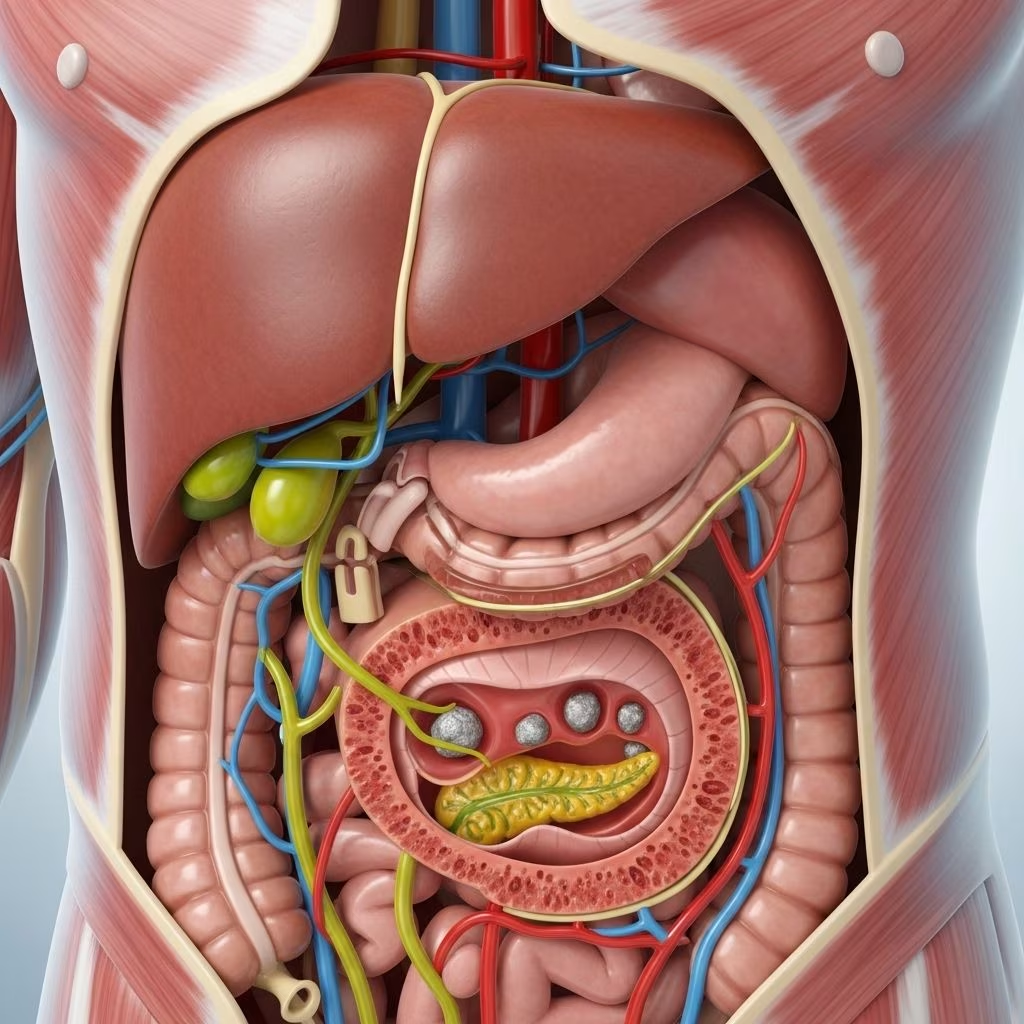
Normal stool color typically ranges from light to dark brown. This coloration results from a combination of bile pigments (produced by your liver), digested food, and the breakdown of red blood cells and gut bacteria. Bile itself is a yellow-green fluid, but as it travels through your intestines it is chemically changed by bacteria and digestive enzymes, resulting in the classic brown color. However, several factors can keep stool green:
- Dietary pigments (like chlorophyll)
- Rapid transit time (e.g., diarrhea)
- Altered gut bacteria balance (from antibiotics or infections)
Common Causes of Green Poop
Let’s break down the most frequent reasons your stool might shift from brown to green.
1. What You Eat
- Leafy Greens: Vegetables like spinach, kale, and broccoli are loaded with chlorophyll—the green pigment in plants—which can impart a green hue to your poop, especially if you consume them in large quantities.
- Green Food Coloring: Artificial coloring in candies, ice cream, drinks, cake frosting, and even green beer may pass through your digestive system and color your stool.
- Blue and Purple Foods: Surprisingly, foods like blueberries, blackberries, or purple sweet potatoes, as well as food dyes in snacks, can combine with yellowish bile and create a green effect when digested.
- Supplements: Green powders or nutritional supplements containing spirulina, chlorella, or other plant-based extracts can cause a temporary shift.
2. Bile Pigments and Digestion Speed
Bile is produced in the liver and stored in the gallbladder. After you eat, bile flows into your small intestine, playing a key role in breaking down fats.
- Normal Process: Over time, bile changes color from greenish-yellow to brown as it’s broken down in your intestines.
- Rapid Transit: When you have diarrhea, food—and bile—moves too quickly through your gut, not allowing enough time for color changes. This often results in green-colored stool.
- Post-Surgery: If you’ve had your gallbladder removed, bile moves more rapidly and less predictably, leading to changes in stool color, sometimes green.
- Fatty Diets: High fat intake (such as keto diets) can result in additional bile production, which may color stools green as well.
3. Medications and Supplements
Certain medications and supplements can directly or indirectly lead to green stool.
- Antibiotics: These can disrupt your gut’s normal bacteria balance. With fewer bacteria to break down bile and food, stool may come out green.
- Iron Supplements: Can darken stool, sometimes resulting in greenish hues.
- Antacids: Formulations with aluminum hydroxide can cause greenish stool as a side effect.
- Bismuth Subsalicylate: (Used for stomach upset and diarrhea) can react with sulfur in your system, occasionally making stool green or black.
- NSAIDs and Hormonal Medications: Drugs like indomethacin or medroxyprogesterone can affect stool color for some users.
4. Infection and Illness
- Bacterial Gastroenteritis: Infections from Salmonella, E. coli, or Campylobacter can speed up intestinal transit, resulting in green diarrhea. Additional symptoms usually include nausea, vomiting, abdominal cramps, and fever.
- Viral Infections: Norovirus and other stomach viruses may also cause rapid digestion and green-colored stool.
- Parasitic Infection: Giardia lamblii and other parasites can cause green diarrhea, especially in children.
5. Underlying Medical Conditions
- Irritable Bowel Syndrome (IBS): This chronic condition leads to changes in bowel habits, including rapid transit and green stool.
- Ulcerative Colitis: Inflammatory bowel diseases may create rapid movement through the gut, less digestion time for bile, and result in green poop during flare-ups.
- Laxative Abuse: Overuse of laxatives can cause diarrhea and greenish stool.
Green Poop in Children and Babies
Green stool is especially common among infants and children. Reasons include:
- Breastfed Babies: Often have greenish stool due to excess foremilk or changes in feeding patterns.
- Formula and Solid Foods: Iron-fortified formulas and starting solids (such as leafy veggies or multicolored baby foods) may result in green poop.
- Fast Transit: Diarrhea moves digestion right along, causing green stools from bile.
When You Should Be Concerned
Though most causes of green stool are harmless, pay attention to your symptoms and overall health. Seek medical advice if you notice:
- Green poop lasting longer than a few days without an obvious dietary or medication cause
- Other colors, such as black, red, or pale stools, which may indicate bleeding or liver problems
- Persistent abdominal pain, fever, or dehydration
- Vomiting, severe diarrhea, or weight loss
- Underlying medical conditions (such as IBD) flare up in tandem with color changes
What To Do If Your Poop Is Green
- Review Your Diet: Remember anything green, blue, or artificially colored in recent meals or snacks.
- Look at Medication/Supplement Use: New antibiotics, iron, or other drug changes?
- Monitor Duration: How many days has your stool been green?
- Check for Additional Symptoms: If you experience pain, fever, or blood in your stool, call your doctor.
- Stay Hydrated: Especially if you have diarrhea.
Expert Advice: When to See a Doctor
| Situation | Recommended Action |
|---|---|
| Green stool with recent dietary changes | Monitor for a few days. Usually resolves on its own. |
| Green stool plus abdominal pain, fever, or vomiting | Seek prompt medical attention. |
| Green stool after starting new medication | Review medication list; consult doctor if concerned. |
| Persistent green stool (over a week) with no obvious cause | Contact your healthcare provider. |
Green Poop and Gut Health
Bacteria in your gut play a critical role in coloring your stool and keeping digestion running smoothly. If medications, illness, or a sudden dietary change disrupt this balance, stool color is often affected. To help maintain or restore good gut health:
- Eat a diverse, fiber-rich diet including vegetables, whole grains, and fermented foods like yogurt or kefir.
- Consider probiotics after antibiotics (with your doctor’s guidance).
- Avoid overuse of laxatives or unnecessary medications.
Green Poop Myths and Misconceptions
- Myth: Green poop is always cause for alarm.
Fact: It’s very often related to diet or medications and is harmless in most cases. - Myth: Only green foods cause green stool.
Fact: Blueberries, purple sweet potatoes, and blue snack foods can also turn your stool green. - Myth: Green poop means you have an infection.
Fact: Infections can cause green stool, but so can many other non-infectious causes. - Myth: All color changes are dangerous.
Fact: While black or bright red stool may indicate bleeding, green is rarely a sign of something critical.
Frequently Asked Questions (FAQ)
Q: Is it normal to have green poop every once in a while?
A: Yes. Occasional green stool is usually nothing to worry about, often the result of what you’ve eaten or a brief change in digestion.
Q: Can antibiotics cause green stool?
A: Yes. Antibiotics—especially strong ones—can disrupt your gut flora, making your stool green until bacteria levels rebalance.
Q: Should I worry about green poop after eating junk food or fast food?
A: Probably not. Many processed foods and snacks contain artificial dyes and additives that can color your poop for a day or two. If symptoms persist or accompany other signs of illness, consult your doctor.
Q: Can stress cause green stool?
A: Indirectly, yes. Stress can trigger diarrhea or rapid digestion, causing green stool due to undigested bile.
Q: When is green stool a sign of a medical problem?
A: If green stool comes with persistent pain, vomiting, fever, dehydration, or blood, or lasts for several days without an obvious cause, seek medical advice promptly.
Quick Tips for Healthy Digestion
- Eat plenty of fiber from various fruits and vegetables.
- Drink enough water each day to stay hydrated.
- Introduce probiotics (like yogurt or kefir) after antibiotics, with your doctor’s approval.
- Limit excessive food coloring and dyes in snacks and drinks.
- If you notice persistent, unexplained color changes, check with your healthcare provider.
Takeaway: Color Is Information, Not a Diagnosis
If your poop turns green, don’t panic. The color of your stool offers clues about digestion, diet, and overall gut health—but by itself, usually doesn’t mean anything serious. Stick to a healthy diet, monitor for symptoms, and talk to your doctor if you’re concerned. Understanding what’s normal for your body is key to maintaining great digestive health.
References
- https://www.tuasaude.com/en/what-can-cause-green-poop/
- https://www.vinmec.com/eng/blog/why-your-poop-is-green-7-possible-causes-en
- https://www.nm.org/healthbeat/healthy-tips/green-poop-whats-going-on
- https://www.medicalnewstoday.com/articles/311377
- https://www.manhattangastroenterology.com/why-is-my-poop-green/
- https://www.goodrx.com/well-being/gut-health/why-is-my-poop-green
- https://www.narayanahealth.org/blog/green-poop-meaning-6-possible-causes