Why Pink Eye Can Return After Antibiotic Treatment
Pink eye (also called conjunctivitis) is a frequent eye condition, recognized by eye redness, irritation, and discharge. Though usually treatable, some people notice their symptoms come back after completing an antibiotic regimen. This article explains why pink eye can recur after antibiotics, the types of conjunctivitis, causes of recurrence, and important next steps for effective treatment and prevention.
Understanding Pink Eye (Conjunctivitis)
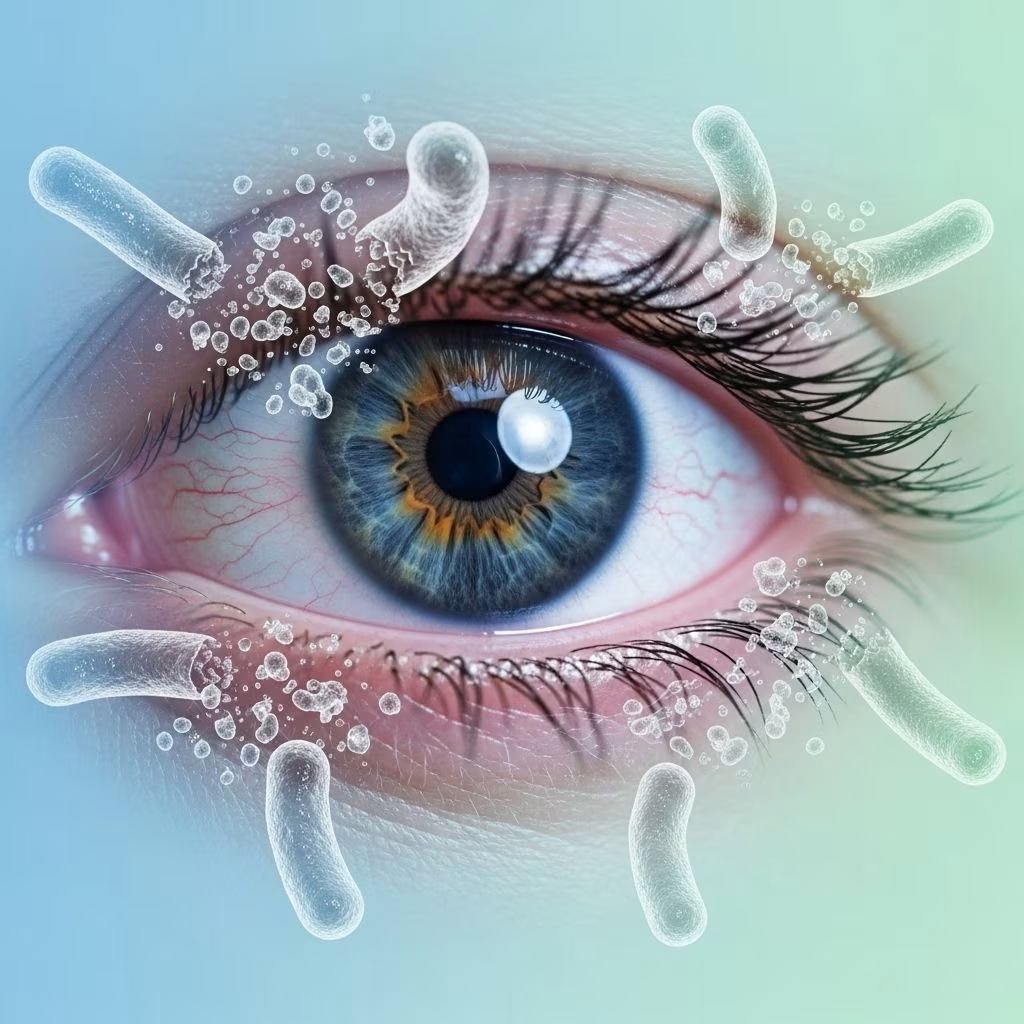
Pink eye or conjunctivitis is an inflammation of the thin, transparent membrane (conjunctiva) that lines the eyelid and covers the white part of the eyeball. The inflammation leads to symptoms that can include:
- Redness in one or both eyes
- Itchiness or burning sensation
- Tearing or watery discharge
- Crust or thick discharge—especially upon waking
- Sensitivity to light
- Swollen eyelids
Pink eye can affect individuals of all ages but is especially common in children due to its contagious nature and ease of transmission in group settings.
Types of Pink Eye and Why They Matter for Treatment
| Type | Main Causes | Typical Treatment | Risk of Recurrence? |
|---|---|---|---|
| Viral Conjunctivitis | Viruses (most often adenovirus) | Supportive care (antibiotics are not effective) | High (very contagious, can persist or recur) |
| Bacterial Conjunctivitis | Bacteria (e.g., Staphylococcus aureus, Streptococcus pneumoniae) | Antibiotic drops/ointments | Moderate (reinfection possible if not fully cleared or re-exposed) |
| Allergic Conjunctivitis | Allergens (pollen, dust mites, pet dander) | Antihistamines, avoiding triggers | High (recurs with exposure to allergens) |
| Chemical/Irritant Conjunctivitis | Irritants (chlorine, pollutants, fumes) | Remove irritant, supportive care | Possible (with repeated exposure) |
Antibiotics only treat bacterial conjunctivitis. They are not effective against viral, allergic, or irritant-induced pink eye. This distinction is crucial when symptoms return after antibiotics.
Reasons Pink Eye May Come Back After Antibiotics
Recurrence of conjunctivitis after antibiotic treatment is common for several reasons:
- Incorrect Diagnosis: If the pink eye was actually viral or allergic in origin, antibiotics have no effect. Once the antibiotics are finished, the viral or allergic irritation can persist or return.
- Reinfection: Pink eye is highly contagious. Patients can be reinfected by contact with contaminated objects, surfaces (like towels or pillowcases), or from close contact with others who have the infection, especially in households and schools.
- Incomplete Course of Antibiotics: Not using the full prescribed course can allow some bacteria to survive, leading to a lingering or recurrent infection.
- Antibiotic Resistance: Less commonly, bacteria may not respond to the prescribed antibiotics, requiring a change in medication.
- Underlying Risk Factors: Ongoing exposure to allergens, irritants, or poor hygiene (especially with contact lenses) can trigger new or continued episodes.
Common Causes and Risk Factors for Recurring Pink Eye
- Viral infections: The most frequent form of pink eye, especially in outbreaks, is viral. These can persist, migrate from one eye to the other, and easily spread among families or classrooms. Antibiotics offer no benefit for viral conjunctivitis.
- Bacterial infections: High risk if prior hygiene was poor, or if someone uses contaminated eye makeup or contact lenses. Reinfection can easily occur if bacteria linger in household items.
- Allergens: Repeated exposure to dust, pollen, pet dander, or certain chemicals can trigger new allergic reactions, causing the conjunctiva to become inflamed repeatedly.
- Environmental irritants: Smoke, pollutants, pool chlorine, and fumes can all irritate the eye’s surface and lead to recurring symptoms.
- Contact lens use: Poor cleaning habits, overnight wear, or expired solutions foster bacteria/fungi growth and elevate the risk of persistent or recurring infection.
Signs Your Pink Eye May Not Be Bacterial
If your pink eye does not improve after several days of using antibiotic drops as prescribed, or you complete a course but the symptoms recur, consider the following possibilities:
- Watery discharge, rather than thick pus (suggests viral or allergic origin).
- Other family members or classmates have similar symptoms (viral or allergic pink eye spreads rapidly).
- Symptoms worsen or change, such as severe pain, vision changes, or light sensitivity (suggests a more serious cause that needs prompt medical evaluation).
How Pink Eye Spreads and Why Recurrence is Common
Pink eye is extremely contagious. It spreads by:
- Direct contact: Touching infected eye secretions and then touching your own eye
- Contaminated surfaces: Towels, pillowcases, washcloths, makeup, or shared personal items
- Airborne respiratory droplets: Sneezing or coughing near others (mainly for viral conjunctivitis)
This makes it very easy to transmit among children, families, classrooms, daycare centers, and crowded environments. Even after symptoms resolve, residual viral or bacterial particles on objects can lead to repeated infections if strict hygiene is not maintained.
Why Antibiotics Sometimes Fail for Pink Eye
- Mistaken cause: Viral conjunctivitis is by far the most common type and does not respond to antibiotics at all.
- Improper or incomplete use: Stopping antibiotics too soon or incorrect application can leave bacteria surviving, allowing resurgence.
- Presence of resistant germs: Rarely, bacteria are resistant and require a different antibiotic.
- Co-occurring eye issues: Blepharitis (eyelid inflammation), dry eye, or eyelash/eyelid infections may go untreated, leading to recurrence.
Preventing Recurrent Pink Eye
To minimize the risk of recurrence, follow these practical steps:
- Avoid touching and rubbing eyes.
- Wash hands frequently with soap and water, especially before and after applying eye drops or ointment.
- Do not share towels, washcloths, pillowcases, or cosmetics. Launder contaminated fabrics in hot water.
- Practice good contact lens hygiene: Clean, store, and replace lenses as recommended; never sleep in lenses unless approved by your eye doctor.
- Clean and disinfect surfaces that may be contaminated.
- Discard old or contaminated eye makeup.
- Keep allergy triggers and irritants under control: Use air purifiers, close windows during high pollen times, and avoid toxic chemicals.
Effective Treatments for Persistent Pink Eye
- Viral conjunctivitis: Supportive care (cool compresses, artificial tears). Symptoms usually resolve in 1–2 weeks, but can last longer.
- Bacterial conjunctivitis: Continue prescribed antibiotics for the full recommended course, even if symptoms improve quickly. See your doctor if there’s no improvement after several days.
- Allergic conjunctivitis: Antihistamine/decongestant drops, oral antihistamines. Avoid known triggers as much as possible.
- Severe or chronic cases: May require prescription anti-inflammatory or steroid eye drops—never use these without medical supervision.
When to See a Doctor
Contact an eye care professional if you experience:
- Symptoms that don’t improve after a week of treatment
- Worsening eye pain, vision changes, or sensitivity to light
- Recurrent or chronic pink eye without clear cause
- Signs of a more severe eye infection (e.g., thick pus, swelling, fever)
Specialists can run tests to determine whether you have a bacterial, viral, or allergic conjunctivitis and prescribe the most appropriate treatment based on your individual case.
Frequently Asked Questions (FAQs)
Q: Why do my pink eye symptoms return after antibiotics?
A: The most common reasons are either an incorrect diagnosis (for example, if your pink eye is viral or allergic instead of bacterial), or reinfection due to lingering germs or poor hygiene. If this continues, get re-evaluated by your doctor.
Q: How can I tell if my pink eye is viral, bacterial, or allergic?
A: Viral pink eye usually causes watery discharge and may follow a respiratory illness. Bacterial conjunctivitis often creates thick, yellow/green discharge. Allergic conjunctivitis is often itchy, affects both eyes, and is seasonal or associated with allergen exposure. Only a medical exam can be definitive.
Q: Can overusing antibiotics for pink eye be harmful?
A: Yes. Using unnecessary antibiotics (especially for non-bacterial cases) raises the risk of antibiotic resistance, may cause irritation, and does not speed up recovery.
Q: What are the best ways to prevent recurring pink eye at home or at school?
- Wash your hands often, especially after touching your eyes.
- Do not share towels, linens, or makeup.
- Keep your living and work spaces clean.
- Disinfect surfaces, especially if someone at home has pink eye.
- Replace or throw away items that could harbor infectious agents (like old mascara or eye drops).
Q: When should I avoid contact lenses during conjunctivitis?
A: Always stop wearing contact lenses at the first sign of pink eye. Only resume after your doctor clears you and instructs how to properly sterilize or replace your contacts and cases.
Key Takeaways
- Pink eye returning after antibiotics is usually due to incorrect diagnosis, reinfection, or unmet underlying risk factors.
- Antibiotics work only for bacterial conjunctivitis. Viral and allergic pink eye will not respond to these medications.
- Persistent or recurring conjunctivitis needs proper diagnosis and targeted treatment. Practice strict hygiene, avoid allergens and irritants, and consult a doctor if you aren’t improving.
- If in doubt, always seek medical advice, especially for children, those with vision changes, or symptoms that persist longer than 7–10 days.
References
- https://www.mdeyecarecenter.com/blog/why-do-i-keep-getting-conjunctivitis
- https://www.harlemvista.com/blog/why-do-i-keep-getting-pink-eye
- https://www.specsavers.com.au/help-and-faqs/why-does-my-conjunctivitis-keep-coming-back
- https://my.clevelandclinic.org/health/diseases/pink-eye-conjunctivitis
- https://www.healthline.com/health/eye-health/pink-eye-getting-worse-with-drops
- https://pmc.ncbi.nlm.nih.gov/articles/PMC4049531/
- https://www.cdc.gov/conjunctivitis/treatment/index.html