Why Wellness Communities Are the Next Big Real Estate Trend
Imagine living in a neighborhood where your daily environment encourages both physical and mental well-being, offers access to nature, delivers fresh food to your doorstep, and provides ample opportunities to connect with your neighbors. This is the vision behind wellness communities—a transformative concept in real estate that has quickly gained momentum across the United States and around the globe.
What Is a Wellness Community?
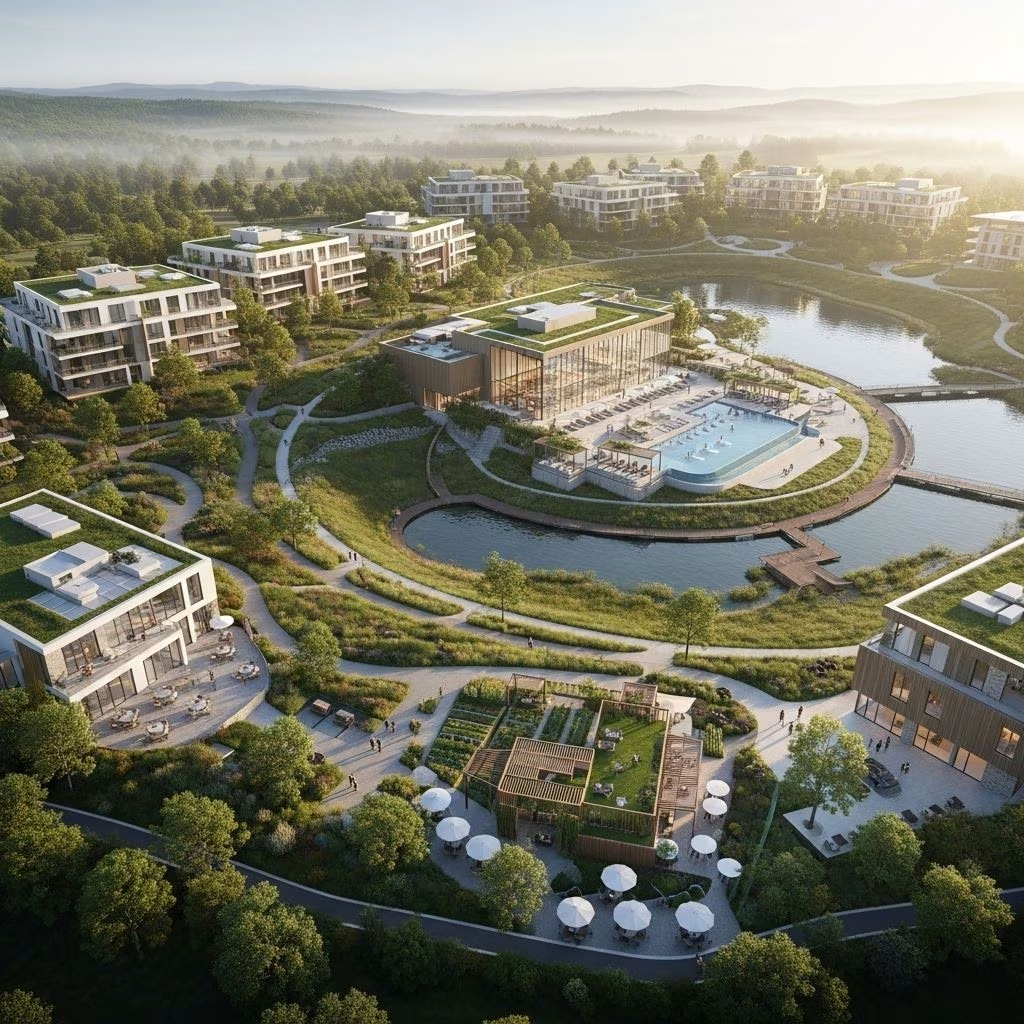
A wellness community is a residential development that consciously integrates health-focused amenities, communal spaces, and sustainability features to support residents’ overall well-being. These communities fuse the best aspects of urban and rural life—offering natural surroundings, vibrant neighborly spirit, and a range of facilities designed to make healthy living easy and enjoyable.
- Access to nature, open spaces, and trails
- On-site wellness amenities like spas, yoga studios, and fitness centers
- Fresh, locally grown or organic food options
- Strong communal bonds and social programming
- Eco-friendly and sustainable infrastructure
The Surge of Wellness-Oriented Developments
Once a niche idea, the wellness community movement has seen exponential growth. According to Facts and Factors, the global wellness real estate market—which includes residential communities and wellness hotels—is projected to reach $863.9 billion by 2028, surging from $279.4 billion in 2021. From small towns to urban enclaves, developers and residents alike are redefining what it means to thrive at home.
Why Are People Drawn to Wellness Communities?
- Health-Centric Design: Environments intentionally encourage physical activity, nutritious eating, and stress reduction.
- Sense of Belonging: Social programs and shared spaces foster genuine connections among residents.
- Nature Integration: Easy access to green areas, parks, lakes, and farms makes outdoor recreation part of daily life.
- Sustainability: Advanced energy-saving technologies and eco-friendly practices attract mindful buyers.
Signature Wellness Communities Making Headlines
Serenbe: The Blueprint for Balanced Living
Located just 40 minutes from Atlanta, Serenbe is a pioneering wellness community that epitomizes the laid-back, wholesome lifestyle many now seek. “Serenbe combines access to undisturbed nature with the qualities of a small town, like truly knowing your neighbors,” explains cofounder Steve Nygren. Residents enjoy:
- A 25-acre organic farm providing weekly farmers’ markets and edible landscaping (think blueberry bushes lining the sidewalks)
- Wellness amenities such as spas, physical therapy, and lakeside relaxation
- Architecturally harmonious condos, cottages, and estate homes
- Active programs for families of all ages
Serenbe’s success has proven that thoughtfully designed wellness-oriented neighborhoods can flourish outside of large metropolitan areas while retaining both exclusivity and genuine community ties.
Lake Nona: Urban Wellness Redefined
Lake Nona in Orlando, Florida, is a wellness-driven neighborhood boasting:
- Over 24,000 diverse residents
- High-quality schools and fitness centers
- Healthy eateries and community gardens
- ‘Move Nona’—an autonomous shuttle system for easy, walkable transit
By blending innovation with well-being, Lake Nona showcases how large-scale developments can prioritize health, mobility, and environmental stewardship.
Agrihood: Farming for All Ages
Situated in Santa Clara, CA, Agrihood is an affordable housing community built especially for seniors and veterans, currently serving 225 residents. It features:
- A working urban farm offering fresh produce to all residents
- Personal planter boxes for those who wish to grow their own vegetables
- A supportive environment for the nation’s most vulnerable populations
Vince Cantore, vice president of Agrihood, emphasizes, “This project is specifically catered toward some of the most vulnerable populations…and provides them with more than just housing—opportunities that promote physical and mental well-being.” It took over a decade to realize, highlighting the perseverance needed to build sustainable, inclusive wellness communities at scale.
Rancho Mission Viejo: Community in Nature
With stunning natural vistas, Rancho Mission Viejo in California gives 12,000 residents opportunities to engage in:
- A full calendar of wellness events
- Extensive hiking trails weaving through native terrain
- Community farms and volunteer opportunities
Amaya Genaro, vice president of community services, notes, “The pandemic made people more aware of how important well-being is…Residents have come to expect community amenities and programs to help maintain their health in the place where they are spending the most time—at home.”
The Wellness Community Lifestyle: Key Features
While every wellness community is unique, successful models share certain core elements that differentiate them from traditional residential developments:
- Abundant Green Space: Trails, parks, gardens, and natural preserves are integrated into the daily landscape.
- Shared Amenities: Residents have access to fitness centers, spas, therapy studios, meditation spaces, and pools.
- Health-Oriented Programming: Events and workshops revolve around fitness, nutrition, mindfulness, and continuing education.
- Farm-to-Table Living: In some communities, onsite farms and farmers’ markets supply ultra-fresh produce.
- Smart Home and Sustainability Features: Energy-efficient homes, water filtration systems, and green building materials are standard.
- Active Social Life: Clubs, classes, and volunteer programs nurture relationships and shared purpose.
Unique Design Philosophies
Teri Slavik-Tsuyuki, founder and co-chair of the Global Wellness Institute’s Wellness Communities and Real Estate Initiative, states: “Wellness is the new ‘why,’ meaning people today are making home and community purchase decisions related to wellness.” Designs often prioritize:
- Walkability: Easy strolls to shops, cafes, and recreational spaces
- Accessibility: Public spaces and programs for all ability levels and age groups
- Integration with local ecosystems: Communities built to enhance rather than disturb the surrounding environment
What Are Homebuyers Looking For?
The America At Home study provides a clear snapshot of current housing desires:
- 58% of homebuyers and renters seek nature access and open-space activities
- 48% want large parks close by
- 43% value walkability to cafes or casual eateries
- Many desire sustainable features like energy and water conservation systems
Today’s buyer isn’t just hunting for square footage—they’re searching for meaningful connections, vibrant outdoor experiences, and ways to live more lightly on the planet.
How the Pandemic Accelerated the Trend
The COVID-19 pandemic further accelerated the shift in priorities. As Amaya Genaro of Rancho Mission Viejo describes, people became markedly more aware of their environment and how it impacts their health. With remote work and more time spent at home, the demand for holistic wellness amenities and supportive, community-focused living soared.
Wellness Communities vs. Traditional Developments
| Aspect | Wellness Community | Traditional Development |
|---|---|---|
| Design Philosophy | Prioritizes health, connection, and sustainability | Focuses on individual lots and market value |
| Nature Integration | Open green spaces, trails, farms | Parks and green areas optional |
| Amenities | Spa, gym, healthy dining, wellness programs | Basic amenities (pool, gym) if available |
| Social Connection | Events, clubs, communal spaces | Neighbor interaction left to chance |
| Sustainability | Smart homes, eco-friendly practices | Standard construction, less focus on efficiency |
Will Wellness Communities Work for You?
Whether you’re seeking tranquility, vibrant social life, or simply a healthier way to live, wellness communities now cater to a diverse range of needs and backgrounds. From multigenerational households to seniors, from remote workers to health-focused families, there’s a growing recognition that well-being starts at home—with the built environment playing a pivotal role.
Frequently Asked Questions (FAQs)
Q: What exactly makes a community a “wellness community”?
A: A wellness community is intentionally designed to support physical, emotional, and social well-being for its residents, combining features such as natural landscapes, locally sourced food, communal activities, sustainability measures, and amenities focused on healthy lifestyles.
Q: Are wellness communities only for retirees or older adults?
A: No. While some wellness communities cater to seniors, many—including Serenbe and Lake Nona—actively support families, professionals, and people of all ages. Their amenities and programming are tailored to diverse resident groups.
Q: Do wellness communities cost more than regular neighborhoods?
A: Prices vary widely, and not all wellness communities are luxury-focused. Some, like Agrihood, aim to provide affordable, inclusive housing. However, the premium amenities and sustainability features can sometimes lead to higher price points relative to traditional developments.
Q: How can I find out if a wellness community is a good fit for me?
A: Consider your lifestyle preferences—do you value nature access, social programming, health services, and sustainability? Explore the community in person, join a tour, meet residents, and evaluate how amenities and culture match your needs.
Q: Are there any potential drawbacks?
A: While most residents find these communities rewarding, individuals who prefer privacy and less social interaction might feel out of place. Additionally, some developments may have association fees or participation requirements.
Key Takeaways
- Wellness communities are designed to support holistic health, sustainability, and meaningful connection.
- These neighborhoods offer a blend of natural beauty, engaging amenities, and intentional design.
- Market growth indicates a rising demand across all demographics for healthier, more connected ways to live.
- The best wellness communities respect their natural settings and foster supportive, diverse communities.
- Anyone interested should evaluate lifestyle goals and priorities to find the right fit.
References
- https://www.goodhousekeeping.com/health/wellness/a60803558/wellness-communities/
- https://www.zinio.com/publications/good-housekeeping/5883/issues/630432/articles
- https://www.goodhousekeeping.com/health/wellness/a42178183/8-week-healthy-habits-plan/
- https://nutritiouslife.com/eat-empowered/jaclyn-london-nutritious-life/
- https://pocketmags.com/us/good-housekeeping-magazine/sep-25/articles/homesitters
- https://www.beebehealthcare.org/health-hub/beebes-center-robotic-surgery-featured-good-housekeeping-womansday
- https://www.magzter.com/en/US/Hearst-magazines/Good-House-Keeping—US/Home/
- https://www.psychologytoday.com/ca/blog/meaningfull/202206/prevention-and-good-housekeeping-say-bye-bmi