Recurring Yeast Infections: Why Do They Happen Every Month?
Experiencing vaginal yeast infections once is uncomfortable, but struggling with monthly episodes — sometimes right on schedule with your menstrual cycle — can be physically and emotionally draining. For many women, recurring vulvovaginal candidiasis (RVVC) proves to be a persistent and complex health challenge, often misunderstood and inadequately treated.
In this article, we explore the core reasons why yeast infections frequently come back, uncover what makes them so stubborn, and share practical steps to help break the frustrating cycle.
What Is a Yeast Infection?
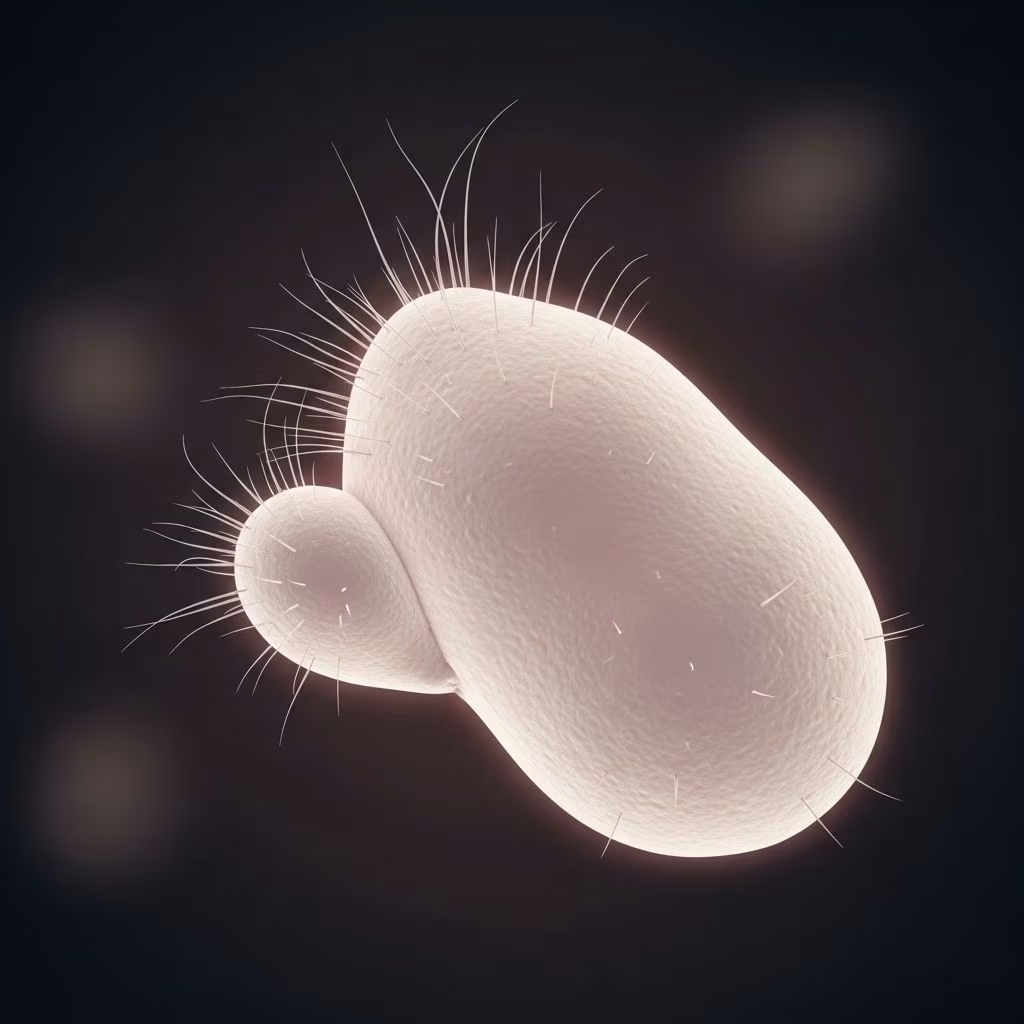
A vaginal yeast infection (vaginal candidiasis) is caused by the Candida fungus, most commonly Candida albicans. Under typical conditions, Candida lives harmlessly in the vagina, balanced by other microbes and the body’s immune defenses. Problems arise when something — such as hormonal changes, antibiotic use, or external irritants — upsets this balance, allowing the yeast to grow excessively.
Symptoms include:
- Itching, burning, or soreness around the vaginal opening
- Redness and swelling of the vulva
- Thick, white, cottage cheese-like vaginal discharge (typically odorless)
- Pain during urination or sex
- Irritated, sometimes cracked skin
Defining Recurring Yeast Infections (RVVC)
Doctors diagnose RVVC when someone experiences four or more symptomatic yeast infections within 12 months . If you get yeast infections almost monthly, this may signal an underlying issue rather than isolated bad luck.
Recurrent infections may indicate:
- Imbalances in the vaginal microbiome
- Chronic changes in your hormone levels
- Possible external or lifestyle factors
- Health conditions that affect immunity
- Non-albicans species of yeast or antifungal resistance
Is It Common To Get Monthly Yeast Infections?
While occasional vaginal yeast infections are extremely common — affecting as many as 75% of women at least once in their lives — experiencing them monthly for extended periods is not considered medical ‘normal’. If your symptoms reliably return with your menstrual cycle, after medication, or in predictable patterns, talk to your doctor for evaluation of underlying contributing factors.
Main Causes of Monthly Yeast Infections
Understanding what drives persistent yeast overgrowth is critical for getting targeted relief. The following are the most common factors:
1. Hormonal Fluctuations
- Menstrual cycle changes: Estrogen and progesterone rise and fall through the month, disrupting the vaginal ecosystem. Estrogen in particular makes Candida more aggressive and harder to control, which may explain why some women notice outbreaks before their periods or during pregnancy .
- Oral contraceptives: Birth control pills containing estrogen can contribute to yeast growth; switching methods may help reduce recurrence for sensitive individuals.
- Pregnancy and menopause: Hormonal swings during these life stages also make the vagina more yeast friendly.
2. Antibiotics and Medications
- Broad-spectrum antibiotics kill both harmful and healthy bacteria in your body, sometimes allowing Candida to flourish unchecked .
- Certain immunosuppressive drugs or steroids may reduce your body’s defense against yeast.
3. Lifestyle and Hygiene Habits
- Using scented soaps, sprays, or douches can disrupt the vaginal microbiome and irritate sensitive tissue.
- Wearing tight, non-breathable clothing or synthetic underwear increases moisture and warmth, promoting yeast growth.
- Regular sexual intercourse may transmit or trigger recurrent infections for some individuals .
4. Chronic Health Conditions
- Poorly controlled diabetes, which raises vaginal sugar and helps yeast thrive .
- Immune system disorders, including HIV/AIDS, reduce the body’s ability to keep yeast in check .
5. Resistant or Non-Albicans Candida Species
- Most yeast infections are caused by Candida albicans, but persistent cases may feature more resistant species (e.g., Candida glabrata or Candida krusei), which don’t respond to standard antifungal medications .
- Incomplete clearing of a previous infection can leave the door open for recurrence.
Symptoms of Monthly Yeast Infections
The hallmark symptoms of yeast infections often repeat, making each episode distressingly familiar:
- Persistent or recurring vaginal itching and irritation
- Burning sensations during urination or sexual activity
- Thick, clumpy, white discharge
- Swelling or redness in vulvar areas
- Cracked skin or raw vaginal tissue
- Symptoms that resolve after treatment but return within weeks or monthly cycles
If these symptoms happen more than four times a year, it is labeled as recurrent. Persistent symptoms after medication may also point to resistant strains or a missed alternative diagnosis.
Diagnosis: Finding Out What’s Really Happening
Proper diagnosis requires collaborating with your healthcare provider. Your doctor may:
- Ask detailed questions about your symptoms, cycles, medications, and health history
- Conduct a pelvic exam and collect a sample of vaginal discharge for laboratory testing to identify the specific yeast species
- Test for other infections with similar symptoms (e.g., bacterial vaginosis, trichomoniasis)
- Check for underlying medical conditions (blood sugar levels, immunity problems)
Testing your vaginal microbiome can provide valuable insight into microbial imbalances or persistent yeast overgrowth. Specialized tests, such as the Evvy Vaginal Health Test, may be discussed when recurrence doesn’t respond to standard treatments .
Medical Treatments for Recurring Yeast Infections
Standard antifungal medicines sometimes fail to fully cure repetitive infections. The main options include:
- Oral antifungal medications (fluconazole)
- Topical antifungal creams or suppositories (miconazole, clotrimazole, terconazole)
For truly recurrent cases, treatment may be extended — up to six months or more — with weekly or monthly doses to suppress future outbreaks. Resistant infections may require non-standard medications or more specialized care .
When to Call a Doctor
- Your symptoms persist despite treatment
- You notice signs of worsening infection (fever, severe pain, discharge with odor)
- You have underlying health conditions (diabetes, immune disease)
- The infection recurs three or more times within a year
Prevention: Breaking the Cycle of Recurrence
The following steps can help minimize the risk of repeat yeast infections:
- Use only mild, unscented soaps and avoid douches, sprays, or powders near the vulva .
- Opt for cotton underwear and avoid overly tight-fitting clothes.
- Change out of wet gym clothes or swimsuits promptly.
- Manage blood sugar levels if you have diabetes; discuss adjustments to medications as needed.
- If you need antibiotics, use probiotics concurrently but check with your doctor first.
- Practice good sexual hygiene and consider lubricant or condom changes if you suspect sensitivities.
- Avoid hot tubs or prolonged baths with perfumed products.
Routine monitoring of your vaginal microbiome may sometimes be recommended for persistent cases or patterns tied to hormonal shifts, medication, or external irritants.
Emotional and Quality of Life Impact
Prolonged discomfort, itching, and unpredictability of monthly yeast infections can wear on your confidence, relationships, and mental health. Many women report feeling isolated, ashamed, or dismissed by healthcare providers. Support groups, online communities, and counseling can provide validation and practical coping strategies. Remember: Your symptoms are real, and you deserve compassionate, tailored medical care.
Frequently Asked Questions (FAQs)
Q: What causes yeast infections to come back every month?
A: The most common causes include hormonal changes through your menstrual cycle, antibiotic use, underlying health issues (like diabetes), or exposure to resistant yeast strains. Lifestyle factors and hygiene products can also contribute.
Q: Are monthly yeast infections dangerous?
A: While generally not considered life-threatening, frequent infections can signal underlying health imbalances, severely impact quality of life, and warrant further medical evaluation to rule out serious causes.
Q: Can condoms or lubricants cause yeast infections?
A: Some individuals are sensitive to ingredients in condoms or lubricants, which can irritate the vaginal area and promote yeast growth. Switching brands or formulations and consulting your doctor may help.
Q: Should I use probiotics to help with yeast infections?
A: While some evidence suggests probiotics may help restore vaginal balance, they are not a substitute for medical treatment. Always discuss the use of supplements with your healthcare provider.
Q: How is RVVC different from a regular yeast infection?
A: RVVC involves four or more symptomatic episodes per year while regular infections occur less frequently. RVVC may require longer-term, more aggressive treatments and deeper investigation of root causes.
Expert-Recommended Lifestyle Tips
- Consider your cycle: Track when infections occur relative to menstruation to identify patterns that might help your doctor plan treatment.
- Talk openly with your healthcare provider: Bring a calendar of symptoms, history of treatments, and any noted triggers.
- Seek specialist care: For stubborn cases, see a gynecologist or infectious disease specialist for evaluation of rare yeast species, immune status, and advanced therapy.
- Connect with support: Peer support groups for chronic vaginal conditions can offer advice, encouragement, and resources.
Comparison Table: Regular vs. Recurrent Yeast Infection
| Feature | Regular Yeast Infection | Recurrent Yeast Infection (RVVC) |
|---|---|---|
| Occurrence | Once or twice per year | Four or more times per year |
| Main Causes | Antibiotics, hormonal changes, occasional imbalance | Chronic hormonal shifts, diabetes, immune disorders, resistant yeast |
| Symptoms | Itching, discharge, discomfort | Same as regular + patterns tied to cycle, poor response to standard treatment |
| Treatment | Short-course antifungal medication | Long-term suppression, species testing, care for health conditions |
| Emotional Impact | Short-term frustration | Long-term distress, decreased quality of life |
When Will There Be a Cure?
Despite ongoing research into the microbiome, antifungal resistance, and hormone-yeast interactions, there is no universal cure for RVVC yet. Treatment continues to focus on symptom management, microbiome support, and minimizing triggers. Scientists are investigating new medications and probiotics, but for now, individualized care and close monitoring remain essential.
Resources & Support
- Connect with chronic vaginitis support groups
- Explore medically reviewed educational resources online
- Ask your doctor about new or experimental therapies for persistent cases
Summary
If monthly yeast infections disrupt your life, know you’re not alone. By understanding the causes — from hormones and health conditions to hygiene and resistant yeast — you can work with your medical team to find a personalized, sustainable approach to relief and prevention. Stay proactive, seek tailored care, and advocate for your wellbeing.
References
- https://www.evvy.com/blog/why-do-i-keep-getting-yeast-infections-every-month
- https://www.webmd.com/menopause/first-line-vaginal-yeast-infection-treatments
- https://intermountainhealthcare.org/blogs/preventing-vaginal-yeast-infections-with-lifestyle-and-diet-changes
- https://www.goodhousekeeping.com/health/a38833419/monthly-yeast-infections-recurrent-vulvovaginal-candidiasis-rvvc/
- https://www.goodhousekeeping.com/yeast-infections-help/
- https://www.healthywomen.org/real-women-real-stories/healing-my-confidence-and-my-skin-from-chronic-yeast-infection
- https://www.youtube.com/watch?v=EpWY6xNp7ro