Bioprosthetic heart valves have revolutionized valve replacement surgery, offering patients more natural blood flow, fewer anticoagulation requirements, and a variety of material options. In particular, xenograft valves—made from animal tissue—are now among the most common bioprosthetic heart valve types.
In this comprehensive article, we explore what xenograft bioprosthetic heart valves are, how they work, the benefits and drawbacks, and what to expect if you need one.
What Is a Xenograft Bioprosthetic Heart Valve?
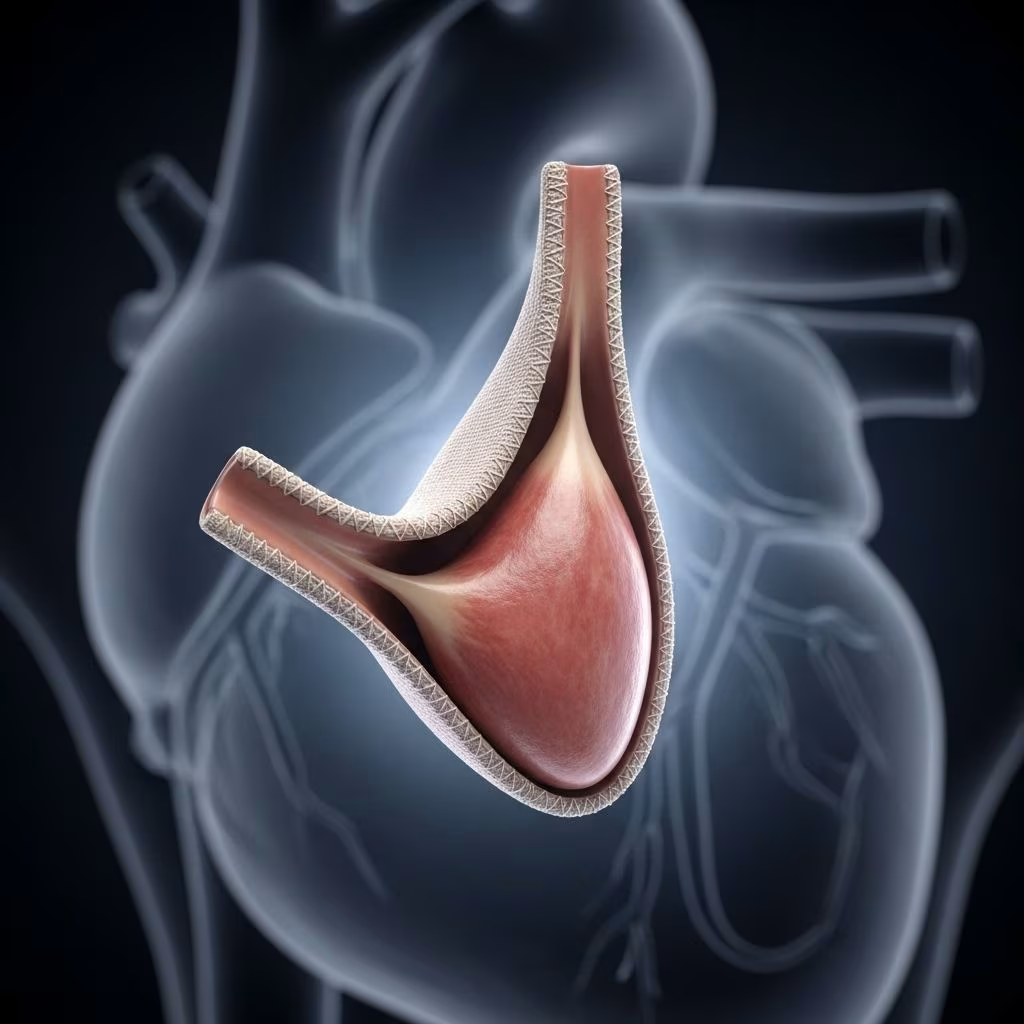
A xenograft bioprosthetic heart valve is an artificial valve created primarily from animal tissue, most often bovine (cow) pericardium or porcine (pig) heart valves. These valves are meticulously treated and structured to function effectively within the human circulatory system, replacing a diseased or damaged natural valve and restoring proper blood flow through the heart.
Xenograft valves are a subclassification of bioprosthetic (“biological”) heart valves, distinguished by their origin from another species (“xeno”).
- Bovine (cow) valves: Typically use pericardial tissue from cows, shaped into leaflets and mounted on a supporting frame.
- Porcine (pig) valves: Use the actual aortic valve from a pig, which closely resembles human anatomy and function.
Both types are chemically treated—most commonly with glutaraldehyde—to reduce the risk of immune rejection and strengthen the tissue.
Why Are Xenograft Valves Used?
Xenograft bioprosthetic heart valves are used to replace a heart valve that is diseased, malformed, or damaged. Conditions leading to heart valve replacement may include:
- Aortic stenosis (narrowed valve, impeding blood flow out of the heart)
- Aortic or mitral regurgitation (leaky valve, causing blood to flow backward)
- Calcification and degeneration of natural or previously replaced valves
- Congenital heart defects affecting valve structure or function
The main reason for selecting a xenograft valve over a mechanical or other biological option is their reduced risk of blood clot formation, typically allowing patients to avoid lifelong use of potent blood thinners like warfarin.
Types of Bioprosthetic Heart Valves
All bioprosthetic heart valves share a common goal—mimicking the function of a healthy, native valve—but they differ in origin:
- Xenograft valves: Made from animal tissues (porcine or bovine).
- Allograft (homograft) valves: Harvested from a deceased human donor.
- Autograft valves: Taken from another part of the patient’s own body (e.g., the pulmonary valve moved to the aortic position in the Ross procedure).
Xenografts are the most common, owing to availability and reliability in varied patient populations.
Materials and How Xenograft Valves Are Made
Manufacturing xenograft heart valves involves several precise steps to ensure durability and compatibility:
- Tissue Harvesting: Animal heart tissue is collected under sterile conditions, usually from pigs or cows selected for health and tissue quality.
- Chemical Treatment: The tissue is processed with glutaraldehyde, a chemical that crosslinks collagen fibers, stabilizing the tissue and preventing immune rejection as well as reducing the risk of tissue degeneration.
- Valve Formation: For porcine valves, the animal’s actual valve structure is used; for bovine valves, pericardial tissue is fashioned into leaflets and attached to a synthetic supporting frame.
- Final Assembly: Leaflets are sewn onto stents (rigid or flexible frameworks made from synthetic materials like Dacron or metal) that anchor the valve to the native annulus during surgery.
This careful process seeks a balance between valve durability and minimizing the body’s biological response to a foreign object.
Who Needs a Xenograft Bioprosthetic Heart Valve?
Valve replacement is recommended for patients suffering from severe heart valve disease that cannot be managed by repair or medication. A xenograft valve may be preferred for the following groups:
- Older adults: The valve’s functional life (10–20 years) typically matches life expectancy and provides excellent quality-of-life improvement.
- Those who cannot take long-term anticoagulants: Some patients have bleeding risks or contraindications to potent blood thinners required with mechanical valves.
- Patients prioritizing a lifestyle without regular blood tests and medication adjustments.
- People requiring minimally invasive transcatheter aortic valve replacement (TAVR/TAVI): Many transcatheter valves are manufactured from xenograft tissue for older and high-risk surgical candidates.
Xenograft vs. Mechanical Heart Valves
| Characteristic | Xenograft Bioprosthetic Valve | Mechanical Valve |
|---|---|---|
| Material | Animal tissue (porcine/bovine) | Metallic (e.g., titanium, carbon) |
| Durability | 10–20 years (may need replacement) | Lifelong (may outlast patient) |
| Clot Risk | Lower | High |
| Anticoagulation Required? | Rarely (short-term after surgery) | Lifelong |
| Noise | Silent | Clicking audible |
| Repeat Procedure? | Possible after 10–20 years | Rare unless complication |
Key Insight: While mechanical valves are more durable, xenograft valves are quieter and require less lifestyle modification for most patients.
Benefits of Xenograft Bioprosthetic Heart Valves
- More natural blood flow: Xenograft valves tend to mimic healthy valve movement (hemodynamics).
- No mechanical clicking sound: Appeals to many patients sensitive to constant noise from mechanical valves.
- Low risk of blood clots: Patients usually only need blood thinners for a short period, if at all.
- Suitable for minimally invasive procedures: Many new xenograft valves can be placed using transcatheter techniques (TAVR/TAVI).
- Lower bleeding risk: Especially important for older adults or those with bleeding tendencies.
- Improved quality of life: Less monitoring and medication, with fewer dietary restrictions compared to mechanical valves.
Risks and Drawbacks of Xenograft Heart Valves
- Finite lifespan (structural valve deterioration): Most bioprosthetic valves last 10 to 20 years. Risk of needing re-operation is higher in younger patients because the valves may wear out sooner, particularly under higher stress.
- Degeneration and calcification: Over time, leaflets may stiffen or calcify, narrowing the valve (stenosis) or causing leakage (regurgitation).
- Potential for immune reaction: Chemical treatment greatly reduces but may not completely eliminate risk.
- Infection (endocarditis): As with all prosthetic valves, risk of valve infection exists, although rates are low with proper care.
- Repeat procedures possible: Especially for younger or more active patients, re-replacement may become necessary.
How Is Valve Replacement Surgery Performed?
Heart valve replacement can be performed with conventional open-heart surgery or, in select cases, through a minimally invasive transcatheter approach. Steps typically include:
- Anesthesia: General anesthesia is used so the patient is fully unconscious and pain-free.
- Surgical access: A surgeon opens the chest (sternotomy) or uses small incisions (minimally invasive techniques).
- Valve excision: The faulty or damaged valve is removed.
- Xenograft valve placement: The animal tissue valve is sewn into place or anchored via stent (in transcatheter replacement).
- Closure and recovery: The incisions are closed, and the patient is moved to intensive care for monitoring.
Minimally Invasive Techniques: Transcatheter aortic valve replacement (TAVR/TAVI) allows many older or high-risk patients to receive a bovine or porcine valve via a catheter inserted through a blood vessel in the leg or chest, without opening the chest cavity.
Recovery After Xenograft Valve Replacement
Recovery depends on several factors, including the surgical method and the patient’s overall health.
- Hospital stay: Typically, hospital recovery lasts 5–10 days for open surgery and 1–3 days for transcatheter procedures.
- Return to activity: Most people can resume normal household activities in 4–8 weeks, although full recovery may take up to 3 months. Cardiac rehabilitation is often recommended.
- Medications: Blood thinners may be prescribed for several weeks or months, but lifelong therapy is usually unnecessary for xenograft valves.
- Ongoing monitoring: Regular follow-up visits and echocardiograms are needed to check valve function long-term.
Longevity and Durability
On average, xenograft heart valves function well for 10 to 20 years. Factors impacting valve life include:
- Age: Younger patients tend to experience faster degeneration due to higher calcium metabolism and mechanical stresses.
- Valve position: Aortic valves usually last longer than mitral or tricuspid replacements.
- Patient health: Coexisting health conditions such as chronic kidney disease may accelerate valve deterioration.
- Valve design and treatment: Modern anti-calcification procedures and improvements in processing have enhanced durability.
Risks and Complications
While the procedure is considered safe, significant risks can include:
- Valve tissue degeneration/calcification leading to valve failure
- Infection (endocarditis)
- Bleeding or clot formation (rare in xenografts)
- Stroke or neurological events
- Heart rhythm abnormalities
- Reaction to anesthesia or surgical complications
Close follow-up and echocardiography are essential to detect early signs of valve failure or infection.
Frequently Asked Questions About Xenograft Heart Valves
What is a xenograft bioprosthetic heart valve made from?
Xenograft valves are made from animal tissue, usually either the aortic valve of a pig or pericardial tissue from a cow. The tissue is treated to reduce immune response and fixed onto a supporting frame for implantation.
How long do xenograft bioprosthetic heart valves last?
Most xenograft valves last 10–20 years. Younger patients may experience earlier deterioration, while older adults often find the valve’s durability matches their life expectancy.
Will I need to take blood thinners if I receive this kind of valve?
Xenograft valves usually require only short-term blood thinners after surgery. Unlike mechanical valves, lifelong anticoagulation is not typically needed.
Can I undergo MRI or other scans with a xenograft valve?
Yes. Since xenograft valves typically contain only small amounts of metal (in the support frame), most modern devices are MRI-safe. Always inform radiology staff about your heart valve.
Who should avoid a xenograft heart valve?
Younger patients may not be ideal candidates due to shorter valve lifespan and the prospect of repeat surgery. Your cardiac team will recommend the best valve choice based on your age, health, and preferences.
What are the signs of valve failure I should watch for?
Symptoms of valve failure include shortness of breath, chest pain, fatigue, new irregular heartbeats, or swelling of the legs and feet. Promptly report any such symptoms to your doctor.
Future Directions: Tissue Engineering and Improvements
Emerging research is focused on improving the longevity and function of xenograft valves. Innovations include:
- Tissue engineering: Developing valves with the ability to grow, repair, and adapt to the patient’s body.
- Next-generation anti-calcification treatments: Designed to resist stiffening and extend valve life.
- Custom-fit and minimally invasive valves: Allowing more patients to access advanced procedures like TAVR, even if traditional surgery carries excessive risk.
Takeaway
Xenograft bioprosthetic heart valves offer a natural-feeling solution for those needing valve replacement—especially older adults or patients who wish to avoid the demands of lifelong anticoagulation. While they may eventually require re-replacement, advances in design and procedural techniques mean that xenograft valves remain a highly effective and popular option in modern cardiac care.
References
- https://www.ahajournals.org/doi/10.1161/JAHA.120.018506
- https://hvpl.ok.ubc.ca/research/prosthetic-heart-valves/bioprosthetic-heart-valves/
- https://www.ncbi.nlm.nih.gov/books/NBK536987/
- https://pubmed.ncbi.nlm.nih.gov/26190838/
- https://www.frontiersin.org/journals/cardiovascular-medicine/articles/10.3389/fcvm.2019.00047/full