Overview
Zollinger-Ellison Syndrome (ZES) is a rare but significant disorder that triggers excessive production of stomach acid, leading to recurring peptic ulcers and other gastrointestinal symptoms. The root cause is usually tumors (known as gastrinomas) that secrete high levels of gastrin, a hormone that stimulates the stomach to produce acid. Understanding this syndrome’s clinical features, diagnosis, and treatment is essential for prompt and effective management, ultimately improving patient quality of life and outcomes.
What is Zollinger-Ellison Syndrome?
Zollinger-Ellison Syndrome is characterized by:
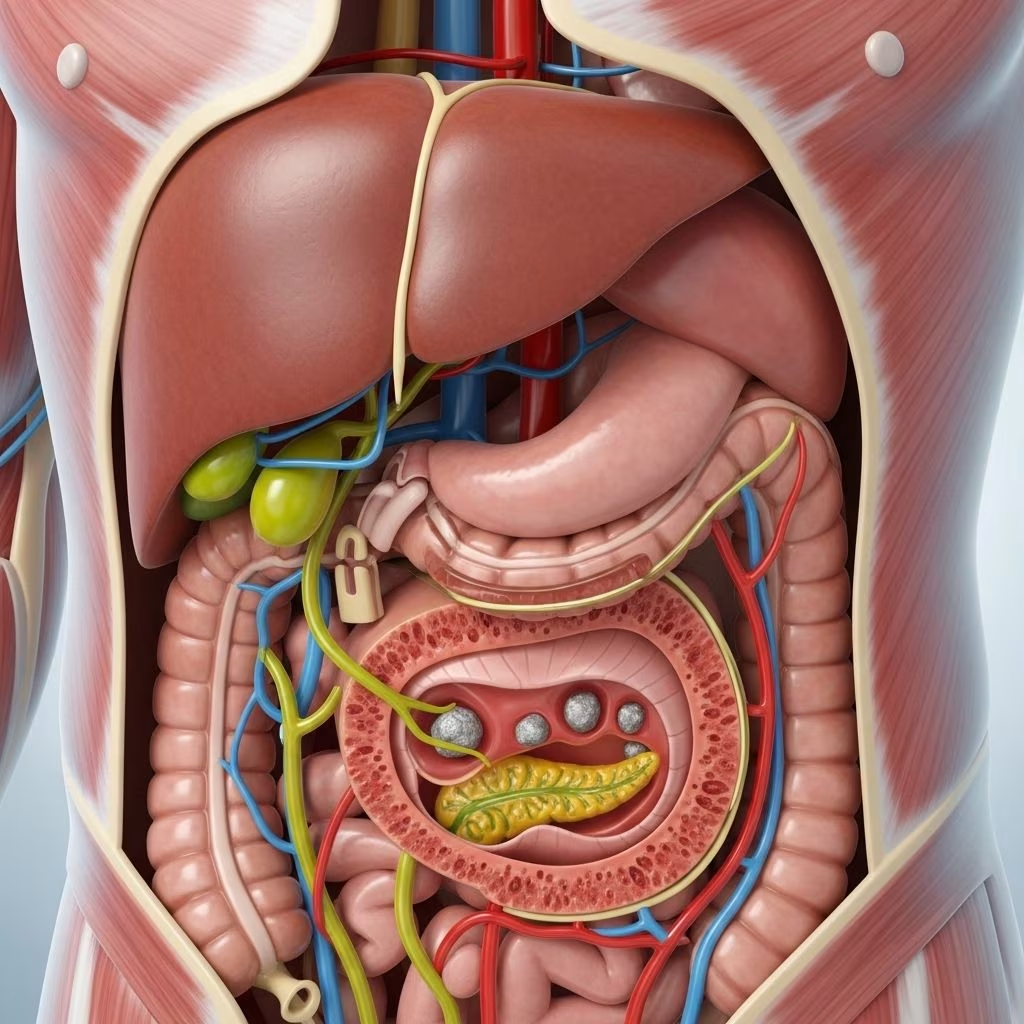
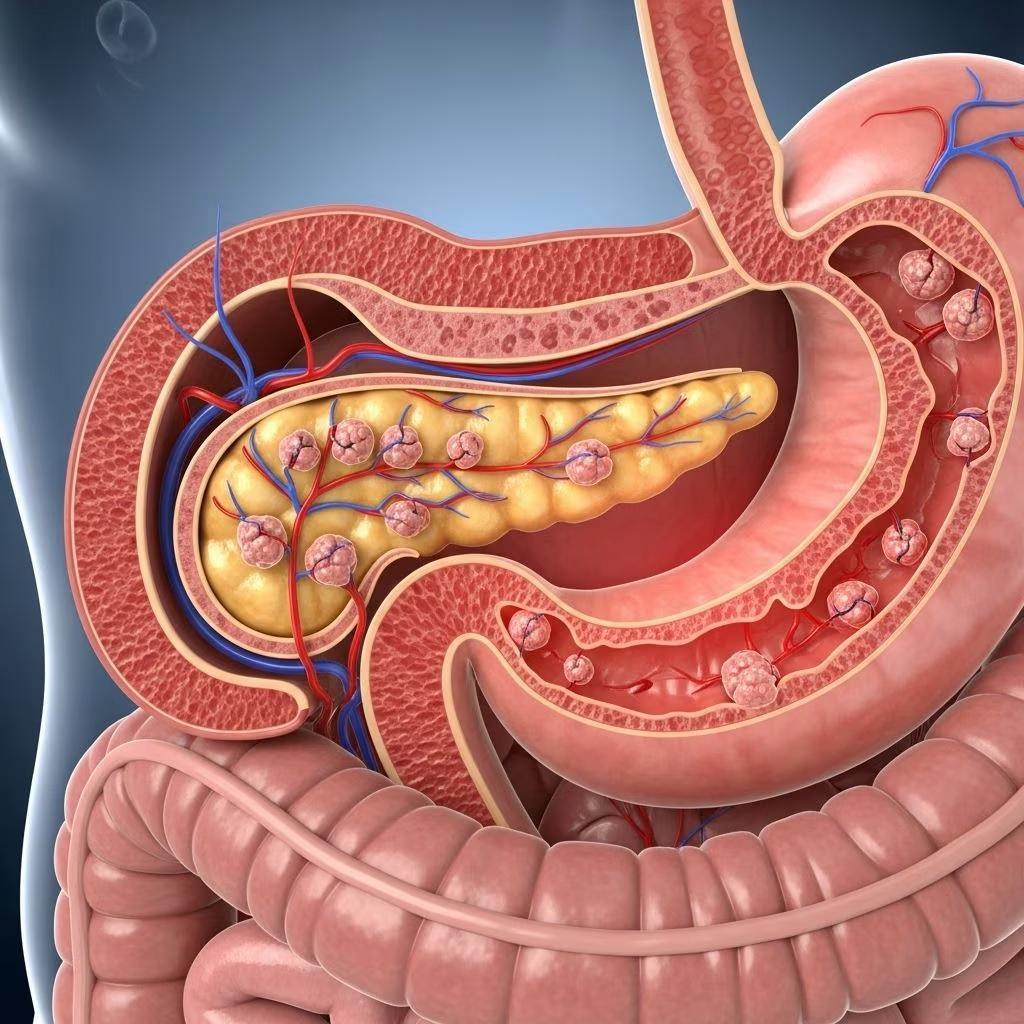
- The presence of one or more tumors (gastrinomas) located typically in the pancreas or upper part of the small intestine (duodenum).
- Overproduction of the hormone gastrin by these tumors, causing the stomach to secrete excessive acid.
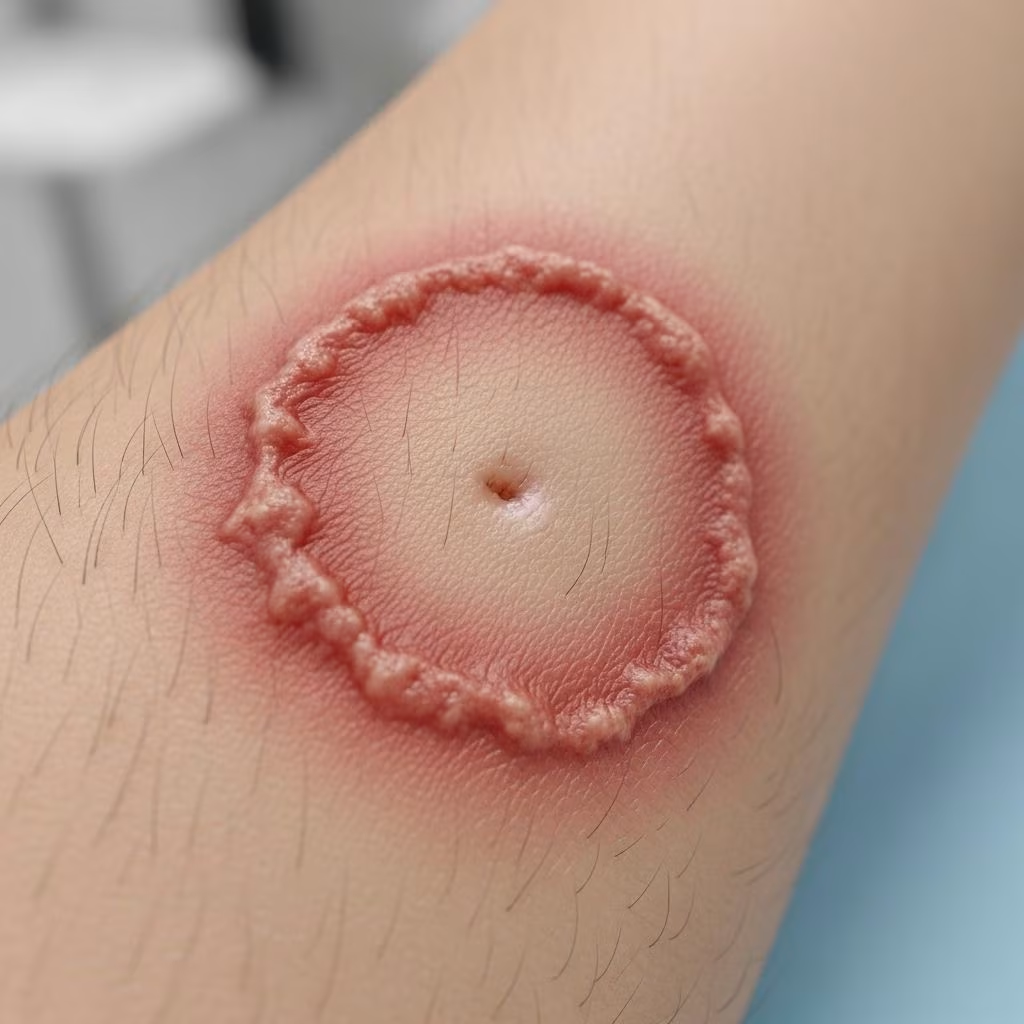
- Development of recurrent peptic ulcers, chronic diarrhea, and sometimes life-threatening complications such as gastrointestinal bleeding or perforation.
Gastrinomas may be benign or malignant (cancerous), and in many cases, tumors grow slowly. However, they can metastasize, especially to the liver and lymph nodes.
Causes
The primary cause of Zollinger-Ellison Syndrome is the development of gastrinoma tumors. The key points include:
- These tumors predominantly occur in the pancreas, duodenum, or nearby tissues.
- By excessively producing gastrin, they disrupt the normal regulation of gastric acid secretion.
- About half of single gastrinomas are malignant and may eventually spread to the liver and nearby lymph nodes.
- Some people develop several gastrinomas as part of multiple endocrine neoplasia type I (MEN1), a hereditary syndrome that also involves tumors in the parathyroid and pituitary glands.
Key Risk Factors
- Personal or family history of MEN1
- Previous history of peptic ulcers that are resistant to standard therapy
- Other endocrine tumors
Symptoms
The syndrome’s hallmark is chronic, severe peptic ulcer disease that often resists standard ulcer therapies. Additional symptoms include:
- Abdominal pain: Persistent or burning pain in the upper abdomen is a common early sign.
- Diarrhea: Steatorrhea (fatty, loose stools) can occur when acid disrupts fat digestion.
- Gastroesophageal reflux: Frequent heartburn or regurgitation of acid (often unresponsive to typical medications).
- Nausea and vomiting: Sometimes with blood if ulcers bleed.
- Unintentional weight loss: Owing to chronic diarrhea, poor absorption, or pain-induced appetite loss.
- Loss of appetite: Often accompanying pain and gastrointestinal distress.
- Gastrointestinal bleeding: Occasionally presenting as vomiting blood or black, tarry stools if ulcers erode into blood vessels.
Other symptoms may include: frequent burping, unexplained fatigue, and signs of severe esophagitis due to excessive acid reflux.
When To Seek Medical Care
Consult a healthcare professional immediately if you experience:
- Persistent abdominal pain that does not resolve with antacids or medications
- Nausea and vomiting (especially if vomiting blood)
- Unexplained weight loss or loss of appetite
- New or worsening diarrhea
Diagnosis
Diagnosing Zollinger-Ellison Syndrome requires a thorough clinical evaluation and a combination of laboratory and imaging studies.
Diagnostic Process
- Medical History & Physical Exam: Review of symptoms and family history, especially of MEN1 or resistant peptic ulcers.
- Blood Tests:
- Fasting Serum Gastrin Level: Elevated levels are suggestive (often >10 times normal). Patients should stop acid-suppressing medications for several days before the test, as these can falsely increase gastrin levels.
- Acid Secretory Testing (Gastric pH): Used to confirm that high gastrin levels are accompanied by low gastric pH (high acidity).
- Secretin Stimulation Test: Measures how gastrin levels respond to secretin. In ZES, gastrin levels rise significantly after secretin administration.
- Imaging Studies: Locating the tumors is critical for treatment planning. Tests may include:
- Abdominal CT scan or MRI to identify tumors in the pancreas or duodenum.
- Somatostatin receptor scintigraphy (Octreotide scan): Sensitive in detecting small tumors and metastases.
- Endoscopic ultrasound (EUS): Useful for visualizing small or deep tumors in the pancreas or duodenum.
- Additional Laboratory Tests: Calcium and parathyroid hormone measurements may be warranted if MEN1 is suspected.
Table: Common Diagnostic Tests for ZES
| Test | Purpose |
|---|---|
| Fasting Serum Gastrin | Detects elevated gastrin hormone levels |
| Secretin Stimulation Test | Confirms abnormal gastrin response |
| Gastric pH Measurement | Assesses excessive acid production |
| CT/MRI scan | Locates tumors and metastases |
| Octreotide scan | Detects both primary and metastatic gastrinomas |
Complications
If left untreated or poorly managed, Zollinger-Ellison Syndrome can lead to severe and potentially life-threatening complications:
- Chronic Peptic Ulcer Disease: Recurring, difficult-to-treat ulcers in the stomach, duodenum, and occasionally elsewhere in the digestive tract.
- Gastrointestinal bleeding: Resulting from deep or eroded ulcers.
- Perforation: An ulcer can create a hole in the stomach or intestinal wall, requiring emergency surgery.
- Gastric outlet obstruction: Swelling or scarring from ulcers can block the flow of food from the stomach to the intestine.
- Esophagitis or Esophageal Stricture: Chronic acid reflux can scar or narrow the esophagus, making swallowing difficult.
- Metastatic cancer: In cases where the gastrinoma is malignant, tumor cells may spread to the liver, lymph nodes, or other organs—leading to additional health challenges.
Treatment Options
The treatment for Zollinger-Ellison Syndrome aims to control excessive acid production, promote ulcer healing, and, if possible, remove the gastrinoma tumors. The selected approach depends on tumor characteristics (number, size, localization, spread) and the patient’s overall health.
Medical Therapy
- Proton Pump Inhibitors (PPIs): First-line therapy for reducing stomach acid production. Common PPIs include omeprazole, lansoprazole, and esomeprazole. High doses are often required, especially during the initial treatment period. Some patients require lifelong therapy.
- Octreotide: A somatostatin analog that may decrease gastrin secretion and slow tumor growth in select patients.
PPIs are generally well-tolerated. Potential side effects may include headache, diarrhea, or low vitamin B12 levels after long-term use.
Surgical Treatment
- Tumor Removal: Surgical excision of isolated gastrinomas may cure some patients, particularly if the tumors have not spread. Surgery is less often performed in those with multiple tumors or advanced spread (as seen in MEN1).
- Management of Advanced Disease: If tumors have metastasized—particularly to the liver—additional therapies such as chemotherapy, hepatic artery embolization, or targeted treatments may be needed in select cases.
Gastric surgery (gastrectomy to remove the acid-producing part of the stomach) is now rarely necessary given the effectiveness of modern acid-suppressing medications.
Management in MEN1 Syndrome
- Surgical resection is less often recommended for MEN1-related gastrinomas, especially when multiple small tumors are present, due to the increased likelihood of recurrence or residual disease.
- Larger or potentially cancerous tumors may still be surgically removed to lower the risk of spread.
Living with Zollinger-Ellison Syndrome
Although Zollinger-Ellison Syndrome can be challenging, most patients—especially those without metastatic disease—can manage the condition well with appropriate therapy. Key aspects include:
- Lifelong medical monitoring: Regular follow-up is essential to adjust medications, monitor for recurrence, and screen for complications.
- Nutritional and lifestyle adjustments: Adhering to prescribed therapies, avoiding triggers for reflux, and maintaining a balanced diet all help improve quality of life.
- Support resources: Involvement in patient support groups may provide practical advice and emotional support.
Prognosis
Prognosis in Zollinger-Ellison Syndrome varies depending on several factors:
- Benign vs. malignant tumors: Most gastrinomas grow slowly, but some are cancerous and may spread, especially to the liver or bones.
- Presence of MEN1: Patients with gastrinomas as a component of MEN1 often develop multiple small tumors, complicating surgical management, but overall survival rates are favorable when complications are managed appropriately.
- Effective acid control and ulcer healing: Lifelong PPI therapy offers significant improvements in both symptoms and risk of severe complications.
With modern therapy, including potent acid-suppressing drugs and advanced surgical techniques, life expectancy for most patients has improved significantly compared to several decades ago. However, ongoing surveillance is recommended, especially for those at risk of tumor recurrence or metastasis.
Frequently Asked Questions
Q: What causes Zollinger-Ellison Syndrome?
A: Zollinger-Ellison Syndrome is caused by gastrin-secreting tumors (gastrinomas) found most often in the pancreas or upper small intestine. These tumors trigger overproduction of gastric acid, leading to ulcer formation and related complications.
Q: Is Zollinger-Ellison Syndrome hereditary?
A: Some cases are hereditary, specifically when associated with multiple endocrine neoplasia type I (MEN1), a genetic disorder that causes tumors in multiple endocrine glands.
Q: Can Zollinger-Ellison Syndrome be cured?
A: If the responsible gastrinoma(s) can be completely removed surgically and no metastasis is present, some patients may be cured. However, most require long-term acid-suppression therapy, and ongoing surveillance is often needed.
Q: Which medications are most commonly used to manage Zollinger-Ellison Syndrome?
A: Proton pump inhibitors (PPIs) are the mainstay of therapy to control acid overproduction and prevent ulcers. Octreotide may also help decrease gastrin secretion in select patients.
Q: What are the main complications if Zollinger-Ellison Syndrome goes untreated?
A: Serious complications include chronic peptic ulcers, gastrointestinal bleeding, perforation, and, in malignant cases, metastatic tumor spread to the liver or lymph nodes.
Summary
Zollinger-Ellison Syndrome is a rare but impactful disorder stemming from gastrin-secreting tumors that drive excessive acid production and recurrent ulcers. Early recognition, accurate diagnosis, and a tailored, multidisciplinary treatment approach are crucial to minimizing complications and enhancing long-term quality of life. With modern medical advancements, many patients achieve effective symptom management and improved outcomes.
References
- https://www.niddk.nih.gov/health-information/digestive-diseases/zollinger-ellison-syndrome
- https://www.mountsinai.org/health-library/diseases-conditions/zollinger-ellison-syndrome
- https://www.uofmhealthsparrow.org/departments-conditions/conditions/zollinger-ellison-syndrome
- https://www.uclahealth.org/medical-services/surgery/endocrine-surgery/patient-resources/patient-education/endocrine-surgery-encyclopedia/zollinger-ellison-syndrome
- https://www.urmc.rochester.edu/encyclopedia/content?contenttypeid=134&contentid=209
- https://www.mayoclinic.org/diseases-conditions/zollinger-ellison-syndrome/diagnosis-treatment/drc-20379046
- https://my.clevelandclinic.org/health/diseases/17960-zollinger-ellison-syndrome
- https://www.mayoclinic.org/diseases-conditions/zollinger-ellison-syndrome/symptoms-causes/syc-20379042
- https://rarediseases.org/rare-diseases/zollinger-ellison-syndrome/