


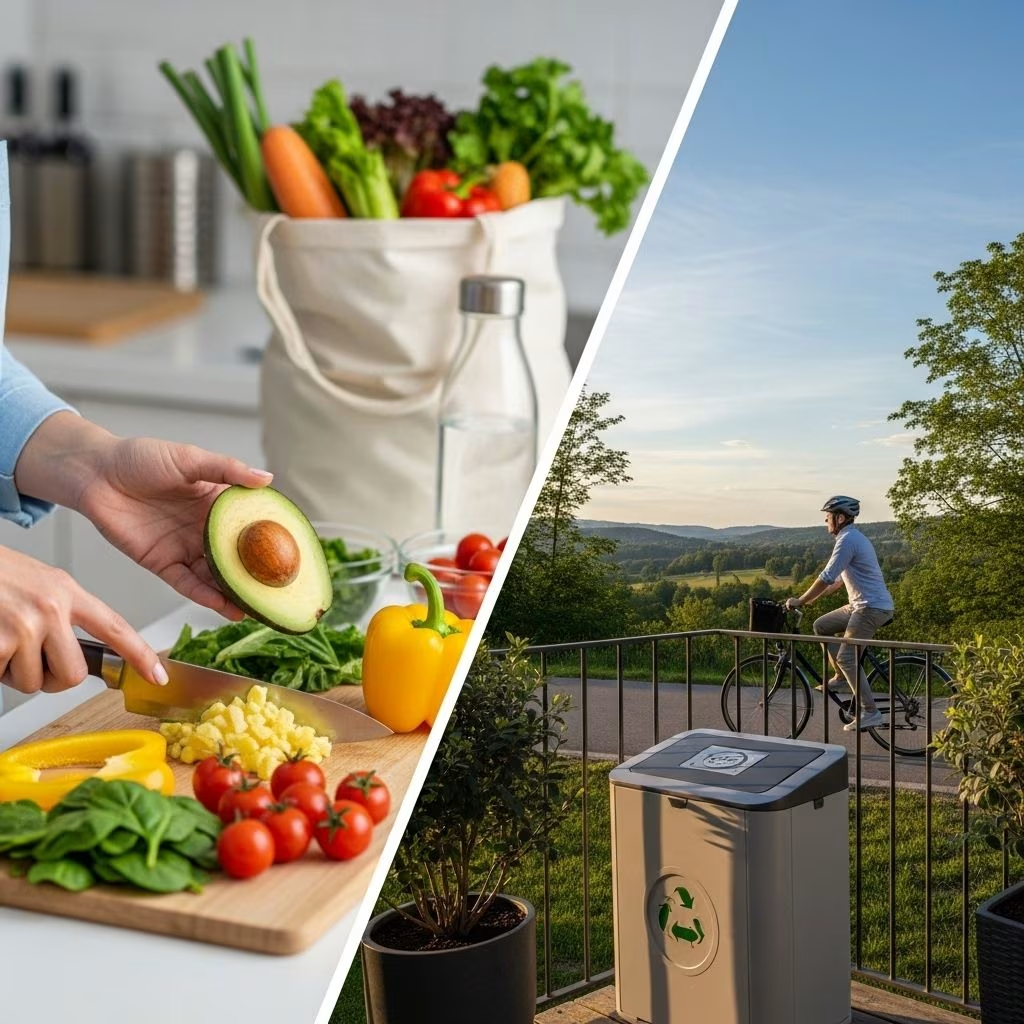
10 Weight-Loss Habits That Double as Eco-Friendly Solutions
Many popular weight-loss habits offer a unique bonus: They not only support a healthier you, but also contribute to a healthier planet. As science increasingly links personal health to environmental sustainability, making changes for your waistline may have ripple effects that benefit us all. Here are 10 weight-loss strategies that double as eco-friendly habits, spanning the food you buy to the way you move through your day.
1. Eat Less Meat and More Plants
One of the most potent shifts for your health and the planet is to reduce your consumption of meat and embrace a plant-forward diet. Animal agriculture—especially beef and lamb—produces significant greenhouse gas emissions and requires vast resources including land and water.
- Weight loss: Plant-based diets tend to be lower in calories and saturated fats, while high in fiber to promote satiety and support a healthy weight.
- Eco-friendly: Lowering meat intake lessens demand for resource-intensive livestock, thus reducing your carbon and water footprints.
Aim for Meatless Mondays or try substituting beans, lentils, and tofu in recipes you already enjoy. Even small reductions in animal products can make a cumulative difference for climate change and your weight.
2. Buy Local and In-Season Produce
Choosing fruits and vegetables from local sources and focusing on what’s currently in season makes a significant difference. Not only does this practice increase nutritional value and taste, but it also helps cut the emissions generated by long-distance food transport.
- Weight loss: Fresh, locally sourced produce inspires healthier, lower-calorie meals filled with vitamins and minerals.
- Eco-friendly: Local food systems have shorter supply chains, which reduces transportation, packaging, and spoilage—all significant sources of environmental waste.
Check out farmer’s markets or join a community-supported agriculture (CSA) program to regularly access in-season fruits and vegetables.
3. Cook and Eat at Home
Taking charge of your meals by cooking at home not only helps you control portions and ingredients but also substantially reduces packaging waste and the carbon footprint associated with takeout meals.
- Weight loss: Home-cooked meals allow for mindful portion sizing, reduced excess sodium and sugar, and avoidance of the calorie-laden traps common in restaurant food.
- Eco-friendly: Cooking at home curtails single-use plastics, takeout containers, and the transportation emissions from food delivery.
Doubling recipes and packing leftovers for lunch can further cut food waste and ensure you stick to your goals throughout the week.
4. Cut Food Waste
Food waste is both a lost personal opportunity and a massive environmental problem. When food is thrown away, it takes with it all the energy and water used to produce, transport, and package it—and releases methane, a potent greenhouse gas, in landfills.
- Weight loss: Planning meals and using leftovers helps you stick to your intended eating plan and prevents last-minute, less healthy choices.
- Eco-friendly: Reducing food waste eases demand on agriculture, shrinks landfill contributions, and conserves resources up and down the supply chain.
A few easy steps to reduce waste:
- Plan each week’s meals and create a shopping list.
- Use the oldest items in your fridge and pantry first (“first in, first out”).
- Repurpose scraps in stocks, stir-fries, or smoothies.
5. Walk or Bike Instead of Drive
Incorporating more physical activity into your daily routine not only burns calories but can also significantly curtail your carbon emissions when you choose walking or biking over driving.
- Weight loss: Everyday movement adds up—it aids in achieving the recommended 150 minutes of moderate exercise per week and helps maintain healthy weight.
- Eco-friendly: Active transport directly reduces automotive emissions, fossil fuel consumption, and urban air pollution.
If biking or walking isn’t feasible for your entire commute, consider doing it for part of the trip or running errands on foot to multiply the benefits.
6. Minimize Processed and Packaged Foods
Heavily processed and packaged foods are commonly high in empty calories, added sugars, salt, and unhealthy fats—making them a weight loss stumbling block, with an extra burden on the environment.
- Weight loss: Swapping processed snacks with whole foods like fruits, nuts, or yogurt increases satiety and nutrient density while decreasing calorie intake.
- Eco-friendly: Processed food often comes with layers of plastic packaging and energy-intensive manufacturing processes, adding to your ecological footprint.
Bring reusable produce bags when you shop and opt for bulk bins or minimally packaged options whenever possible.
7. Choose Reusable and Sustainable Foodware
What you eat with matters as much as what you eat. Single-use plates, cups, and cutlery not only generate unnecessary waste but also perpetuate a cycle of disposable convenience.
- Weight loss: Packing meals in reusable containers and using smaller plates can help with portion control and meal planning.
- Eco-friendly: Reusable containers, cutlery, and water bottles slash plastic waste, lower landfill burdens, and are often healthier than plastics that can leach chemicals into your food.
Make it a daily habit to bring your own water bottle, coffee cup, or lunch container, whether you’re headed to work, school, or a picnic.
8. Drink More (Tap) Water
Staying hydrated with water instead of sugary beverages trims calories while cutting down on the embodied energy and waste from bottled drinks.
- Weight loss: Water quenches thirst with zero calories and curbs hunger-driven snacking. Replacing soda or juice with water can dramatically streamline your daily energy intake.
- Eco-friendly: Tap water delivered via reusable bottles reduces plastic pollution and the carbon emissions from manufacturing, transporting, and recycling bottled drinks.
If you dislike plain water, jazz it up with fresh lemon, cucumber, or berries. Invest in a home filter to improve taste if needed.
9. Practice Mindful Eating
Mindful eating means tuning into your hunger cues, savoring every bite, and eating more slowly. This approach lowers calorie consumption while decreasing impulse buying (and food disposal) long-term.
- Weight loss: Breaking the autopilot cycle of overeating leads to a natural reduction in calories, plus higher satisfaction with healthy foods.
- Eco-friendly: Mindful consumers tend to plan more, waste less, and make values-based choices—supporting local markets or sustainable brands.
Try to eat at the table, turn off screens at mealtime, and put your fork down between bites to fully experience your food.
10. Share Your Habits and Inspire Change
Your positive actions can have a powerful ripple effect. Adopting healthy, eco-friendly routines not only improves your own life but also encourages family, friends, and your wider community to do the same.
- Weight loss: Social support boosts weight-loss success, while healthy habits spread organically through social networks.
- Eco-friendly: Each person influenced compounds the collective impact—shifting norms toward greener, more sustainable living.
Share plant-based recipes, walk or bike with a buddy, or organize healthy potlucks with eco-friendly themes. Small group efforts often scale up to meaningful community change.
Table: Weight-Loss Habits and Environmental Benefits
| Habit | Weight-Loss Benefit | Eco-Friendly Impact |
|---|---|---|
| Eat less meat | Lower calories, heart health, more satiety | Reduces greenhouse gas emissions |
| Buy local/seasonal | Fresher, more nutritious, fewer processed foods | Decreases transport emissions and packaging waste |
| Homemade meals | More control over portions and ingredients | Cuts disposable packaging and plastic |
| Walk/bike more | Boosts calorie burn, supports healthy weight | Cuts car emissions and fuel use |
| Minimize processed foods | Less sugar, salt, empty calories | Less packaging and energy usage |
| Reusable foodware | Portion control, prevents overeating | Reduces landfill waste |
| Hydrate with water | Aids satiety, fewer calories | Slashes bottled drink pollution |
| Mindful eating | Natural portion control, less overeating | Less food waste through better planning |
| Sharing habits | Builds a supportive environment | Inspires larger community change |
Frequently Asked Questions (FAQs)
Q: Are plant-based diets truly effective for weight loss?
A: Yes, numerous studies show plant-based diets can lower caloric intake and increase fiber, promoting satiety and sustainable weight loss. Removing or reducing animal products also supports heart health and reduces chronic disease risk.
Q: How much of a difference does reducing food waste make environmentally?
A: Substantial. Wasted food represents squandered water, energy, and labor. Cutting household food waste reduces methane in landfills—a potent greenhouse gas—and conserves resources globally.
Q: Is walking or biking enough exercise for weight loss?
A: Regular brisk walking or biking typically suffices to meet exercise guidelines for health, supporting weight loss when paired with a balanced diet. Small active choices—like walking partway—add up over time.
Q: What are simple ways to eat more mindfully?
A: Eat without screens, chew slowly, recognize true hunger cues, and stop when satisfied—not stuffed. Mindful eating leads to lower calorie intake and reduced food waste.
Q: How do I encourage friends and family to join my healthy, eco-friendly habits?
A: Lead by example, share positive results, invite others to participate (like cooking or walking together), and focus on the shared benefits for both health and the planet.
Summary
Weight-loss and environmentally friendly lifestyles are fundamentally intertwined. By adopting habits such as eating more plants, minimizing food waste, choosing local and seasonal produce, and increasing physical activity, you simultaneously invest in your health and leave a lighter footprint on the planet. Small changes, embraced collectively, can lead to broad improvements for people and the environment alike.
References
- https://pmc.ncbi.nlm.nih.gov/articles/PMC8313625/
- https://www.prevention.com/weight-loss/a20458739/weight-loss-advice-from-thinfluence/
- https://www.prevention.com/weight-loss/a43905863/lose-weight-safely/
- https://www.prevention.com/weight-loss/a20454602/weight-loss-tricks-can-benefit-the-environment/
- https://www.prevention.com/weight-loss/g24805401/fat-burning-foods/
- https://www.prevention.com/weight-loss/g20428546/9-weight-loss-traps-you-should-avoid-at-all-costs/
- https://www.prevention.com/weight-loss/g20506618/weight-loss-maintenance/
- https://www.prevention.com/weight-loss/g20490240/10-rules-to-live-by-for-long-lasting-weight-loss/
- https://www.prevention.com/weight-loss/
- https://www.cdc.gov/healthy-weight-growth/losing-weight/index.html


