


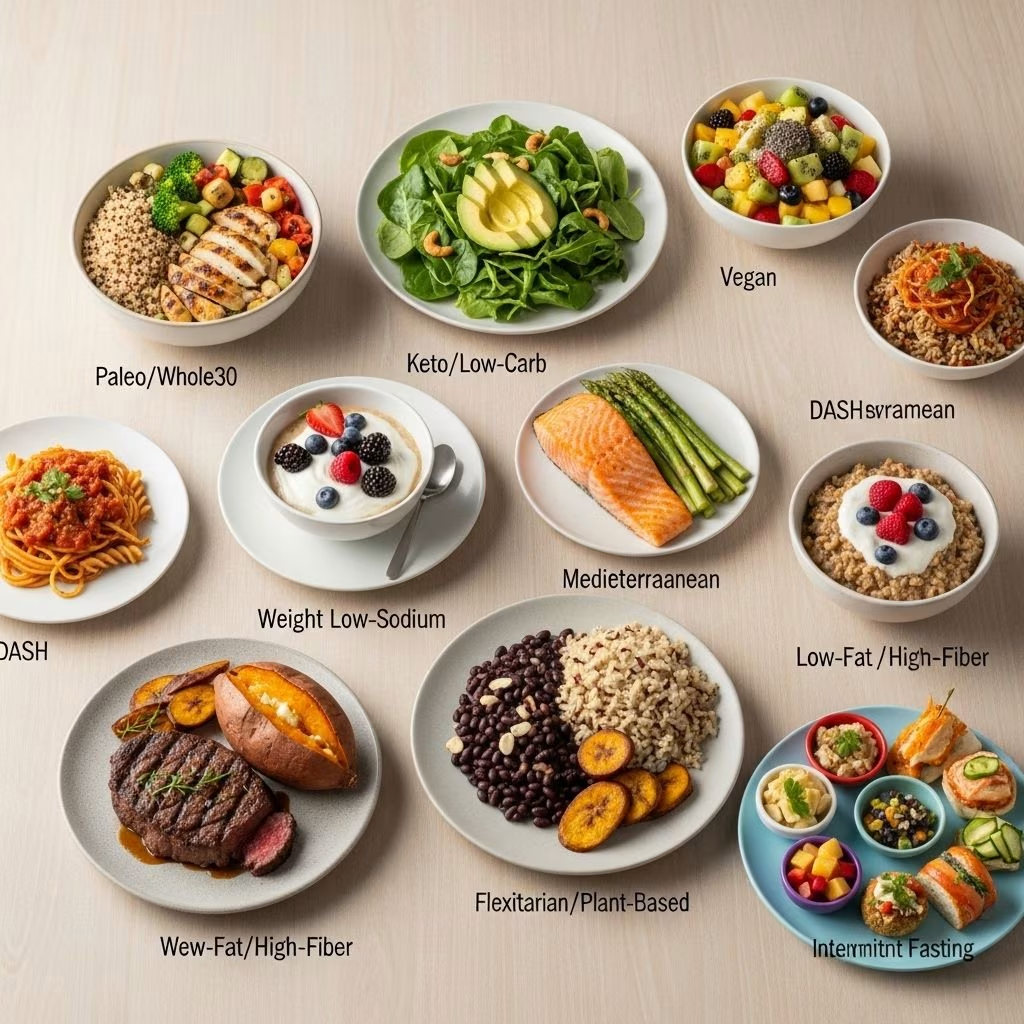
With the vast array of diet plans available today, understanding what each one entails is essential for making an informed decision. Each diet has unique principles, potential benefits, and drawbacks. This guide provides an evidence-based breakdown of 10 popular diets frequently discussed in the world of weight loss and overall health, so you can consider what best aligns with your lifestyle and goals.
Mediterranean Diet
The Mediterranean diet consistently ranks among health experts’ top choices due to its focus on plant-based foods and healthy fats. Inspired by eating patterns in countries bordering the Mediterranean Sea, this diet emphasizes a balanced approach rather than strict restriction.
- Main Focus: Vegetables, fruits, whole grains, legumes, nuts, olive oil, moderate fish and poultry, occasional dairy and red wine.
- Key Benefits: Linked to lowered risk of heart disease, improvements in cholesterol levels, weight maintenance, and overall well-being.
- Potential Drawbacks: Typically no strict calorie limits, so monitoring portions is still important for weight loss.
- Best For: Those seeking an enjoyable, sustainable lifestyle with a well-rounded variety of nutrient-dense foods.
DASH Diet
The DASH (Dietary Approaches to Stop Hypertension) diet is science-backed, originally developed to reduce high blood pressure. It emphasizes foods rich in potassium, calcium, and magnesium while limiting sodium.
- Main Focus: Vegetables, fruits, whole grains, low-fat dairy, lean protein sources (especially fish and poultry), nuts.
- Key Benefits: Proven to reduce blood pressure, support heart health, and promote gradual weight loss.
- Potential Drawbacks: Some may find it challenging to limit salt or adjust to lower-fat dairy and lean protein if accustomed to a standard Western diet.
- Best For: Anyone concerned about blood pressure, heart health, or seeking a foundational, flexible diet.
Keto Diet
The Ketogenic diet is a high-fat, extremely low-carbohydrate eating plan designed to push the body into ketosis, where it burns fat for fuel instead of carbs. This has made “keto” extremely popular for rapid weight loss.
- Main Focus: High fats (avocado, nuts, butter, oils), moderate protein, minimal carbs (mostly from non-starchy vegetables).
- Key Benefits: Can result in quick weight loss, reduced appetite, and improved blood sugar in some studies.
- Potential Drawbacks: Difficult to maintain long-term, low in fiber, can raise cholesterol, and restricts many micronutrient-rich foods. Potential for initial side effects like headaches or fatigue (“keto flu”).
- Best For: Individuals seeking rapid weight loss and willing to commit to strict guidelines.
Paleo Diet
The Paleolithic (Paleo) diet aims to replicate the presumed eating pattern of ancient humans – focusing on foods that could be hunted or gathered.
- Main Focus: Lean meats, fish, eggs, fruits, starchy vegetables, nuts, and seeds. Excludes grains, dairy, legumes, refined sugar, and processed foods.
- Key Benefits: High in protein and fiber, low in processed foods. Some evidence of improved weight loss and blood sugar control.
- Potential Drawbacks: Restricts otherwise nutritious foods such as whole grains, legumes, and dairy. Can be costly and hard to stick with long-term.
- Best For: Those favoring unprocessed, whole foods and prepared to avoid grains and dairy.
Vegetarian Diet
The Vegetarian diet excludes meat, poultry, and fish but allows plant-based foods, dairy, and eggs. There are several variations depending on what is excluded.
- Main Focus: Fruits, vegetables, legumes, grains, nuts, dairy, and eggs (for lacto-ovo vegetarians).
- Key Benefits: Linked to lower body weight, reduced risk of chronic diseases, and a positive environmental impact. Can offer adequate protein and nutrients with careful planning.
- Potential Drawbacks: Possible deficiencies (e.g. B12, iron, zinc) if diet is not carefully balanced.
- Best For: People who wish to avoid meat for ethical, health, or environmental reasons.
Vegan Diet
The Vegan diet is the most restrictive form of vegetarianism, eliminating all animal products, including dairy, eggs, and sometimes even honey.
- Main Focus: Vegetables, fruits, legumes, nuts, seeds, and whole grains only from plant sources.
- Key Benefits: Lower cholesterol and blood pressure, reduced risk of heart disease, and environmental sustainability. Typically high in fiber and antioxidants.
- Potential Drawbacks: Nutrient gaps such as B12, iron, calcium, and omega-3s require intentional supplementation or careful attention. Restrictive when dining out or eating socially.
- Best For: Those passionate about animal welfare, environmental issues, or who prefer a completely plant-based lifestyle.
Flexitarian Diet
The Flexitarian diet is a semi-vegetarian approach that encourages mostly plant-based eating with occasional meat, fish, or poultry. It’s about flexibility, not rigid rules.
- Main Focus: Rely mostly on fruits, vegetables, legumes, and whole grains, but allow for occasional animal products.
- Key Benefits: May help with weight loss and reduced risk of chronic illness. Less restrictive, thus easier to sustain long-term.
- Potential Drawbacks: Home-cooked meals require planning; restaurant options may challenge flexibility.
- Best For: People aiming for a healthier diet with plant emphasis but not ready to fully eliminate animal products.
DASH vs. Mediterranean Diet: Comparison Table
| Aspect | DASH Diet | Mediterranean Diet |
|---|---|---|
| Primary Focus | Low sodium, BP control, full food groups | Plant-based foods, healthy fats, fish |
| Key Foods | Fruits, vegetables, grains, low-fat dairy, lean protein | Fruits, vegetables, olive oil, nuts, fish, moderate wine |
| Research Support | Strong, especially for hypertension | Strong, especially for heart health |
| Meat/Animal Protein | Lean meats, fish, poultry in moderation | Fish and seafood preferred, limited red meat |
| Alcohol | Minimal recommended | Moderate wine allowed |
WW (Weight Watchers)
WW is a commercial weight loss program that uses a points system. Foods and drinks are assigned point values; users have a daily point allotment based on age, weight, sex, and height. Nothing is strictly off-limits.
- Main Focus: Tracking points instead of calories, accountability with group support or personal coaching.
- Key Benefits: Structured yet flexible; evidence shows it can support sustained weight loss.
- Potential Drawbacks: Cost of membership; point counting can be tedious for some.
- Best For: Those who enjoy structured guidance, support systems, and don’t mind tracking progress.
Intermittent Fasting
Intermittent fasting (IF) is an eating pattern that cycles between periods of fasting and eating. Common versions include the 16:8 method (16 hours fasting, 8 hours eating window per day) or alternate-day fasting.
- Main Focus: When you eat, not what you eat, though food quality is still important.
- Key Benefits: May support weight loss, improve blood sugar, and reduce hunger.
- Potential Drawbacks: Hunger, irritability, or low energy during fasting periods. Not suitable for everyone (e.g., those with a history of eating disorders).
- Best For: Adults comfortable with meal timing and looking for simplicity in planning.
Low-Carb Diet
Low-carbohydrate diets restrict foods high in carbs, such as bread, pasta, rice, and potatoes, typically favoring proteins and fats. The exact definition of “low carb” varies, but most range from 20-100 grams of carbs per day.
- Main Focus: Protein (meat, eggs, fish), fats (oils, butter), non-starchy vegetables; minimizes grains and sugars.
- Key Benefits: Rapid initial weight loss, reduced appetite, improved blood sugar for some people.
- Potential Drawbacks: Can be hard to sustain; may lead to fatigue, nutrient imbalances, or increased cholesterol if not balanced carefully.
- Best For: Those who feel best on lower carbs and can adjust cooking habits accordingly.
Pescatarian Diet
The Pescatarian diet is largely vegetarian but includes fish and seafood as major protein sources. This diet is praised for combining the heart benefits of plant-based eating with nutrient-rich seafood.
- Main Focus: Vegetables, whole grains, legumes, nuts, fruits, and seafood; excludes meat and poultry.
- Key Benefits: Supports heart health, provides omega-3 fatty acids, and is flexible to follow.
- Potential Drawbacks: Limitation of other animal proteins; may require attention to sourcing sustainable seafood.
- Best For: Those wanting mostly plant-based meals but wishing for the variety and nutrients in fish.
Tips for Choosing the Right Diet
- Consider your health goals. Are you interested in weight loss, improved heart health, managing a medical condition, or sustainability?
- Evaluate your lifestyle. Some diets require significant meal prep or restrict social eating; others offer more flexibility.
- Focus on nutrient density. Diets rich in vegetables, fruits, whole grains, legumes, and healthy fats generally offer long-term health benefits.
- Beware of extreme restriction. Long-term deprivation of whole food groups can backfire via nutrient deficiencies or lead to unsustainable habits.
- Consult a professional. Particularly if you have underlying health conditions, seek advice from a registered dietitian before making major changes.
Frequently Asked Questions (FAQs)
Q: Which diet is best for quick weight loss?
A: Rapid weight loss can occur with low-carb or keto diets, but these approaches may not be sustainable or suitable for everyone. Emphasize methods that support lasting changes over time.
Q: Can I lose weight without giving up carbs?
A: Yes. Diets such as the Mediterranean or DASH allow moderate carb consumption and focus on whole, minimally processed sources for gradual and sustainable weight loss.
Q: Are vegan or vegetarian diets always healthier?
A: Not necessarily. While plant-based diets can offer health advantages, they require careful planning to meet all nutrition needs, particularly for vitamin B12, iron, and protein.
Q: What about commercial diets like WW?
A: Programs like WW can be effective for weight loss and maintenance, especially due to group support and behavioral tools. Cost and required tracking may not suit everyone.
Q: Do I need to avoid fat to lose weight?
A: No. Healthy fats from sources like nuts, olive oil, and fish can promote satiety and support health. The focus should be on food quality and balance rather than total avoidance.
Key Takeaways and Next Steps
- There’s no single “best” diet for everyone. Choosing a plan that’s enjoyable, sustainable, and nutritionally robust is most likely to deliver results.
- Fad diets with rigid restrictions often lead to short-term weight loss but are hard to maintain long-term and can pose health risks.
- Consult a healthcare professional, especially if you have underlying conditions or need guidance tailoring your diet to your needs.
- Adopt gradual dietary changes for greatest health gains and successful weight management.
References
- https://www.heart.org/en/news/2023/04/27/heres-how-10-popular-diets-scored-for-heart-health
- https://www.healthline.com/nutrition/9-weight-loss-diets-reviewed
- https://www.prevention.com/weight-loss/diets/a63174975/best-diets-for-weight-loss-2025/
- https://www.prevention.com/weight-loss/diets/
- https://pubmed.ncbi.nlm.nih.gov/32238384/
- https://healthbydesign.com/comparing-popular-diets/


