


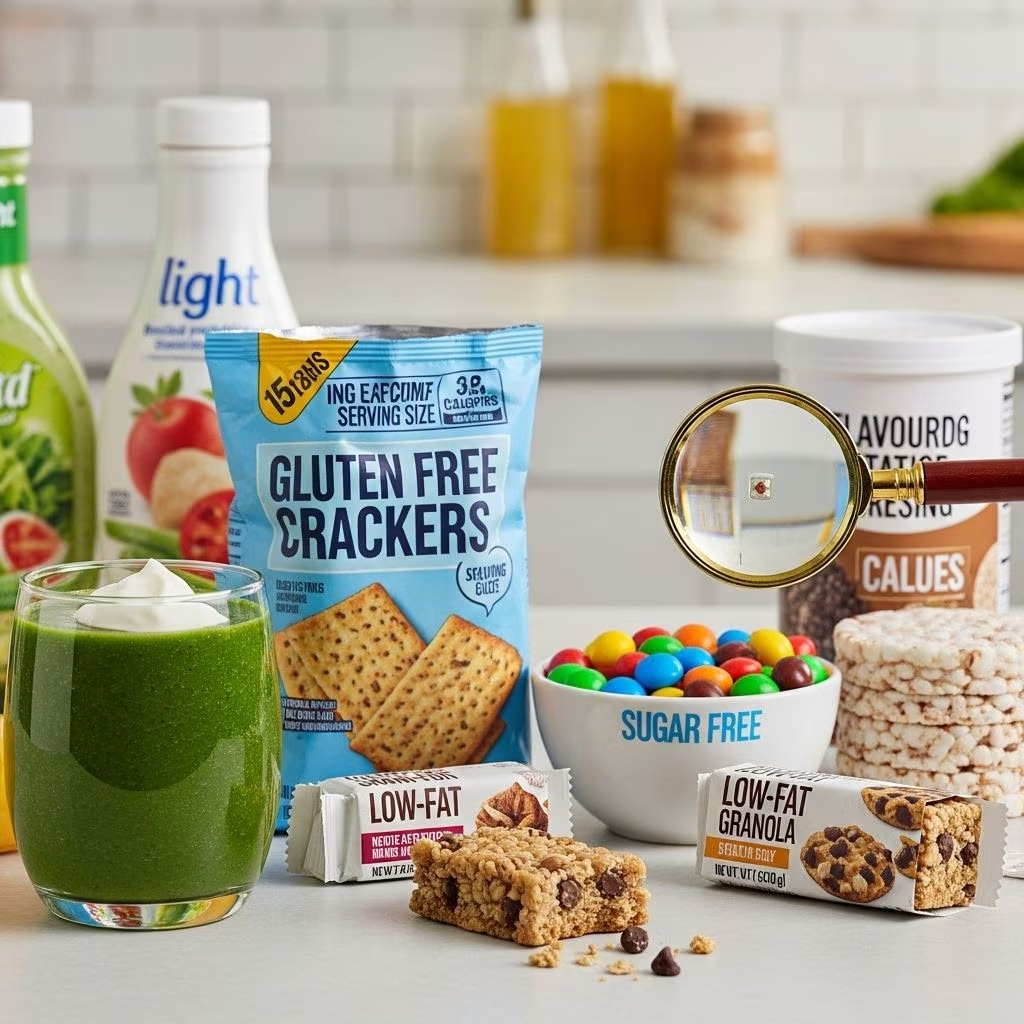
Diet Foods That Secretly Sabotage Weight Loss
When it comes to losing weight, many people focus on calorie counting, tracking macros, and squeezing in extra exercise. But what if your efforts are being unknowingly undermined by foods that seem healthy? In reality, several popular ‘diet’ and ‘health’ foods can quietly work against your weight loss goals, thanks to hidden sugars, unhealthy fats, excess calories, and misleading portion sizes.
Below, we break down some of the most common food traps so you can make truly informed, sustainable nutrition choices.
Smoothies
Many people opt for smoothies as a quick, healthy snack or breakfast. However, unless you make them yourself and control every ingredient, store-bought or café smoothies can easily turn into high-sugar, high-calorie treats.
- Commercial smoothies often contain juice, flavored yogurt, and even ice cream or syrups.
- Portion sizes are often massive, packing more calories than a meal.
- “Healthy” add-ins like protein powders, oats, or sweetened nut butters can further drive up calorie counts.
Tip: Make your smoothies at home, using whole fruits, leafy greens, and a quality protein source like plain Greek yogurt or unsweetened nut milk. Stick to one serving of fruit and be mindful of added ingredients.
Pre-Made Salads
Salads are synonymous with dieting. But not all salads are created equal. Many restaurant and premade salads come topped with calorie-dense extras and dressed in creamy, sugary sauces.
- High-calorie toppings: cheese, crispy noodles, candied nuts, dried fruits, bacon, and fried proteins.
- Dressings: Creamy ranch, Caesar, or honey-mustard can easily add hundreds of hidden calories and added sugars.
Tip: Build salads yourself and use a modest amount of vinaigrette or olive oil and vinegar. Beware of restaurant salads—always check nutritional info if available.
Granola
Granola has a health halo, but most commercial varieties are far from a dieter’s friend.
- Typically high in sugar and fat thanks to added honey, syrup, or even chocolate.
- Calories add up quickly—just a half-cup serving can supply 200+ calories, often without meaningful satiety.
- Portion size is rarely observed; pouring a “bowl” can mean double or triple the calories.
Tip: Make your own granola using rolled oats, a touch of honey, and nuts or seeds. Stick to small servings—use granola as a topping, not a snack.
Low-Fat and Fat-Free Snacks
Foods labeled as “fat-free” or “low-fat” might seem ideal, but they often swap fat for extra sugar, refined starches, and artificial additives. These ingredients can cause rapid blood sugar spikes and may leave you less satisfied, leading to overeating later.
- Fat-free products often lack the nutrients and satiety of their full-fat counterparts.
- People tend to eat more of what they consider “light.” This effect is well-documented in behavioral studies.
Tip: Choose foods with healthy fats, like avocado or nuts. Focus on the nutrition label, not just the front-of-package claims.
Diet Sodas & Sugar-Free Drinks
While diet sodas don’t provide calories, they may not be as harmless as they appear.
- Artificial sweeteners can increase cravings for sweet foods, leading to higher overall calorie intake.
- Some research links diet sodas to weight gain and metabolic syndrome.
- They also offer no real nutrition—just chemicals and carbonation.
Tip: Stick to water, herbal teas, or seltzer with natural flavor. For sweetness, add slices of fruit or a splash of lemon.
Energy and Protein Bars
Marketed for health and fitness, energy and protein bars can easily be disguised candy bars.
- Many versions are packed with sugars (including “natural” forms like brown rice syrup), saturated fats, and excess calories.
- Bars designed for endurance athletes often provide far more energy than the average person needs between meals.
Tip: If you need a snack on the go, look for bars with simple ingredients, minimal added sugar, and at least 5g protein and 3g fiber per serving.
Fruit Juice
Many people believe fruit juice is a healthy choice, but it can be worse than soda when it comes to sugar and calorie content.
- Lacks fiber—so it won’t keep you full.
- Causes blood sugar spikes due to concentrated natural sugars.
- “Cold-pressed” and “organic” claims can be misleading; juice is still juice.
Tip: Opt for whole fruit instead. If you want a beverage, try adding fruit slices to water or brewing unsweetened iced tea.
‘Whole Wheat’ and ‘Multi-Grain’ Bread
Not all breads labeled as ‘whole wheat’ or ‘multi-grain’ are created equal.
- Many commercial whole wheat breads contain refined flour and added sugars.
- Multi-grain just means multiple grains—it says nothing about whether any are whole.
- High glycemic index: Even brown bread can spike blood sugar, impacting fat storage and hunger.
Tip: Read ingredients closely—look for 100% whole wheat flour as the first listed ingredient. Or try sprouted grain breads that are lower in sugar and higher in fiber.
Nuts & Nut Butters
Nuts and nut butters are loaded with vitamins and healthy fats, but portion control is essential.
- High in calories—as little as 1/4 cup of nuts can equal 200 calories or more.
- Easy to overeat, especially when snacking directly from the bag or jar.
- Some nut butters contain added sugar and palm oil.
Tip: Use pre-portioned packs or measure servings. Choose unsweetened, single-ingredient nut butters.
Frozen Diet Meals
The convenience of frozen “diet” or “light” meals comes at a cost.
- Commonly high in sodium, which contributes to water retention and bloating.
- Portions are often small and unsatisfying, leading to additional snacking.
- Packed with preservatives and artificial flavors.
Tip: Prepare meals at home in advance, using whole foods, lean proteins, and lots of vegetables. If you use frozen options, add a side salad or steamed vegetables to boost volume and nutrition.
Flavored Yogurt
Though often seen as healthy, flavored yogurts can be a sugar trap.
- Fruit-on-the-bottom and “dessert” yogurts may contain as much sugar as ice cream.
- Low-fat yogurts generally compensate for lost taste with more sweeteners.
Tip: Choose plain Greek yogurt and add your own fresh fruit or a sprinkle of cinnamon for flavor without the sugar spike.
Veggie Chips
Veggie chips are an increasingly popular alternative to potato chips, but most versions are not that much healthier.
- Often made from potato starch or cornmeal, then flavored and colored to look like vegetables.
- Contain just as much (or more) salt and fat as regular chips.
- Minimal actual vegetable content or added nutrients.
Tip: For a crunchy snack, try roasted chickpeas or make your own veggie crisps at home using thinly sliced beets, carrots, or kale.
Frequently Asked Questions (FAQs)
Q: Why do ‘diet’ versions of foods have more sugar?
A: Many food companies reduce fat in their products by adding sugar or artificial sweeteners to compensate for lost flavor and texture. This can sabotage weight loss efforts by increasing calorie intake and promoting fat storage.
Q: Should I avoid all processed foods if trying to lose weight?
A: Not all processed foods are bad, but those with long ingredient lists, added sugars, refined grains, and artificial additives are best minimized. Focus on whole, minimally processed foods.
Q: Are nuts and seeds fattening?
A: Nuts and seeds are high in healthy fats and beneficial nutrients, but calories can add up quickly. When eaten in moderation and with portion control, they can be a helpful part of a weight loss diet.
Q: Is it better to eat full-fat or low-fat dairy?
A: Some research suggests full-fat dairy may be more satisfying and less likely to prompt overeating later. The key is to choose plain, unsweetened varieties and eat in moderate amounts.
Q: How can I spot hidden sugar on food labels?
A: Look for terms like ‘evaporated cane juice,’ ‘maltose,’ ‘brown rice syrup,’ and ‘fruit juice concentrate.’ Checking the grams of sugar per serving is also crucial.
Key Takeaways for Smarter Weight Loss
- Read labels—pay attention to serving sizes, sugar, and ingredient lists.
- Cook at home as much as possible to control what goes into your food.
- Don’t trust health halos—assume nothing; many marketed “healthy foods” are diet traps.
- Prioritize whole, minimally processed foods—veggies, lean protein, whole grains, fruits, and healthy fats.
- Portion control—measure high-calorie foods and snacks.
Awareness is the first defense against dietary sabotage. Make conscious choices, question marketing claims, and nourish your body with nutrition that truly supports your health and weight goals.
References
- https://www.piedmont.org/living-real-change/avoid-these-5-things-for-weight-loss
- https://www.healthline.com/nutrition/11-foods-to-avoid-for-weight-loss
- https://www.totalhealthcaremd.com/blog/9-healthy-foods-that-may-be-sabotaging-your-weight-loss-goals
- https://www.scripps.org/news_items/4599-are-these-5-diet-foods-ruining-your-weight-loss-goals
- https://southtexasmed.com/7-ways-you-may-be-sabatoging-your-diet/
- https://news.emory.edu/stories/2014/03/ehc_four_foods_sabotag_weight_loss/campus.html
- https://www.nm.org/healthbeat/healthy-tips/nutrition/six-pitfalls-that-might-be-sabotaging-your-weight-loss


