


12 Expert-Backed Strategies to Prevent Summer Weight Gain
Summer brings long days, sunny weather, and endless opportunities for outdoor enjoyment. However, this season’s special treats, laid-back routines, and frequent disruptions to healthy habits can sneakily lead to extra pounds. While ice cream outings and vacation feasts are meant to be enjoyed, it’s entirely possible to savor summer without sabotaging your waistline.
Here are 12 expert-approved habits and useful tips to help you prevent summer weight gain—so you can feel your best come September and beyond.
1. Stay Hydrated: Reach for Water First
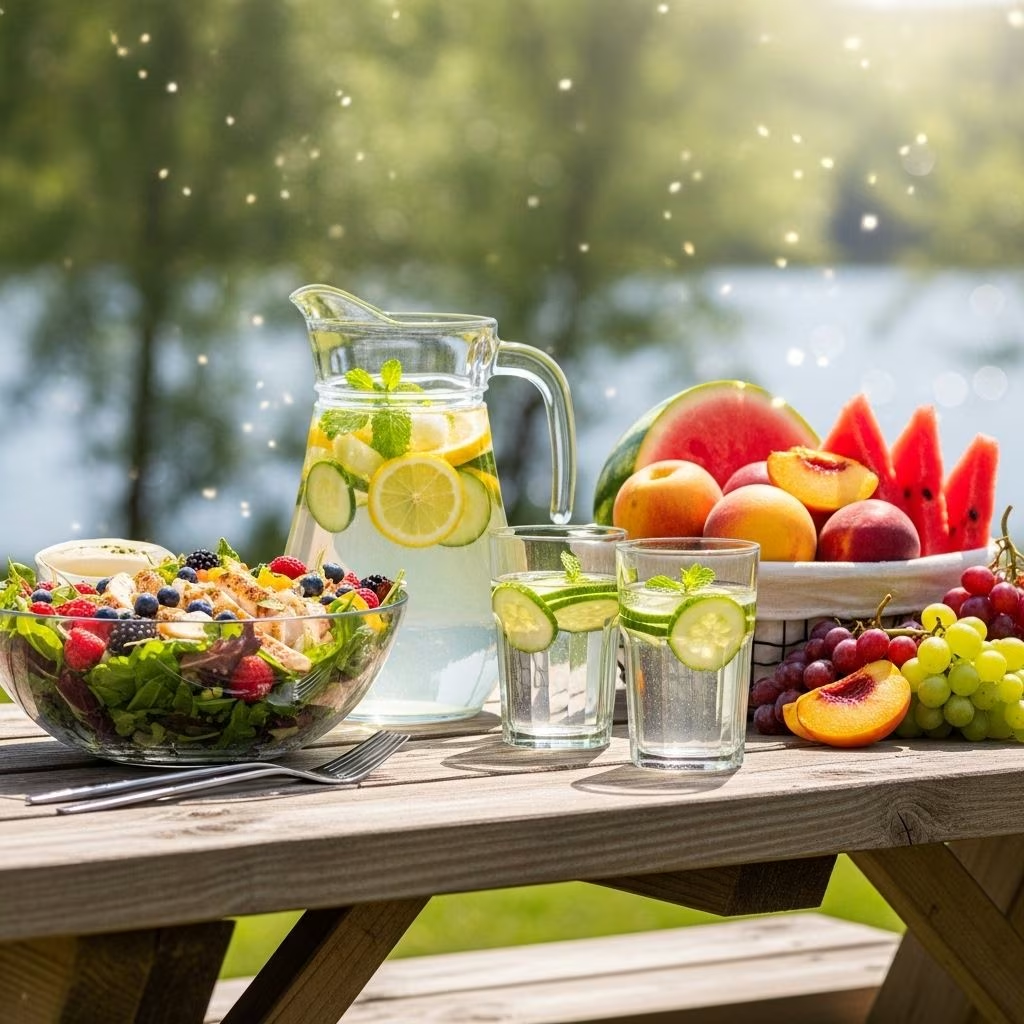
It’s easy to mistake thirst for hunger, especially in hot, humid weather. Dehydration can mimic hunger cues, so reaching for a glass of water before snacking may curb unnecessary eating. Keep a reusable water bottle with you and flavor your water with fresh fruit, herbs, or a splash of citrus for variety.
- Start your day with at least 16 oz of water to rehydrate.
- Set hourly reminders to sip throughout the day.
- If you’re craving a snack, drink a glass of water first and wait 10 minutes.
2. Beat the Heat Without Overindulging in Frozen Treats
Summer isn’t complete without the occasional ice cream or frozen dessert. But frequent trips to the ice cream parlor or overindulgence at self-serve fro-yo shops can quickly add up in calories. Instead, savor these treats in moderation and practice portion control.
- Choose a single scoop instead of a double or triple.
- Opt for fruit-based frozen pops or homemade ‘nice’ cream made from blended bananas.
- Skip the extra toppings, hot fudge, and sugar cones.
- Frozen yogurt is lower in fat but often similar in calories to ice cream—don’t overserve!
3. Healthy BBQ and Picnic Swaps
Grilled foods and summer gatherings often feature high-calorie favorites like burgers, hot dogs, creamy salads, and chips. You can still enjoy the occasion with lighter substitutions.
- Swap beef burgers for turkey, chicken, or veggie burgers.
- Choose grilled chicken, shrimp, or fish skewers.
- Replace mayonnaise-heavy salads with vinegar-based slaws or bean salads.
- Serve fruit platters or yogurt dip instead of chips and creamy dips.
- Bring whole wheat buns or lettuce wraps for a lighter, fiber-rich base.
4. Practice Mindful Eating at Social Events
With summer comes an increase in social gatherings, reunions, and parties. Mindless eating is common when you’re distracted in conversation, grazing buffet tables, or sampling every dish at a family cookout.
- Survey the spread before filling your plate—choose favorites and skip foods you’re less excited about.
- Use a small plate and avoid stacking food high.
- Eat slowly and savor your food; wait 10-15 minutes before going back for seconds.
- Limit liquid calories from cocktails, sweetened teas, and sodas.
5. Don’t Skip Meals—Stick to a Balanced Routine
Busy summer schedules can lead to erratic eating or skipped meals, which often prompt overeating or poor food choices later. Aim for consistency with meals and snacks, even on vacation.
- Eat regular meals to maintain energy and prevent cravings.
- Prioritize protein and fiber at every meal to keep you satisfied.
- Pack healthy snacks like nuts, fruit, or cut veggies for road trips or long outings.
- If your plans run late, keep healthy, portable options handy to avoid fast food traps.
6. Limit Sugary Drinks and Cocktails
Cool beverages—including lemonade, punch, iced coffee concoctions, and boozy cocktails—can be a source of steady, unnoticed calorie creep in summer.
- Stick to unsweetened iced tea, sparkling water, or water with lemon and fresh mint.
- For cocktails, alternate every alcoholic drink with a glass of water.
- If you do drink alcohol, opt for light beer, wine spritzers, or cocktails with club soda and fresh juice instead of sugary mixers.
- Be cautious with sport and energy drinks—most people don’t need them unless exercising intensely for over an hour.
7. Stay Active, Even When It’s Hot
Summer heat and humidity can sap motivation for typical workouts, but there are plenty of accessible ways to stay active.
- Exercise early in the morning or later in the evening when it’s cooler.
- Swim laps, try water aerobics, or play in the pool with family for a fun calorie burn.
- Seek shaded trails or parks for walking, jogging, or biking.
- Join a local recreation league or try out a new active hobby—paddleboarding, tennis, or hiking.
8. Make the Most of Seasonal Produce
Summer is an ideal time to harness the bounty of fresh fruits and vegetables. Not only are produce-rich meals more filling and nutritious, they’re often lower in calories and high in water content—helping you stay hydrated and satisfied.
- Fill half your plate with colorful vegetables at lunch and dinner.
- Snack on fresh berries, peaches, or melon between meals.
- Create salads and grain bowls with produce as the star ingredient.
- Visit local farmers’ markets for inspiration and to support growers.
9. Avoid Mindless Snacking During Downtime
Whether it’s a lazy day at home or a long beach outing, unstructured time can encourage frequent snacking—especially if chips, cookies, or processed snacks are easy to grab. Build awareness and intention around snack times.
- Keep tempting unhealthy snacks out of sight or out of the house.
- Pre-portion healthier snacks into small bags to take along for outings.
- Focus on filling whole foods—fruit, nuts, yogurt, veggies with hummus.
- Keep your hands busy: bring a book, puzzle, or craft to occupy downtime without reaching for food.
10. Get Enough Sleep and Manage Screen Time
Longer daylight hours, increased social events, and relaxed schedules often mean less sleep. Scientific studies show inadequate sleep and increased screen time are linked to weight gain in children and adults.
- Maintain a consistent bedtime and wake-up time, even during school breaks or vacations.
- Create a sleep-friendly environment—dim lights, cool room, and no devices in bed.
- Limit recreational screen time; move more during commercials or set device ‘off’ times.
- Encourage outdoor play and physical activities for kids and teens as boredom-busters.
11. Plan and Prep Meals When Possible
Spontaneity is part of summer’s charm, but planning a few meals or prepping ingredients in advance can prevent relying on takeout or unhealthy convenience foods.
- Batch-cook grilled chicken, quinoa, or chopped veggies for salads and wraps throughout the week.
- Make a list and shop for healthy groceries before a busy weekend or travel.
- Bring nutritious options to potlucks or BBQs so you know there’s something you’ll enjoy.
12. Create Fun, Non-Food Traditions
Some summer rituals revolve around indulgent treats—ice cream runs, s’mores nights, or movie snacks. Build new traditions that don’t center on high-calorie foods.
- Organize group walks, volleyball games, or bike rides after dinner instead of dessert-based family time.
- Host fruit-tasting parties or teach kids to make healthy smoothies.
- Set goals for summer activities to try or parks to explore.
Table: Smart Swaps for Popular Summer Foods
| Traditional Favorite | Smart Swap |
|---|---|
| Double-scoop ice cream cone | Single-scoop or fruit sorbet |
| Loaded potato salad | Vinaigrette-based potato or bean salad |
| Soda/fruit punch | Infused sparkling water or seltzer |
| Chips and dip | Sliced veggies with Greek yogurt dip |
| Beef burger on white bun | Turkey burger on whole grain or lettuce wrap |
| Milkshake | Blended frozen banana and fruit smoothie |
Frequently Asked Questions (FAQs)
Q: Why do people gain weight in summer?
A: Summer brings disruptions to normal routines, more social gatherings with high-calorie foods, and increased intake of sugary beverages and frozen treats. Additionally, vacations and heat waves may reduce structured exercise habits.
Q: Are certain groups more at risk for summer weight gain?
A: Yes. Research shows accelerated summer weight gain is more common in children (especially elementary age), individuals already overweight, and certain ethnic groups. Lack of daily routines, unstructured time, and increased screen time are contributing factors.
Q: Is it better to avoid all treats in summer?
A: No. Deprivation can backfire and lead to overindulgence. Instead, practice mindful eating, savor moderate portions of your favorite treats, and balance them with regular activity and healthy meals.
Q: How can I help children avoid excess weight gain during summer break?
A: Maintain regular meal and sleep schedules, encourage daily structured activity, limit screen time, and involve kids in meal prep and outdoor games. Structured camps and community programs can also help support healthy routines.
Q: Can home-based changes really make a difference?
A: Healthy changes at home—such as keeping fruits and veggies visible, setting electronic limits, and modeling balanced habits—can positively influence both kids and adults. The key is consistency and enjoyment, not strict rules.
Summary Tips for a Healthier Summer
- Enjoy summer treats in moderation—savor, don’t restrict.
- Hydrate: Make water your main beverage.
- Plan active outings and try new sports or outdoor hobbies.
- Fill half your plate with fresh produce at every meal.
- Get enough sleep and set limits on recreational screen time.
- Practice mindful eating at gatherings and listen to your body’s cues.
- Create fun traditions that aren’t centered around food.
References
- https://pmc.ncbi.nlm.nih.gov/articles/PMC6857933/
- https://www.cdc.gov/pcd/issues/2014/13_0355.htm
- https://www.prevention.com/weight-loss/a20448781/causes-of-summer-weight-gain/
- https://www.prevention.com/weight-loss/g20454584/prevent-summer-weight-gain/
- https://www.prevention.com/health/health-conditions/a44798692/weight-gain-exhaustion-hashimoto-thyroiditis-my-diagnosis/
- https://www.prevention.com/weight-loss/a20429475/avoid-weight-gain-on-vacation/
- https://www.prevention.com/weight-loss/a42250066/age-related-weight-gain/
- https://www.prevention.com/food-nutrition/a38055984/how-to-make-your-metabolism-work-at-any-age/


