


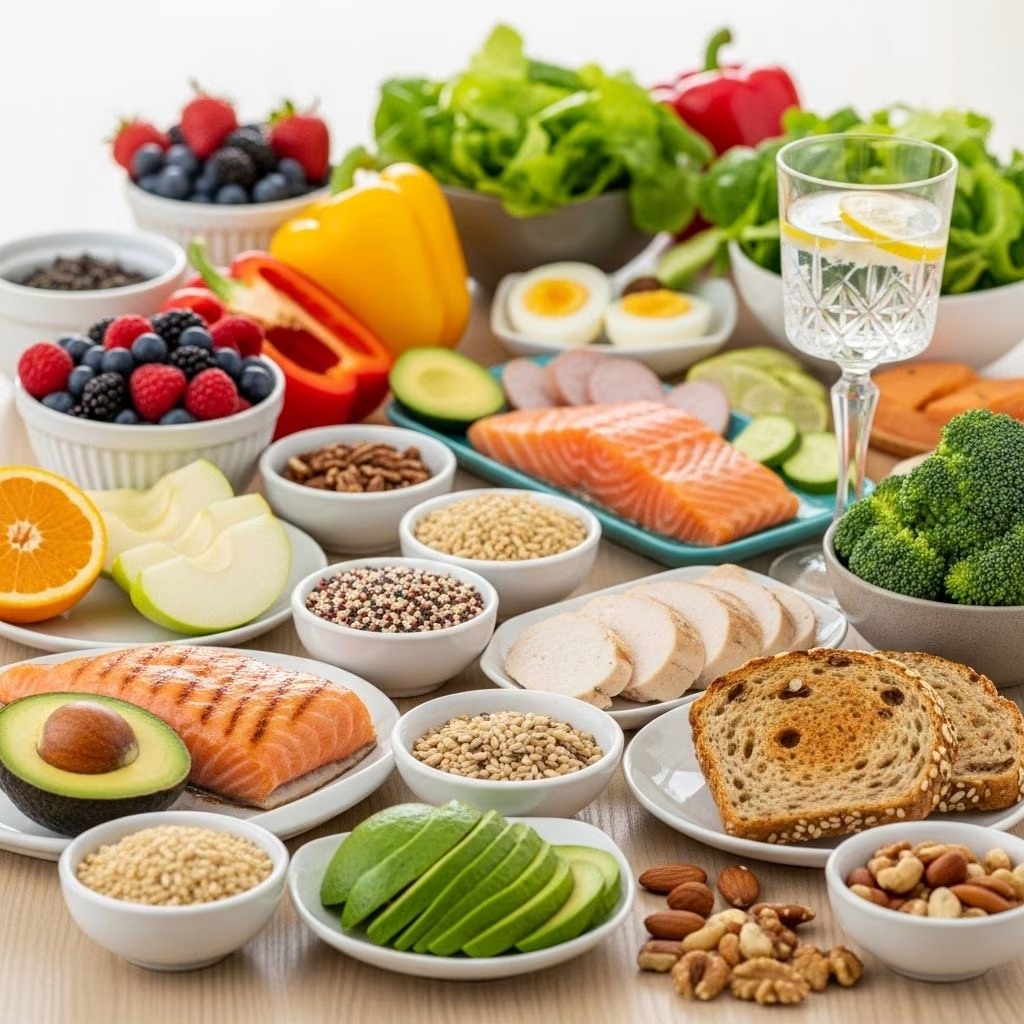
The Ultimate 12-Week Healthy Eating Program for Longevity and Weight Loss
Are you tired of restrictive diets and fleeting health trends? Discover a fresh approach: a 12-week healthy eating program that focuses on anti-aging nutrition, sustainable weight loss, and long-term wellness. Developed by leading registered dietitians and supported by scientific evidence, this program goes beyond calorie counting—prioritizing delicious, nourishing foods that protect your heart, brain, skin, muscles, and more.
Why This Plan Works
Most traditional diets are filled with red meat, processed foods, excess sugar, and sodium—contributing to chronic health issues and premature aging. This program flips the script, making colorful fruits, vegetables, healthy fats, and lean proteins the stars of your plate. It is designed to:
- Promote healthy weight loss through natural calorie reduction and satiety
- Offer anti-aging benefits by supplying vital nutrients and antioxidants
- Reduce your risk of chronic diseases like diabetes, heart disease, and high blood pressure
- Provide flexibility to enjoy the foods you love while eating 3 meals and 2 snacks every day
The Three Essential Rules of Healthy Eating
At the heart of this program are three essential rules. Each is grounded in leading research and tailored for optimal health benefits:
1. Embrace Anti-Aging Fats
- Incorporate omega-3 fatty acids into your daily diet—these anti-inflammatory fats are crucial for heart, brain, skin, and metabolic health.
- Sources include fatty fish (like salmon, sardines, tuna), walnuts, almonds, flaxseeds, chia seeds, olive oil, and leafy greens.
- Research links higher omega-3 intake with a reduced risk of premature death, improved fat metabolism, and healthier, more youthful skin.
2. Fill Your Plate With Color
- Half your lunch and dinner plates should be colorful fruits and vegetables—the deeper the colors, the more antioxidants and phytonutrients they provide.
- Vary your choices: eat leafy greens, berries, carrots, peppers, and squash. Eating the rainbow ensures you cover all nutritional bases.
- High water and fiber content keeps you feeling full and satisfied, making it easier to manage weight.
3. Switch to Healthy Carbs
- Favor whole grains like quinoa, brown rice, oats, barley, and bulgur, as well as beans, for sustained energy and digestive health.
- Limit highly processed, refined grains such as white breads, cakes, cookies, and sugary cereals, which contribute to blood sugar spikes and cravings.
- Whole grains and legumes provide vital fiber, B vitamins, and important minerals for overall vitality and disease prevention.
How the Eating Plan Works
This plan keeps nutrition simple, flexible, and satisfying. Each day, you’ll select from healthy foods to construct three balanced meals and two nourishing snacks—easy to follow at home or on the go. The goal: approximately 1,600 calories per day, a sustainable target for gradual, lasting weight loss.
- Mix-and-match approach: Combine foods you love within each guideline to keep meals interesting.
- No forbidden foods: Instead of harsh restrictions, this plan encourages making more nutritious swaps.
- Weekly adjustments: As you progress, you’ll modify recipes and meal choices to maintain motivation and prevent boredom.
Sample Day: Meal Framework
| Meal | Options |
|---|---|
| Breakfast | Oatmeal with berries and flaxseed Yogurt parfait with nuts and chopped fruit Whole-grain toast with avocado and poached egg |
| Morning Snack | Apple slices with almond butter Greek yogurt Handful of walnuts |
| Lunch | Big salad with grilled salmon and a rainbow of veggies Whole-grain wrap with turkey, spinach, and hummus Lentil and vegetable soup |
| Afternoon Snack | Carrot sticks with hummus Orange and a piece of string cheese Sliced cucumber with tzatziki sauce |
| Dinner | Grilled chicken with quinoa and roasted Brussels sprouts Baked cod with brown rice and green beans Vegetable stir-fry with tofu |
Mastering the Mix-and-Match Method
The strength of this plan is in its flexibility. Here are key pointers to keep your meals balanced and flavorful:
- Pair lean proteins (chicken, fish, tofu, beans) with complex carbs and a generous portion of vegetables.
- Top oatmeal or cereal with fresh berries, nuts, or seeds for added nutrients and texture.
- Experiment with spices, herbs, and citrus juices for flavor boost without added sugar or sodium.
- Keep healthy snacks (like nuts, fruit, or veggie sticks) on hand to avoid processed temptations.
- Plan meals ahead to save time and prevent unhealthy choices in moments of stress or fatigue.
Smart Swaps & Upgrades
Reshape your eating habits with these healthy upgrades that keep your plan satisfying and enjoyable:
- Replace white rice with brown rice, quinoa, or farro for more fiber and minerals.
- Substitute mayonnaise with avocado mash or Greek yogurt in sandwiches and salads.
- Swap sugary drinks for herbal teas, sparkling water with citrus, or unsweetened iced tea.
- Use olive oil in place of butter for cooking and dressings.
- Reach for fruit instead of baked goods for dessert—fresh berries, apples, or a banana with nut butter.
Why Focus on Minimally Processed Foods?
Recent studies demonstrate that eating minimally processed foods—think whole grains, fresh vegetables, lean proteins, and healthy fats—yields notable benefits for metabolism, appetite regulation, and even the gut microbiome. Here’s why:
- Longer lasting fullness: Higher protein and fiber characteristics reduce appetite and naturally curb calorie intake.
- Fewer cravings and increased control around eating, making weight loss easier to maintain over time.
- Improved metabolic outcomes, such as better blood sugar control, cholesterol, and triglyceride levels.
- Enhanced digestive health and fewer unpleasant symptoms like bloating, fatigue, and constipation.
Ultra-processed foods, in contrast, are high in added sugars, unhealthy fats, and additives that disrupt natural hunger cues, promote overeating, and increase inflammation over time.
Frequently Asked Questions (FAQs)
How important is calorie counting on this plan?
Calorie counting isn’t the main focus—by following the three core rules, you will naturally reduce calorie intake and avoid overconsumption, making this approach more sustainable and less stressful.
Are fats completely safe to eat?
Yes, but focus on healthy sources like omega-3s and monounsaturated fats. Limit trans and excessive saturated fats, which are found in fried foods, butter, and processed snacks.
Can I indulge in dessert or comfort foods?
This plan encourages smart swaps. Enjoy the foods you love by making them healthier—try fruit-based desserts, dark chocolate, or baked rather than fried treats.
What if I don’t like certain vegetables or proteins?
Variety is key. Choose options you enjoy within each category. The mix-and-match format ensures you never feel stuck or deprived.
Will I get enough protein on this program?
Absolutely. Lean meats, fish, eggs, beans, dairy, tofu, and nuts ensure protein needs are met to maintain muscle and support overall health.
Top Tips for Long-Term Healthy Eating Success
- Batch prep meals ahead of time. Roast vegetables, cook grains, or grill proteins in advance for quick assembly during busy workweeks.
- Stay hydrated. Drink water or herbal tea throughout the day and limit sugary drinks or excess caffeine.
- Prioritize variety. Changing up your vegetables, lean proteins, and grains prevents boredom and delivers a full spectrum of nutrients.
- Eat mindfully. Turn off screens, chew slowly, and savor each bite for better digestion and satiety awareness.
- Forgive slip-ups. No plan is perfect! A single indulgence won’t derail your progress. Refocus at your next meal.
Common Misconceptions about Healthy Eating
- “All fat is bad.” Healthy fats are essential for hormone balance, cell structure, and nutrient absorption.
- “Healthy meals are bland.” Use herbs, spices, citrus, and vinegars to enhance flavor and enjoyment.
- “You have to give up all your favorite foods.” Smart upgrades and portion control let you enjoy tasty meals—guilt free.
- “Processed foods are the only convenient options.” Whole foods can be just as easy to prepare with a little planning and creative use of leftovers.
Long-Term Health Benefits
Beyond weight loss, adopting these eating habits combats chronic inflammation, improves cognitive function, stabilizes blood sugar, lowers cholesterol, and enhances skin and bone health. The result: a healthier, more energetic, and youthful you at any age.
Practical Shopping List for Each Week
- Fresh, seasonal fruits (apples, oranges, berries, bananas)
- Colorful vegetables (spinach, kale, peppers, carrots, broccoli)
- Whole grains (quinoa, brown rice, oats, barley)
- Lean proteins (chicken breast, fish, tofu, eggs, legumes, low-fat dairy)
- Healthy fats (olive oil, avocado, nuts, seeds, nut butters)
- Herbs and spices (parsley, basil, cumin, garlic, turmeric, ginger)
- Low-fat dairy or dairy alternatives
Quick Recipes to Get You Started
Easy Breakfast: Berry Nut Oatmeal
- 1/2 cup rolled oats
- 1 cup water or milk of choice
- 1/2 cup fresh berries
- 1 tbsp chopped walnuts or almonds
- 1 tsp ground flaxseed
- Pinch of cinnamon
Simmer oats in water or milk until creamy. Stir in berries, nuts, and flaxseed. Sprinkle with cinnamon and enjoy!
Simple Lunch: Rainbow Veggie Salad With Tuna
- 1 can tuna in water, drained
- 2 cups mixed leafy greens
- 1/2 cup cherry tomatoes, halved
- 1/2 bell pepper, sliced
- 1/4 cup shredded carrots
- 1 tbsp olive oil + splash of lemon juice
Combine all ingredients in a large bowl. Drizzle with olive oil and lemon juice. Toss and serve.
Dinner Idea: Quinoa Stir-Fry With Tofu
- 3/4 cup cooked quinoa
- 1 cup assorted vegetables (broccoli, bell pepper, snap peas)
- 1/2 block firm tofu, cubed
- 1 tbsp olive or canola oil
- 2 tbsp low-sodium soy sauce
- 1 tsp fresh ginger, grated
- Chopped cilantro to garnish
Heat oil in a skillet. Sauté tofu until golden, then add veggies and ginger. Cook until just tender. Stir in quinoa and soy sauce, cook for 2 minutes more. Garnish with cilantro.
Conclusion: A Blueprint for Lifelong Health
This 12-week healthy eating program isn’t just a short-term diet—it’s a blueprint for an energized, vibrant life. By focusing on anti-aging fats, abundant produce, and whole grains, and avoiding ultra-processed foods, you’ll foster a mindset of abundance, not restriction. Let every meal renew your health and vitality, one flavorful bite at a time.
References
- https://www.prevention.com/weight-loss/a20428059/healthy-eating-tips-and-sample-meal-plans/
- https://www.prevention.com/food-nutrition/healthy-eating/a65664887/ultra-processed-foods-weight-loss-gut-health-study/
- https://www.prevention.com/weight-loss/g20508128/what-you-need-to-know-about-these-10-popular-diets-before-you-try-one/
- https://www.prevention.com/food-nutrition/healthy-eating/a64297964/healthy-aging-diet-study/
- https://www.prevention.com/weight-loss/diets/a63174975/best-diets-for-weight-loss-2025/
- https://www.prevention.com
- https://www.prevention.com/food-nutrition/
- https://www.prevention.com/weight-loss/a20456466/diet-and-healthy-weight-loss-advice/
- https://www.prevention.com/food-nutrition/healthy-eating/a60980824/mediterranean-diet-help-women-live-longer-study/
- https://www.prevention.com/weight-loss/


