


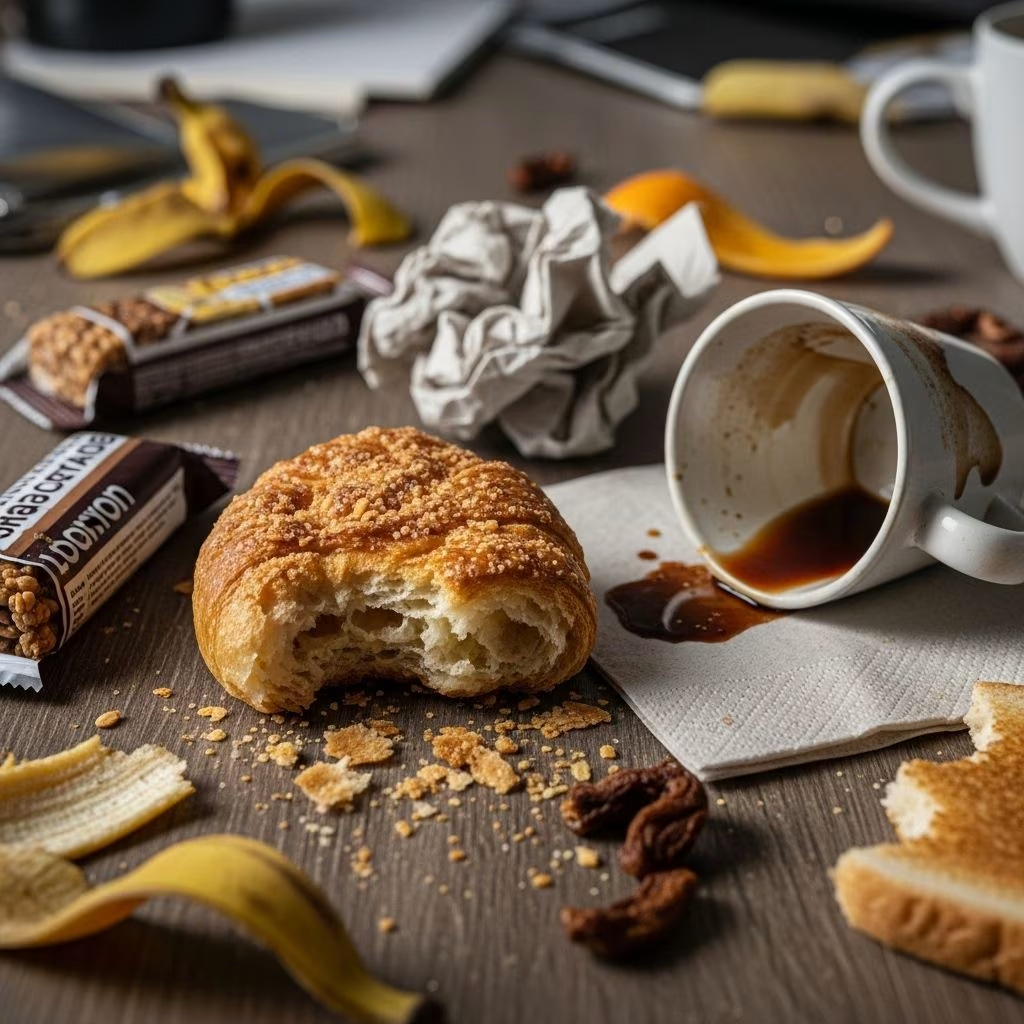
Every choice you make around food sets the tone for your day—especially if you’re aiming for better health or weight loss. Even the most well-intentioned eaters can fall into traps that slow progress, undermine energy, and lead to frustration. This guide explores the most common eating mistakes people make from morning to night, why they matter, and, crucially, how to fix them with straightforward, expert-backed strategies.
1. Skipping Breakfast
Many people believe by skipping breakfast they’re saving calories, but this habit can have the opposite effect. Skipping your morning meal often makes you ravenous by mid-morning, increasing the temptation for unhealthy snacks and overeating later in the day.
- Your metabolism may slow down.
- You’re prone to making poorer food choices when hunger escalates.
- Cognitive function can suffer, making you less focused and productive.
Fix it: Choose a balanced breakfast with protein, whole grains, and healthy fats. Options include Greek yogurt with fruit and nuts, or eggs and whole grain toast.
2. Eating While Distracted
Multitasking while eating—whether it’s scrolling through your phone, watching TV, or working at your computer—leads to ‘mindless eating.’ You’re less likely to notice when you’re full, making it easy to consume extra calories you don’t need.
- Emotional cues rather than hunger drive more of your eating.
- Portion sizes and calorie intake are harder to control.
Fix it: Make meals a screen-free event and eat at the table when possible. Take time to savor each bite and practice mindful eating, tuning in to signals of hunger and fullness.
3. Loading Up on Low-Fat or “Healthy” Packaged Foods
Foods marketed as low-fat, low-sugar, or “healthy” can give a misleading sense of security. These items are often highly processed, high in sodium, or packed with artificial ingredients and sweeteners that don’t satisfy hunger and can even trigger cravings.
- Low-fat foods often lack the satisfaction factor, so you eat more.
- “Health halos” can lead to consuming larger portions.
Fix it: Eat whole, minimally processed foods and control portions. If you want a treat, enjoy a reasonable amount of the real thing—it’s more satisfying and better for your long-term habits.
4. Drinking Your Calories
Calorie-laden drinks—such as specialty coffees, sodas, energy drinks, alcohol, and smoothies—can derail your day without contributing any real satiety. Many people underestimate the number of liquid calories they consume. These drinks spike blood sugar, resulting in energy crashes and a hunger rebound.
- One soda can add 150 calories and more than 35 grams of sugar.
- Blended high-calorie coffee beverages may exceed 400 calories.
Fix it: Choose water, unsweetened tea, or black coffee. If you crave flavor, add a splash of milk or a wedge of fruit to your water.
5. Eating Too Quickly
Rushing through a meal means your brain barely registers what you’ve eaten, making it easy to bypass fullness cues. Quick eating promotes overeating since it takes about 20 minutes for your stomach to signal to your brain that you’re full.
- Leads to uncomfortable fullness after you stop eating.
- Makes it difficult to enjoy and appreciate your food.
Fix it: Put down your fork between bites, chew thoroughly, and make meals last at least 20 minutes. Eating slowly helps you recognize natural signals of satiety.
6. Eating in Response to Emotions
Using food to cope with stress, sadness, boredom, or anxiety can set up a harmful cycle of emotional eating. It’s easy to reach for comfort foods, which tend to be calorie dense and nutrient poor, rather than truly listening to your body’s hunger cues.
- Emotional eating often happens unconsciously.
- This pattern can sabotage efforts to improve health and control weight.
Fix it: Check in with yourself: are you truly hungry, or seeking comfort? Build non-food coping strategies, such as calling a friend, taking a walk, or practicing a mindfulness exercise.
7. Not Planning Snacks or Meals
Getting caught hungry and unprepared makes it much more likely you’ll grab convenience foods—often highly processed and high in calories. Planning ahead helps you make healthier choices and resist the temptation of the vending machine or drive-thru.
- Better planning prevents energy crashes and unhealthy impulse purchases.
- Home-prepped snacks are usually more nutritious and satisfying.
Fix it: Stock easy-to-grab snacks such as cut veggies, nuts, plain Greek yogurt, or fresh fruit. Set aside a Sunday evening to prepare meals and snacks for the week ahead.
8. Overestimating Calorie Burn from Exercise
Many people reward themselves with extra food after a workout, believing they’ve burned more calories than they actually have. In reality, it’s easy to out-eat even a tough workout, stalling weight loss or leading to gradual weight gain.
| Activity | Minutes | Approx. Calories Burned* |
|---|---|---|
| Running (6 mph) | 30 | 300 |
| Walking (3.5 mph) | 30 | 150 |
| Cycling (moderate) | 30 | 250 |
*Calories burned depend on body size, intensity, and duration.
Fix it: Use a fitness tracker or reputable calorie calculator for an accurate estimate. Resist the urge to overeat post-workout—instead, fuel exercise with balanced meals and healthy snacks based on actual hunger.
9. Not Drinking Enough Water
Hydration is crucial for metabolism, digestion, and feeling full. Dehydration is easily mistaken for hunger, leading to unnecessary snacking. Water also helps manage appetite by creating a sense of fullness at meals.
- Thirst is often confused for hunger, prompting excess eating.
- Being well-hydrated improves energy and focus.
Fix it: Keep a reusable water bottle with you, and aim for 8 to 10 cups of water per day, or more if you’re active.
10. Ignoring Portion Sizes
Large portion sizes are surprisingly easy to overlook, especially at restaurants or when eating packaged foods. Even healthy foods can sabotage progress if eaten in excessive amounts.
- Restaurant meals often contain multiple servings.
- Eating straight from the container encourages mindless overeating.
Fix it: Use smaller plates and bowls to help cue smaller portions. When dining out, set aside half your meal before you start or share with a friend.
11. Not Getting Enough Sleep
Lack of sleep disrupts hormones that regulate hunger and fullness, increasing cravings for high-calorie foods. When you’re tired, your willpower wavers, which can lead to late-night snacking and poor food choices.
- Poor sleep raises levels of ghrelin (hunger hormone), and lowers leptin (satiety hormone).
- Studies link insufficient sleep to higher body weight and increased calorie intake.
Fix it: Aim for 7–9 hours of quality sleep each night. Establish a calming bedtime routine and keep electronics out of the bedroom.
12. Giving In to Social Pressure
Eating out or attending social events can bring pressure to indulge, overeat, or veer from healthy routines. Friends who offer dessert or second helpings mean well, but it can be tough to refuse without a plan.
- “Food pushers” can challenge your resolve and hinder progress.
- Alcohol at events further weakens healthy decision-making.
Fix it: Decide ahead how you’ll handle social situations. Politely decline extras, or savor a small portion mindfully if you choose to indulge. Drive yourself if you’d like a polite exit.
13. Eating Just Because It’s Time
Many people eat meals or snacks by the clock (e.g., noon lunch, 6pm dinner) versus checking if they’re actually hungry. This habit disconnects you from internal hunger cues and sets up patterns of unnecessary, automatic eating.
- Routine eating ignores true signs of hunger or fullness.
- Social cues (meetings, gatherings) often dictate what and when we eat.
Fix it: Before each meal or snack, pause and ask: “Am I hungry, or just eating out of routine?” Try drinking water and waiting 10 minutes to see if hunger persists.
Frequently Asked Questions (FAQs)
Q: Is it better to skip breakfast or dinner for weight loss?
A: Skipping any meal can lead to overeating later. Breakfast boosts your metabolism and supports steady energy, so a balanced breakfast is generally recommended over skipping meals.
Q: Are fat-free or diet foods good for weight loss?
A: Fat-free and diet foods often compensate with extra sugar or starch and rarely satisfy hunger, making them less effective than moderate amounts of whole, natural foods.
Q: Can water really help with weight management?
A: Yes, water supports digestion, metabolism, and appetite control. Sometimes thirst is mistaken for hunger, so drinking enough water can prevent excess snacking.
Q: How can I prevent emotional eating?
A: Identify your emotional triggers, develop alternative coping strategies such as movement, deep breathing, or connecting with friends, and practice mindful eating to tune into hunger cues.
Q: How do I know if I’m truly hungry?
A: True hunger starts gradually and feels like an empty, rumbling feeling in the stomach. Emotional cravings tend to appear suddenly and are often tied to specific foods or emotions. It helps to pause and rate your hunger on a scale from 1 (starving) to 10 (stuffed).
Takeaway: Healthy eating is less about perfection and more about developing awareness. By understanding and correcting these common eating mistakes, you set yourself up for better energy, improved well-being, and more sustainable progress toward your wellness goals.
References
- https://www.prevention.com/weight-loss/a20441163/common-weight-loss-mistakes/
- https://www.prevention.com/weight-loss/g20498928/mistakes-that-sabotage-weight-loss/
- https://www.prevention.com/weight-loss/g20488204/weight-loss-mistakes-slowing-your-progress/
- https://www.prevention.com/weight-loss/a20491224/bad-eating-habits-how-to-fix-major-eating-mistakes/
- https://www.prevention.com/weight-loss/a20435818/eating-mistakes-leading-to-weight-gain/
- https://www.prevention.com/weight-loss/a20470292/mistakes-that-keep-you-fat/
- https://www.prevention.com/weight-loss/a20439260/7-diet-mistakes-that-prevent-weight-loss/
- https://www.prevention.com/weight-loss/a20470409/weight-loss-mistakes-youre-making-at-work/
- https://www.prevention.com/weight-loss/g20450964/mistakes-you-make-when-losing-last-10-pounds/
- https://www.prevention.com/weight-loss/a20474806/running-weight-loss-mistakes/


