


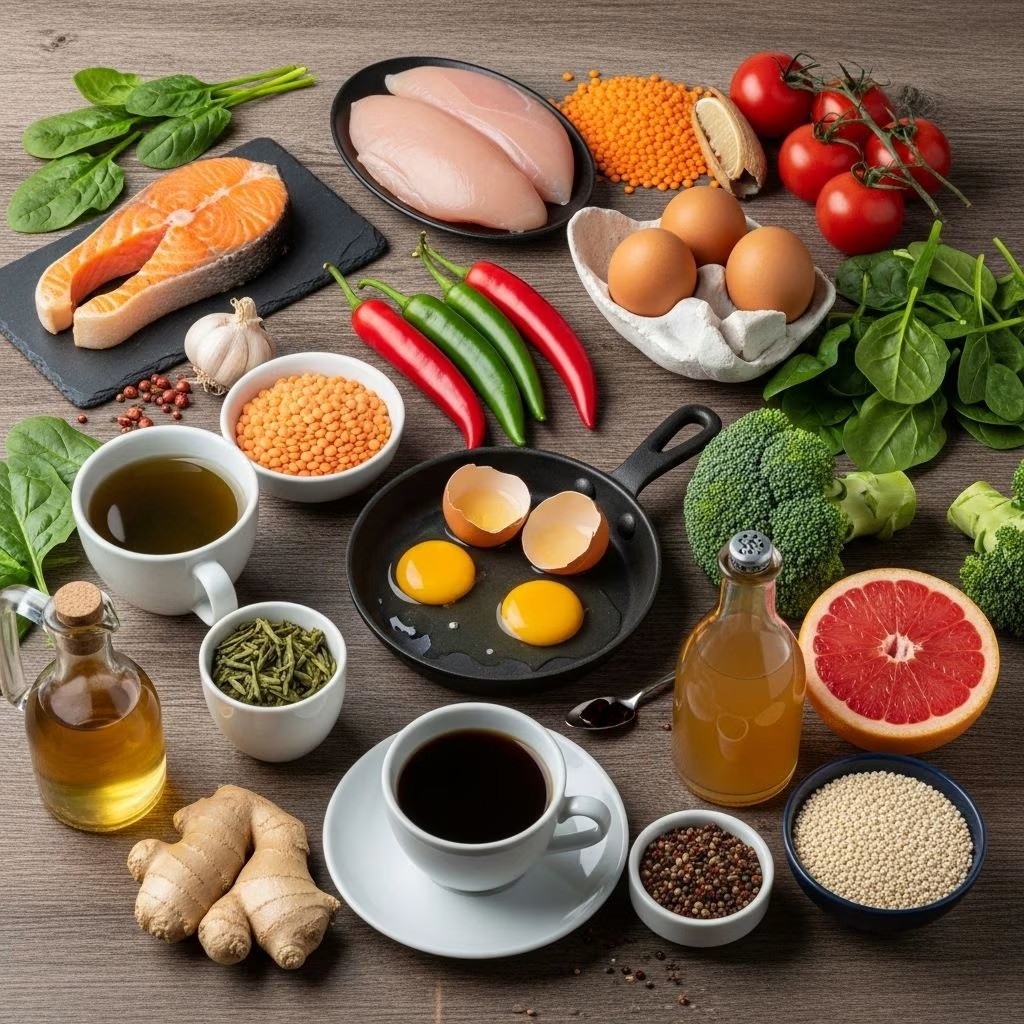
13 Foods That Naturally Boost Your Metabolism for Effective Weight Loss
Maintaining a healthy metabolism is essential for effective weight loss and overall well-being. Metabolism refers to the processes your body uses to convert food and drinks into energy, and choosing the right foods can help speed up these processes, supporting calorie burning and improved energy levels. In this guide, discover 13 metabolism-boosting foods, why they work, how to add them to your diet, and evidence-based tips for success.
What Is Metabolism and Why Does It Matter?
Your metabolism includes all the chemical reactions that keep your body functioning by turning food into energy. A higher metabolic rate means your body burns more calories both at rest and during activity. Factors such as age, muscle mass, genetics, and diet affect how fast your metabolism operates.
Can Foods Really Boost Metabolism?
Some foods can slightly raise your metabolic rate through processes such as diet-induced thermogenesis (DIT) — the energy your body uses to digest, absorb, and metabolize nutrients. While dietary changes alone may only modestly impact metabolism, choosing high-quality, nutrient-dense foods is a proven strategy for weight control, appetite regulation, and maintaining energy.
Top 13 Metabolism-Boosting Foods
- Fatty Fish & Shellfish
- Legumes (Beans, Lentils, Chickpeas)
- Chili Peppers
- Lean Meats
- Low-Fat Dairy (Milk, Yogurt)
- Broccoli
- Lentils
- Whole Grains
- Green Tea
- Coffee
- Nuts (e.g., Walnuts)
- Ginger
- Edamame
1. Fatty Fish & Shellfish
Rich in omega-3 fatty acids and protein, fatty fish such as salmon, tuna, sardines, and mackerel provide nutrients that support a healthy metabolism. Protein requires more energy to digest than fats or carbohydrates, slightly raising calorie burn. Omega-3s may also reduce inflammation and benefit heart health. Experts recommend eating fatty fish at least two times per week.
- Practical Tip: Grill, bake, or steam fish for optimal health benefits. If you dislike fish, consider high-quality omega-3 supplements.
2. Legumes (Beans, Lentils, Chickpeas)
Legumes are high in protein, fiber, iron, and magnesium. Protein and fiber increase gut transit time and satiety, while iron is necessary for oxygen transport and energy metabolism. Legumes include black beans, kidney beans, chickpeas, and peas.
- Practical Tip: Add canned beans to salads, soups, and pasta. Opt for low-sodium labels to control salt intake.
3. Chili Peppers
Capsaicin, the compound that gives hot peppers their kick, can temporarily increase your body temperature and metabolic rate. Though the calorie-burning effect is modest, capsaicin may enhance satiety and promote weight loss when used regularly.
- Practical Tip: Add fresh or dried chili peppers to stir-fries, stews, and egg dishes for a flavorful metabolism boost.
4. Lean Meats
Choosing protein-rich lean meats such as chicken and turkey helps build and sustain muscle mass, which burns more calories even at rest. Protein digestion also requires greater energy expenditure. Trim visible fat and use low-fat cooking methods like broiling or roasting.
5. Low-Fat Dairy (Milk, Greek Yogurt)
Calcium and vitamin D found in milk, cottage cheese, and yogurt are essential for bone health and may assist muscle growth, indirectly boosting metabolism. Choose low-fat or fat-free options for fewer calories.
- Practical Tip: Substitute milk for water in oatmeal or hot cereal, and choose skim or 1% milk for coffee drinks.
6. Broccoli
This cruciferous vegetable is loaded with fiber, water, and vitamins. Broccoli increases fullness and contains antioxidants and phytochemicals that support digestive health. Fiber slows digestion, subtly raising metabolic rate.
7. Lentils
Lentils are high in iron, magnesium, and potassium. One cup offers roughly 35% of daily iron requirements for women, helping prevent energy-sapping anemia. Lentils come in red, brown, green, and yellow varieties, all providing healthy plant protein and fiber.
- Practical Tip: Simmer lentils to use in soups, stews, or salads, adding flavor and nutrition.
8. Whole Grains
Unrefined whole grains, such as brown rice, quinoa, whole wheat bread, and oats, contain fiber that increases DIT. Their slow digestion means more energy spent processing them, raising total calorie burn. Replace processed, refined carbs with whole grains for better blood sugar control and satiety.
9. Green Tea
Green tea includes catechins and a modest amount of caffeine. Research indicates that drinking 2–3 cups daily may increase calorie expenditure by up to 100 calories, though effects vary between individuals. Studies find that catechins (especially EGCG) aid fat oxidation and weight maintenance.
- Practical Tip: Enjoy hot or iced green tea with meals. Limit intake if sensitive to caffeine.
10. Coffee
With 50–100 mg of caffeine per cup, coffee can temporarily boost alertness and energy metabolism. Caffeine may help burn more calories through increased thermogenesis and activity.
- Practical Tip: Drink coffee in moderation and avoid excessive sugar or creamers.
11. Nuts (e.g., Walnuts)
Nuts, especially walnuts, are rich in healthy fats, protein, magnesium, and antioxidants. Controlled studies suggest that walnuts can improve metabolic risk factors such as blood sugar, cholesterol, and appetite regulation.
- Practical Tip: Snack on a small handful of nuts or add to salads and yogurt.
12. Ginger
Ginger contains bioactive compounds that may slightly raise the thermic effect of food (TEF) when added to meals. While the effect is small, ginger has beneficial anti-inflammatory properties and can aid digestion.
13. Edamame
Edamame (young soybeans) are packed with plant-based protein, fiber, and essential nutrients, supporting muscle growth and sustained energy expenditure. Enjoy them steamed or boiled for a healthy snack.
How Metabolism-Boosting Foods Work: The Science Explained
| Food | Main Compound | How It Boosts Metabolism |
|---|---|---|
| Fatty Fish | Omega-3, Protein | Enhances calorie burn via protein digestion; reduces inflammation |
| Legumes | Protein, Iron, Fiber | Promotes fullness; increases energy needed for digestion |
| Chili Peppers | Capsaicin | Slightly raises body temperature and calorie burning |
| Lean Meats | Protein | Supports muscle mass, speeds up digestion |
| Low-Fat Dairy | Calcium, Vitamin D | Aids muscle and bone health |
| Green Tea | Catechins, Caffeine | Enhances calorie burning and fat oxidation |
| Coffee | Caffeine | Stimulates metabolism and alertness |
| Nuts | Healthy fat, Protein | Improves overall metabolic health |
Other Lifestyle Factors That Affect Metabolism
- Physical Activity: Both aerobic and resistance exercise increase calorie burn and build muscle mass.
- Meal Timing: Eating larger meals earlier in the day may support a higher DIT.
- Hydration: Drinking water increases TEF and supports efficient metabolism.
- Sleep: Poor sleep can slow metabolic rate and affect hunger hormones.
Frequently Asked Questions (FAQs)
Q: Will eating metabolism-boosting foods help me lose weight fast?
A: Incorporating these foods may modestly increase calorie burn, but significant weight loss requires a calorie deficit through diet and exercise.
Q: Can spicy foods like chili peppers burn belly fat?
A: Capsaicin in peppers slightly increases metabolism, but the effect is temporary. Regular consumption can support appetite control, but spicy foods alone will not target fat loss.
Q: Is it safe to drink a lot of green tea or coffee?
A: Green tea and coffee are generally safe within moderate limits (2–4 cups/day). Consult your healthcare provider if you have heart conditions, are pregnant, or are sensitive to caffeine.
Q: Are there foods that slow metabolism?
A: Highly processed, refined foods low in nutrients and fiber may lower metabolic efficiency and slow digestion. Focus on whole, minimally processed options for best results.
Q: Do supplements work to boost metabolism?
A: Some supplements claim to boost metabolism, but most have limited scientific support. Whole foods provide superior nutrition and long-term results.
SEO-Optimized Key Takeaways
- Boost metabolism naturally by prioritizing protein, fiber, certain healthy fats, and antioxidant-rich foods.
- Include metabolic boosters daily for improved satiety, energy, and weight control.
- A healthy diet, regular activity, hydration, and sleep work together for optimal metabolism.
Smart Strategies to Integrate Metabolism-Boosting Foods
- Plan for two servings of fatty fish each week.
- Add legumes or lentils to salads, soups, and grain bowls for plant-based protein.
- Spice up dishes with chili peppers or ginger for extra flavor and a metabolic kick.
- Swap refined grains for whole grains (e.g., brown rice, quinoa, oats).
- Enjoy daily servings of low-fat dairy or calcium-rich alternatives.
- Sip on green tea and coffee in reasonable amounts for an energy boost.
References to Scientific Evidence
- Protein-rich foods, fiber, caffeine, and antioxidants contribute to diet-induced thermogenesis and improved metabolism.
- Capsaicin, green tea catechins, and plant-based proteins offer modest calorie-burning effects when used regularly.
- Calcium, iron, magnesium, and antioxidants are essential for metabolic health, muscle function, and energy levels.
References
- https://www.unitypoint.org/news-and-articles/12-metabolism-boosting-foods-to-aid-weight-loss
- https://www.healthline.com/health/metabolism-boosters-weight-loss
- https://www.health.harvard.edu/nutrition/can-you-increase-your-metabolism
- https://www.medicalnewstoday.com/articles/foods-that-boost-metabolism-what-does-the-science-say
- https://pmc.ncbi.nlm.nih.gov/articles/PMC4459594/
- https://pmc.ncbi.nlm.nih.gov/articles/PMC8230308/
- https://medlineplus.gov/ency/patientinstructions/000893.htm
- https://www.health.harvard.edu/staying-healthy/the-truth-about-metabolism
- https://www.mayoclinic.org/healthy-lifestyle/weight-loss/in-depth/metabolism/art-20046508
- https://www.rush.edu/news/how-metabolism-really-works


