


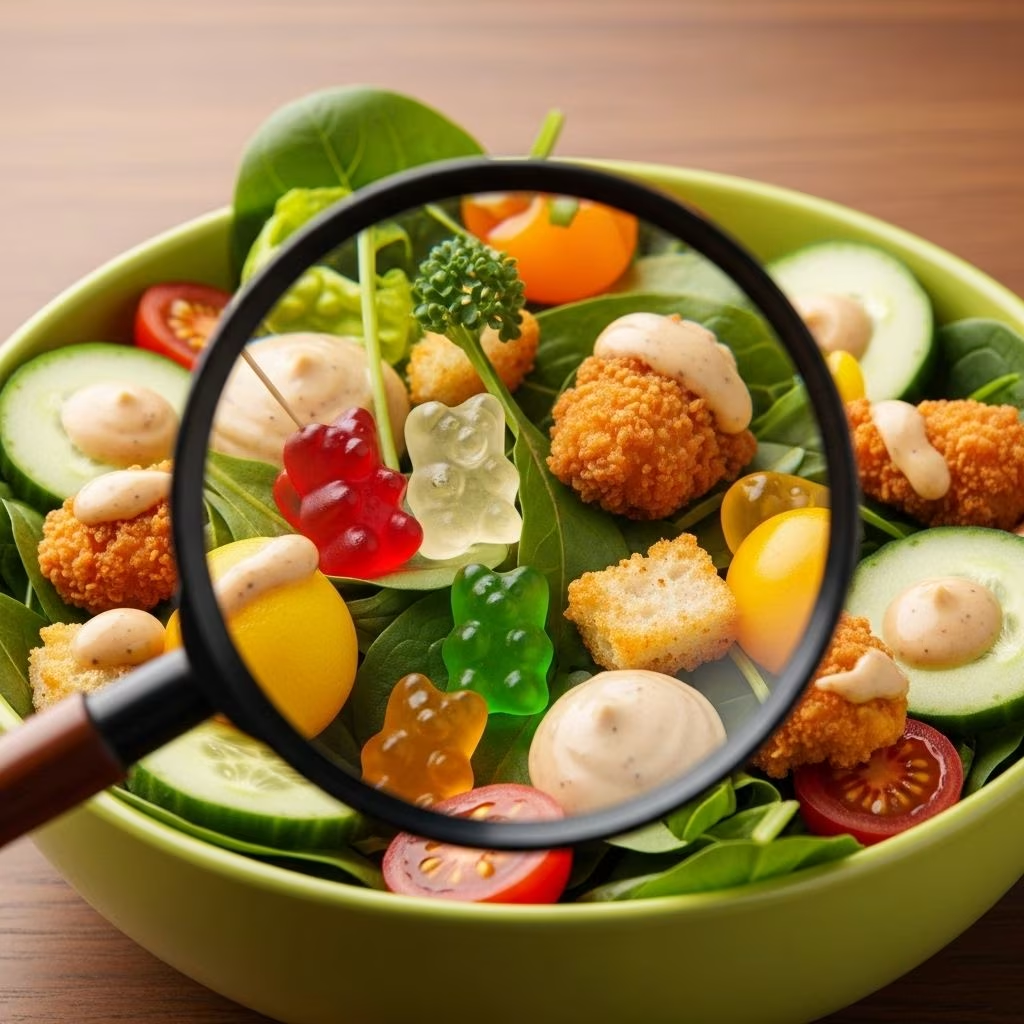
Trying to eat healthy and lose weight is hard enough without deceptive foods disguising themselves as the best choices for your diet. From colorful energy bars to “all-natural” snacks, many so-called diet foods can quietly sabotage your goals. This guide reveals the most common imposters, exposes their weaknesses, and steers you towards better options.
Why Diet Food Imposters Are So Dangerous
Diet food imposters mislead consumers into believing they’re making smart choices while easily derailing calorie control, sugar intake, and overall nutrition. Often, they’re loaded with hidden sugars, unhealthy fats, or overly processed ingredients. The result? You may be consuming as many or more calories as the food you’re trying to replace—sometimes with adverse effects on health and weight loss progress .
1. “Real Fruit” Drinks: Juice Isn’t Always Fruit
Colorful fruit punches and juices often masquerade as healthy options, but many contain as little as 5% actual fruit juice. The rest? Mostly added sugar. For example, a 20-ounce bottle can deliver up to 300 calories—rivaling a cream-filled doughnut .
- Imposter warning: Look for labels that state “100% juice.” Anything less means you’re mostly getting sugar water.
- Healthier alternative: Opt for whole fruits or boxes of 100% fruit juice (in moderation).
2. Poultry Hot Dogs
Many believe poultry hot dogs are leaner and healthier than classic beef or pork hot dogs. Yet, they’re often made with chicken or turkey skin and fat, offering similar fat and calorie counts as their beefy cousins .
- Imposter warning: Skin and fat aren’t always separated out—read the nutrition label before buying.
- Healthier alternative: Seek out low-fat or fat-free franks. Always check for sodium content too.
3. Sugar-Free Cookies and Candy
Labels like “sugar-free” are enticing for dieters, but these products often contain as many calories as their sugary counterparts—sometimes more, because of added fats. The use of sugar alcohols can also cause digestive discomfort, including cramps and diarrhea, if overconsumed .
- Imposter warning: Despite the lack of sugar, calories and fats often remain high.
- Healthier alternative: Enjoy occasional sweets containing real sugar but practice portion control.
4. Multi-Grain Bread: Look Beyond the Hype
Many breads labeled “multi-grain” conjure up images of whole nutrition, but they’re often made with refined grains and offer little extra fiber or nutrients. The key word missing is “whole grain” .
- Imposter warning: Multi-grain does not guarantee whole grain. Enriched or processed grains are common.
- Healthier alternative: Choose breads labeled “100% whole grain” or “100% whole wheat.”
5. Diet Soda
No calories means harmless, right? Not exactly. Diet sodas get their sweet taste from artificial sweeteners, which can trigger cravings for sweets and may disrupt appetite regulation and blood sugar levels. Some studies even link diet soda to weight gain rather than weight loss .
- Imposter warning: Long-term reliance on artificially sweetened beverages can affect health and may sabotage appetite control.
- Healthier alternative: Drink plain water, sparkling water, or unsweetened tea and coffee.
6. Deli Turkey and Processed Lunch Meats
Deli meats like turkey breast seem healthy, but often contain carrageenan, excess sodium, and caramel coloring. The meat can be highly processed, containing fillers and preservatives with questionable health effects .
- Imposter warning: The ingredient list often hides processed additives after the first few core ingredients.
- Healthier alternative: Roast your own lean meats and slice them for sandwiches. Choose products with fewer ingredients and avoid added colors and fillers.
7. Granola Bars: Junk Food in Disguise
Once considered the epitome of health, most granola bars are little more than sugar-laden, processed snacks. They often contain marshmallows, chocolate chips, corn syrup, and very little actual whole grain .
- Imposter warning: Carefully check sugar, fiber, and whole grain content.
- Healthier alternative: Opt for bars with fewer than 6 grams of sugar per serving and several grams of fiber. Or, snack on nuts and fruit instead.
8. Pretzels: The Not-So-Smart Snack
During the low-fat craze, pretzels were crowned a guilt-free snack. However, they’re made with refined flour and salt, providing little nutrition and sometimes contributing to heart health concerns .
- Imposter warning: High in sodium and almost entirely simple carbs.
- Healthier alternative: Munch air-popped popcorn or raw veggies instead.
9. Veggie Sticks and Chips
Bags of “veggie chips” or sticks sound healthy, but they’re typically made from corn flour, potato starch, and only trace amounts of vegetables (usually limited to colored powder for appearance).
- Imposter warning: Most of the vitamins and fiber of vegetables do not survive the processing.
- Healthier alternative: Fresh cucumber, celery, carrot, or bell pepper sticks are true vegetable snacks.
10. Sweetened Yogurt
Yogurt can be a nutritious snack—if you choose wisely. Many “fruit on the bottom” or flavored yogurts contain as much added sugar as a dessert .
- Imposter warning: Watch for sugar content that rivals ice cream.
- Healthier alternative: Choose plain yogurt and add your own fresh, whole fruit for sweetness.
11. Sweetened Oatmeal
Oatmeal is a nutritious whole grain, but many flavored packets are loaded with added sugars, artificial flavors, and colors—undermining breakfast with a blood sugar spike and crash .
- Imposter warning: Watch for packets high in sugar and short on fiber.
- Healthier alternative: Make plain oatmeal and add natural flavors like grated apple, mashed banana, or fresh berries.
12. Water with Added Vitamins
“Vitamin water” is essentially water with added sugar and coloring. Most people get enough vitamins from their diet or a daily multivitamin—and you certainly don’t need the sugar .
- Imposter warning: These drinks often contain unnecessary sugars with few legitimate benefits.
- Healthier alternative: Drink plain or sparkling water with citrus or mint.
13. Gummy Fruit Snacks
Despite the “fruit” on the label, these chewy snacks get their sweetness from fruit juice concentrate—basically, just sugar without the fiber or nutrients of real fruit .
- Imposter warning: Fruit-shaped is not the same as fruit. These are essentially candy.
- Healthier alternative: Choose whole, fresh fruits for real nutrition and fiber.
14. Hazelnut-Chocolate Spreads
Advertisements highlight milk, hazelnuts, and cocoa, but sugar and palm oil are the star ingredients in most hazelnut-chocolate spreads. In fact, they’re nutritionally similar to standard chocolate frosting .
- Imposter warning: Nearly as much sugar and fat as desserts or frosting.
- Healthier alternative: Spread natural nut butters or choose a small piece of real dark chocolate as an occasional treat.
How to Outsmart Diet Food Imposters
- Read ingredient lists: Shorter lists with foods you recognize are best.
- Focus on whole foods: Fresh fruits, vegetables, lean proteins, nuts, seeds, and whole grains should form the basis of your diet.
- Shop the perimeter of the store: Most ultra-processed foods reside in the center aisles.
- Cook at home: Preparing your own meals gives you control over ingredients and portions.
- Don’t fear moderation: Occasional treats are fine, especially when savored mindfully in small amounts.
Table: Common Diet Food Imposters vs. Better Choices
| Imposter | Why it deceives | Better choice |
|---|---|---|
| Fruit drinks | High sugar, little juice | 100% juice or whole fruit |
| Poultry hot dogs | Often as fatty as beef versions | Low-fat or fat-free hot dogs |
| Sugar-free cookies | Still high in calories/fat | Portion-controlled regular cookies |
| Multi-grain bread | Refined grains, little fiber | 100% whole grain bread |
| Granola bars | Often high sugar | Low-sugar, high-fiber bars or nuts & fruit |
| Diet soda | Artificial sweeteners, hunger trigger | Plain or sparkling water |
Frequently Asked Questions (FAQs)
Are all fat-free or low-calorie foods safe for weight loss?
No. Many fat-free or low-calorie foods compensate with added sugars or processed carbs, which can still increase your calorie intake and contribute to weight gain.
What are some red flags to spot diet food imposters?
Watch for lengthy ingredient lists, especially with added sugars, various forms of refined flours, artificial sweeteners, and preservatives or colorants.
Can “healthy” packaged snacks be included in a balanced diet?
In moderation, yes. The key is to favor snacks that are minimally processed, made from whole foods, or offer a balance of protein, fiber, and healthy fats.
What should I look for when buying processed foods?
Opt for products with short ingredient lists, familiar components, and little to no added sugar. Look for whole grains, unsweetened, and no artificial colorings or preservatives.
How can I reduce my intake of diet food imposters?
Focus on unprocessed foods, shop the store’s perimeter, prepare more meals at home, and learn to read nutrition labels carefully to avoid hidden ingredients.
References
- https://www.prevention.com/weight-loss/a20429626/diet-food-imposters/
- https://foodsmart.com/blog/top-10-healthy-food-impersonators
- https://www.prevention.com/food-nutrition/healthy-eating/a65664887/ultra-processed-foods-weight-loss-gut-health-study/
- https://www.heartandstroke.ca/articles/10-foods-that-sound-healthy-but-arent
- https://grad.tamu.edu/aggie-life/aggie-voice/i-eat-like-a-broke-college-student
- https://scitechdaily.com/eat-cake-lose-weight-study-flips-the-dieting-rulebook/
- https://www.prevention.com/health/a65399691/ultra-processed-foods-chronic-disease-study/
- https://www.prevention.com/food-nutrition/healthy-eating/a65788242/myths-recent-food-headlines/
- https://pmc.ncbi.nlm.nih.gov/articles/PMC9099444/
- https://www.hawaiipacifichealth.org/healthier-hawaii/eat-healthy/simple-strategies-for-cleaning-up-your-diet/


