


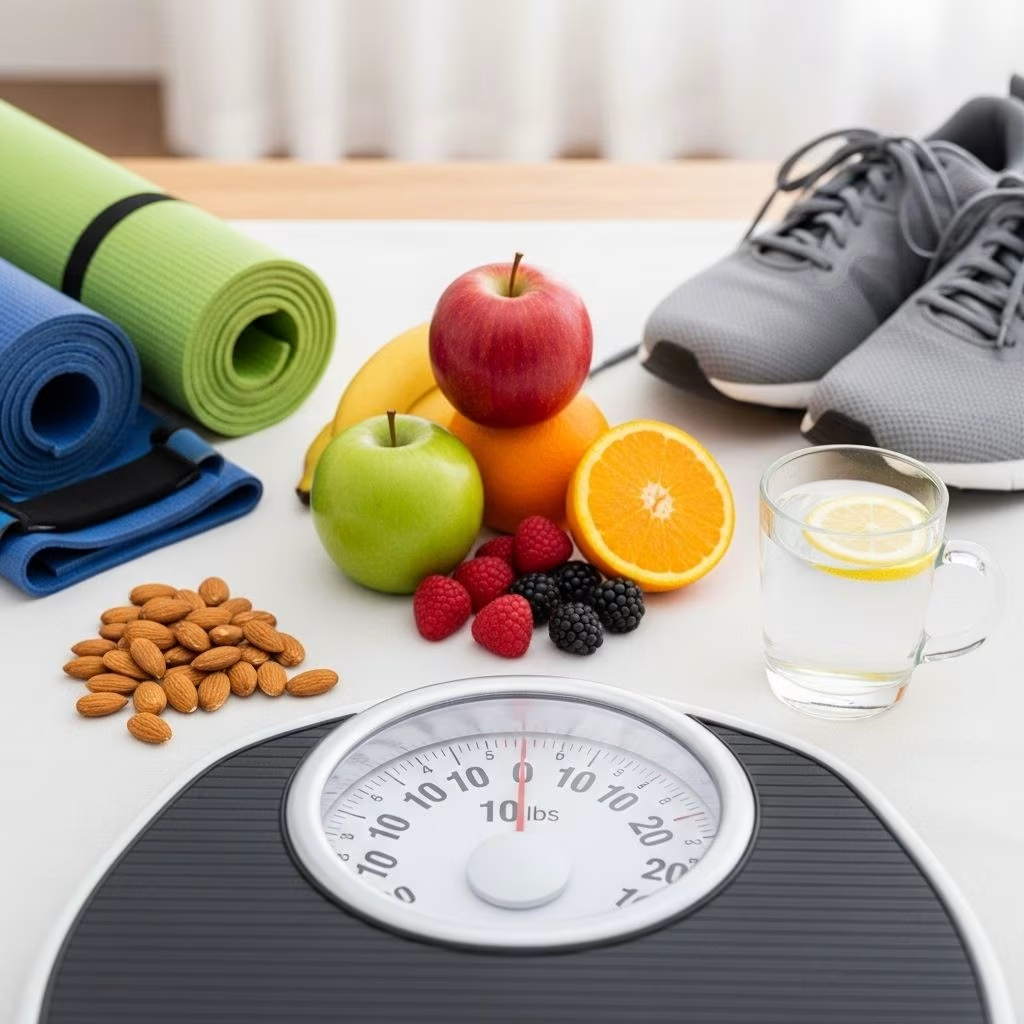
14 Proven Strategies to Lose 10 Pounds Safely
Losing 10 pounds may seem daunting, but with a focus on realistic, science-backed strategies, it’s achievable and sustainable. These 14 expert-approved tips combine dietary changes, physical activity, and lifestyle adjustments to help you lose 10 pounds—and keep them off. Each tip is designed to yield steady results while supporting overall health and well-being.
1. Track Your Intake for Awareness
One of the most effective tools for weight loss is understanding your current eating habits. Tracking what you eat—either in a journal or an app—can reveal patterns, highlight problem areas, and help you make informed decisions about where to cut calories.
- Keeping a food diary or using an app enhances mindfulness and accountability.
- Be honest and thorough to get the most out of this practice.
- Consider tracking not just calories, but also macronutrients and portion sizes for a more complete picture.
2. Focus on Whole Foods
Base your diet on minimally processed foods such as fruits, vegetables, lean proteins, whole grains, and healthy fats. Whole foods are typically more filling, lower in calories, and provide vital nutrients.
- Fill half your plate with veggies at every meal—they’re high in volume and low in calories.
- Opt for lean meats, beans, fish, and tofu as main protein sources.
- Swap white breads and pastas for whole-grain versions.
3. Watch Portion Sizes
Even healthy foods can lead to weight gain if eaten in excess. Learning portion control is critical.
- Use smaller plates and bowls to help manage serving sizes.
- Read nutrition labels and measure out servings until you gain confidence.
- Pay attention to hunger and fullness cues—stop eating when you feel satisfied, not stuffed.
4. Cut Back on Sugar and Refined Carbohydrates
Refined sugars and carbohydrates (like white bread, pastries, and soda) spike blood sugar and provide little nutritional value. Reducing these can support fat loss.
- Limit desserts, soda, and sugary drinks—replace them with water, herbal tea, or sparkling water with fruit.
- Favor whole grains like oats, quinoa, brown rice, and barley over refined products.
- Check ingredient lists for hidden sugars—honey, agave, syrup, and fruit juice counts.
5. Move Every Day
Physical activity helps you create the calorie deficit needed for fat loss, boosts energy, and supports long-term health.
- Aim for at least 150 minutes of moderate activity weekly or 75 minutes of vigorous exercise.
- Break movement into smaller chunks—10-minute walks after meals, dance breaks, or bike rides.
- Find activities you enjoy so it becomes easier to stick with them long-term.
6. Practice Intervals or High-Intensity Workouts
Interval training alternates short bursts of high effort with lower-intensity recovery periods. This technique burns more calories in less time and raises your metabolic rate post-exercise.
- Try intervals with running, cycling, or circuit training.
- Begin with 20-30 seconds of all-out effort followed by 1-2 minutes of light activity; repeat for 15-20 minutes.
- If intervals aren’t your thing, aim to increase the intensity of your preferred workouts.
7. Include Strength Training
Building muscle boosts metabolism and helps your body burn more calories at rest.
- Strength train major muscle groups 2-3 times per week using weights, resistance bands, or your own bodyweight.
- Focus on compound exercises like squats, lunges, push-ups, and rows for best results.
- Don’t worry about bulking up—muscle gain is gradual, and increased strength aids fat loss.
8. Increase Non-Exercise Activity (N.E.A.T.)
Non-Exercise Activity Thermogenesis (N.E.A.T.) comprises calories burned through daily movement outside of formal workouts—standing, walking, chores, and fidgeting.
- Take the stairs, park farther from your destination, or walk during phone calls.
- Set reminders to get up and move each hour, especially if you have a desk job.
- Small movements add up and are especially helpful on days you can’t exercise.
9. Ditch Sugar-Sweetened Beverages
Drinking calories—especially from sodas, juice, sweet tea, and flavored coffees—adds up quickly and often goes unnoticed.
- Replace sweet beverages with water, unsweetened tea, or black coffee.
- Infuse water with fresh fruit, cucumber, or mint to make it more appealing.
- Alcohol, even in small amounts, can slow fat loss and stimulate appetite.
10. Eat Mindfully
Mindful eating means slowing down, savoring food, and paying attention to your body’s signals.
- Turn off screens, put away distractions, and focus on each bite.
- Chew thoroughly and pause between bites to allow fullness signals to reach your brain.
- Reframe meals as time for nourishment rather than multitasking.
11. Don’t Skip Meals
Skipping meals can backfire, leading to excessive hunger and overeating later. Consistent meals balance hormones and keep you energized.
- Stick to regular meal times, or eat every 3–4 hours, depending on your hunger.
- If mornings are rushed, prep simple grab-and-go breakfasts such as overnight oats or Greek yogurt and berries.
- Healthy snacks (nuts, fruit, cottage cheese) can help curb hunger between meals.
12. Get Enough Sleep
Short sleep durations impact hormones related to appetite and fat storage. Chronic fatigue can also make healthy choices harder.
- Shoot for 7–9 hours of quality sleep each night.
- Stick to a consistent bedtime and practice a relaxing routine before bed.
- Avoid screens, caffeine, and heavy meals close to bedtime to improve sleep quality.
13. Allow for Treats
Deprivation often leads to cravings and binge eating. Instead, plan treats mindfully so you don’t feel restricted.
- Schedule a treat once a week (such as pizza night or a dessert) and enjoy it without guilt.
- Portion control matters—have two slices of pizza, not the whole pie.
- Focus on savoring the treat rather than mindlessly indulging.
14. Stay Hydrated
Water supports metabolism, satiates hunger, and improves digestion.
- Drink at least 8 cups (2 liters) of water daily; increase with activity or hot weather.
- Start meals with a glass of water to curb appetite.
- Carry a water bottle with you and sip regularly throughout the day.
Table: Key Dietary Changes for Losing 10 Pounds
| Diet Change | What to Do | Why It Helps |
|---|---|---|
| Reduce added sugar | Avoid sweetened drinks and desserts | Fewer empty calories, lower blood sugar spikes |
| Increase veggies | Fill half your plate with vegetables | Low calorie, high fiber, keeps you full |
| Add lean protein | Eat poultry, fish, beans, and tofu | Preserves muscle, boosts satiety |
| Limit refined carbs | Choose whole grains, skip white bread/pasta | Stabilizes energy, reduces cravings |
| Healthy fats | Include nuts, seeds, avocado, and olive oil | Supports fullness, hormonal balance |
Frequently Asked Questions (FAQs)
Q: How quickly can I lose 10 pounds?
A: Experts recommend aiming for 1–2 pounds per week, meaning 10 pounds may take 5–10 weeks for most people. Rapid weight loss is often unsustainable and may lead to muscle loss or nutritional deficiencies.
Q: Do I need to exercise to lose 10 pounds?
A: Exercise accelerates fat loss and preserves muscle mass, but you can lose weight through diet alone. However, incorporating movement boosts your results and improves overall health.
Q: Are low-carb diets the best choice for everyone?
A: Low-carb diets work well for many, but they aren’t for everyone. Sustainable weight loss is about finding a style of eating that fits your preferences, lifestyle, and medical needs.
Q: Is it OK to include treats when dieting?
A: Allowing occasional treats helps prevent feelings of restriction, which can sabotage your efforts. Mindful splurges promote long-term adherence and satisfaction.
Q: Can I lose 10 pounds by simply drinking more water?
A: Staying hydrated supports weight loss but is not sufficient on its own. Pairing water intake with balanced nutrition and activity yields real, lasting results.
Start Today: Steps for Immediate Progress
- Begin tracking your food intake with an app or journal.
- Make a shopping list centered around whole foods and fewer processed products.
- Schedule regular movement—walking, interval training, or simple strength exercises.
- Set a sleep routine for greater energy and willpower.
- Plan one mindful treat for the week to prevent deprivation.
Final Thoughts
Successful weight loss is not about short-term deprivation or drastic measures—it’s about adopting simple habits and staying consistent. By following these 14 strategies, you’ll not only lose 10 pounds but also build the foundation for lasting health and vitality.
References
- https://www.medicalnewstoday.com/articles/321493
- https://www.prevention.com/weight-loss/a20454606/lose-weight-without-starving/
- https://www.prevention.com/weight-loss/g20450133/50-ways-to-lose-10-pounds/
- https://www.prevention.com/weight-loss/a30188568/lose-weight-without-exercise-0/
- https://www.prevention.com/weight-loss/diets/a60578947/how-to-lose-weight-fast-safely/
- https://www.prevention.com/weight-loss/g20506618/weight-loss-maintenance/
- https://www.prevention.com/weight-loss/g20497249/14-ways-to-lose-10-pounds/
- https://www.prevention.com
- https://www.prevention.com/weight-loss/g20494908/how-to-start-losing-weight/
- https://www.cdc.gov/healthy-weight-growth/losing-weight/index.html


