


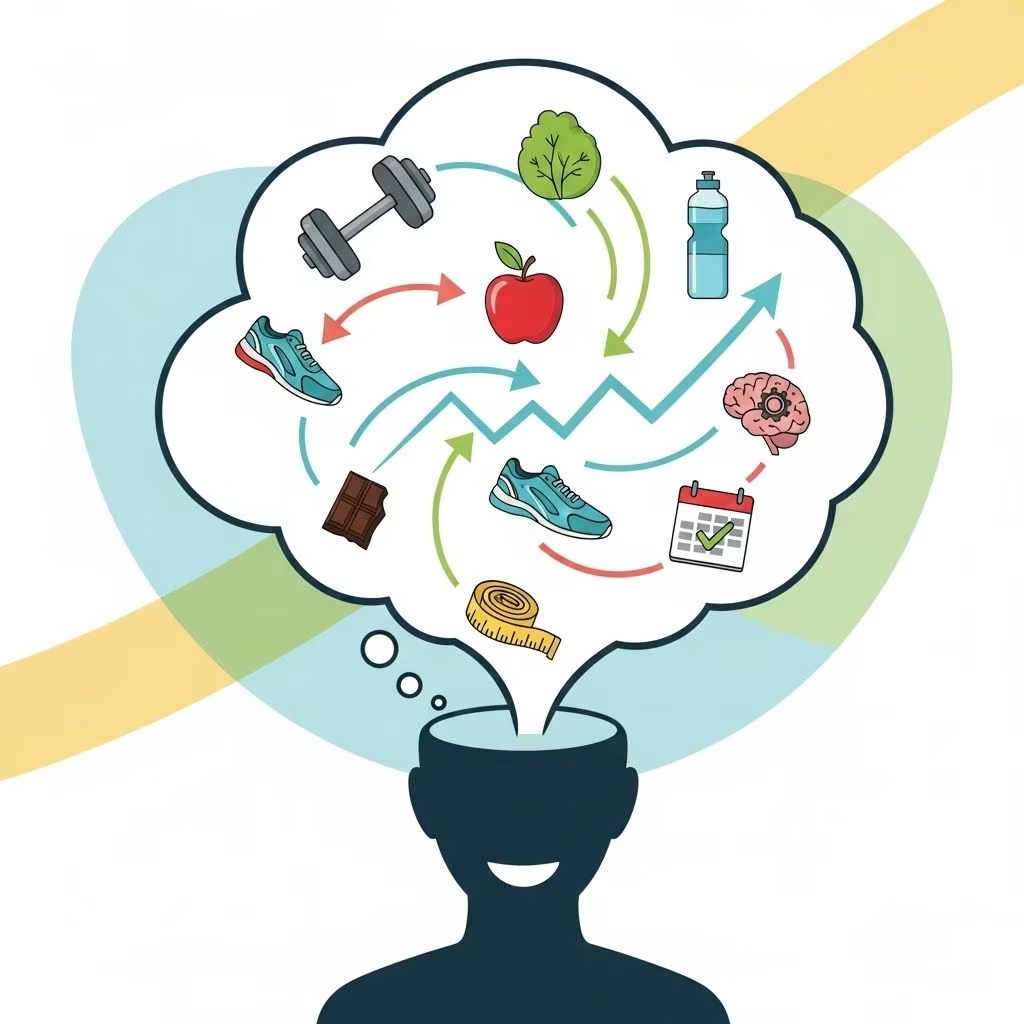
14 Simple Tricks to Outsmart Yourself Into Losing Weight
Losing weight doesn’t have to mean strict diets, food deprivation, or grueling gym sessions. For many people, the key is making subtle changes to daily routines, environment, and even mindset. This guide distills science-backed strategies, behavioral psychology, and expert recommendations into 14 actionable tips that leverage the way your brain and body work—for effortless, sustainable results.
Why ‘Tricking’ Yourself Works: The Science Behind Habits
Rather than relying solely on willpower, these strategies tap into psychological principles and small tweaks that remove barriers to healthy choices and help rewire your instincts. By subtly guiding your decisions, you can create new habits that result in weight loss—often without conscious effort.
1. Use Smaller Dishes and Portion Containers
People often eat more simply because of large plate or bowl sizes. Behavioral experts discovered that switching to smaller dinnerware can reduce calorie intake without feeling deprived. Serving yourself on salad plates, using smaller bowls, and portioning snacks into single-serving containers naturally curtail overeating by changing your visual cues and perceptions of fullness.
- Smaller plates = less food consumed before feeling satisfied.
- Visual trick: A full small dish creates the illusion of abundance, helping you feel content with reduced portions.
2. Keep Temptation Out of Sight
What you see is what you crave. Studies repeatedly show that people consume more junk food when it’s visible. Hide candy, chips, and other sugary snacks out of sight (or better, out of the house entirely). Conversely, place fruit, vegetables, or nuts at eye level in your kitchen and workspace. The result: you’re much more likely to reach for healthier options when hunger (or boredom) strikes.
- Store unhealthy snacks in opaque containers or high shelves.
- Display fresh produce prominently on your counter or desk.
3. Pre-Commit to Healthy Choices
Plan your meals and snacks in advance, especially during busy or stressful periods when willpower tends to flag. Even making a decision about what you’ll order before going out can circumvent impulse eating. Research shows that pre-committing to healthier options not only reduces calorie intake but also decreases food anxiety and last-minute rationalizations.
4. Eat Mindfully—Focus on Your Food
Mindful eating is a proven technique for reducing overeating. That means turning off screens, sitting down to eat, and savoring every bite. Studies link distracted eating to larger portion sizes and quicker consumption, while being fully present slows your pace and enhances satiety signals. Start with one meal a day, making sure to taste, chew, and enjoy your food.
- Avoid eating in front of the TV or while scrolling your phone.
- Count your bites or chew slowly to extend mealtime.
5. Snack Before Shopping: The Fruit Trick
Grabbing a healthy snack, such as an apple, before grocery shopping can lead to smarter purchases. Research from Cornell University found that shoppers who ate a piece of fruit bought 28% more produce and less junk food than those who snacked on cookies or shopped hungry. This tip is especially useful for curbing impulse buys at the store.
- Eat a small, healthy snack (like an apple) before grocery shopping.
- This primes your mind to seek out healthier food.
6. Distract Yourself From Cravings
When a craving hits, even a brief distraction can short-circuit the urge. In one study, playing Tetris for just three minutes reduced cravings for snacks by up to 20%. Engaging your mind in an immersive, non-food-related activity helps shift focus and diminishes psychological hunger.
- Try puzzles, video games, crafts, or quick outdoor walks when cravings surface.
- The key is to redirect your cognitive energy from food to another engaging task.
7. Track Your Progress—Even If Just Once a Week
People who weigh themselves regularly lose more weight over time than those who avoid the scale. Monitoring your results helps you quickly identify patterns that work and those that don’t. Like mindful eating, self-monitoring increases accountability and makes you feel more in control of your choices.
- Weigh yourself at least once a week.
- Consider a food diary or photo journal for extra motivation.
8. Take a 30-Minute Daily Walk
You don’t need an exhaustive workout routine—simply walking briskly for 30 minutes daily can shrink your waist size and boost overall health. One study found participants lost 1.6 inches off their waist after 12 weeks of daily walks. Consistency matters more than intensity.
- Choose a time of day that fits your schedule—morning, lunch, or evening.
- Walk outdoors for extra mood-boosting benefits, or try pacing indoors if weather is bad.
9. Cook More Often
Preparing your own meals means more control over ingredients, portion size, and nutritional value. A UK study revealed that people who ate more than five homemade meals weekly were 28% less likely to have a high body mass index. Home cooking encourages well-rounded, plant-rich diets and typically involves fewer processed sugars and unhealthy fats.
- Experiment with simple recipe swaps—steamed, baked, or grilled options over fried foods.
- Create a weekly meal plan to reduce last-minute unhealthy choices.
10. Avoid Sugary and Ultra-Processed Foods
Excess sugar and processed foods can derail weight loss efforts by promoting inflammation and spikes in blood glucose. Swapping these foods for whole grains, vegetables, and lean proteins supports fat loss and sustained energy.
- Read labels for hidden sugars and artificial ingredients.
- Choose fresh or minimally-processed foods whenever possible.
11. Monitor for Behavior ‘Warning Signs’
Identify and track personal patterns that lead to overeating—such as eating late at night, using food as an emotional reward, or eating while fatigued. Behavior experts recommend compiling a list of “red flags” and developing strategies to address them proactively.
- Journaling can help spot trends.
- Develop alternative self-care rituals for stress or boredom that don’t revolve around food.
12. Enjoy Breakfast (If It Suits You)
Statistical studies show that people who maintain long-term weight loss or always stay at a healthy weight overwhelmingly eat breakfast daily. A balanced breakfast supplies energy, controls appetite throughout the day, and sets a positive tone. However, if breakfast isn’t for you, don’t force it—the key is finding a routine you can maintain.
- Choose satisfying, nutrient-dense breakfast options: eggs, oatmeal, or Greek yogurt with fruit.
- Don’t skip meals if it triggers overeating later.
13. Embrace Occasional Treats—Mindfully
Deprivation diets fail because they ignore basic human psychology. Allowing yourself small, planned indulgences in foods you love prevents bingeing and feels less restrictive. The trick: treat yourself deliberately and savor every bite. This helps avoid food guilt and supports a sustainable weight loss plan.
- Practice mindful treat consumption: eat slowly, focus fully on taste and texture.
- Balance treats with healthy meals, not guilt.
14. Don’t Dwell on Slip-Ups
One unhealthy meal or treat does not define your progress. Instead of spiraling into guilt, accept slip-ups and refocus on the next healthy decision. Stressing or punishing yourself actually undermines motivation and may lead to emotional eating.
- Practice self-compassion—focus on progress, not perfection.
- Return to normal habits without restrictive compensation.
Quick Reference Table: Weight Loss Tricks and Their Benefits
| Strategy | Psychological Principle | Benefit |
|---|---|---|
| Smaller dishes | Visual cues | Reduced portions |
| Snack before shopping | Priming effect | Healthier purchases |
| Mindful eating | Focused attention | Lower caloric intake |
| Regular self-weighing | Self-monitoring | Better progress tracking |
| Daily walking | Low-barrier exercise | Waist and fat loss |
| Cooking at home | Environmental control | Healthier meals, weight management |
| Avoid processed foods | Reduce exposures | Decreased cravings, better nutrition |
Frequently Asked Questions (FAQs)
Q: Do these strategies work for everyone?
A: While most people benefit from behavioral tweaks, some may need additional support—such as a dietitian or medical advice—for unique health concerns or metabolic challenges.
Q: Can I lose weight without exercising?
A: Yes, the above strategies can prompt significant weight loss through dietary and behavioral changes alone, but physical activity improves overall health and accelerates results.
Q: How quickly will I see results?
A: Changes vary by individual, but small habitual adjustments usually produce gradual, steady progress after just a few weeks.
Q: Are occasional treats harmful to weight loss?
A: No. Mindful indulgence actually helps maintain motivation and prevents bingeing. The key is moderation and intentional choice.
Q: What if I struggle with emotional eating?
A: Identifying triggers—like stress, fatigue, or boredom—is vital. Substitute non-food coping mechanisms (e.g. walking, journaling, calling a friend). Consider professional help if patterns persist.
Takeaway
Lasting weight loss isn’t about fighting yourself—it’s about creating environments and habits that make healthy choices the automatic, easy path. By applying these simple tricks, you’ll reinforce positive behaviors, feel in control, and set the stage for lifelong wellness, one small change at a time.
References
- https://www.prevention.com/weight-loss/g20498713/lose-weight-without-trying/
- https://www.prevention.com/weight-loss/a20458064/new-research-on-how-to-lose-belly-fat/
- https://www.prevention.com/weight-loss/g20506618/weight-loss-maintenance/
- https://www.prevention.com/weight-loss/a20439221/lose-weight-without-diet-or-exercise/
- https://www.prevention.com/weight-loss/a20437039/100-easy-tricks-to-move-more-and-lose-weight/
- https://www.prevention.com/health/a65401665/expert-walking-tips-weight-loss/
- https://www.prevention.com/weight-loss/g20496057/6-ways-to-lose-weight-without-feeling-hungry-all-the-time/
- https://www.prevention.com/weight-loss/g20487308/how-to-stop-losing-and-gaining-the-same-10-pounds/
- https://www.prevention.com/weight-loss/g20484531/6-mini-weight-loss-moves-that-lead-to-major-results/
- https://www.prevention.com/weight-loss/diets/g20440614/25-best-weight-loss-tips-ever/


