


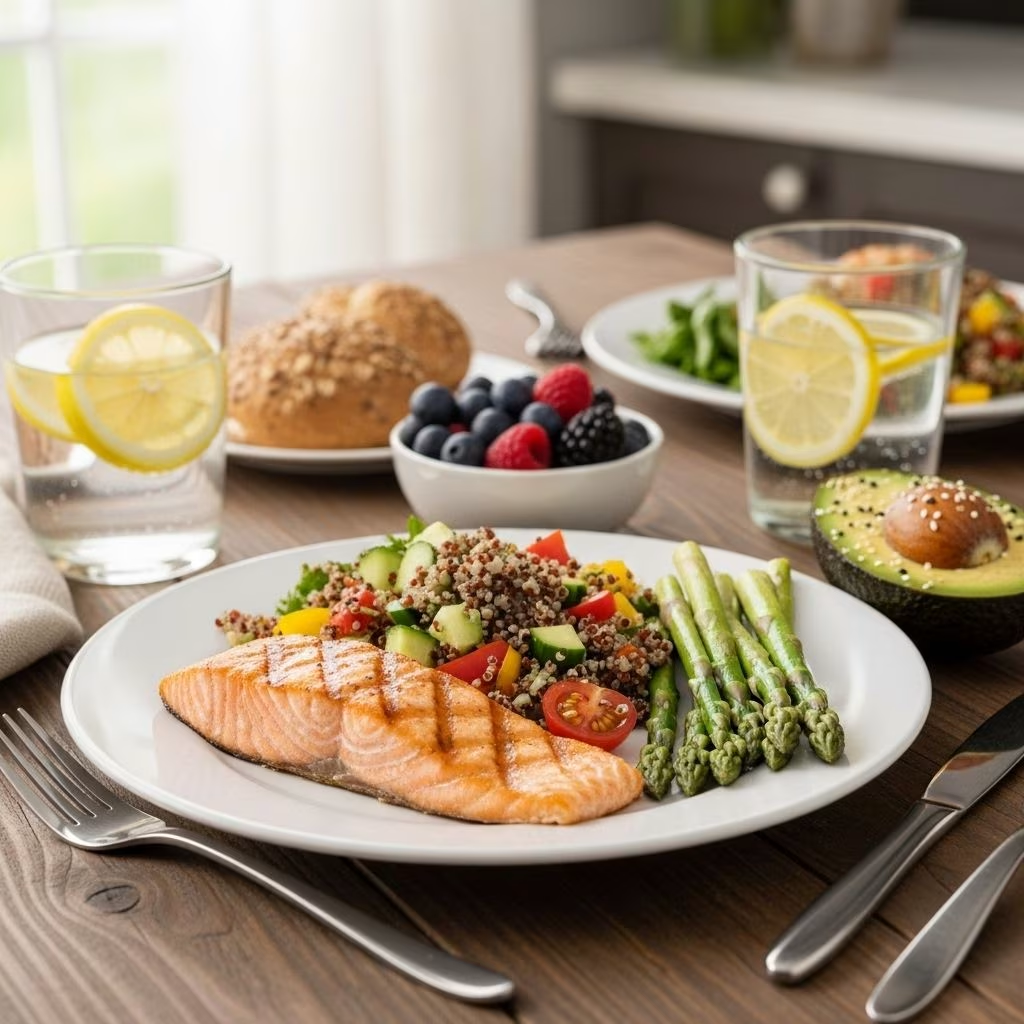
Food and Diet Tips for Weight Loss and Better Health
Losing weight and maintaining a healthy diet doesn’t have to mean rigid restriction or giving up the foods you love. Health professionals and nutritionists alike emphasize balance, smarter choices, and developing lifelong habits—so you can feel energized, healthier, and satisfied. In this article, you’ll find proven advice and actionable tips to guide your weight loss and wellness journey, drawn from top experts in nutrition, medicine, and fitness.
Why a Healthy Diet Matters
An unhealthy diet—high in saturated fats, added sugars, and processed foods—has been identified by the World Health Organization as one of the leading risks to global health. Poor dietary choices raise your risk of disease, inflammation, and malnutrition. Embracing a healthy diet not only supports weight loss, but also strengthens your immune system, uplifts your mood, and sustains your energy.
- Packed produce, fruits, and grains: The foundation of a healthy plate, packed with vitamins, minerals, and fiber.
- Nuts, vegetable oils, legumes, and whole grains: Satiate, support heart health, and keep you full longer.
- Animal products: Enjoy in small amounts, focusing on dairy and fish for nutrient-rich, low-fat options.
15 Key Tips for a Smarter Diet
Overhauling your diet does not mean deprivation. Experts recommend emphasizing nutrient-dense foods most of the time, with room for treats and flexibility for sustainable habit changes. Let’s break down the most impactful food and diet tips for weight loss:
1. Let Vegetables Take Center Stage
Make vegetables the star of your meals, relegating animal protein (meat, poultry, fish) to a supporting role. This increases dietary fiber, antioxidants, and micronutrients while lowering calorie density.
- Fill half your plate with a variety of colorful vegetables.
- Experiment with roasting, steaming, or stir-frying to maximize flavor without excessive calories.
- Explore leafy greens, cruciferous veggies, and root vegetables for endless meal possibilities.
2. Understand Your Calorie Budget
Everyone has a daily calorie allowance governed by age, gender, and activity level. Knowing this empowers you to plan meal sizes and avoid accidental overconsumption.
- Use trusted nutrition trackers or consult a registered dietitian to determine your personal calorie needs.
- Choose servings of whole grains, produce, lean proteins, and dairy according to your budget.
3. Map Out Health and Wellness Goals
Good health is layered, covering not just nutrition, but also movement, sleep, stress management, and more.
- Identify nutrition and lifestyle hurdles, and set specific goals—such as improving sleep routine or increasing physical activity.
- Create simple, achievable plans with weekly targets for each area.
4. Listen to Your Hunger Cues
Your stomach is smaller than you might think! Eating slowly and tuning in to fullness can prevent overindulgence.
- Pause periodically during meals to assess your satisfaction.
- Serve yourself realistic portions; most adults’ stomachs are about the size of two fists.
5. Reduce Ultra-Processed Foods
Ultra-processed foods contain industrial ingredients like artificial sweeteners, preservatives, additives, and flavor enhancers, often with little real food content. These contribute to weight gain, gut health issues, and cravings.
- Shop the perimeter of grocery stores—where fresh produce, dairy, and proteins reside.
- Swap packaged snacks for whole-food options like fruit, nuts, plain yogurt, or hard-boiled eggs.
- Read ingredient labels and opt for items with recognizable, natural ingredients.
6. Prep Healthy Meals in Advance
Prepare simple meals or components (such as grain bowls or chopped veggies) ahead of time so nourishing choices are always convenient.
- Batch-cook brown rice, beans, or roasted vegetables for quick weekday lunches.
- Portion snacks in single servings to avoid mindless eating.
7. Practice Portion Control, Not Deprivation
You don’t have to eliminate indulgent foods entirely. Instead, focus on smaller portions while allocating most of your intake to nutrient-dense foods.
- Aim for whole, nutritious foods 75% of the time; allocate 25% for small servings of treats and comfort foods.
- Use smaller plates or bowls to naturally moderate servings.
8. Don’t Skip Meals
Skipping meals can lead to hunger-driven overeating and cravings for nutrient-poor snacks.
- Enjoy regular, balanced meals to protect energy and prevent blood sugar drops.
- Pair carbohydrates with protein and fiber for lasting satiety.
9. Focus on What You Should Eat
Rather than dwelling on what to avoid, emphasize foods and drinks you say “yes” to—those that nourish and delight.
- Make a list of wholesome favorites, like roasted vegetables, fresh berries, or homemade hummus.
- Plan meals around these “yes” foods, letting less healthy choices fade from your routine.
10. Prioritize Whole Foods Over Packaged “Health” Foods
Foods labeled as “healthy”—like granola bars or low-fat cookies—can often sabotage progress because they’re easy to overeat.
- Choose whole, minimally-processed foods such as fruits, vegetables, lean meats, eggs, and plain dairy.
- Beware of “health halos” and check nutrition labels for sugar, sodium, and fat content.
11. Move More, Sit Less
Sustainable weight control combines dietary change and increased physical activity. The Department of Health and Human Services recommends at least 150 minutes of moderate activity per week.
- Incorporate walking, strength training, and flexibility exercises.
- Track your active minutes using journals, apps, or wearable devices to stay accountable.
12. Grocery Shopping Strategies
Having groceries delivered or using pre-loaded shopping lists can prevent impulse buys and ensure healthy options are always on hand.
- Pre-plan your weekly meals and snacks, then fill your online cart accordingly.
- Keep staples like fresh fruit, canned beans, whole grains, and healthy snacks stocked for convenience.
13. Monitor Your Progress, But Be Kind
Track changes to your diet, workouts, and feelings of well-being—but avoid obsessively measuring or self-criticizing.
- Set realistic, short-term goals in addition to broader ambitions.
- Celebrate non-scale victories, like improved energy or fewer cravings.
14. Progress Over Perfection
Even small improvements in your food choices can have big impacts in both the short and long term. Consistency, not perfection, is the foundation of lasting success.
15. Pay Attention to Your Body’s Signals
Be mindful of foods that cause discomfort or cravings—your digestive system and mood will thank you.
- Keep a journal of what you eat and how you feel afterward.
- Look for patterns that reveal helpful changes—such as reduced bloating or improved focus.
Frequently Asked Questions (FAQs)
Q: Do I have to cut out all treats to lose weight?
A: No. Experts recommend practicing portion control—the majority of your diet should be filled with nourishing whole foods, but small, planned servings of your favorite treats are allowed.
Q: How can I identify ultra-processed foods?
A: Look for products with long ingredient lists, especially those featuring artificial sweeteners, stabilizers, or unfamiliar additives. Shop for foods with few ingredients, and favor fresh over packaged when possible.
Q: Is skipping meals a good way to control calorie intake?
A: Skipping meals often backfires, leading to energy drops and powerful cravings. Eating regular, balanced meals is more effective for weight control and emotional well-being.
Q: What’s the difference between whole foods and ‘healthy’ processed foods?
A: Whole foods are minimally processed (e.g., fruit, veggies, eggs, lean meat), providing natural nutrients and fiber. ‘Healthy’ processed foods (like protein bars, veggie chips) often carry added sugar, sodium, or fats and can disrupt your goals if eaten in excess.
Q: How important is physical activity for weight loss?
A: Physical activity is equally crucial as nutrition for successful, lasting weight management. Aim for a mix of cardio, strength, and flexibility, targeting at least 150 minutes per week.
Healthy Eating Template: Visual Guide
| Food Group | Portion Frequency | Examples |
|---|---|---|
| Non-Starchy Vegetables | Half your plate, every meal | Spinach, broccoli, peppers, carrots |
| Whole Grains | One serving per meal | Brown rice, quinoa, oats |
| Lean Protein | Quarter of your plate, every meal | Fish, chicken, eggs, tofu, beans |
| Healthy Fats | Small amounts, daily | Olive oil, nuts, avocado |
| Treats & Processed Foods | Occasionally, in small portions | Chocolate, ice cream, chips |
Quick Start Checklist for Smarter Eating
- Fill most plates with produce—half from vegetables, half from whole grains and protein.
- Batch-cook healthy staples weekly for easy meals.
- Learn your calorie needs to create balanced, satisfying meals.
- Prioritize whole foods over labeled ‘diet’ or processed alternatives.
- Move daily—walk, strength train, or stretch for at least 150 minutes per week.
- Shop smart to limit impulse buys and keep healthy options within reach.
- Track progress, redefine success, and celebrate victories—both large and small.
Summary of Core Principles
The most effective path to weight loss and well-being is built on variety, balance, and consistency. Experts universally agree:
- Healthy eating is about abundance, not deprivation—choosing more of the foods that serve your energy and health.
- Portion control ensures you enjoy treats in moderation, while emphasizing foods that provide lasting satiety.
- Whole foods deliver superior nutrition and support healthy digestion, energy, and mood.
- Integrating sustainable movement and lifestyle habits amplifies the benefits of your diet changes.
- Small steps, tracked progress, and forgiveness for occasional indulgence make healthy eating enjoyable and lifelong.
Resources and Further Reading
- Consult registered dietitians for personalized nutrition guidance.
- Use government and medical association resources for reliable calorie needs and dietary guidelines.
- Track your food and activity using trusted apps to reinforce healthy patterns.
References
- https://www.prevention.com/food-nutrition/healthy-eating/a63423411/foods-you-should-not-eat/
- https://www.prevention.com/weight-loss/diets/g20440614/25-best-weight-loss-tips-ever/
- https://www.prevention.com/weight-loss/a20498660/nutritionist-weight-loss-tips/
- https://www.prevention.com/food-nutrition/healthy-eating/a65664887/ultra-processed-foods-weight-loss-gut-health-study/
- https://www.prevention.com/food-nutrition/
- https://www.prevention.com
- https://www.prevention.com/health/a60486206/heal-your-body-with-food/
- https://www.prevention.com/weight-loss/diets/
- https://www.prevention.com/food-nutrition/healthy-eating/a64297964/healthy-aging-diet-study/
- https://www.prevention.com/food-nutrition/a63749873/guide-to-eating-protein/


