


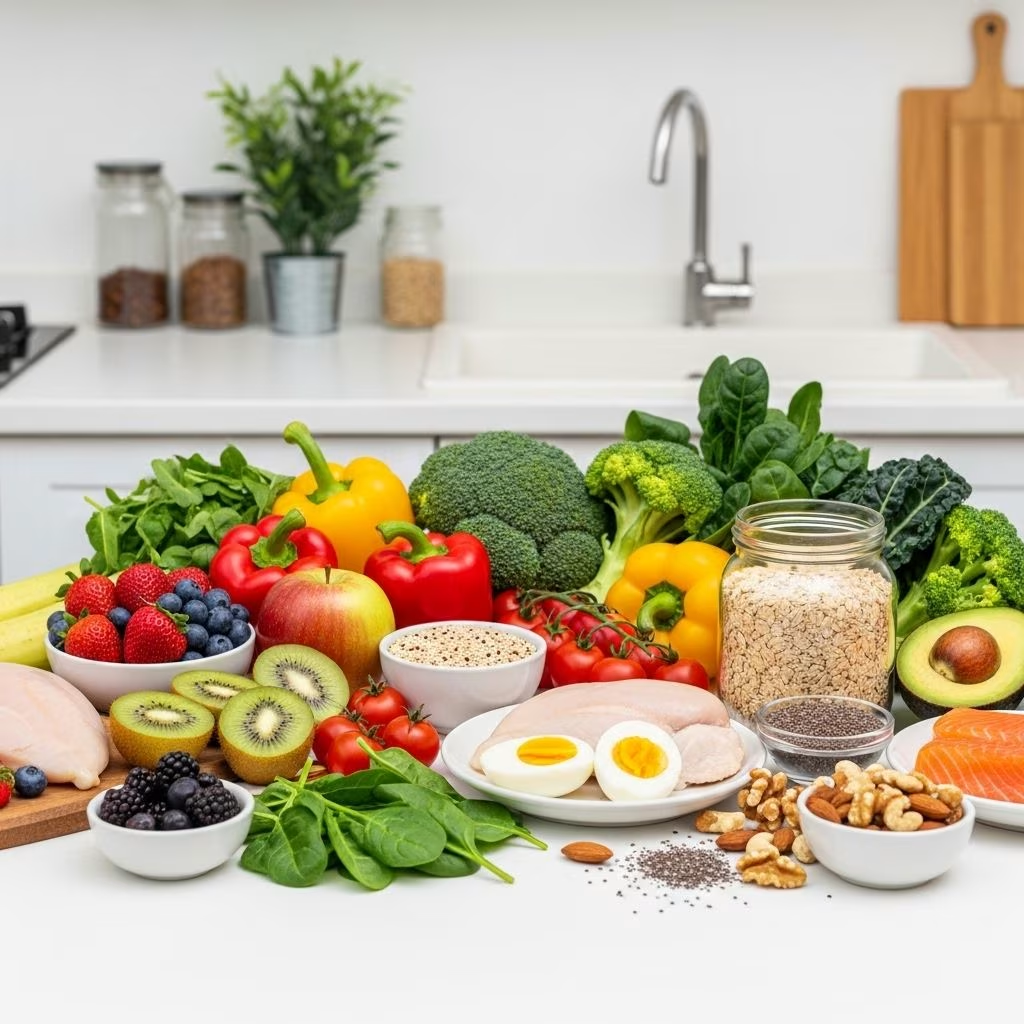
Building a healthy eating routine is a major triumph, but maintaining those habits over the long term can be a unique challenge. True success comes down to sustainability and a positive relationship with food—not restrictive rules or fleeting trends. Here are 16 actionable, dietitian-approved strategies to help you stick to your healthy eating goals for the long haul and to enjoy the process along the way.
1. Don’t Aim for Perfection—Prioritize Consistency
Many people falter in their nutrition journey because they strive for perfection, only to be derailed by the inevitable slip. Instead, focus on being consistently balanced over time. Healthy eating is about making better choices most of the time—not about never enjoying a treat or fearing an occasional indulgence. Allow yourself flexibility and remember that a single meal or day does not define your overall pattern.
2. Set Realistic, Manageable Goals
Sweeping resolutions and extreme changes can set you up for disappointment. Small, sustainable goals have staying power. For example, instead of vowing to “cut out all sugar,” try reducing added sugars in your morning coffee or swapping one sugary snack a day for a piece of fruit. Track your progress and celebrate each achievement, no matter how minor it may seem.
- Swap refined grains for whole-grain versions.
- Add one extra serving of vegetables to your lunch.
- Opt for leaner proteins during dinner at least three times per week.
3. Practice Mindful Eating
Mindfulness isn’t just for meditation—it’s a vital tool for healthy eating. By focusing on your meal, savoring each bite, and truly tuning in to hunger and fullness cues, you’ll improve your satisfaction and may eat less overall. Avoid eating while distracted by screens or multitasking. Try to sit down and fully engage with your food, appreciating flavors, textures, and smells.
4. Plan Ahead—and Don’t Skip Meals
Thoughtful meal planning and preparation can make healthy choices feel effortless. When hunger hits and your kitchen is stocked with nutritious options, you’re less likely to reach for processed snacks or takeout. Pack wholesome snacks for work and aim to eat on a regular schedule. Skipping meals often leads to overeating later in the day and can slow your metabolism.
- Prep cut veggies and fruits for easy access.
- Cook extra portions of grains and proteins for quick lunches.
- Keep healthy snacks like nuts and yogurt on hand.
5. Stock Your Kitchen for Success
Make your environment work for you. Keep healthy staples within easy reach—such as fresh produce, whole grains, lean proteins, and low-fat dairy. Store less healthy temptations out of sight, or avoid buying them altogether. The foods you see first are the ones you’re most likely to eat.
- Place fruit bowls on your counter.
- Arrange cut veggies at eye level in the fridge.
- Store chips and processed snacks in less accessible spots.
6. Hydrate Early and Often
Thirst is often mistaken for hunger. Drinking enough water throughout the day supports metabolism and can prevent unnecessary snacking. Set a water goal—such as eight glasses a day—and start your morning with a glass before anything else. Carry a refillable bottle and set reminders if needed.
7. Cook More at Home
Preparing meals yourself allows you to control ingredients, portion sizes, and cooking methods. Home cooking doesn’t have to be elaborate—simple, nutritious meals often come together quickly. Batch cooking or using kitchen gadgets like slow cookers can make healthy eating convenient, even on busy nights.
- Use herbs, spices, and citrus to flavor dishes without excess salt or fat.
- Experiment with roasted vegetables, grill lean proteins, or make hearty salads.
8. Upgrade Your Favorite Foods
Healthy eating shouldn’t mean giving up what you love. Instead, find ways to increase the nutritional value of your go-to dishes. For example, boost fiber in pasta by choosing whole wheat versions and adding veggies. Swap full-fat dairy for low-fat options, or bake gratins with less cheese. Small changes can have a big impact on health—and satisfaction!
| Traditional Ingredient | Upgrade Suggestion |
|---|---|
| White rice | Brown rice or quinoa |
| Butter | Olive oil or avocado oil |
| Full-fat sour cream | Plain Greek yogurt |
| Ground beef | Lean ground turkey or lentils |
9. Find Fiber—Your Satiety Superpower
Fiber-rich foods like vegetables, fruits, beans, and whole grains promote fullness and help regulate blood sugar. Aim for at least 25-35 grams of fiber per day. Start your morning with oatmeal sprinkled with berries and seeds, or include lentils in your salad. Increasing fiber can also support heart health and digestion.
10. Embrace Healthy Fats in Moderation
Fats are essential for nutrient absorption and satiety, but quality and quantity matter. Choose unsaturated fats from foods like avocados, nuts, seeds, and olive oil over saturated and trans fats. Watch portions, as fats are calorie-dense—sprinkle seeds on salads or add a small handful of nuts to your snack rotation.
11. Don’t Fear Carbs—Focus on Quality
Carbohydrates fuel your body, brain, and workouts. Instead of avoiding carbs, select whole, minimally processed sources that provide fiber and nutrients. Examples include whole wheat bread, brown rice, quinoa, oats, and starchy vegetables like sweet potatoes. Limit highly refined and sugary items that cause energy crashes.
12. Keep Portions Sensible
Large portion sizes can quickly lead to overeating—even with nutritious foods. Check serving sizes on package labels and use smaller plates or bowls to guide your portions. Eating slowly allows your body to recognize fullness so you can stop before you’re stuffed.
- Serve snacks in a bowl rather than eating from the package.
- Start meals with vegetables or salad to curb hunger.
13. Watch Added Sugar and Salt
Excess added sugar and sodium can sabotage health and weight goals. Scan ingredient lists and nutrition panels to spot hidden sources in packaged foods, sauces, and drinks. Prepare more meals yourself to control sweetness and seasoning, and use herbs, spices, or citrus to enhance flavor naturally.
14. Practice Smart Indulgence—No “Forbidden Foods”
Rigidly banning your favorite treats often leads to cravings and eventual overindulgence. Learn to enjoy your favorites without guilt by budgeting them into your diet. Savor a small piece of dark chocolate or share a dessert, fully experiencing the pleasure rather than eating out of habit or stress.
15. Get Support: Community and Accountability Matter
Making changes is often easier—and more fun—with support. Share your goals with friends or family members, join an online health group, or check in regularly with a registered dietitian. Accountability can keep you motivated and provide fresh inspiration when your routine feels stale.
16. Celebrate Progress and Practice Self-Compassion
Focus on victories—not just the scale. Maybe you’ve found new foods you love, improved your energy, or built a habit of home-cooked breakfasts. Recognize every win, and be kind to yourself if you slip. Self-compassion is a powerful tool for long-term healthy eating. Remember: Every meal is an opportunity to start anew.
Quick Reference Table: Healthy Eating at a Glance
| Tip | Action |
|---|---|
| Eat more vegetables | Add a serving to both lunch and dinner |
| Include lean protein | Have fish, beans, or poultry instead of red meat |
| Opt for whole grains | Choose brown rice, quinoa, or whole wheat over refined grains |
| Stay hydrated | Drink water throughout the day |
Frequently Asked Questions (FAQs)
Q: How do I know if my healthy eating plan is working?
A: Signs include more energy, stable mood, improved digestion, gradual weight loss (if that is your goal), and feeling satisfied after meals. Blood work may also show improved cholesterol, blood sugar, or other markers. Sustainable changes are more important than quick results.
Q: What if I have a setback—does it ruin my progress?
A: Absolutely not. Everyone experiences occasional setbacks. Learn from the situation, practice self-compassion, and pick up where you left off. Consistency, not perfection, drives success.
Q: Are there “good” and “bad” foods?
A: No food should be labeled strictly “good” or “bad.” Focus on variety, balance, and moderation. Some foods are more nutrient-dense and should be prioritized, while others should be enjoyed mindfully and less frequently.
Q: How should I handle eating out or special occasions?
A: Plan ahead when possible by reviewing menus, choosing grilled or baked options, and asking for sauces or dressings on the side. Allow yourself to fully enjoy the occasion—compensate by eating lighter at other meals, if desired, rather than skipping or over-restricting.
Q: What’s the simplest way to start eating healthier today?
A: Begin by adding more vegetables to your meals, drinking more water, and making one healthier swap (such as whole wheat bread instead of white).
Takeaway: Create a Positive Relationship With Food
Healthy eating should empower and energize you—not stress you out. By using these evidence-based strategies, you can create habits that support lifelong wellness while genuinely enjoying food. Remember: Success is built on practical choices, not extremes. Invest in yourself, be patient with your progress, and savor the journey to lasting nourishment.
References
- https://www.mayoclinic.org/healthy-lifestyle/weight-loss/in-depth/weight-loss/art-20047752
- https://pmc.ncbi.nlm.nih.gov/articles/PMC8017325/
- https://www.nhs.uk/live-well/eat-well/how-to-eat-a-balanced-diet/eight-tips-for-healthy-eating/
- https://www.cdc.gov/healthy-weight-growth/healthy-eating/index.html
- https://www.cdc.gov/healthy-weight-growth/about/tips-for-balancing-food-activity.html
- https://www.nutrition.gov/topics/healthy-living-and-weight/strategies-success/interested-losing-weight
- https://www.heart.org/en/healthy-living/healthy-eating/losing-weight
- https://stanfordhealthcare.org/medical-conditions/healthy-living/obesity/weight-loss-maintenance.html


