


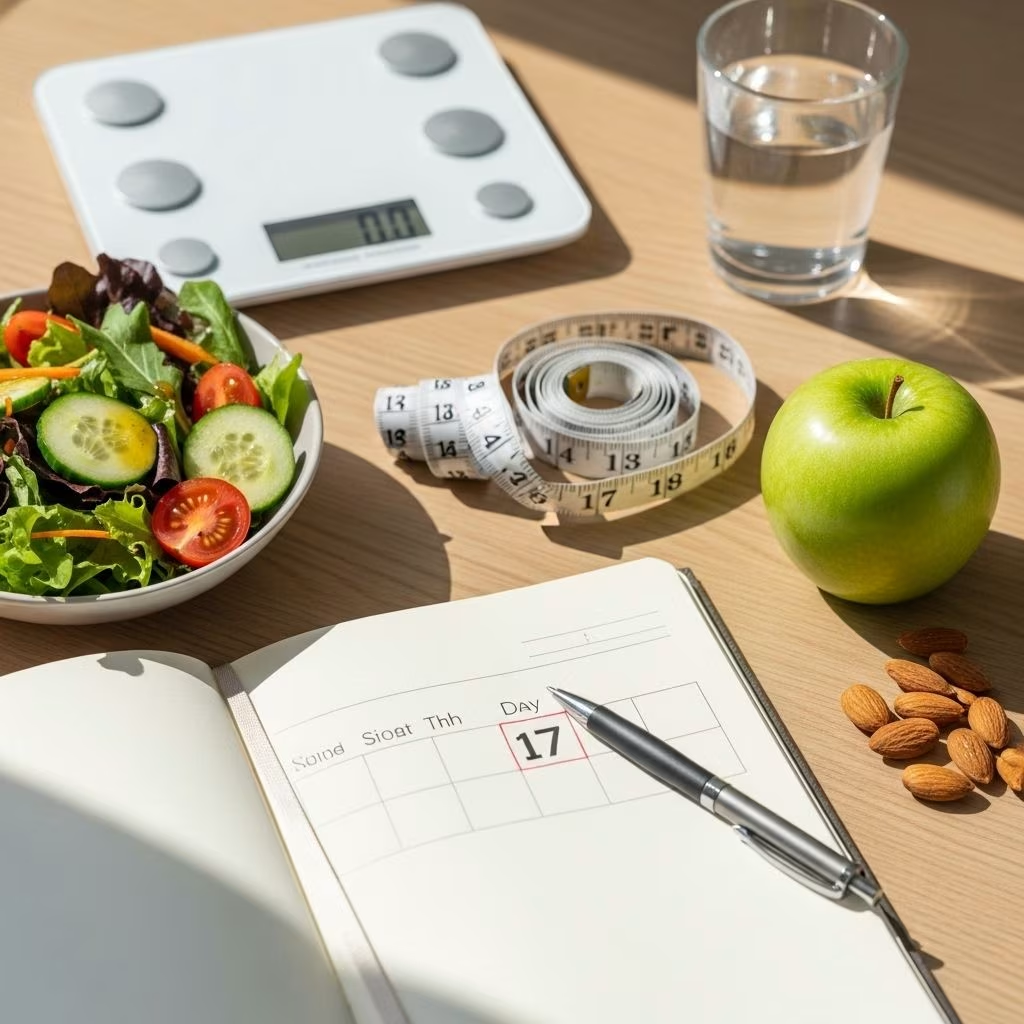
The 17 Day Diet: A Comprehensive Guide to Healthy Weight Loss
Weight loss can be a daunting journey, especially with the barrage of diets promising rapid results. Among these, the 17 Day Diet stands out for its structured, four-cycle approach designed not only to help shed pounds quickly but also to foster healthier eating habits for life. Created by Dr. Mike Moreno, this program leverages the science of metabolic adaptation—regularly shifting caloric intake and food choices—to maintain an active fat-burning metabolism and encourage gradual, sustainable weight reduction.
In this article, we’ll break down the 17 Day Diet’s four cycles, foods you can eat and should avoid, pros and cons, expert advice, sample meals, and frequently asked questions, providing a practical guide for anyone seeking healthy weight loss.
What is the 17 Day Diet?
The 17 Day Diet is a weight loss program published by Dr. Mike Moreno in 2010, best known for its four-phase (or “cycle”) structure.
Each cycle lasts 17 days, with food options and calorie intake changing as you progress. This repeated change is claimed to “confuse” your metabolism, keeping it in a fat-burning mode.
Unlike some plans, the 17 Day Diet does not explicitly prescribe daily calorie targets for each phase. Instead, it relies on carefully selected food categories and portion guidelines, gradually introducing more variety and calories as you move through the cycles.
The original book and its subsequent “breakthrough edition” added more recipes, targeted weight loss strategies, optional fasting days, probiotic guidance, and a 17-minute exercise plan.
- Cycle 1: Accelerate – jumpstarts weight loss, encourages detox, and restricts carbs.
- Cycle 2: Activate – alternates high and low calorie days for metabolic reset.
- Cycle 3: Achieve – introduces more carbs and healthy habits for steady progress.
- Cycle 4: Arrive – maintains weight loss with a balanced, lifelong eating pattern.
How Does It Work?
Central to the 17 Day Diet is the idea of “cycle confusion”: By varying calories and food types every 17 days, the metabolism remains more active and adaptable. Each cycle builds on the last, moving from more restrictive to more flexible eating.
Supporters say this method prevents the usual “diet plateau” and makes ongoing weight loss easier by introducing new strategies just as motivation tends to wane.
In addition, the diet incorporates probiotic foods to foster digestive health, exercise routines for fat-burning, and psychological tools to create lasting habits.
The Four Cycles of the 17 Day Diet
Cycle 1: Accelerate
The Accelerate phase is the strictest and most rapid part of the diet, lasting for 17 days. Its goals are to kickstart weight loss (promising 10–12 pounds lost in the first round), “detox” the body, and reduce dietary sugar and starch.
The main features of this phase include unlimited lean protein (such as chicken and fish), plenty of non-starchy vegetables, and controlled fruit intake (only before 2 p.m.). Starchy veggies, grains, high-sugar fruits, alcohol, and processed foods are banned.
Dieters are encouraged to drink eight 8-ounce glasses of water daily, consume two servings of probiotic foods, and do at least 17 minutes of exercise daily—typically brisk walking, weightlifting, or light cardio.
- Focus: Rapid weight loss, reduced intestinal toxins, minimal sugar and carbs
- Allowed foods: Skinless poultry, fish, eggs, low-fat dairy, leafy greens, broccoli, peppers, berries, apples, and probiotics (yogurt, kefir)
- Banned: Alcohol, added sugar, bread, pasta, starchy vegetables, processed foods
- Rules: No fruit after 2 p.m.; chew slowly; eat until satisfied; drink plenty of water; remove poultry skin before eating
Cycle 2: Activate
The Activate phase introduces a unique alternating pattern: Switch between Accelerate days and Activate days—one-on, one-off. On Accelerate days, stick to the original limits; on Activate days, add in two servings of naturally starchy carbs (legumes, grains, or root vegetables) before 2 p.m.
This approach, loosely inspired by alternate-day fasting, is intended to “reset” the metabolism, though evidence for this is limited.
The rules from cycle 1 mostly apply, especially the restriction on carbs after mid-afternoon. The diet also expands fruit choices but keeps them restricted to the morning or lunchtime.
- Focus: Metabolic reset, continued weight loss, more food variety
- Allowed foods: All Accelerate foods plus lentils, beans, quinoa, brown rice, sweet potatoes, squash (morning/lunch only)
- Rules: Alternate daily routines; combine with exercise
Cycle 3: Achieve
The Achieve phase ushers in more flexibility. Alternate-day eating stops. You can now eat a broader range of fruits and carbs—whole grain pastas, breads, high-fiber cereals, and nearly any fresh fruits and vegetables.
Portion control becomes crucial, as calorie intake rises further. While a glass of wine or alcohol per day is now allowed (if desired), the book recommends skipping it for better progress.
Exercise is also ramped up, with aerobic activities suggested for 45–60 minutes daily.
Carbs after 2 p.m. are still not permitted, maintaining the program’s belief in the body’s evening metabolic slowdown.
- Focus: Developing sustainable habits, slow and steady weight loss
- Allowed foods: All previous options plus whole grains, pastas, breads, all fruits
- Rules: Continue probiotics, hydrate well, monitor portions, limit alcohol
Cycle 4: Arrive
The Arrive phase represents maintenance, designed as a lifelong eating approach to keep weight off. All healthy whole foods are allowed; indulgences are permitted occasionally (such as a favorite snack, small dessert, or a cheat meal).
The focus shifts to balance and mindful eating—still applying the lessons of previous cycles but with less rigidity.
Daily exercise and hydration remain key recommendations, alongside regular intake of probiotics and plenty of vegetables.
- Focus: Weight maintenance, normalized eating, occasional treats
- Allowed foods: All healthy foods, some 100-calorie snacks, cheat meals (limited)
- Rules: Maintain habits; practice portion control; keep processed foods and high sugar to a minimum
Foods You Can Eat and Foods to Avoid
| Cycle | Allowed Foods | Foods to Avoid |
|---|---|---|
| Accelerate | Lean poultry, fish, eggs, non-starchy vegetables, limited low-sugar fruit (before 2 p.m.), probiotic foods | Bread, pasta, rice, starchy vegetables, alcohol, processed foods, added sugars |
| Activate | All Accelerate foods, plus legumes, tubers, whole grains (morning/lunch only) | Carbs after 2 p.m., alcohol, sugar-rich foods |
| Achieve | Accelerate & Activate foods, whole-grain bread/pasta/cereal, all fruits, low-fat dairy (moderate), optional alcohol | Carbs after 2 p.m. (still restricted), processed and sugary foods (limited) |
| Arrive | All healthy foods, 100-calorie snacks, occasional dessert/cheat meals | Frequent processed foods, high-fat dairy, sugary foods (discouraged) |
Sample Meal Ideas for the 17 Day Diet
- Accelerate Breakfast: Scrambled eggs with spinach and mushrooms; plain Greek yogurt; water or herbal tea.
- Activate Lunch: Grilled chicken breast; quinoa salad with tomatoes and cucumbers; berries (before 2 p.m.).
- Achieve Snack: Apple slices with low-fat string cheese; carrot sticks.
- Arrive Dinner: Baked salmon; roasted root vegetables; leafy green salad; small glass of wine (optional).
Tips for Success on the 17 Day Diet
- Plan meals ahead to avoid last-minute choices that may break the rules of your current cycle.
- Exercise daily: Start with 17 minutes per day in Cycle 1, gradually increasing to 60 minutes in later cycles.
- Stay hydrated: Drink at least eight glasses of water each day.
- Eat slowly and mindfully: Chew each bite well and focus on fullness cues.
- Track progress with a food journal or app.
- Incorporate probiotics: Yogurt, kefir, and fermented foods support gut health.
- Use permitted treats sparingly to stay motivated without derailing progress.
Pros and Cons of the 17 Day Diet
- Pros:
- Encourages a variety of whole foods and gradual transition to balanced eating.
- Promotes healthy habits (exercise, hydration, portion control).
- Cycle structure may boost motivation as routines change frequently.
- Short cycles and regular “reset” points help prevent boredom or complacency.
- Cons:
- Strict early-phase restrictions may be difficult for some to maintain.
- Rapid weight loss (especially in Cycle 1) is largely water weight and may prompt rebounding.
- Potential risk of under-eating if calorie intake is not carefully managed.
- Requires advance planning and food tracking, especially in the first 34 days.
- Evidential support for “metabolic confusion” is limited, though cycle variation is motivational.
Safety, Risks, and Long-Term Sustainability
For most healthy adults, the 17 Day Diet is safe if followed sensibly and calorie intake is adequate. Though rapid weight loss in Cycle 1 can be motivational, experts caution that much initial weight lost is water, not fat.
Long-term weight reduction comes from progressing through all cycles, developing new habits, and maintaining balanced eating in the Arrive phase.
Possible risks include:
- Fatigue or irritability from low-carb, low-calorie intake in Accelerate.
- Inadequate nutrition if the diet becomes too restrictive.
- Rapid regaining of weight if old habits resume post-diet.
- Digestive discomfort as the body adjusts to new foods.
Consult with a dietitian or physician before beginning the diet, especially if you have a chronic medical condition, are pregnant, breastfeeding, or have a history of disordered eating.
Frequently Asked Questions (FAQs)
Q: How much weight can I expect to lose on the 17 Day Diet?
A: Most followers lose 10–12 pounds in the first cycle, though much of this may be water weight. Ongoing cycles emphasize slow, steady fat loss.
Q: Can I repeat the cycles if I hit a weight loss plateau?
A: Yes, the cycles can be repeated or restarted to fit personal needs. Some choose to cycle back to Accelerate or Activate phases for renewed motivation.
Q: Is exercise required on this diet?
A: Yes, exercise is considered essential, starting at 17 minutes daily and increasing to 45–60 minutes in later cycles.
Q: Is this diet low-carb or low-calorie?
A: The first cycle is both low-carb and low-calorie, though subsequent cycles gradually increase calories and carbs with careful timing each day.
Q: Are supplements necessary?
A: Supplements are optional, but daily probiotics (from yogurt, kefir, or fermented foods) and balanced multivitamins may be recommended.
Expert Opinions: What Does Science Say?
While the 17 Day Diet’s “cycle confusion” claim lacks direct scientific support, many nutritionists highlight positive aspects:
- Emphasis on lean protein, produce, and probiotics supports overall health.
- Frequent dietary changes may foster better adherence.
- Gradual reintroduction of carbs and treats reflects good long-term planning.
However, critics question the rapid weight loss claims—especially regarding fat versus water loss—and suggest that very restrictive plans may lead to binge eating or discouragement. Choosing whole foods, staying hydrated, and seeking medical advice are important for safe outcomes.
Conclusion: Is the 17 Day Diet Right for You?
The 17 Day Diet offers a unique blend of rapid results and lasting habit change, making it popular for those seeking quick motivation and long-term transformation. Its focus on whole foods, portion control, and regular movement fits with mainstream nutritional advice, though the rapid initial weight loss and dietary restrictions may not suit everyone.
If you’re considering the 17 Day Diet, examine your own goals and eating habits, review potential risks, and consult with a qualified healthcare provider to create a program tailored to your needs.
References
- https://www.healthline.com/nutrition/17-day-diet
- https://www.bistromd.com/blogs/weight-loss/17-day-diet-tips-and-tricks-for-successful-weight-loss
- https://www.webmd.com/diet/17-day-diet
- https://betterme.world/articles/17-day-diet-meal-plan/
- https://abcnews.go.com/Health/17-day-diet-weight-loss-plan-dr-michael/story?id=13320678
- https://www.youtube.com/watch?v=SocCHjvt2PI
- https://17ddblog.com/17-day-diet/


