


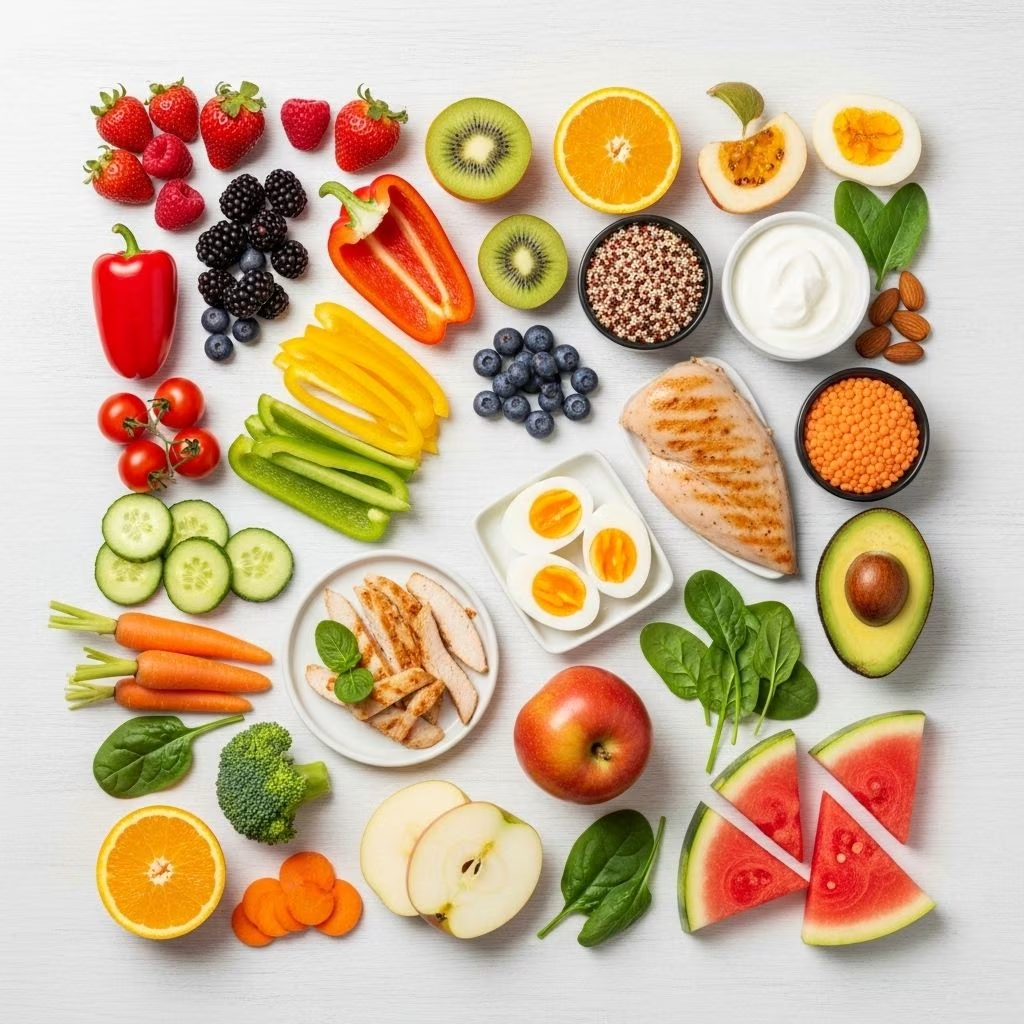
Losing weight often means making smarter food choices, but that doesn’t mean you have to feel hungry or deprived. The secret lies in choosing low-calorie, high-volume foods that keep you satisfied while also fueling your body with essential nutrients. From crisp vegetables and juicy fruits to lean proteins and satisfying whole grains, these weight-loss-friendly foods combine staying power with flavor. Here’s your extensive guide to the best low-calorie foods for losing weight without losing satisfaction.
Why Choose Low-Calorie Foods for Weight Loss?
Adopting a low-calorie diet isn’t just about cutting energy intake — it’s also about quality nutrition, satiety, and variety. Low-calorie foods typically have a high water or fiber content, contributing to fullness and reducing the urge to overeat. Many are packed with vitamins, minerals, and antioxidants to support whole-body health during your weight loss journey.
- They help you eat larger portions with fewer calories.
- They are rich in fiber and water, which increase meal volume and satiety.
- Most are abundant in important micronutrients.
- They help keep your daily calorie intake in check while still enjoying food variety.
The Best Low-Calorie Foods for Weight Loss
Below, discover 25 low-calorie, nutrient-dense foods to power up your meals and snacks.
1. Spinach
Calories: Less than 7 per cup, raw
Add cupfuls of spinach to salads, wraps, omelets, or smoothies without worrying about calories. Spinach is loaded with vitamin K, manganese, folate, magnesium, and plenty of antioxidants. Its fiber content helps meals feel satisfying and supports digestion.
2. Celery
Calories: 6 per stalk
Crisp and crunchy, celery is a classic low-calorie snack. Packed with water and fiber, it’s filling and slow to digest, aiding fullness. For full fiber benefits, eat it whole — juicing removes much of its roughage.
3. Oatmeal
Calories: 83 per 1/2 cup, cooked
Oatmeal makes a hearty, low-calorie breakfast. Oats provide quality carbs, fiber, and more essential amino acids than most other grains, contributing a modest amount of protein. Top with fruit or half a cup of plain non-fat Greek yogurt for extra creaminess and staying power.
4. Lettuce
Calories: 8 per cup
Use crunchy romaine or butter lettuce instead of bread for sandwiches and wraps. Lettuce is a solid source of vitamin A and vitamin C, both important for skin and immune health, yet contains very few calories per serving.
5. Radishes
Calories: 10 per 1/2 cup, sliced
Swap chips for a platter of radishes with a sprinkle of sea salt. These spicy, crunchy root vegetables are not only low in calories but rich in vitamin C and potent antioxidants that help fight free radicals and protect cells.
6. Black Beans
Calories: 109 per 1/2 cup, cooked
Black beans are dense with protein and fiber, helping curb hunger and promote satiety. They’re also a heart-healthy addition to salads, soups, and grain bowls — just opt for varieties without added salt when possible.
7. Chicken Breast
Calories: 128 per 3-ounce serving, cooked (skinless, boneless)
Chicken breast is a weight loss staple. It’s lean, high in protein, and provides selenium, a vital mineral for immunity and thyroid health. Choose grilled, baked, or poached methods and skip the skin for the leanest option.
8. Asparagus
Calories: 20 per 1/2 cup, cooked
Asparagus is high in insoluble fiber, which helps regulate appetite hormones and keeps blood sugar stable. It cooks quickly and pairs with a variety of flavors — try roasting, steaming, or grilling for a delicious side.
9. Strawberries
Calories: 50 per cup, sliced
Sweet and juicy, strawberries are full of water and fiber, especially pectin — a unique fiber that slows digestion and helps prevent blood sugar spikes. They are perfect as a snack or dessert topper.
10. Cantaloupe
Calories: 54 per cup, diced
Cantaloupe and other melons like honeydew are made up of mostly water, so they fill you up for very few calories. Bonus: cantaloupe also provides beta-carotene, a precursor to vitamin A.
11. Zucchini
Calories: 27 per cup, cooked
Ultra-versatile zucchini is low in calories, high in water, and rich in vitamin A. Spiralize into noodles, roast, or blend into soups and breads for fiber and nutrition in every bite.
12. Cucumbers
Calories: 16 per cup, sliced
With 95% water content, cucumbers are hydrating and low in calories, making them ideal for salads and snacks. They’re also a good source of vitamins K and C.
13. Tomatoes
Calories: 22 per medium tomato
Technically a fruit, tomatoes are loaded with fiber, potassium, and the antioxidant lycopene for heart health. They add flavor to salads, sandwiches, and more at minimal calorie cost.
14. Mushrooms
Calories: 15 per cup, sliced, raw
Mushrooms are meaty in texture yet very low in calories. They’re rich in B vitamins, selenium, and other minerals, and they fit perfectly into stir-fries, omelets, and salads.
15. Cauliflower
Calories: 27 per cup, chopped
Cauliflower is a versatile, low-calorie substitute for high-calorie foods like mashed potatoes and rice. It’s also low on the glycemic index, meaning it won’t spike blood sugar.
16. Bell Peppers
Calories: 24 per small pepper
Bell peppers are crunchy, colorful, and full of vitamin C and antioxidants. Enjoy them raw, roasted, or sautéed for a sweet, satisfying snack.
17. Broccoli
Calories: 31 per cup, cooked
Broccoli is high in fiber, vitamin C, and other nutrients that boost satiety and support health. It’s great steamed, roasted, or tossed onto salads and pastas.
18. Grapefruit
Calories: 52 per half fruit
Grapefruit is hydrating, tart, and has a reputation for aiding weight loss. It’s highly satiating due to its fiber and water content and may help reduce calorie intake when eaten before meals.
19. Apples
Calories: 95 per medium apple
Apples are portable, filling, and provide fiber and vitamin C. Their natural pectin content slows digestion, making them ideal for satisfying hunger between meals.
20. Carrots
Calories: 25 per medium carrot
Low in calories and high in crunch, carrots are rich in beta-carotene, fiber, and antioxidants. Pair with hummus for a healthy snack.
21. Kale
Calories: 33 per cup, chopped, raw
Kale is a fiber-packed leafy green that’s also loaded with vitamins A, C, and K. Use it as a salad green, soup garnish, or blend into smoothies.
22. Green Beans
Calories: 44 per cup, cooked
Green beans are a classic side dish. They add fiber, folate, and low-calorie crunch to meals whether steamed, sautéed, or blanched.
23. Cottage Cheese (Nonfat)
Calories: 80 per 1/2 cup
Low-fat cottage cheese delivers protein to keep you full without a lot of calories. Enjoy as a snack with fruit or mixed into salads.
24. Brussels Sprouts
Calories: 38 per cup, cooked
Packed with vitamin C, fiber, and plant compounds, Brussels sprouts are very filling and can be roasted, steamed, or sautéed for flavor.
25. Watermelon
Calories: 46 per cup, diced
Extremely hydrating and ultra-low in calories, watermelon is refreshing and sweet. Perfect for satisfying a sugar craving on hot days while keeping you full with water and fiber.
Tips for Including More Low-Calorie Foods in Your Diet
- Fill half your plate with non-starchy vegetables at meals for bulk and nutrition with minimal calories.
- Swap grains for veggies in recipes (e.g., use cauliflower rice instead of white rice).
- Boost meal volume with leafy greens in sandwiches, pasta dishes, or smoothies.
- Use high-protein, low-fat foods like egg whites, skinless chicken breast, or nonfat Greek yogurt for satiety.
- Snack smart — munch on carrots, celery, cucumbers, or fruit plus protein (like cottage cheese or a handful of almonds).
Comparison Table: Calories & Fiber in Top Low-Calorie Foods
| Food | Serving Size | Calories | Fiber (g) |
|---|---|---|---|
| Spinach | 1 cup (raw) | 7 | 0.7 |
| Celery | 1 stalk | 6 | 0.6 |
| Zucchini | 1 cup (cooked) | 27 | 1.8 |
| Oatmeal | 1/2 cup (cooked) | 83 | 1.5 |
| Black Beans | 1/2 cup | 109 | 7.5 |
| Chicken Breast | 3 oz., cooked | 128 | 0 |
| Strawberries | 1 cup | 50 | 3.0 |
| Broccoli | 1 cup (cooked) | 31 | 5.1 |
| Bell Peppers | 1 small | 24 | 2.0 |
Frequently Asked Questions (FAQs)
What makes a food “low calorie”?
A low-calorie food typically provides fewer than 40 calories per serving for fruits and vegetables, or fewer than 100 calories per serving for proteins and grains. These foods are often high in fiber or water, increasing fullness without adding extra calories.
Are low-calorie foods always healthy?
Not always. Some processed foods may be low in calories but high in additives or lacking nutrients. Whole, minimally processed foods with natural vitamins, minerals, fiber, and protein offer the best health benefits.
Can you lose weight just by eating low-calorie foods?
Including more low-calorie foods can help reduce overall calorie intake, but sustainable weight loss also depends on balanced nutrition, portion control, physical activity, and maintaining healthy eating patterns long-term.
How can I avoid feeling hungry on a low-calorie diet?
Eat high-volume foods (with lots of fiber or water), include enough protein at every meal, and add healthy fats in moderation. This helps keep you full and provides steady energy.
What if I get bored with salads and raw veggies?
Experiment with different cooking methods (roasting, grilling, stir-frying), herbs, and spices. Try adding variety with soups, smoothies, vegetable-based noodles, or grain bowls mixing both cooked and raw ingredients.
Smart Shopping List: Must-Have Low-Calorie Foods
- Leafy greens: Spinach, kale, lettuce
- Cruciferous veggies: Broccoli, cauliflower, Brussels sprouts
- Colorful options: Bell peppers, carrots, radishes, tomatoes
- Hydrating picks: Cucumber, celery, watermelon, cantaloupe
- Protein sources: Chicken breast, egg whites, cottage cheese, black beans
- Fiber-rich foods: Oatmeal, apples, green beans
- Sweet treats: Strawberries, grapefruit
Expert Advice: How to Use Low-Calorie Foods for Best Results
- Plan meals ahead to feature vegetables and lean proteins.
- Start meals with a salad or broth-based soup for extra fullness.
- Limit creamy dressings, fried toppings, or excessive oils to keep calories down.
- Balance your plate with protein, fiber, and healthy fat for stable energy and satiety.
- Stay hydrated with water, herbal tea, or fruit-infused water between meals.
Incorporating these 25 low-calorie foods into your daily routine not only helps manage calorie intake but also ensures you get a variety of nutrients for health, energy, and satisfaction. Remember, sustainable weight loss is about making gradual, enjoyable changes — and choosing the right foods makes all the difference.
References
- https://www.prevention.com/food-nutrition/g20428211/25-ridiculously-low-calorie-foods/
- https://www.seasonhealth.com/blog/high-volume-low-calorie-foods
- https://www.webmd.com/diet/ss/slideshow-food-combos-weight-loss
- https://www.healthline.com/nutrition/zero-calorie-foods
- https://pmc.ncbi.nlm.nih.gov/articles/PMC8017325/
- https://www.mskcc.org/experience/patient-support/nutrition-cancer/diet-plans-cancer/low-calorie-diet
- https://www.cdc.gov/healthy-weight-growth/healthy-eating/cutting-calories.html
- https://www.aarp.org/health/healthy-living/weight-loss-foods/


