


4 Effective Ways to Prevent Protein Shake Bloat
Protein shakes are a popular option for those seeking convenient nutrition, muscle growth, or a quick meal on the go. Yet, for many, the pursuit of health is interrupted by an unwelcome side effect: bloating. If you’ve ever finished a protein shake only to feel uncomfortably gassy, swollen, or sluggish, you’re not alone. Understanding the causes of protein shake bloat and learning how to prevent it can keep your nutrition on track without digestive discomfort.
Understanding Protein Shake Bloat: What Is It?
Bloating from protein shakes typically refers to a sensation of abdominal fullness, tightness, or swelling that may develop soon after consuming a shake. This can be due to the shake’s ingredients, your preparation methods, or even the speed at which you drink it.
- Common symptoms: gas, visible distention, discomfort, belching, or feelings of fullness.
- Potential triggers: certain sweeteners, excess fiber, trapped air from blending, or rapid consumption.
- Importance: Recognizing the cause is key to reducing or eliminating these digestive issues.
1. Avoid Sugar Alcohols and Difficult-to-Digest Sweeteners
Sugar alcohols are a common ingredient in many commercial protein shakes and bars. Although marketed as healthier alternatives to sugar (because they contribute fewer calories and are low-glycemic), they can be notorious for causing digestive discomfort in sensitive individuals.
- Sugar alcohols like sorbitol, mannitol, xylitol, maltitol, erythritol, lactitol, isomalt, and hydrogenated starch hydrolysates are not fully digested or absorbed by the body.
- These substances are fermented by gut bacteria, often resulting in gas, bloating, or even diarrhea in certain people.
- The more sensitive your digestive system, the greater the likelihood of discomfort from these ingredients.
What You Can Do:
- Read labels carefully and avoid protein powders with sugar alcohols in the ingredients list.
- Instead, choose shakes sweetened with natural options like stevia or monk fruit, or opt for unsweetened versions so you can adjust the flavor yourself.
- If you tolerate them, small amounts of cane sugar or other natural sweeteners may be preferable to large quantities of sugar alcohols.
2. Gradually Introduce and Adjust to Fiber in Protein Shakes
Many protein shakes are now enhanced with dietary fiber to promote fullness and support digestion. While fiber has numerous health benefits, a rapid increase in your fiber intake—especially if your usual diet is low in it—can temporarily cause gas and bloating while your gut adapts.
- High-fiber shakes can be especially problematic for those whose diets are typically low in roughage.
- The body requires time for the microbiome in your gut to adjust to increased fiber levels.
How to Adapt:
- Begin by consuming only a quarter of a serving of a high-fiber shake on the first day.
- Gradually increase to a half-serving over the next day or two.
- Work up to a full serving over the course of 5 to 7 days to minimize discomfort.
- This slow adjustment allows gut bacteria to process the fiber more efficiently and reduces gas production.
3. Optimize Your Blending Technique and Liquid-to-Protein Ratio
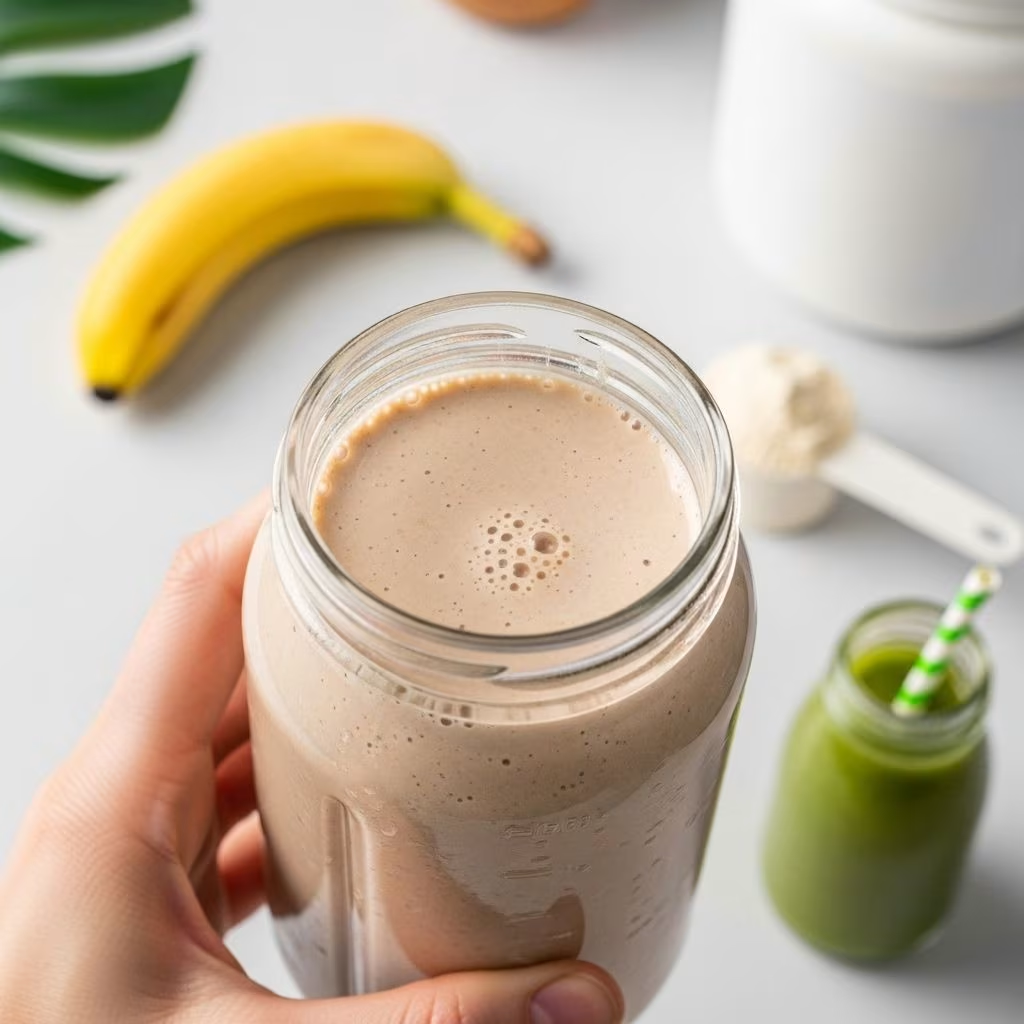
The way you prepare your protein shake makes a surprising difference in how it affects your digestive system. Over-blending or vigorous shaking introduces a lot of air into the liquid, turning your shake into a frothy, aerated beverage that carries air bubbles into your gut—leading to increased bloating.
- Excess air from vigorous blending results in more swallowed air, increasing the risk of bloating and belching.
- Shakes that are too thick or concentrated (not enough liquid per scoop) can be harder to digest and may sit longer in the stomach.
Best Mixing Strategies:
- Blend or mix your shake just enough to make it smooth—avoid over-whipping it into a foamy beverage.
- Consider using a shaker bottle with a mixing ball for a thorough but gentle mix, or stir with a spoon for even less air incorporation.
- Aim for at least 10-12 ounces of liquid per scoop of protein powder to keep the shake easy to digest and less likely to form a thick mass in your stomach.
- If using a blender, pulse gently rather than blending at high speeds.
- Let the shake sit for a minute after blending to let larger air bubbles escape.
4. Slow Down and Sip Mindfully
How quickly you drink your protein shake plays a substantial role in how your digestive tract responds. Gulping down a shake rapidly can force excess air into your stomach, leading to gassiness or a ‘ballooned’ feeling in your abdomen.
- Sipping too fast increases the amount of air swallowed alongside your shake.
- Eating or drinking too rapidly can also disrupt the pace of digestion, increasing discomfort.
Improve Your Consumption Habits:
- Sip your shake slowly over the course of several minutes, pausing between sips to let your digestive system catch up.
- Take a few deep breaths or a short pause before starting and between sips to consciously slow your pace.
- If you’re drinking a protein shake as part of a meal, alternate sips with bites of food to moderate intake and digestion.
Is Protein Powder Right for Everyone?
While protein shakes can be a convenient and effective way of supplementing your diet—especially for athletes, vegetarians, vegans, or busy individuals—they’re not nutritionally identical to whole foods. Shakes typically lack fiber, vitamins, and minerals found in a balanced meal such as lean meat, whole grains, and vegetables.
- Use shakes as an occasional meal replacement or protein booster, but prioritize whole foods for your regular meals.
- If you consistently experience bloating or discomfort after protein shakes, consult a registered dietitian or your healthcare provider to rule out allergies, intolerances, or digestive disorders.
Additional Tips: Choosing, Mixing, and Timing Your Shake
- Pick the right protein base: Plant-based proteins (pea, rice, or hemp protein) may cause less bloating for those with dairy intolerance compared to whey or casein.
- Opt for non-dairy liquids: Mix your protein with water, almond, oat, or coconut milk if lactose causes problems.
- Spread out protein intake: Rather than consuming all your protein in one shake, space your shakes and meals throughout the day for improved absorption and easier digestion.
- Monitor your total fiber: If you use multiple products with added fiber, track your intake to avoid overloading your gut in a short period.
- Stay hydrated: Adequate water intake supports digestion and can help minimize bloating from fiber or protein supplementation.
Quick-Reference Table: Common Causes and Solutions for Protein Shake Bloat
| Cause | How It Causes Bloat | Solution |
|---|---|---|
| Sugar alcohols | Poorly absorbed, fermented by gut bacteria, causing gas | Choose natural sweeteners or unsweetened |
| Rapid fiber increase | Gut bacteria ferment unaccustomed fiber, increasing gas | Gradually increase shake serving over a week |
| Over-blending/air | Impacts digestion by introducing excess air | Blend gently, avoid excessive froth |
| Too little water | Concentrated mixture sits longer in stomach | Use at least 10–12 oz liquid per scoop |
| Gulping shake | Swallows air, overwhelms digestive pace | Sip slowly, take breaks between sips |
| Dairy/lactose | Lactose intolerance increases gas, bloating | Use non-dairy milks, consider plant-based proteins |
Frequently Asked Questions (FAQs)
Q: Are all protein powders equally likely to cause bloating?
No. Whey protein concentrate contains more lactose, which may cause more bloating, especially in lactose-intolerant individuals. Plant-based proteins (pea, rice, or hemp) and whey isolate (lower lactose) are generally easier to digest for sensitive stomachs.
Q: Is protein shake bloat harmful?
Bloating from protein shakes is generally not harmful but can be uncomfortable. However, persistent digestive symptoms may indicate intolerances or digestive disorders and warrant medical evaluation.
Q: How long does it take for your body to adjust to a high-fiber shake?
Most people adapt within 5–7 days if you introduce fiber gradually, but this varies depending on individual gut health.
Q: Can digestive enzymes or probiotics help with protein shake digestion?
Certain digestive enzyme supplements may help break down proteins and fibers, while probiotics can promote healthy gut bacteria, potentially reducing bloating for some individuals.
Q: Should protein shakes replace meals?
Protein shakes are convenient supplements or occasional meal replacements but aren’t nutritionally equivalent to a balanced whole food meal rich in vitamins, minerals, and fiber. Prioritize whole foods for regular meals.
Takeaway: Enjoy Shakes Without the Bloat
With a combination of informed ingredient choices, careful preparation, gradual fiber adjustments, and mindful consumption, you can enjoy the benefits of protein shakes—energy, muscle growth, and satiety—without the uncomfortable side effect of bloating. Listen to your body, adapt slowly, and consult a healthcare provider if problems persist. Small changes can yield big digestive relief and keep you on track for your health and fitness goals.
References
- https://www.prevention.com/weight-loss/a20472156/4-ways-to-avoid-the-protein-shake-bloat/
- https://plantigo.in/blogs/plant-based-protein-powders/5-tips-on-how-to-stop-bloating-from-protein-powder
- https://nutranelle.com/blogs/news/gas-bloating-diarrhea-is-your-protein-powder-the-secret-culprit
- https://feistydrinks.com/blogs/news/protein-bloat-unveiled-understanding-the-protein-shake-dilemma
- https://www.healthline.com/health/protein-farts
- https://www.premierprotein.com/whats-shaking/under-pressure


