


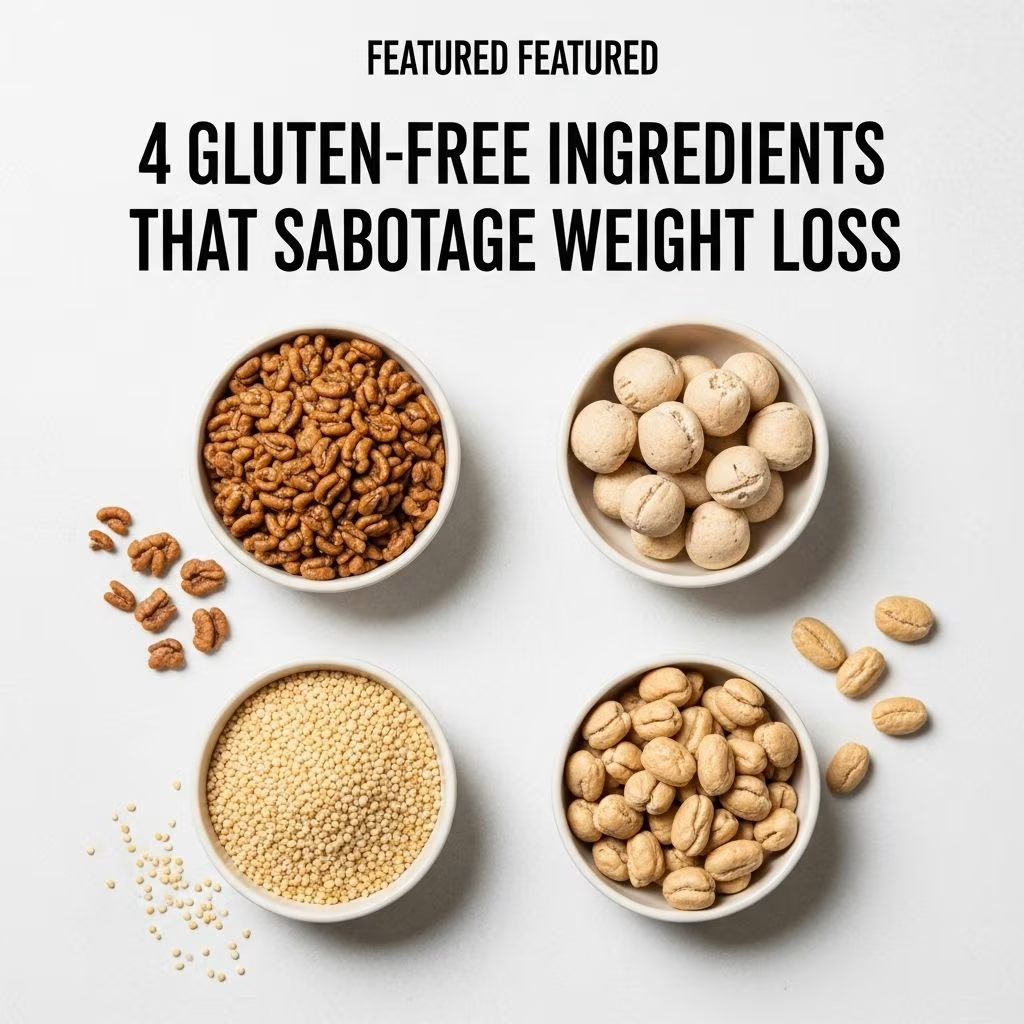
4 Gluten-Free Ingredients That Sabotage Weight Loss
In the quest for a healthier lifestyle, many individuals are lured into the promise of gluten-free foods as a shortcut to weight loss and improved health. However, the mere absence of gluten does not automatically make a food healthy or weight-loss friendly. In fact, some of the most common ingredients used in processed gluten-free products can undermine your progress, inadvertently causing weight gain, blood sugar spikes, and even inflammation. Gluten-free doesn’t always mean healthy. Understanding which ingredients to avoid, and how they impact your body, is a crucial step towards successful and sustainable weight loss.
Why Gluten-Free Processed Foods Can Be Problematic
Gluten-free products often replace wheat with alternative starches and flours to provide texture, volume, and taste. The four most notorious ingredients are:
- Cornstarch
- Rice flour
- Tapioca starch
- Potato flour
These ingredients are omnipresent in gluten-free breads, muffins, snacks, cereals, and pastas. While they successfully replicate the texture of gluten-containing foods, they also trigger the same—or worse—metabolic consequences, especially when it comes to weight control and blood sugar management.
Understanding the ‘Junk Carbohydrates’ in Gluten-Free Foods
Processed gluten-free foods made with the above ingredients are often referred to as ‘junk carbohydrates’. Unlike whole grains or nutrient-rich alternatives, these starches are rapidly digested and absorbed, causing sharp spikes in blood sugar and insulin levels.
| Ingredient | Typical Usage | Impact on Health |
|---|---|---|
| Cornstarch | Binder, thickener in baked goods and snacks | Quickly elevates blood glucose, low nutrient density |
| Rice Flour | Main flour in bread, pasta, crackers | Highly refined, causes high blood sugar spikes |
| Tapioca Starch | Improves chewiness in gluten-free bread | Almost pure carbohydrate, minimal nutrients |
| Potato Flour | Moisture retention in baked goods | Rapidly digested, increases hunger |
Consuming foods based on these starches results in rapidly rising blood sugar—sometimes even higher than what you might see after eating table sugar. For example, eating two slices of gluten-free bread made with potato flour, rice flour, and millet can push non-diabetic blood sugar levels up to 180 mg/dL within an hour after a meal.
How These Ingredients Sabotage Your Weight Loss Efforts
Frequent consumption of processed gluten-free foods can:
- Shut down weight loss. These rapidly absorbed carbohydrates cause insulin spikes, slow fat metabolism, and promote fat storage.
- Promote inflammation. Persistent high blood sugar and insulin fluctuations trigger inflammatory responses throughout the body.
- Lead to outright weight gain. Many individuals looking to lose weight find themselves gaining weight due to regular indulgence in these foods, expecting them to be healthier simply because they are ‘gluten-free.’
- Increase cravings and hunger. Blood sugar crashes following spikes often result in increased hunger, perpetuating cycles of overeating.
Case studies have shown that individuals who switched to a gluten-free diet focusing on processed alternatives, such as gluten-free bread, pasta, and snacks, experienced rapid weight gain, loss of energy, anxiety, and mood swings. The misperception that all gluten-free foods are inherently healthy is a major contributing factor to these negative outcomes.
Why Processed Gluten-Free Foods Are Often Worse Than Their Counterparts
Manufacturers often add extra sugar, salt, and fat to gluten-free foods to compensate for the loss of structure and flavor caused by the absence of gluten. As a result:
- Gluten-free snacks may have twice as much sodium as regular snacks.
- Gluten-free sweets can be higher in sugar and fat.
- Many processed gluten-free foods are loaded with empty calories.
This means gluten-free chips, cookies, and cakes are still junk foods—and sometimes, they are even less nutritious and more caloric than their wheat-based equivalents.
Are Gluten-Free Diets the Path to Weight Loss?
Simply removing gluten from your diet does not guarantee weight loss. In many cases, the reason some people lose weight after going gluten-free is that they make healthier, more mindful choices, filling their meals with nutrient-rich, whole foods rather than processed options. True weight loss comes not from avoiding gluten but from focusing on balanced nutrition and healthier eating patterns.
- Gluten-free pizza is still pizza—with all its calories and refined carbohydrates.
- Gluten-free bread is still bread, often with less fiber and more quickly absorbed carbs.
- Gluten-free desserts are still desserts, frequently higher in sugar and fat.
People with celiac disease or gluten intolerance may lose weight initially when starting a gluten-free diet due to reduced bloating and improved digestive comfort. However, for the general population, effective weight loss depends on healthy food choices—not the exclusion of gluten alone.
Better Alternatives for Gluten-Free, Grain-Free Living
Not all gluten-free foods are bad for weight loss. Some ingredient swaps can help you avoid blood sugar spikes and support metabolic health. Examples include:
- Coconut flour
- Almond meal and almond flour
- Chia seed and chia flour
These ingredients are high in fiber, protein, and healthy fats. They digest more slowly, resulting in more stable blood sugar and longer-lasting satiety. However, such products are still in the minority on store shelves and require reading labels and selective purchasing.
Expert Tips for Navigating the Gluten-Free Marketplace
If you must eat gluten-free due to medical reasons, or simply choose to avoid gluten for personal preference, here are science-backed strategies to keep your diet healthy and your weight-loss efforts on track:
- Read ingredient labels for processed foods and products marked gluten-free. Avoid those listing cornstarch, rice flour, tapioca starch, and potato flour at the top of the ingredient list.
- Minimize consumption of packaged gluten-free snacks, breads, and desserts. Treat them as occasional indulgences, like their traditional counterparts.
- Prioritize naturally gluten-free whole foods: vegetables, fruits, eggs, lean meats, poultry, fish, nuts, and seeds.
- Choose gluten-free products made with low-glycemic, high-fiber alternative flours, such as almond, coconut, or chia.
- Monitor your response to different foods using a blood glucose meter or by tracking energy and satiety. Everyone’s metabolism is unique.
Frequently Asked Questions (FAQs)
Q: Is a gluten-free diet automatically healthier for weight loss?
A: No. Many processed gluten-free foods contain unhealthy starches and additives that can increase calorie intake and spike blood sugar, thus impairing weight loss efforts.
Q: What gluten-free ingredients pose the greatest risk to weight loss?
A: Ingredients such as cornstarch, rice flour, tapioca starch, and potato flour are quickly absorbed, leading to rapid blood sugar spikes, insulin increases, and stored body fat.
Q: Are there healthy gluten-free alternatives for baking and cooking?
A: Yes. Flours made from coconut, almond, or chia seed are high in fiber, protein, and healthy fats, supporting stable blood sugar and satiety.
Q: Can processed gluten-free foods be higher in sugar and calories than their wheat counterparts?
A: Yes. Manufacturers often add extra sugar, fat, or salt to improve taste and texture, resulting in foods with higher calorie density and less nutritional value.
Q: Should I avoid all gluten-free products for weight loss?
A: Not necessarily. Focus on whole foods and choose gluten-free products with healthy alternative flours. Avoid highly processed options made with the four key ‘junk carbohydrate’ ingredients.
SEO-Optimized Summary Table: Gluten-Free Ingredients to Avoid
| Ingredient | Common Use | Weight Loss Risk | Recommended Substitute |
|---|---|---|---|
| Cornstarch | Baked goods, sauces | High glycemic | Coconut flour |
| Rice Flour | Bread, pasta, crackers | Blood sugar spikes | Almond flour |
| Tapioca Starch | Gluten-free bread, sweets | Low nutrients, fast digestion | Chia seed flour |
| Potato Flour | Baked goods | High carbs | Coconut flour |
Action Steps for Lasting Weight Loss
- Limit processed foods—gluten-free or not. Always read labels and avoid products with unhealthy starches.
- Fill your plate with naturally gluten-free, whole foods: vegetables, fruits, meats, eggs, and nuts.
- Enjoy gluten-free baked goods occasionally, and focus on those made with nutrient-rich, high-fiber alternative flours.
- Be mindful of calories and portion sizes, especially with gluten-free products marketed as diet-friendly.
Your journey to effective weight management doesn’t require going gluten-free unless medically necessary. Instead, prioritize whole, minimally processed foods and stay vigilant about ingredients that may sabotage your efforts—even if they carry the gluten-free badge.
References
- https://www.prevention.com/weight-loss/a20484398/4-gluten-free-ingredients-that-sabotage-weight-loss/
- https://wtop.com/health-fitness/2016/07/will-gluten-free-food-really-help-you-lose-weight/
- https://mdnancy.com/blogs/all/gluten-free-and-vegan-foods-are-they-sabotaging-your-weight-loss-efforts
- https://drhyman.com/blogs/content/heres-gluten-free-diet-can-become-incredibly-unhealthy
- https://www.henryford.com/Blog/2023/09/ultra-processed-foods
- https://www.kartamultisport.pl/en/article/false-friends-healthy-products-that-can-sabotage-your-diet
- https://www.celiac.com/celiac-disease/surmounting-social-situations-sabotage-and-scrutiny-surrounding-the-gluten-free-diet-r4597/
- https://www.swgeneral.com/blog/2025/july/15-healthy-foods-that-may-be-sabotaging-your-wel/


