


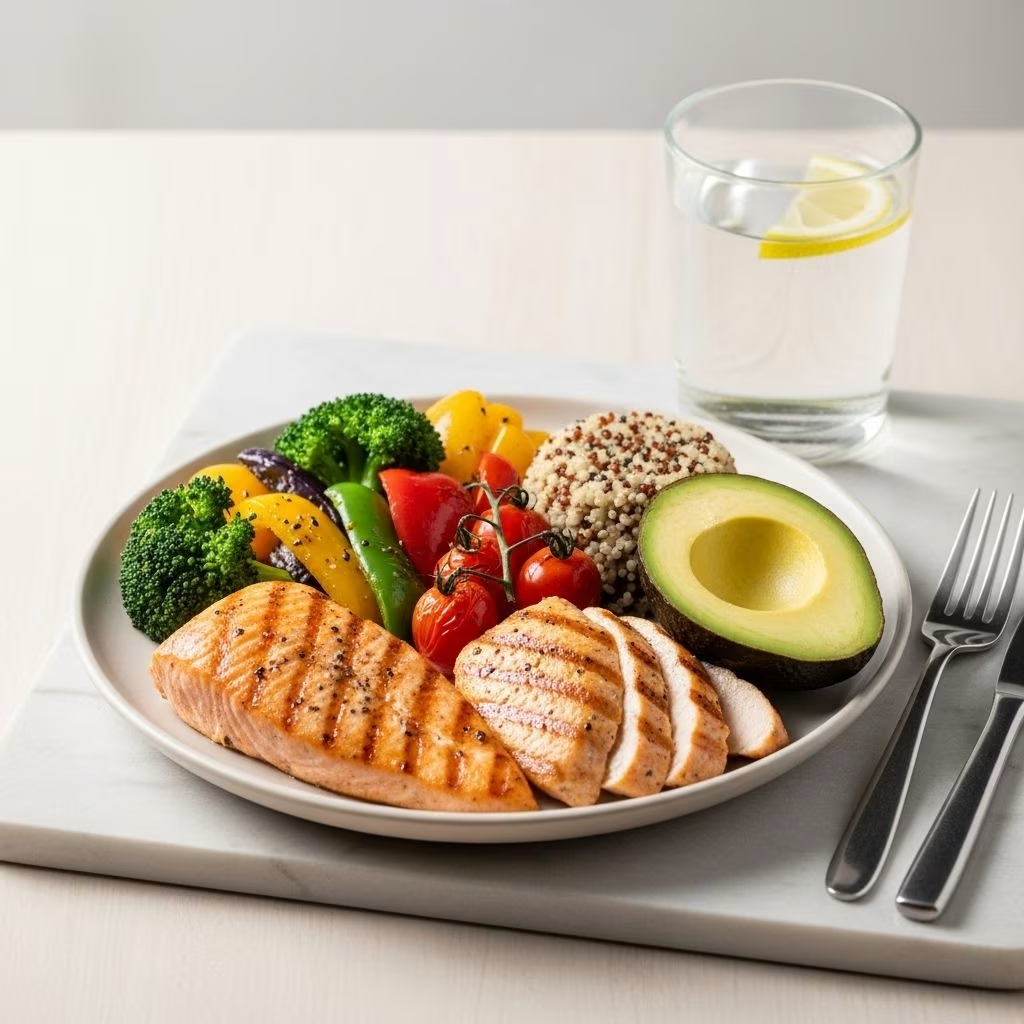
Why 400-Calorie Meals Could Be the Key to Sustainable Weight Loss
If you’ve tried counting calories, stuck to strict diets, or even given up your favorite foods altogether—and still struggled to lose weight—the 400-calorie meal approach could be a game changer. Controlling calories without obsessing over numbers or feeling deprived is possible: focus on simple, satisfying meals that each clock in around 400 calories.
This guide will walk you through the benefits and logistics of the 400-calorie strategy, with expert tips, meal samples, and tricks to help you develop healthy, enjoyable eating habits that actually last.
What Is the 400-Calorie Meal Method?
The core idea behind the 400-calorie meal plan is straightforward: eat four well-rounded meals per day, each around 400 calories. Rather than banning foods or restricting entire food groups, this method encourages variety and flexibility—just in mindful amounts. According to registered dietitian Mindy Hermann, RD, this is the sweet spot for most people, providing just enough calories to feel full and energized while allowing steady weight loss and meal diversity (Prevention). By capping each meal, you control your overall intake without the stress of constant calorie math or food guilt.
Main Benefits of the 400-Calorie Eating Plan
- Simplicity – No need to become a calorie-counting expert or memorize complex rules. Just stick to the 400-calorie cap per meal.
- Satiety – Balanced, portion-controlled meals help keep you satisfied for hours, making it easier to avoid between-meal snacking and binge eating.
- Flexibility – No food group is off-limits. Enjoy grains, protein, dairy, fruit, and even your favorite treats in the right portions.
- Metabolism Support – Eating regularly spaced, balanced meals helps prevent energy slumps and can support a healthy metabolism.
- Easier Portioning – With a simple cap per meal, it’s easier to eye portions, even when eating out or on the go.
How Many Calories Do You Really Need?
While the average adult needs about 1,500 to 1,800 calories to lose weight (needs vary by age, sex, height, and activity), many people have no idea how many calories they really consume daily. That knowledge gap is a leading reason for weight gain. By splitting your intake into four 400-calorie meals—and perhaps adding a 100-200 calorie snack if needed—you’ll naturally eat the right amount for gradual, lasting loss (Prevention).
Sample Breakdown
| Meal | Calories | Example |
|---|---|---|
| Breakfast | ~400 | Hearty Egg Sandwich (see recipe below) |
| Lunch | ~400 | Spring Risotto or Hummus & Veggies |
| Dinner | ~400 | Chicken stir-fry with brown rice |
| Snack | ~400 | Yogurt Parfait or Peanut Butter & Apple |
Adjust to fit your individual needs, preferences, and activity level.
How to Size Up 400-Calorie Meals Without Counting Every Calorie
While calorie tracking apps and labels can help, you can also learn to “eyeball” meal sizes and spot hidden calorie mines by practicing these key skills:
1. Learn to Eyeball Portions
- Visual cues help: A serving of protein (like chicken or tofu) should be about the size of a deck of cards.
- Grains or starchy foods: Aim for about a half-cup—roughly the size of a tennis ball.
- Non-starchy vegetables can fill half your plate; they’re low in calories but high in bulk and nutrients.
2. Spot Hidden Fat and Sugar
- Fatty dressings, cheese, and oils pack a calorie punch even in small amounts—use sparingly or look for lower-calorie alternatives.
- Be mindful of extras like creamy sauces, mayo, full-fat cheese, croutons, and sugar-sweetened beverages. They add up quickly!
- Portion control does not mean flavor deprivation: use herbs, spices, vinegar, citrus, and bold vegetables to add taste without calories.
3. Split Your Plate
- Divide your plate visually into six sections: Fill three with various vegetables, one with protein, one with whole grains or starchy vegetables, and one with something fun (like a little cheese or a piece of fruit).
- This method keeps meals colorful, satisfying, and balanced—with no hidden calorie surprises.
Sample 400-Calorie Meals and Snacks
One of the biggest surprises for those new to the 400-calorie approach is just how much you can eat—and that you don’t have to give up your favorite foods. Here are some balanced, tasty examples to get you started:
Hearty Egg Sandwich
- 1 whole egg + 1 egg white, scrambled
- Toasted whole wheat English muffin
- 1/4 cup mashed Hass avocado
- 1 slice reduced-fat Cheddar cheese
- Sliced tomato
- Total: ~397 calories
Fast Food Burger Fix
- McDonald’s hamburger
- Ketchup packet
- Vanilla reduced-fat ice cream cone
- Total: ~415 calories
Dunkin’ Bagel & Coffee
- Plain bagel
- Half-serving reduced-fat cream cheese
- Small iced coffee with skim milk
- (Optional: 1 tsp sugar)
- Total: ~415 calories
Hummus & Veggie Snack
- 1/2 cup store-bought hummus
- 1 cup carrot sticks
- 1 cup red pepper strips
- 6 whole wheat crackers
- Total: ~405 calories
Milk Chocolate Pie
- Made with fat-free milk and unsweetened cocoa for fewer calories and more antioxidants
- Total: ~380 calories
Spring Risotto
- Light risotto with peas and fresh Parmesan
- Total: ~384 calories
Peanut Butter & Apple Snack
- 1 medium apple
- 1.5 tbsp peanut butter
- 5 whole wheat crackers
- 1 cup fat-free milk
- Total: ~391 calories
Yogurt Parfait Snack
- 5.3 oz fat-free Greek-style yogurt
- 1 cup blueberries
- 1/2 cup low-fat granola
- 2 tsp honey
- Total: ~406 calories
Chocolate Raspberry Oatmeal
- 1/2 cup dry oats, cooked
- 1/4 cup semisweet chocolate chips
- 1 cup raspberries
- Total: ~419 calories
Smart Tips for Making 400-Calorie Meals Work For You
- Mix and Match: Combine proteins, grains, veggies, and fun extras for endless meal possibilities—no boredom!
- Stay Hydrated: Sometimes thirst can be mistaken for hunger. Drink water with meals and between them.
- Plan Ahead: Prepping ingredients, snacks, and meals ahead of time makes sticking to the calorie cap much easier.
- Eat Mindfully: Slow down and savor each bite to help your body register fullness.
- Don’t Skip Meals: Skipping meals can lead to hunger-driven overeating later.
- Adjust for Activity: If you have a very active lifestyle or higher caloric needs, you can slightly increase portion sizes or add a small snack or dessert.
Sticking with 400-Calorie Meals: Real-Life Success Stories
Many people are surprised by how much food they get to eat—and how much energy and satisfaction they feel—on this approach. In Prevention’s 400 Calorie Fix trial, participants lost an average of 6 pounds and 8 inches in just two weeks without feeling deprived or obsessing over what they couldn’t eat.
“I was really surprised that I could lose weight while eating real food. I’d sit there with my Chocolate Chip Scone and Starbucks coffee and think, ‘Am I really on a diet?’” — Sandi Hill, 400-Calorie Plan participant
The bottom line: You don’t have to give up fun foods or “diet” endlessly. With four satisfying, nutritious 400-calorie meals spaced through your day, you’ll discover healthy eating can taste great, energize you, and help you reach your goals.
Frequently Asked Questions (FAQs)
Q: Can I eat anything I want and still lose weight as long as each meal is 400 calories?
A: While you can include favorite foods in moderation, for best results each meal should include lean protein, healthy fat, fiber-rich carbohydrates, and plenty of vegetables. This combination keeps you fuller and supports overall health.
Q: What if I get hungry between meals?
A: If you find yourself hungry, try adding low-calorie snacks such as raw veggies, or increase your intake of non-starchy vegetables at meals. Make sure you’re eating enough protein and drinking enough water as well. A carefully portioned snack (100–200 calories) can be added if needed.
Q: How do I manage eating out on the 400-calorie plan?
A: Many restaurants and chains now provide nutrition facts. Check menus online or ask for smaller portions, skip calorie-heavy extras like creamy sauces or cheese, and fill up on veggies and lean proteins. Portion out half your meal to go if it’s too large.
Q: Isn’t 400 calories per meal too little?
A: For most adults, four 400-calorie meals totals around 1,600 calories—an appropriate amount for healthy weight loss in many cases, especially with a well-balanced nutrient profile. If you have special dietary needs, consult your doctor or dietitian for a personalized plan.
How to Get Started Today
- Start by planning a day’s worth of meals, each about 400 calories. Use the sample ideas above or your own favorites—just check portion sizes.
- Keep a food journal for a week to get familiar with portion sizes and calorie content.
- Embrace variety: rotate proteins, grains, fruits, and vegetables to keep meals satisfying.
- Celebrate small wins—and don’t punish occasional indulgences. The 400-calorie plan is all about consistency, not perfection.
Ready to try the 400-calorie meal solution? The only thing you have to lose is the weight you want gone!
References
- https://www.prevention.com/food-nutrition/healthy-eating/a39108416/prevention-400-calorie-meal-guide/
- https://www.prevention.com/weight-loss/diets/g20469248/400-calorie-fix-success-stories/
- https://www.prevention.com/weight-loss/diets/a20472488/400-calorie-meals-weight-loss-is-simple-eat-400-calorie-meals/
- https://www.prevention.com/weight-loss/a20456360/400-calorie-meals-how-to-get-started/
- https://www.prevention.com/weight-loss/diets/g20431140/400-calorie-spring-and-summer-recipes/
- https://www.prevention.com/weight-loss/diets/a20458049/400-calorie-meals-low-calorie-recipes/
- https://www.prevention.com/weight-loss/diets/a20458027/400-calorie-foods/
- https://www.prevention.com/food-nutrition/g20480894/no-cook-meal-ideas-from-400-calorie-fix/
- https://www.prevention.com/weight-loss/diets/a20429807/eat-400-calorie-meals/
- https://www.prevention.com/weight-loss/diets/g20476064/400-calorie-restaurant-meals/


