


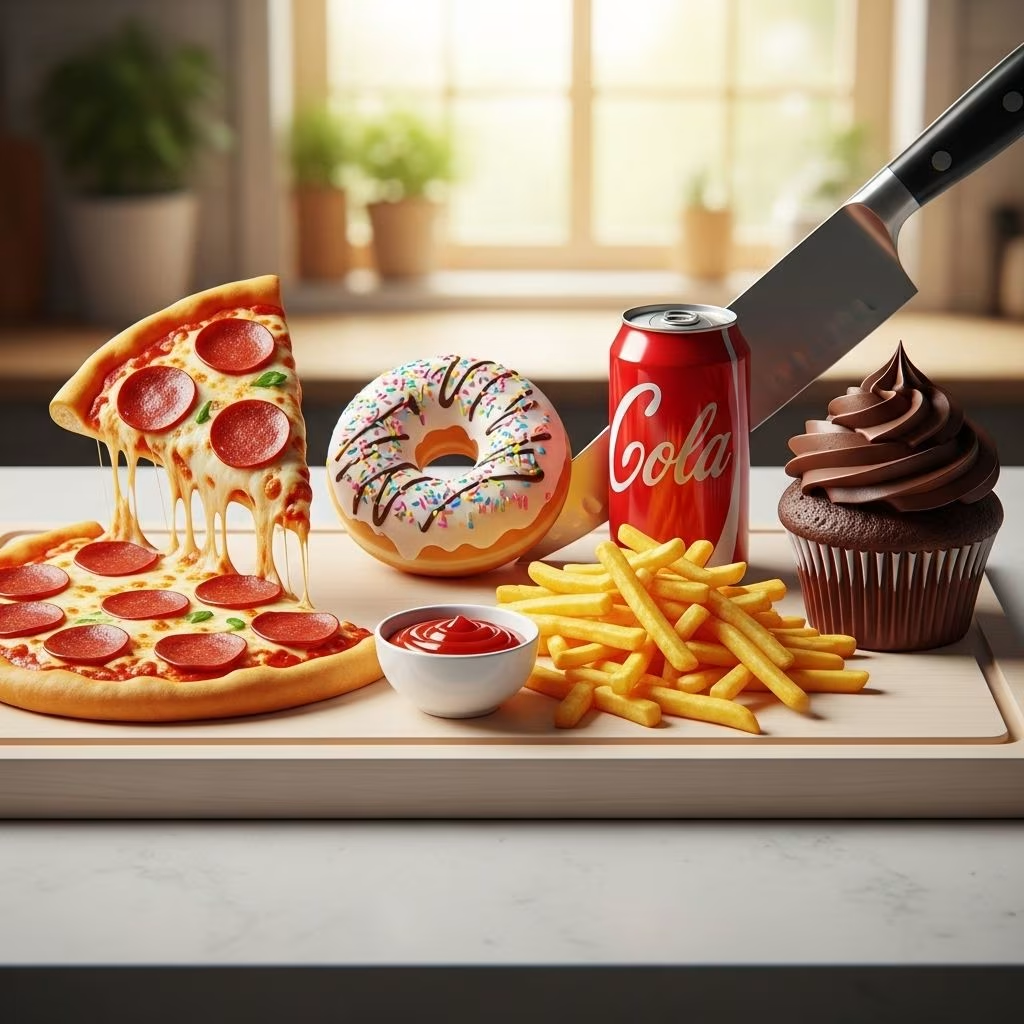
5 Foods to Cut First for Lasting Weight Loss Success
Embarking on a weight loss journey shouldn’t mean adopting a restrictive diet that leaves you feeling deprived. Leading nutritionists argue that a mindful, balanced approach with moderation—not food elimination—is key for both happiness and health. However, certain foods offer little nutritional value and pose risks to your health. Registered dietitians urge everyone to limit or remove these foods for sustainable wellness and easier weight management.
Why Small, Mindful Changes Matter
Rather than “banning” foods entirely, experts advocate for gradually reducing intake of problematic foods:
- Eat them less often.
- Cut down portion sizes when consumed.
- Substitute with healthier choices.
It’s about awareness—and understanding adjustments build lasting habits.
Sugary Beverages
Sugary drinks are one of the easiest items to eliminate for better health. The American Heart Association recommends women consume no more than 6 teaspoons (24 grams) of added sugar daily, and men no more than 9 teaspoons. A single 20 oz soda contains over 77 grams—more than triple the daily guideline.
- Includes sodas, sweetened iced tea, energy drinks, store-bought fruit punches, and sugary bottled coffee drinks.
- Fancy café beverages often hide excessive sugar: a white chocolate mocha can contain up to 900 calories and 10–15 teaspoons of sugar.
Health risks: High sugar consumption is linked to obesity, type 2 diabetes, heart disease, and dental problems.
Simple Swaps for Sugary Drinks
- Choose water with fruit slices, unsweetened iced tea, or sparkling water.
- Make your own coffee at home with less sugar and milk alternatives.
- Try herbal teas or diluted juices (using water to reduce sugar concentration).
Sweetened Cereals
Many breakfast cereals—even those marketed as “healthy”—contain high amounts of added sugar and are made from refined grains, which have little fiber or nutritive value.
- Flavored instant oatmeals and sweet granola bars also fall into this category.
- Refined grains cause spikes in blood sugar followed by crashes in energy.
Healthy Alternatives: Switch to whole grain cereal, old-fashioned oats, or bran flakes. Add fresh fruit or nuts for flavor and natural sweetness.
| Cereal Type | Sugar Content (per serving) | Fiber |
|---|---|---|
| Sweetened Corn Flakes | 10g | 0g |
| Flavored Instant Oatmeal | 12g | 2g |
| Old-Fashioned Oats (plain) | 0g | 4g |
| Whole Grain Bran Flakes | 3g | 5g |
Processed Meats
Bacon, ham, hot dogs, sausages, and deli meats are classified as processed meats. According to Harvard University research, eating these products regularly increases heart disease risk by 42% and type 2 diabetes risk by 19%.
- Contain sodium nitrate, a preservative linked to cancer in several studies.
- Often high in saturated fat and sodium, which raise blood pressure and cholesterol.
Tips to Reduce Intake:
- Replace processed meats with grilled chicken, fish, beans, or legumes.
- Explore plant-based sandwich fillings like roasted vegetables or hummus.
Processed Meats: Quick Facts
- Health concern: Processed meats linked to higher rates of colon cancer and cardiovascular events.
- Alternative: Use sliced turkey breast, or homemade grilled meats without preservatives.
Ingredients You Can’t Pronounce
Scanning an ingredient label should not feel like reading a chemistry textbook. If the label lists unfamiliar names, it may be loaded with artificial colors, preservatives, or other food additives that offer no nutritional benefit.
- Examples: sodium benzoate, propyl gallate, yellow #5, blue #2.
- Food dyes: Some artificial colorings have been shown to cause allergic reactions, hyperactivity, and even increased cancer risk.
Tip from Dietitians: “If you can’t pronounce it or don’t know what it is, put it back on the shelf.” Seek products with short ingredient lists and recognizable foods.
How to Avoid Unpronounceable Ingredients
- Read ingredient lists—choose brands with fewer, more familiar ingredients.
- Shop the perimeter of the grocery store for fresh produce, lean meats, and dairy.
- Prepare simple homemade meals to skip additives and preservatives.
Trans Fat
Trans fat is so dangerous that many countries have begun phasing it out. It increases overall cholesterol, reduces your “good” HDL cholesterol, and raises harmful LDL cholesterol. According to McMaster University researchers, trans fats are associated with higher rates of heart disease and premature death.
- Common sources: shortening, margarine, pre-made cookies, packaged biscuits, store-bought pie crusts, and frozen meals.
- Note: Even if a label claims “0 g trans fat,” the product may still contain up to 0.5 g per serving if “partially hydrogenated oil” is listed in ingredients.
Action Steps:
- Check labels—avoid products with “partially hydrogenated oils.”
- Opt for healthy fats: avocado, olive oil, nuts, and seeds.
- Cook at home for better control over fat types and amounts.
Frequently Asked Questions (FAQs)
Q: Do I have to give up all these foods forever to lose weight?
A: Nutrition experts agree you do not need to ban these foods completely. Moderation and mindful consumption are key. Reduce how often you eat them, control portions, and replace them with healthier alternatives whenever possible.
Q: Why are ultra-processed foods so problematic?
A: Ultra-processed foods are made through industrial processes that strip away most nutritional value and add unhealthy additives such as artificial sweeteners, flavors, and preservatives. These foods often cause blood sugar spikes, gut health issues, and can lead to overeating.
Q: What are some quick swaps for the foods to avoid?
- Sugary Drinks: Replace with water, unsweetened tea, or fruit-infused sparkling water.
- Sweetened Cereal: Choose whole grain, low-sugar cereal and top with fresh berries or banana slices.
- Processed Meats: Substitute grilled chicken, turkey, fish, or plant-based alternatives.
- Unpronounceable Ingredients: Buy fresh foods or products with simple ingredient lists.
- Trans Fats: Use healthy fats like olive oil, avocado, and nuts instead of processed snack foods.
Q: Is there an easy way to limit processed foods without extra effort?
A: Yes! Shop the grocery store perimeter where whole foods are stocked, batch-cook staples like grains and vegetables, and read food labels carefully.
Final Tips for Sustainable Healthy Eating
- Plan ahead: Prep simple meals and snacks so healthier choices are readily available.
- Stay hydrated: Drink water throughout the day to curb unnecessary snacking.
- Experiment: Try new whole foods and recipes to keep your diet interesting.
- Listen to your body: Eat when hungry and stop when satisfied, focusing on real foods over processed ones.
Key Takeaways Table
| Food to Limit | Main Health Risk | Suggested Alternative |
|---|---|---|
| Sugary Beverages | Obesity, diabetes | Water, unsweetened tea |
| Sweetened Cereals | Blood sugar spikes | Whole grain cereal, fresh fruit |
| Processed Meats | Heart disease, cancer | Lean grilled meats, legumes |
| Unpronounceable Ingredients | Unknown health risks | Fresh whole foods |
| Trans Fat | High cholesterol, heart disease | Healthy fats (olive oil, nuts) |
Resources for Further Reading
- American Heart Association: Guidelines for sugar and fat intake
- Harvard School of Public Health: Effects of processed meats
- World Health Organization: Healthy diet tips
- Academy of Nutrition and Dietetics: Tips for reading ingredient labels
Optimizing Your Grocery Trip
- Shop primarily for foods that don’t need a label (produce, fresh meats, eggs).
- When buying packaged items, look for those with short, simple ingredient lists (ideally five or fewer).
- Choose whole grains over processed grains.
- Batch-cook healthy grains, roast vegetables, and keep nuts or yogurt on hand for simple snacks.
Making these targeted changes is the easiest way to build a healthy food foundation, improve your nutrition, and support your weight loss goals. Mindful eating isn’t about restriction—it’s about choosing foods that energize and protect your health, one meal at a time.
References
- https://www.prevention.com/weight-loss/g20495242/first-things-to-cut-from-your-diet/
- https://www.prevention.com/food-nutrition/healthy-eating/a63423411/foods-you-should-not-eat/
- https://www.prevention.com/food-nutrition/healthy-eating/a65664887/ultra-processed-foods-weight-loss-gut-health-study/
- https://www.prevention.com
- https://www.prevention.com/food-nutrition/g20508205/8-things-that-happen-to-your-body-when-you-quit-eating-processed-food/
- https://www.prevention.com/weight-loss/a20465217/losing-the-last-5-pounds/
- https://www.prevention.com/health/a60486206/heal-your-body-with-food/
- https://www.prevention.com/food-nutrition/a20467881/stop-eating-bread/
- https://pmc.ncbi.nlm.nih.gov/articles/PMC6100800/


