


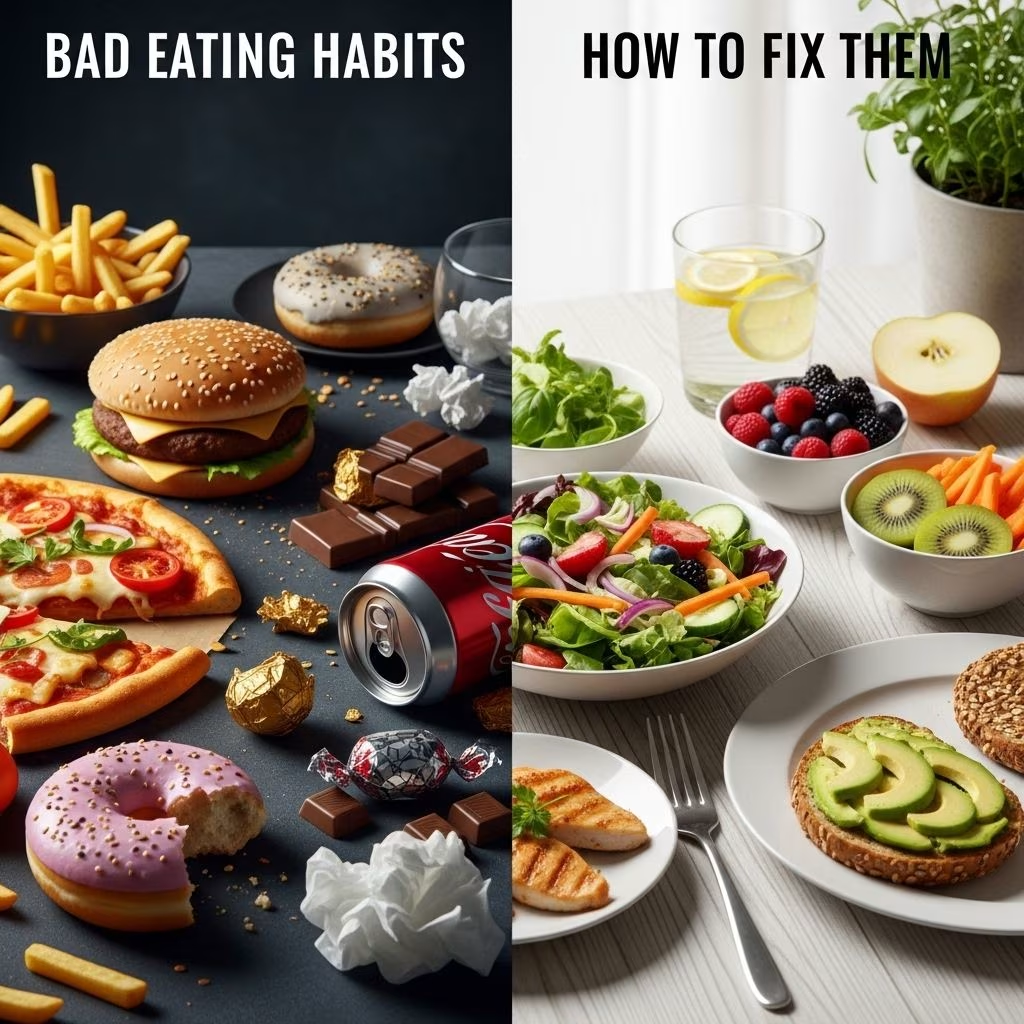
Developing better eating habits is more than just choosing vegetables over sweets—it’s about understanding how our daily practices influence when, why, and how much we eat. Nutrition experts observe our real-life eating routines and have identified some of the most common pitfalls that undermine our health and weight loss efforts. Below, we explore the six most frequent bad eating habits and offer realistic, science-backed solutions to fix them for good.
Bad Eating Habit #1: Surrounding Yourself with Food
Research from Cornell University’s Food and Brand Lab consistently shows that being around visible, accessible food increases the chances of mindless snacking—especially on junk food like chips, cookies, or candies. The easier it is to reach for food, the more likely you are to eat it, whether you’re actually hungry or just bored. This subconscious nibbling can quickly add up and sabotage your weight goals.
How to Fix It
- Out of sight, out of mind: Store treats and snack foods in opaque containers and keep them on high shelves or in the back of the pantry—well away from your line of sight on countertops or desks.
- Create food-free zones: Remove snacks from your workspace, car, or living room. Designate specific areas for eating, such as the kitchen or dining table, to help break the association between certain activities (like working or watching TV) and snacking.
- Stock up on healthier options: If you must have munchies within reach, fill your fridge with pre-cut veggies, whole fruits, or a portion-controlled container of nuts.
Quick fix: To immediately reduce temptation, move all visible snacks out of common areas and replace them with a bowl of fresh fruit or water.
Bad Eating Habit #2: Eating Lots of Small Meals Throughout the Day
The trend of eating frequent small meals—often called “grazing”—was once touted as a way to boost metabolism and quash hunger. However, newer research, such as a University of Southern California study, has shown that the more frequently you eat, the greater your risk of overeating during the day. People who eat several small meals can lose track of calories and end up consuming more than those who stick to two or three main meals.
Why This Happens
- Grazing often involves mindless snacking, especially in social situations or while distracted (like in front of the TV).
- It’s difficult to maintain portion control or recognize when you’re truly hungry versus just eating out of habit.
How to Fix It
- Set specific meal times: Aim for three balanced meals per day, with a focus on filling, nutrient-dense foods that keep you satisfied longer.
- Only snack when necessary: If you genuinely get hungry between meals, reach for a whole food snack—like an apple or a handful of nuts. Ideally, limit snacks to one a day.
- Listen to real hunger cues: Pause before eating to check in with your body. Are you truly hungry, or is it just time of day or emotional eating?
Bonus tip: Keep a food diary for a few days to track when and why you eat, helping you distinguish true hunger from habitual eating.
Bad Eating Habit #3: Confusing Good Fats with Bad Fats
Fat has gotten a bad rap over the years, but not all fats are created equal. Many people still avoid all fats or choose processed low-fat foods, which can be less satisfying and higher in sugar. In truth, your body needs certain types of fat to function well. The real mistake is not knowing which fats are beneficial and which can harm your health.
Common Pitfalls
- Choosing processed “low-fat” foods that are high in sugar or refined carbs
- Eating too much saturated or trans fats (found in processed meats, fried foods, pastries)
- Not including healthy unsaturated fats in your meals
How to Fix It
- Opt for healthy fats: Include sources of unsaturated fats like olive oil, avocado, nuts, seeds, and fatty fish (such as salmon or sardines).
- Limit saturated and trans fats: Eat processed meats, red meat, and fried foods sparingly. Instead, focus on plant-based fats, fish, and small servings of nuts or seeds.
- Read labels carefully: Don’t be fooled by “low-fat” claims—check for added sugars or unhealthy fillers.
Recommended for optimal heart and metabolic health:
| Fat Type | Sources | Guideline |
|---|---|---|
| Unsaturated (good) | Olive oil, nuts, seeds, avocado, fish | Include daily, in moderation |
| Saturated (limit) | Butter, fatty meats, cheese | Small amounts occasionally |
| Trans (avoid) | Packaged snacks, baked goods, margarine | Avoid completely |
Bad Eating Habit #4: Ignoring Your Hunger and Fullness Signals
Habit—not hunger—often dictates when and how much we eat. If you never pause to ask if you’re actually hungry, it’s easy to eat too much or too little. You may also continue eating long after you’ve had enough, just because there’s food on your plate or you’re distracted. Clinical nutritionists, such as those at Duke Diet and Fitness Center, recommend returning to a more mindful, intuitive way of eating.
Try the Mindful Eating Check-In
- Before eating, rate your hunger on a scale of 1 (starving) to 7 (overfull). Try to eat when around 2.5–3.5.
- Eat slowly, pausing frequently to check in with yourself. Re-rate your hunger at least once during your meal.
- Stop eating when you reach about 5–5.5 on the scale—pleasantly satisfied but not stuffed.
This helps you avoid both overeating and meal skipping, keeping energy and metabolism steady throughout the day.
Bad Eating Habit #5: Relying Too Much on Processed and Ultra-Processed Foods
Modern diets are packed with ultra-processed foods—convenient, tasty, and often marketed as healthier options, but usually rich in added sugars, refined grains, unhealthy fats, and artificial additives. Multiple studies have linked high consumption of these foods to increased risk of weight gain, metabolic disorders, gut health challenges, and even depression.
Why Ultra-Processed Foods Are a Problem
- Contain ingredients that can disrupt natural hunger cues, making it hard to recognize when you’re full.
- May promote chronic inflammation and disturb the gut microbiome.
- Often designed to encourage cravings and overeating, regardless of calorie labels.
How to Fix It
- Prioritize whole, minimally processed foods: Base meals around vegetables, whole grains, lean proteins, fruits, and healthy fats.
- Read food labels: Watch for added sugars, long ingredient lists, and artificial additives.
- Cook more at home: Even simple meals you prepare yourself tend to use fewer processed ingredients and more nutrient-dense foods.
Bad Eating Habit #6: Skipping Major Food Groups—or Failing to Get Enough of the Right Ones
Many people under-eat nutrient-dense foods—like fruits, vegetables, nuts, seeds, whole grains, and seafood—while over-indulging in salty foods, red and processed meats, and sugary drinks. Research shows this imbalance greatly increases the risk for heart disease, stroke, diabetes, and obesity. For optimal health, it’s not just about what you avoid, but what you include in your diet.
Food Group Recommendations
- Fruits: Aim for at least three medium fruits daily.
- Vegetables: Two cups cooked or four cups raw vegetables every day.
- Nuts/Seeds: Five 1-ounce servings per week (about 20 nuts or a small handful per serving).
- Whole grains: Try for 2½ servings per day for most adults.
- Seafood (especially rich in Omega-3s): About 8 ounces per week.
Ingredients to limit or avoid:
- Processed meats (bacon, hot dogs, deli meat): best to avoid completely.
- Red meat: no more than one serving per week.
- Sugary drinks: ideally none, replace with water, unsweetened tea, or coffee.
- Salt: no more than 2,000 mg per day—roughly one teaspoon.
Table: Good vs. Bad Foods for Heart and Metabolic Health
| Good Foods (Eat More) | Bad Foods (Eat Less) |
|---|---|
| Fruits and vegetables | Processed meats |
| Nuts and seeds | Red meat (limit) |
| Seafood (omega-3 rich) | Sugary drinks |
| Whole grains | Foods high in added salt |
| Polyunsaturated fats | Trans and saturated fats |
Frequently Asked Questions (FAQs)
Q: How can I avoid mindless snacking at work?
A: Keep snacks out of sight and designate a single space for eating, such as the kitchen. If you must snack, opt for portion-controlled servings of healthy choices stored away from your work area.
Q: Will eating more small meals help me lose weight?
A: Not necessarily. Studies indicate that eating more frequently can lead to accidental overeating. Focusing on three balanced meals each day is usually more effective for weight control.
Q: How do I identify good versus bad fats?
A: Good fats are unsaturated and found in foods like olive oil, nuts, seeds, and fatty fish. Bad fats—saturated and especially trans fats—should be eaten sparingly and are mostly found in processed foods.
Q: How can I practice mindful eating to prevent overeating?
A: Pause before you eat to rate your hunger, eat slowly, and check your fullness cues throughout your meal. Aim to eat to satisfaction, not to the point of being stuffed.
Q: What are the most important foods to include in a healthy diet?
A: Prioritize whole fruits and vegetables, nuts, seeds, seafood, whole grains, and healthy fats. Limit processed meats, red meat, sugary drinks, excess salt, and highly processed foods.
Key Takeaways
- Keep tempting foods out of sight to minimize mindless snacking.
- Stick to three balanced meals a day and avoid grazing without hunger.
- Choose healthy fats and be wary of “low-fat” processed products.
- Respond to your body’s hunger and fullness cues to avoid overeating or skipping meals.
- Favore whole, minimally processed foods for better health and weight loss results.
- Fill your plate with nutrient-dense foods and cut back on processed, high-sugar, and high-salt options.
Changing ingrained eating habits isn’t easy, but focusing on one or two habits at a time can have a real impact on your health, energy, and weight. Substitute lasting habits for quick-fix diets and enjoy the difference in how you look and feel.
References
- https://www.prevention.com/weight-loss/a20491224/bad-eating-habits-how-to-fix-major-eating-mistakes/
- https://www.cbsnews.com/news/bad-eating-habits-killing-americans-bacon-fat-sugar/
- https://www.prevention.com/food-nutrition/healthy-eating/a65664887/ultra-processed-foods-weight-loss-gut-health-study/
- https://www.prevention.com/weight-loss/g20494462/eating-habits-for-weight-loss/
- https://www.prevention.com/weight-loss/g20494587/25-worst-diet-tips-ever/
- https://www.prevention.com/health/mental-health/a30855669/how-to-break-bad-habits/
- https://www.prevention.com/health/a20480540/unhealthy-lifestyle-habits/
- https://www.prevention.com/food-nutrition/
- https://www.prevention.com/health/memory/a63654519/red-meat-dementia-risk-study/
- https://www.prevention.com/health/a63375234/sugary-drinks-linked-to-death/


