


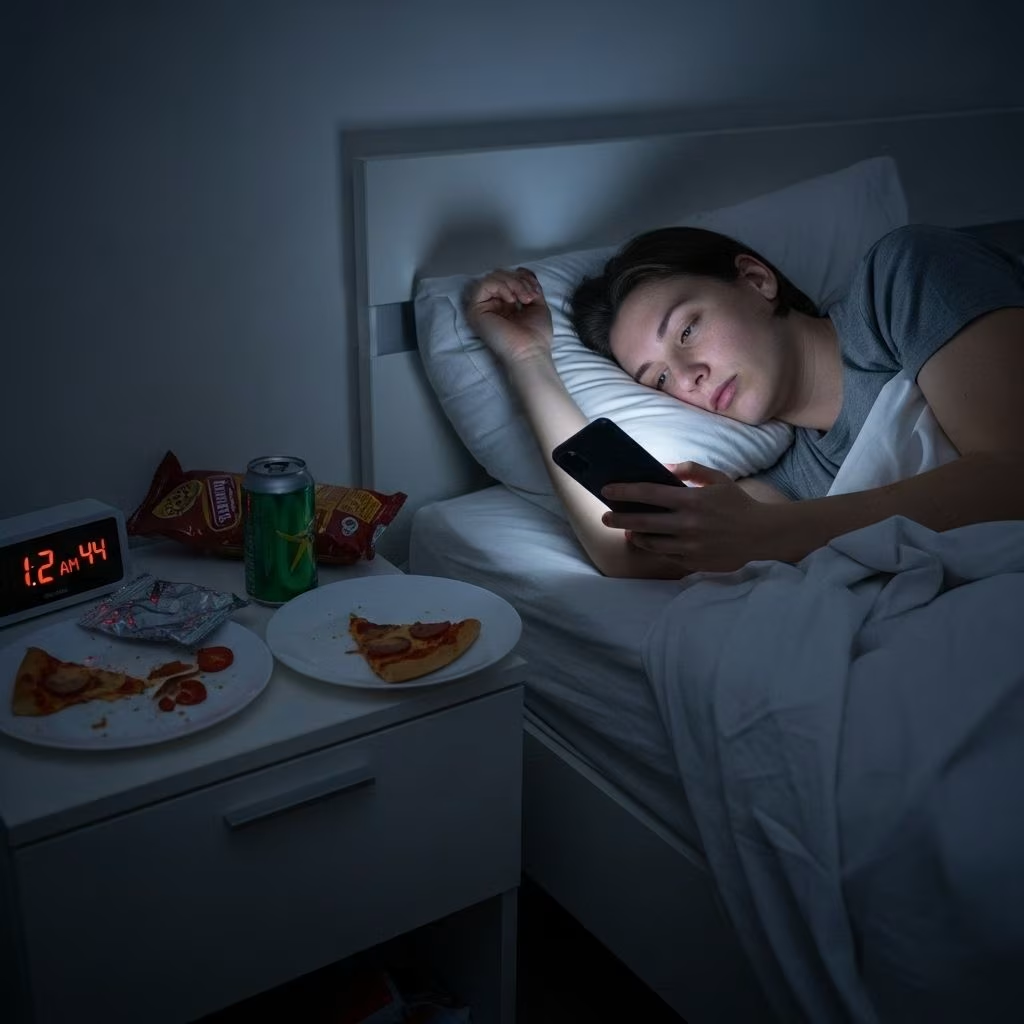
6 Bedtime Habits That Are Making You Gain Weight
Are you struggling with unexplained weight gain despite a healthy daytime routine? Your evening habits may be quietly sabotaging your weight-loss efforts. Research shows that certain nighttime behaviors—from mindless snacking to checking your smartphone before bed—not only disrupt restful sleep but also promote excess calorie consumption and metabolic shifts that favor weight gain.
This guide explores six common bedtime routines linked to weight gain, explains the science behind their effects, and provides actionable strategies to build healthier sleep and eating habits for lasting results.
1. Not Budgeting for Nighttime Snacks
Nighttime snacking is a deeply ingrained habit for many, often associated with relaxation after a long day. While occasionally indulging is not inherently harmful, not accounting for evening snacks in your daily calorie total can tip the scale toward gradual weight gain.
- Calorie Overages: Consuming a large snack — popcorn during a show, a bowl of ice cream, or chips — on top of dinner can easily push your daily intake above your energy needs.
- Expert Insight: Dr. Peter LePort, bariatric surgeon, suggests that the problem isn’t eating at night per se, but failing to balance total intake and activity.
- Compensation Strategies: If you know you’ll snack, try downsizing your dinner or adding extra physical activity earlier in the day.
Practical Tip: Plan your nighttime snack in advance. Choose lighter options such as protein-rich yogurt or a handful of nuts, and include their calories in your daily budget to avoid unintended weight gain.
2. Snacking Mindlessly in Front of the TV
Distracted eating is a major driver of excessive calorie consumption. Engaging with screens—TV, smartphones, or tablets—while eating reduces awareness of portions and satiety, often resulting in eating more than intended.
- Research Findings: Studies show that people eat more when distracted, and are less likely to recall how much they’ve eaten.
- Portion Control: Even healthy snacks add up. Measuring and pre-portioning snacks before sitting down can prevent overeating.
- Mindful Eating: Practice awareness by separating eating from watching TV. Enjoy your snack first, then move on to entertainment.
Practical Tip: Place snacks in a bowl, not directly from the package, and set the bowl away when finished. This simple step curbs unconscious eating and makes it easier to monitor your intake.
3. Unwinding with a Nightcap
Alcohol is a common tool for relaxation, but drinking before bed can disrupt sleep quality and fuel weight gain. Even modest amounts can have several unwanted effects:
- Empty Calories: Alcoholic drinks, especially cocktails and wine, add extra calories without nutritional value.
- Sleep Disruption: Alcohol may initially make you fall asleep faster, but it impairs sleep cycles, leading to restless nights and frequent wake-ups.
- Hormonal Effects: Poor sleep alters hunger-regulating hormones, increasing cravings for high-calorie foods.
Practical Tip: If you enjoy a drink in the evening, try consuming it at least 2–3 hours before bed and stick to low-calorie options. For relaxation, consider herbal teas or other non-alcoholic beverages to preserve sleep quality.
4. Checking Your Tech Before Bed
Light emitted by screens—phones, tablets, televisions—has profound effects on sleep and metabolism. Blue light exposure in the hour before bed suppresses melatonin, delays sleep onset, and reduces sleep quality.
- Sleep Fragmentation: Screen time before bed causes lighter, less restorative sleep. Sleeping with the TV on or scrolling through social media can keep your brain engaged, interfering with natural wind-down processes.
- Weight Gain Connection: Poor sleep drives increased hunger and changes metabolism, raising the risk of late-night snacking and dietary slips.
- Healthy Routine: Log off all screens at least 30–60 minutes before bed. Create a screen-free wind-down ritual — such as reading a book or gentle stretching.
Practical Tip: Use blue light filters or ‘night mode’ features on electronic devices. Set a nightly alarm to remind yourself to shut down screens in time for proper rest.
5. Setting Your Alarm Too Late (Skipping Breakfast)
Rushing out the door in the morning, skipping breakfast, or delaying your wake-up can all sabotage metabolic health. Skipping breakfast may heighten hunger later in the day, increase the likelihood of overeating, and slow metabolism.
- Research: Studies indicate people who eat a high-protein breakfast consume fewer calories throughout the day and gain less body fat.
- Routine Matters: Waking just in time to get out the door may mean missing your best chance for a wholesome first meal.
- Healthy Morning Habits: Adjust your bedtime and wake time to guarantee room for breakfast—even something simple and protein-rich, like boiled eggs or Greek yogurt.
Practical Tip: Prep breakfast the night before. Overnight oats, breakfast burritos, or protein smoothies can be grabbed in minutes, ensuring your metabolism gets a healthy start.
6. Neglecting Sleep Quality and Quantity
Chronic sleep deprivation and irregular sleep schedules are consistently linked to increased risk of obesity and weight gain.
- Scientific Evidence: Sleeping less than 6 hours a night is associated with higher BMI and unhealthy changes in body composition.
- Circadian Rhythms: Late-night eating and shifting sleep/wake patterns disrupt the body’s internal clock, leading to unfavorable changes in metabolism and appetite.
- Shift Work Risks: Individuals with irregular work/sleep patterns (night shift, inconsistent bedtimes) face higher obesity rates due in part to circadian misalignment.
Practical Tip: Set a consistent bedtime and wake time; aim for at least 7–8 hours of sleep. Limit late-night eating, caffeine, and stimulants to support healthier sleep cycles.
How These Habits Affect Your Weight: The Science
Several mechanisms explain why these bedtime routines lead to weight gain:
- Hormonal Changes: Poor sleep alters levels of ghrelin (stimulates appetite) and leptin (signals fullness), resulting in increased hunger and reduced satiety.
- Metabolic Slowdown: Sleep loss reduces the body’s ability to metabolize glucose and process fat, leading to fat storage.
- Increased Caloric Intake: Mindless eating during screen time and emotional eating tied to relaxation can cause calorie surpluses.
- Reduced Physical Activity: Fatigue from lack of sleep leads to lower energy and motivation, decreasing daily movement.
Table: Bedtime Habit & Impact on Weight
| Habit | Primary Risk | Recommended Fix |
|---|---|---|
| Not budgeting snacks | Excess calorie intake | Track snacks in daily calories; compensate via smaller meals/exercise |
| Mindless TV snacking | Overeating, poor portion control | Pre-portion snacks; eat mindfully |
| Nightcaps | Disrupted sleep, extra calories | Limit alcohol; choose alternatives |
| Tech before bed | Poor sleep quality | Shut off screens 30-60 mins before sleep |
| Late alarm | Skipped breakfast; slow metabolism | Wake earlier; eat a healthy breakfast |
| Irregular sleep schedule | Weight gain, increased hunger | Set regular bed/wake times |
Frequently Asked Questions (FAQs)
Q: Is eating after 8 p.m. always bad for weight management?
A: It’s not the exact timing, but total calorie intake and the quality of snacks that matter. Nighttime eating affects weight only when it leads to calorie surplus or disrupts sleep.
Q: Can skipping breakfast help with weight loss if I’m trying intermittent fasting?
A: Skipping breakfast may help some people control calorie intake, but for many, it leads to increased hunger and overeating later. Aim for nutrient-dense first meals within your chosen fasting schedule.
Q: How does alcohol interfere with sleep?
A: While alcohol can make you sleepy at first, it fragments REM sleep and causes early waking, resulting in tiredness and increased cravings for unhealthy foods.
Q: What are healthier alternatives to tech before bed?
A: Try relaxation routines: reading (paper books), meditating, gentle stretching, or journaling are all screen-free activities proven to promote restful sleep.
Q: How much sleep do adults need for healthy weight management?
A: Most adults require at least 7–8 hours of sleep per night to maintain hormonal balance and support metabolic health.
Strategies for Nighttime Weight Management
- Set a Cutoff Time for Meals: Aim to finish eating 2–3 hours before bed.
- Create Sleep Rituals: Establish nightly routines that don’t involve screens or snacking.
- Limit Caffeine and Alcohol: Avoid stimulants and depressants close to bedtime to preserve sleep quality.
- Stay Hydrated: Drink water throughout the evening, but reduce intake an hour before bed to avoid wake-ups.
- Monitor Emotional Eating: If stress or boredom triggers nighttime eating, use non-food coping strategies such as journaling, stretching, or listening to music.
Remember:
A healthy evening routine is a crucial—but often overlooked—ingredient for weight management. By understanding and modifying these six common bedtime habits, you can restore restful sleep, reduce excess calorie intake, and give your metabolism a meaningful boost.
References
- https://www.prevention.com/weight-loss/a20480681/6-bedtime-habits-that-are-making-you-gain-weight/
- https://www.prevention.com/weight-loss/g20435175/bedtime-habits-for-weight-loss/
- https://www.menshealth.com/weight-loss/g19529551/bedtime-habits-weight-gain/
- https://pmc.ncbi.nlm.nih.gov/articles/PMC9031614/
- https://www.prevention.com/weight-loss/a20452322/how-lack-of-sleep-makes-you-gain-weight-0/
- https://www.prevention.com/weight-loss/a20482892/late-night-eating/
- https://pmc.ncbi.nlm.nih.gov/articles/PMC8568776/
- https://www.uchicagomedicine.org/forefront/research-and-discoveries-articles/2022/february/getting-more-sleep-reduces-caloric-intake
- https://www.ynhhs.org/articles/does-lack-of-sleep-cause-weight-gain


