


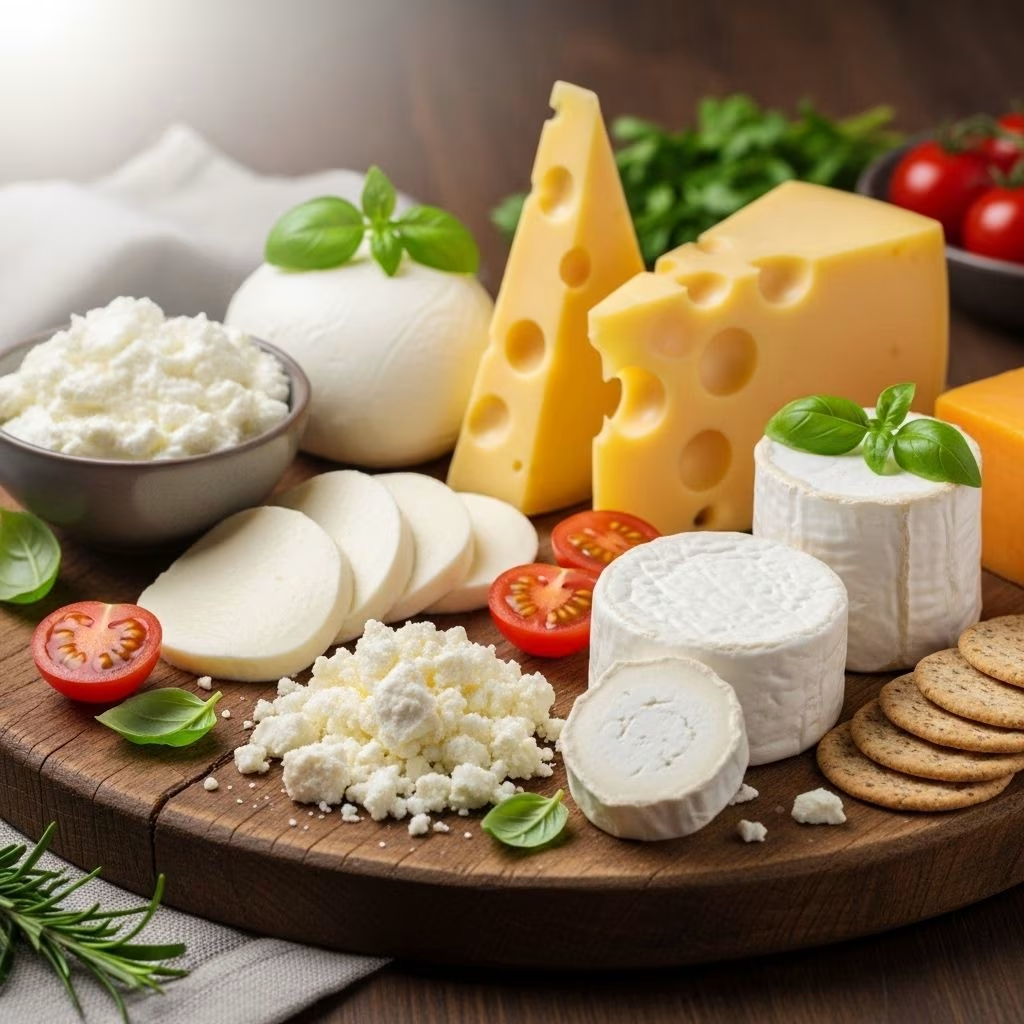
If you’re seeking to enjoy cheese while adhering to a weight-conscious or heart-healthy diet, you’re in luck: not all cheese is brimming with saturated fat. Many varieties offer substantial protein and calcium, but with significantly less fat and calories. This guide explores six exceptional low-fat cheeses that deliver on flavor and nutrition—plus offers expert advice for smart cheese consumption.
Why Choose Low-Fat Cheese?
Cheese is a nutritious food, providing calcium, protein, and a range of vitamins and minerals. However, many traditional cheeses are high in saturated fat and sodium, which can raise concerns for heart health and weight management. Opting for low-fat cheeses allows you to enjoy cheese’s benefits while keeping calories and unhealthy fat content in check. Incorporating these varieties into your meals can support healthy blood pressure, bone health, and weight goals.
- Reduced saturated fat: Supports heart health and cholesterol control.
- Lower calories: Fits into a calorie-conscious diet for weight loss or management.
- Packed with protein: Aids satiety and muscle maintenance.
- Good calcium source: Essential for strong bones and teeth.
How to Select the Healthiest Cheese
When choosing cheese, look beyond labels like “low-fat” and pay attention to:
- Nutrition label: Key facts include saturated fat, sodium, protein, and serving size.
- Ingredients: Prefer simple, whole-food ingredients and avoid heavily processed cheeses.
- Serving portions: Enjoy in moderation—about 1 ounce (28 g) is standard.
Cheeses labeled as “part-skim,” “low-fat,” or “reduced-fat” are your best bet for a lower-fat option. Fresh cheeses tend to be lowest in fat and calories, while aged or hard cheeses are more calorie-dense but often higher in flavor, allowing you to use less.
The 6 Best Low-Fat Cheeses for Health-Conscious Diets
1. Cottage Cheese
Cottage cheese is among the healthiest and lowest-fat cheeses you can find. Its curdled texture and mild flavor make it a versatile ingredient—enjoyable on its own, as a topping, or mixed into recipes. Available in nonfat, 1%, and 2% fat varieties, cottage cheese is exceptionally low in calories and saturated fat while being rich in protein, vitamin B-12, and calcium. It is especially favored by athletes and those pursuing muscle-building or weight loss due to its high satiety and low calorie content.
- Calories (per 21g): 17.6 kcal
- Protein: 2.3g
- Fat: 0.5g
- Sodium: 67mg
- Calcium: 21.6mg
Pro tip: Mix cottage cheese into fruit bowls, salads, dips, or use as a spread on whole grain toast for a satisfying snack.
2. Ricotta
Ricotta is a creamy Italian cheese made from whey. Part-skim ricotta is noticeably lower in fat and calories than whole-milk versions, while still providing the signature fluffy texture and versatile flavor. It is an excellent source of calcium and protein, and because it’s made from the leftover liquid after other cheeses are produced, it is particularly rich in whey protein—known for supporting muscle health and, according to some research, possibly offering anti-cancer properties.
- Calories (per 21g): 31.1 kcal
- Protein: 2g
- Fat: 2g
- Sodium: 21mg
- Calcium: 52mg
Pro tip: Use part-skim ricotta instead of cream cheese on bagels, or blend with herbs as a healthy pasta topping.
3. Feta
Feta is a crumbly, salty Greek cheese made from sheep or goat milk. While it is higher in sodium, it contains less fat and fewer calories per ounce than many traditional cheeses. Feta is a good source of calcium and phosphorus, both vital for bone health. Due to its strong flavor, a small amount goes a long way, making it easy to use less.
- Calories (per 21g): 55.6 kcal
- Protein: 3g
- Fat: 4.5g
- Sodium: 239mg
- Calcium: 104mg
Pro tip: Crumble feta over salads, grain bowls, or roasted vegetables for a savory boost.
4. Goat Cheese (Chevre)
Goat cheese offers a tangy flavor and creamy consistency, with a nutritional profile lower in calories than many hard cheeses. It offers a digestible option for those with sensitivities to cow’s milk and provides vitamin A and calcium. Goat cheese is relatively high in fat compared to other low-fat cheeses, but its sharp flavor means you need less to deliver a cheesy punch.
- Calories (per 21g): 76.4 kcal
- Protein: 4.5g
- Fat: 6.3g
- Sodium: 87mg
- Calcium: 62mg
Pro tip: Spread on crackers, blend into whipped dips, or pair with fruit for a Mediterranean-inspired snack.
5. Part-Skim Mozzarella
This fresh Italian cheese is soft, mild, and beloved for its meltability. Opting for part-skim or low-moisture varieties trims the fat content without compromising flavor. Mozzarella is high in protein and calcium while being relatively low in sodium for a cheese. It also provides probiotics, supporting healthy digestion.
- Calories (per 28g): ~71 kcal
- Protein: 7g
- Fat: 4.5g
- Sodium: 175mg
- Calcium: 200mg
Pro tip: Add mozzarella to vegetable bakes, whole wheat pizzas, or salads for a satisfying, gooey treat.
6. Swiss Cheese
Swiss cheese is recognizable for its “holes” and nutty taste. It’s relatively low in sodium and fat compared to many hard cheeses, and it delivers a good amount of protein and calcium. Swiss cheese’s robust flavor means you can use less for the same satisfaction, making it easier to keep portions (and calories) in check. It also contains almost no lactose, which can make it easier to tolerate for some people with lactose sensitivity.
- Calories (per 21g): 82.5 kcal
- Protein: 5.7g
- Fat: 6.5g
- Sodium: 39mg
- Calcium: 187mg
Pro tip: Use Swiss cheese in sandwiches, on baked potatoes, or as part of a heart-healthy cheese platter.
Nutrition Comparison: Low-Fat Cheeses
| Cheese (21g) | Calories | Protein (g) | Fat (g) | Sodium (mg) | Calcium (mg) |
|---|---|---|---|---|---|
| Cottage Cheese (1%) | 17.6 | 2.3 | 0.5 | 67 | 21.6 |
| Ricotta (Part-Skim) | 31.1 | 2.0 | 2.0 | 21 | 52 |
| Feta | 55.6 | 3.0 | 4.5 | 239 | 104 |
| Goat Cheese | 76.4 | 4.5 | 6.3 | 87 | 62 |
| Part-Skim Mozzarella | 71 | 7.0 | 4.5 | 175 | 200 |
| Swiss Cheese | 82.5 | 5.7 | 6.5 | 39 | 187 |
Smart Ways to Add Low-Fat Cheese to Your Diet
- Stir cottage cheese into smoothie bowls, oatmeal, or pancake batter for protein-rich breakfasts.
- Top whole-grain toast with whipped ricotta and fresh tomatoes for a Mediterranean-inspired snack.
- Add cubes of part-skim mozzarella or feta to salads and roasted vegetables.
- Swap mayonnaise for cottage cheese in spreads and dips for a lighter alternative.
- Use Swiss cheese slices for sandwiches to cut sodium while adding a robust flavor.
- Sprinkle crumbled goat cheese atop roasted beets, arugula, or grain bowls for color and zing.
Tips for Healthy Cheese Consumption
- Watch your portions: Keep servings to 1-2 ounces (about the size of four dice) to stay within daily recommended saturated fat and sodium limits.
- Aim for balance: Combine cheese with fiber-rich vegetables, fruits, or whole grains for a balanced meal.
- Choose lower-sodium options: Swiss, ricotta, and cottage cheeses are generally lower in sodium than aged or processed cheeses.
- Look for probiotics: Some fresh cheeses, like cottage cheese and mozzarella, often contain live cultures to support gut health.
- For lactose intolerance: Hard cheeses such as Swiss often contain less lactose and may be tolerated better.
Frequently Asked Questions (FAQs)
What cheeses are naturally low in fat?
Fresh cheeses like cottage cheese, part-skim ricotta, and part-skim mozzarella contain less fat than aged cheeses. Look for varieties marked “low-fat” or “part-skim.”
Can you lose weight while eating cheese?
Yes—moderation is key. Low-fat cheeses offer a protein boost and help with satiety, making it easier to stick to healthy meal plans. Choose lower-calorie cheeses and keep portions in check.
Are reduced-fat cheeses less nutritious?
Not necessarily. While full-fat cheese contains more fat-soluble vitamins, low-fat options still deliver protein, calcium, and other essential nutrients.
Are processed cheeses the same as low-fat cheeses?
No. Many processed cheeses are lower in quality and may include added sodium, artificial flavors, or other fillers. Always compare ingredient lists and nutrition information.
Can people with lactose intolerance eat cheese?
Many hard and aged cheeses (like Swiss, parmesan, and cheddar) contain very little lactose and are easier to digest for most people with lactose intolerance. Fresh cheeses like cottage cheese and ricotta may contain slightly more lactose but can still be tolerated in small amounts by some.
Summary: Enjoy Cheese the Healthy Way
Cheese doesn’t have to be off the menu if you’re aiming for a lower-fat, healthier eating pattern. By choosing low-fat varieties—such as cottage cheese, part-skim ricotta, feta, goat cheese, part-skim mozzarella, and Swiss—you can enjoy delicious flavor, creamy texture, and nutritional benefits without overindulging in fat or calories. Combine cheese with plenty of fresh fruits, vegetables, and whole grains for a balanced, satisfying diet.
References
- https://www.medicalnewstoday.com/articles/healthiest-cheese
- https://www.urmc.rochester.edu/encyclopedia/content?contenttypeid=76&contentid=01168-5
- https://extension.psu.edu/selecting-cheese-for-health/
- https://www.healthline.com/nutrition/healthiest-cheese
- https://www.americandairy.com/dairy-diary/5-cheeses-full-of-taste-but-low-in-calories/
- https://www.keystonefarmscheese.com/blogs/the-cheese-blog/low-fat-cheeses-that-actually-taste-good-and-boost-your-protein-intake
- https://www.healthcentral.com/condition/high-cholesterol/cheeses-low-in-fat-and-cholesterol


