


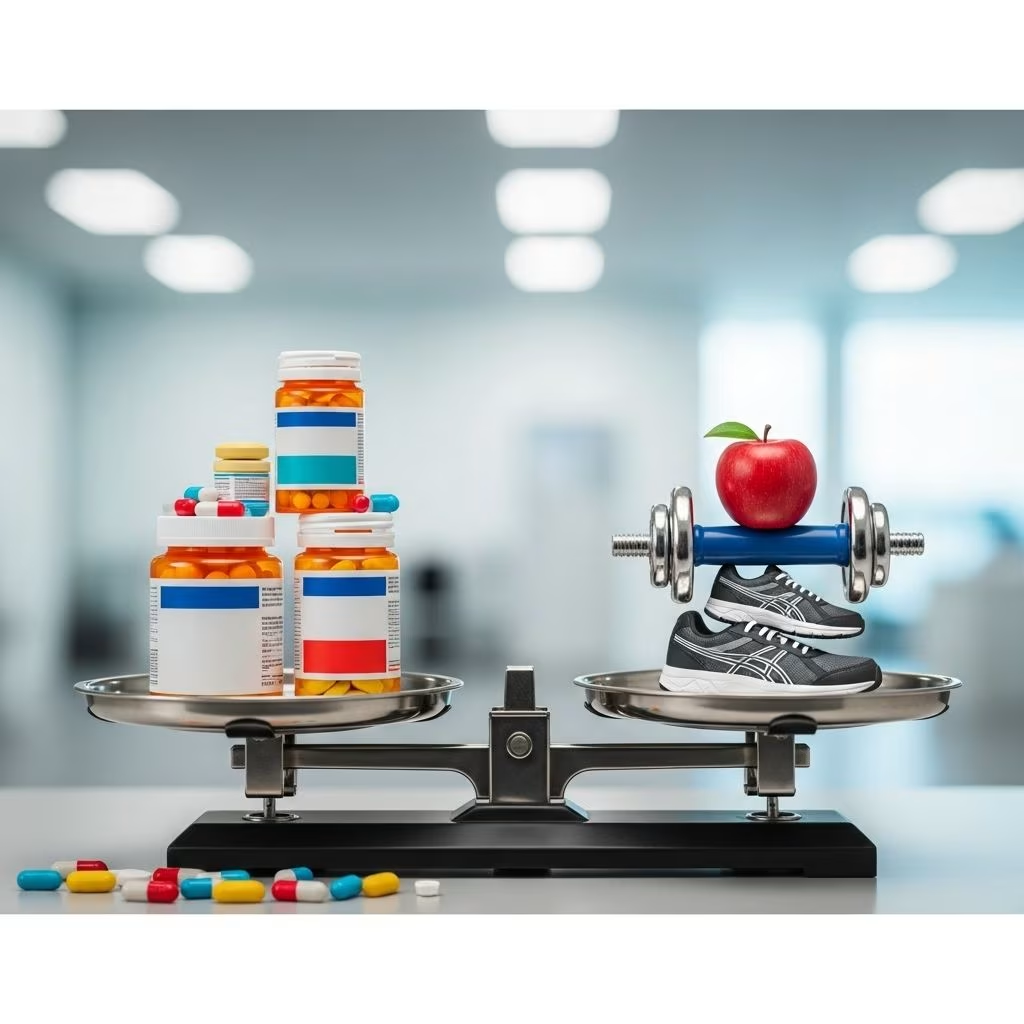
Many prescription medications can have surprising side effects, and one of the most common—and distressing—effects is weight gain. Whether you’re managing blood sugar, mental health, or chronic pain, several widely used treatments are known to promote increases in body weight. Understanding which drugs carry this risk and learning how to counteract their effects can help you better manage your health and wellbeing.
Why Do Some Medications Cause Weight Gain?
Weight gain as a drug side effect can occur through different pathways—some drugs boost appetite, others slow your metabolism or cause your body to retain water. Sometimes, they may even change your fat storage patterns or alter how your body handles sugars and other nutrients. If you notice the scale creeping up after starting a new prescription, the medication itself may be partly responsible. Recognizing this connection is the first step toward taking practical action.
6 Common Classes of Medications That May Cause Weight Gain
Below are six groups of medications frequently associated with weight gain. For each, we explore how they work, why they may trigger weight changes, and (importantly) what you can do to minimize this effect.
1. Antidepressants
Why it happens: Several depression and anxiety medications—especially older versions—can be linked to weight gain. Tricyclic antidepressants, certain SSRIs, and others like mirtazapine can increase appetite and alter metabolism, leading to gradual weight increases over months or years.
- Tricyclic antidepressants (e.g., amitriptyline, nortriptyline)
- SSRIs (notably paroxetine/Paxil, but sometimes sertraline/Zoloft, citalopram/Celexa, fluoxetine/Prozac with long-term use)
- Mirtazapine (Remeron)
- MAOIs (e.g., phenelzine/Nardil)
What you can do:
- Talk openly with your doctor about your concerns. Some antidepressants (like bupropion/Wellbutrin) are less likely to cause weight gain, and switching may be possible.
- Be patient—sometimes initial weight changes level off after several months.
- Keep an eye on your diet and activity level, especially in the first few months after starting treatment.
- Never quit a prescribed antidepressant abruptly; always discuss alternatives with your provider.
2. Diabetes Medications
Why it happens: Oral and injectable medications for type 2 diabetes can impact weight differently. Insulin therapy and certain older medications increase the storage of glucose as fat, while some newer drugs encourage weight loss.
- Insulin (injection)
- Sulfonylureas (e.g., glyburide, glipizide, glimepiride)
- Thiazolidinediones (e.g., pioglitazone/Actos, rosiglitazone/Avandia)
- Meglitinides (e.g., repaglinide)
What you can do:
- Ask about alternative diabetes drugs called GLP-1 agonists (e.g., semaglutide/Ozempic), which can promote weight loss.
- Consider working with a diabetes educator or registered dietitian to optimize nutrition and activity for blood sugar management.
- Regularly monitor blood sugar and report any unexpected weight trends to your care team.
3. Antipsychotic Medications
Why it happens: Many antipsychotics—used for conditions like schizophrenia, bipolar disorder, or severe depression—have well documented weight gain effects. These drugs change metabolic processes, often increasing appetite and disrupting glucose handling.
- Olanzapine (Zyprexa)
- Clozapine (Clozaril)
- Risperidone (Risperdal)
- Quetiapine (Seroquel)
What you can do:
- Don’t stop your medication suddenly—abrupt withdrawal may cause relapse of mental health symptoms.
- Consult your mental health provider about switching to lower-risk options (e.g., aripiprazole/Abilify or ziprasidone).
- Request regular monitoring of your weight, cholesterol, and blood sugar while on these medications.
- Ask about adjunctive medications or behavioral interventions to help manage appetite and cravings.
4. Corticosteroids
Why it happens: Corticosteroids (taken by mouth, intravenously, or even as injections) are commonly prescribed for inflammatory conditions such as asthma, arthritis, or autoimmune diseases. These drugs can stimulate appetite, increase fat storage (especially in the belly and face), and alter how your body manages fluids and salt, leading to water retention and weight gain.
- Prednisone
- Hydrocortisone
- Dexamethasone
What you can do:
- Where possible, ask your doctor about the lowest effective dose and shortest possible duration.
- If you need long-term steroids, regular exercise and sodium restriction may help mitigate weight gain and water retention.
- Discuss non-steroid alternatives or steroid-sparing medications if appropriate for your condition.
5. Beta Blockers
Why it happens: Beta blockers are often prescribed to treat high blood pressure, heart disease, and certain types of arrhythmias. Older types in particular can cause modest weight gain as they can slow metabolism and reduce exercise tolerance, making it easier to put on pounds.
- Metoprolol (Lopressor, Toprol XL)
- Atenolol (Tenormin)
- Bisoprolol (Zebeta)
What you can do:
- Squash the myth that all blood pressure medications cause weight gain—many, such as ACE inhibitors, do not.
- Ask your physician about newer beta blockers or alternative classes, such as calcium channel blockers.
- Even a modest increase in activity may help balance the metabolic impact of these drugs.
6. Anticonvulsants and Mood Stabilizers
Why it happens: Originally prescribed for seizure control, anticonvulsants are now also used for chronic nerve pain and mood stabilization in bipolar disorder. Some of these medications boost appetite or affect the body’s energy handling, causing weight gain, though not all in this class have this effect.
- Gabapentin (Neurontin)
- Pregabalin (Lyrica)
- Carbamazepine (Tegretol)
- Valproic acid/divalproex (Depakene, Depakote)
- Lithium (used for bipolar disorder)
What you can do:
- Not all anticonvulsants induce weight gain; for example, lamotrigine (Lamictal) is generally weight-neutral and topiramate (Topamax) may cause weight loss.
- Monitor your eating patterns—some drugs increase hunger without you noticing.
- Work with your doctor to review options if weight gain becomes unmanageable, especially if used for chronic pain rather than epilepsy or psychiatric use.
Table: Medication Classes and Their Potential for Weight Gain
| Class | Examples | Typical Use | Weight Gain Risk |
|---|---|---|---|
| Antidepressants | Amitriptyline, Paroxetine, Mirtazapine | Depression, Anxiety | Moderate to High |
| Diabetes drugs | Insulin, Sulfonylureas, TZDs | Type 2 Diabetes | Moderate |
| Antipsychotics | Olanzapine, Risperidone | Schizophrenia, Bipolar Disorder | High |
| Corticosteroids | Prednisone, Dexamethasone | Inflammatory Disorders | Moderate to High |
| Beta Blockers | Metoprolol, Atenolol | Hypertension, Heart Disease | Low to Moderate |
| Anticonvulsants & Mood Stabilizers | Gabapentin, Lithium, Valproate | Seizures, Bipolar, Nerve Pain | Moderate |
What to Do if Your Medication Is Causing Weight Gain
- Never discontinue a prescribed medication on your own. Stopping abruptly can be dangerous, especially with drugs for mental health, diabetes, or heart conditions.
- Speak with your healthcare provider. There may be safer alternatives that are less likely to affect your weight.
- Ask about dosage adjustments or the potential for combining medications to minimize side effects.
- Consult with a registered dietitian or diabetes educator for personalized nutrition guidance.
- Practice regular self-monitoring: Keep track of your weight, appetite, and eating habits when starting or changing medications.
- Engage in regular physical activity—exercise helps counter metabolic slowdown and can benefit your mood and energy.
- Prioritize sleep and stress management, both of which can impact how your body responds to medication and handles weight changes.
Expert-Recommended Tips to Minimize Medication-Related Weight Gain
- Stay hydrated—thirst is often mistaken for hunger, especially with drugs that dry your mouth or alter taste.
- Plan balanced meals including fiber, lean protein, and healthy fats to help keep you full.
- Monitor sodium intake—especially with corticosteroids and some psychiatric drugs—to reduce water retention.
- Track your progress with a journal or weight log to spot trends early.
- Focus on non-scale victories such as energy, mood, and sleep improvements.
Frequently Asked Questions (FAQs)
Q: Is weight gain from medication automatic or inevitable?
A: No. Not everyone will gain weight on these medications, and the amount can vary considerably. Factors such as dose, duration, individual metabolism, and lifestyle all play important roles.
Q: What should I do if I gain weight suddenly after starting a new drug?
A: Speak to your physician or pharmacist. Sudden, severe weight gain—especially if accompanied by swelling—may indicate water retention, heart or kidney issues, and needs prompt evaluation.
Q: Are there alternatives to every medication on this list?
A: Usually, alternatives are available, but the best option depends on your individual health needs. Some newer drugs have a reduced risk of weight gain or even cause weight loss, but not all patients are candidates for substitution. Work closely with your provider before making changes.
Q: Can diet and exercise really make a difference if a medication is causing weight gain?
A: Yes. While medications can make losing or maintaining weight more difficult, lifestyle changes in diet and exercise remain effective for minimizing gains and improving overall health.
Takeaway: Weight Gain Doesn’t Mean You Have to Sacrifice Your Health
Medications that treat serious health conditions may sometimes come with unwanted side effects, but with knowledge, vigilance, and the help of your healthcare team, weight gain can be managed. If you notice persistent or troubling weight changes, don’t hesitate to reach out to your provider—the right strategies can help you stay healthy, energized, and confident while getting the treatment you need.
References
- https://www.healthquality.va.gov/guidelines/CD/obesity/MedsEffectsWeightProviderToolFINAL50817Dec2020.pdf
- https://www.aarp.org/health/drugs-supplements/medication-weight-gain/
- https://www.goodrx.com/drugs/side-effects/could-your-medication-be-causing-weight-gain
- https://www.ncbi.nlm.nih.gov/books/NBK537590/
- https://www.obesityaction.org/resources/prescription-medications-weight-gain/
- https://www.urmc.rochester.edu/encyclopedia/content?contenttypeid=56&contentid=dm300
- https://pmc.ncbi.nlm.nih.gov/articles/PMC6109660/
- https://www.webmd.com/obesity/features/medication-weight-gain


