


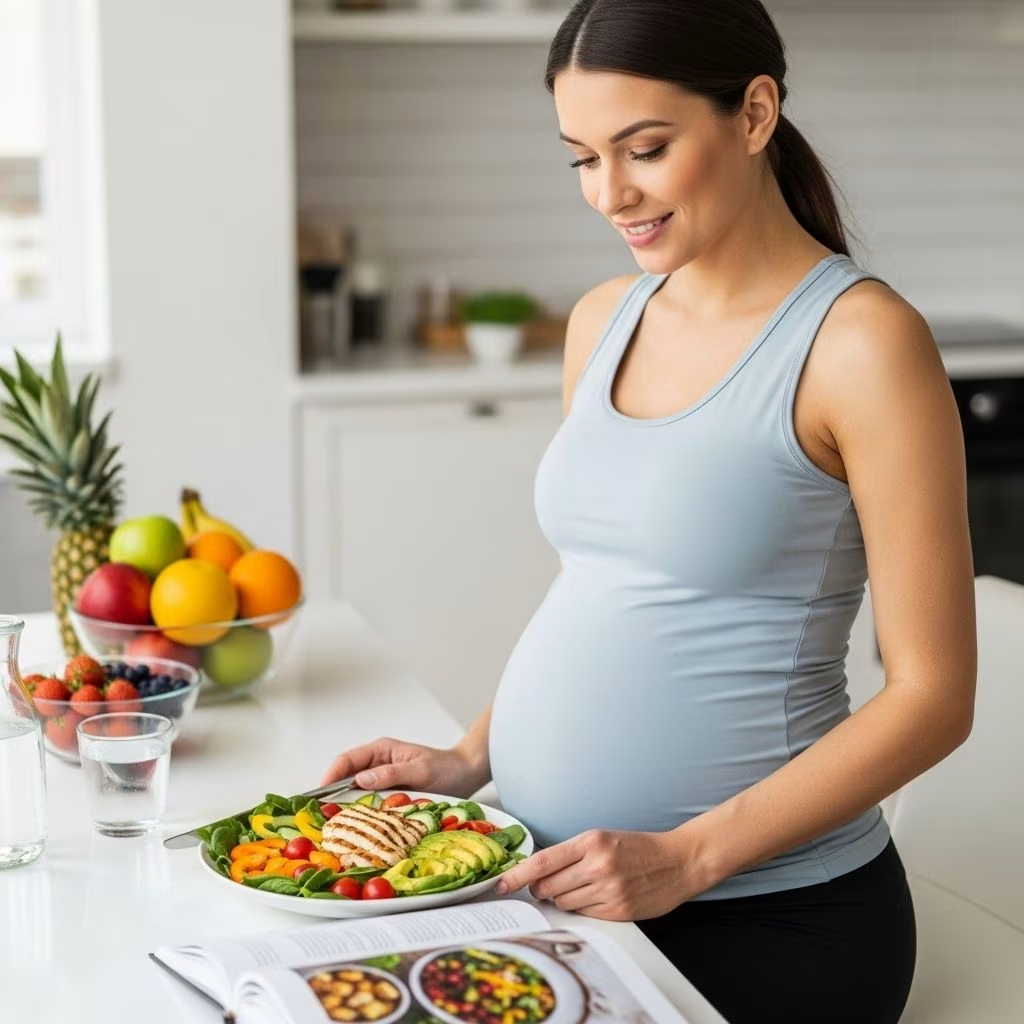
Pregnancy and the Abs Diet: A Practical Guide for Expecting Moms
Pregnancy poses unique nutritional challenges. As your body supports both your well-being and your baby’s development, dietary choices become critical. Many people familiar with the Abs Diet—a plan centered around nutrient-rich foods and weight management—wonder if its principles can safely guide eating routines during pregnancy. This article examines how to responsibly adapt the Abs Diet for expectant mothers, emphasizing evidence-based modifications, wellness tips, and expert strategies for lifelong health.
What Is the Abs Diet?
The Abs Diet originated as a regimen for building lean muscle and losing fat, focusing on twelve “power foods” that maximize nutrition and satiety. Typical foods include nuts, lean meats, dairy, eggs, beans, spinach, whole grains, berries, and healthy fats. The program advocates frequent, balanced meals for metabolism, with an emphasis on whole and minimally processed ingredients.
Adapting the Abs Diet for Pregnancy: Key Principles
Prenatal nutrition should prioritize fetal development, maternal energy, and safe weight management, making certain Abs Diet strategies highly appropriate—with adjustments.
- Emphasize Nutrient Variety: Include all food groups and rotate choices to ensure a range of vitamins and minerals.
- Enjoy Frequent, Balanced Meals: Small, regular meals stabilize blood sugar and help prevent nausea.
- Focus on Whole, Unprocessed Foods: Reduce added sugar, excess salt, and refined carbs for better health outcomes.
- Stay Hydrated: Drink water throughout the day, as adequate hydration is essential for fetal and maternal health.
Safety Considerations for the Abs Diet During Pregnancy
The basic philosophy of the Abs Diet aligns well with general pregnancy guidelines, but there are additional precautions:
- Do Not Restrict Calories Excessively: Pregnancy is not the time for strict calorie reduction. Calorie needs increase as pregnancy progresses:
- First trimester: No extra calories.
- Second trimester: About 340 extra calories per day.
- Third trimester: About 450 extra calories per day.
- Monitor Protein Intake: Adequate protein supports fetal growth, especially during the second and third trimesters.
- Avoid Certain Foods: Pregnant women should abstain from unpasteurized dairy, certain high-mercury fish, cold cuts, and foods left unrefrigerated, due to foodborne illness risk.
- Limit High-Sodium, Highly Processed Foods: Excess salt can contribute to swelling and hypertension.
Core Nutrients and Abs Diet Foods for Pregnancy
Many Abs Diet “power foods” are rich in nutrients essential for pregnancy; some require higher emphasis or substitution.
| Abs Diet Food | Pregnancy Benefit | Modifications |
|---|---|---|
| Nuts & Seeds | Rich in healthy fats, protein, magnesium, and fiber | Eat unsalted; avoid added sugar. Portion-controlled as snacks. |
| Eggs | Excellent source of choline, protein, and vitamin D | Cook eggs until firm to reduce foodborne risk. |
| Beans & Lentils | High in folate, fiber, iron, and plant-based protein | Rinse canned beans to remove excess salt. |
| Spinach & Leafy Greens | Provide folic acid, vitamin K, iron, and fiber | Wash thoroughly; serve cooked or raw in salads. |
| Berries | Loaded with antioxidants, vitamin C, and fiber | Fresh or frozen; avoid canned in syrup. |
| Whole Grains | Energy-providing carbohydrates, fiber, B vitamins | Choose brown rice, whole wheat, quinoa; limit refined grains. |
| Yogurt & Low-Fat Dairy | Calcium, vitamin D, probiotics | Ensure pasteurization; choose unsweetened varieties. |
| Lean Proteins | Iron, protein for fetal tissue growth | Cook thoroughly; avoid processed meats. |
Essential Nutrients for Pregnancy
#Several micronutrients are especially important for pregnant women, some of which appear naturally in Abs Diet foods. Supplementation is often recommended:
- Folic Acid: Crucial to prevent neural tube defects; best sources are leafy greens, beans, and fortified grains. Prenatal vitamins containing 400–800 mcg daily are recommended.
- Iron: Needed for blood production; get iron from lean meats, beans, spinach. Many women require a prenatal supplement with iron.
- Calcium & Vitamin D: Key for fetal bone development; dairy, fortified foods, leafy greens.
- Iodine & Choline: Important for baby’s brain development; eggs, low-fat dairy, seafood. Some prenatal vitamins don’t contain choline—consult your doctor.
Safe Fish and Omega-3 Sources
Omega-3 fatty acids, usually found in salmon, sardines, and some nuts/seeds, are vital for fetal brain development. Avoid certain fish due to mercury risks:
- Eat: salmon, sardines, herring, light canned tuna.
- Avoid: shark, swordfish, king mackerel, tilefish, and solid white albacore tuna.
- Limit servings to 2–3 per week, and consult guidelines for local fish advisories.
Typical Pregnancy-Friendly Abs Diet Meal Plan
The following sample meal plan incorporates Abs Diet principles, ensuring nutrient density and appropriate calorie intake:
- Breakfast: Scrambled eggs with spinach, whole grain toast, berries, and a glass of low-fat milk.
- Snack: Yogurt with sliced banana and chopped walnuts.
- Lunch: Grilled chicken wrap in a whole wheat tortilla, lettuce, tomato, and avocado.
- Snack: Hummus with carrots and whole-grain crackers.
- Dinner: Baked salmon, quinoa, steamed broccoli, and a side salad with olive oil dressing.
If you experience morning sickness, bland foods like dry toast or low-sugar cereal can help stabilize your digestion.
Managing Weight During Pregnancy
Healthy weight gain is expected and necessary in pregnancy. The Abs Diet’s focus on whole foods allows for mindful weight management without deprivation.
- First trimester: Most women do not require extra calories.
- Second trimester: Start increasing intake by ~340 calories per day.
- Third trimester: Add ~450 calories/day to support rapid fetal growth.
- Monitor your progress with your healthcare provider to avoid insufficient or excessive weight gain.
Common Pregnancy Challenges & Abs Diet Solutions
Many expectant mothers experience digestion issues, food aversions, and fluctuating energy levels. The Abs Diet’s adaptable structure helps manage these challenges:
- Nausea / Morning Sickness: Eat small meals every 2–3 hours; bland, high-protein snacks (nuts, toast, eggs) can minimize symptoms.
- Constipation: Load up on fiber-rich foods—whole grains, fruits, vegetables, nuts, and adequate hydration.
- Fatigue: Focus on iron- and B-vitamin-rich foods (lean beef, spinach, eggs, beans). Include snacks to avoid blood sugar dips.
- Heartburn: Avoid spicy, acidic, or fried foods; eat slowly and in smaller portions.
- Food Cravings / Dislikes: Allow flexibility with choices. If you crave sweets, opt for fruit or whole grain snacks rather than processed treats.
Food Safety Essentials for Pregnant Women
Pregnancy increases susceptibility to foodborne illnesses. The following practices are crucial:
- Wash hands before food prep.
- Cook meat, fish, eggs, poultry thoroughly—eggs should be firm, meat steaming hot.
- Wash fruit and vegetables well before eating.
- Avoid raw or undercooked fish, unpasteurized dairy and juice, and deli meats unless reheated.
- Discard any cooked foods or refrigerated foods left out more than two hours.
Frequently Asked Questions (FAQs)
Q: Can I follow the Abs Diet strictly during pregnancy?
A: The Abs Diet offers healthy food choices suitable for pregnancy, but calorie restriction and certain foods (raw, unpasteurized, high-mercury fish) should be avoided. Focus on adaptating, not strict adherence.
Q: How do I include enough folic acid in my diet?
A: Leafy greens, beans, lentils, whole grains, and fortified cereals are excellent sources. Prenatal vitamins provide reliable supplementation.
Q: Are nuts and seeds safe during pregnancy?
A: Yes. They offer healthy fats, protein, and minerals. Avoid salted, candied, or heavily processed nuts.
Q: Is weight loss safe while pregnant?
A: No. Unless medically advised, attempting to lose weight is not safe during pregnancy. Instead, focus on balanced nutrition and appropriate, steady weight gain.
Q: What should I do if I have food allergies or intolerances?
A: Replace problematic Abs Diet foods with tolerated substitutes, such as fortified non-dairy “milks,” gluten-free grains, or allergy-friendly sources of protein.
Top Tips for Abs Diet Success During Pregnancy
- Consult your doctor or registered dietitian before making major dietary changes.
- Plan meals ahead to ensure balanced nutrition and minimize cravings for processed foods.
- Keep healthy snacks (fruit, yogurt, nuts, carrots) available for between-meal sustenance.
- Supplement as advised: most pregnant women need prenatal vitamins containing folic acid, iron, and possibly choline and iodine.
- Listen to your body—hunger, fatigue, and cravings are signals to adjust meal size and timing.
Conclusion: Nurturing Mother and Baby with Abs Diet Principles
Expecting mothers benefit from an eating plan that’s balanced, flexible, and nutrient-rich. The Abs Diet provides a foundation for healthy choices, but responsible modifications ensure the safety and effectiveness required during pregnancy. Through mindful meal planning, expert guidance, and attention to critical nutrients, women can enjoy lasting wellness for themselves and their developing baby.
References
- https://www.brighamandwomens.org/assets/bwh/obgyn/pdfs/nob-bwh-pregnancy-food-guide.pdf
- https://odphp.health.gov/myhealthfinder/pregnancy/nutrition-and-physical-activity/eat-healthy-during-pregnancy-quick-tips
- https://www.dietaryguidelines.gov/sites/default/files/2021-12/DGA_Pregnancy_FactSheet-508c.pdf
- https://www.nhs.uk/pregnancy/keeping-well/have-a-healthy-diet/
- https://www.acog.org/womens-health/faqs/nutrition-during-pregnancy
- https://www.fda.gov/food/people-risk-foodborne-illness/dietary-advice-and-during-pregnancy
- https://www.mayoclinic.org/healthy-lifestyle/pregnancy-week-by-week/in-depth/pregnancy-nutrition/art-20045082
- https://www.myplate.gov/life-stages/pregnancy-and-breastfeeding
- https://gwdocs.com/specialties/midwifery-services/nutrition-exercise-guidelines-for-natural-birth


