


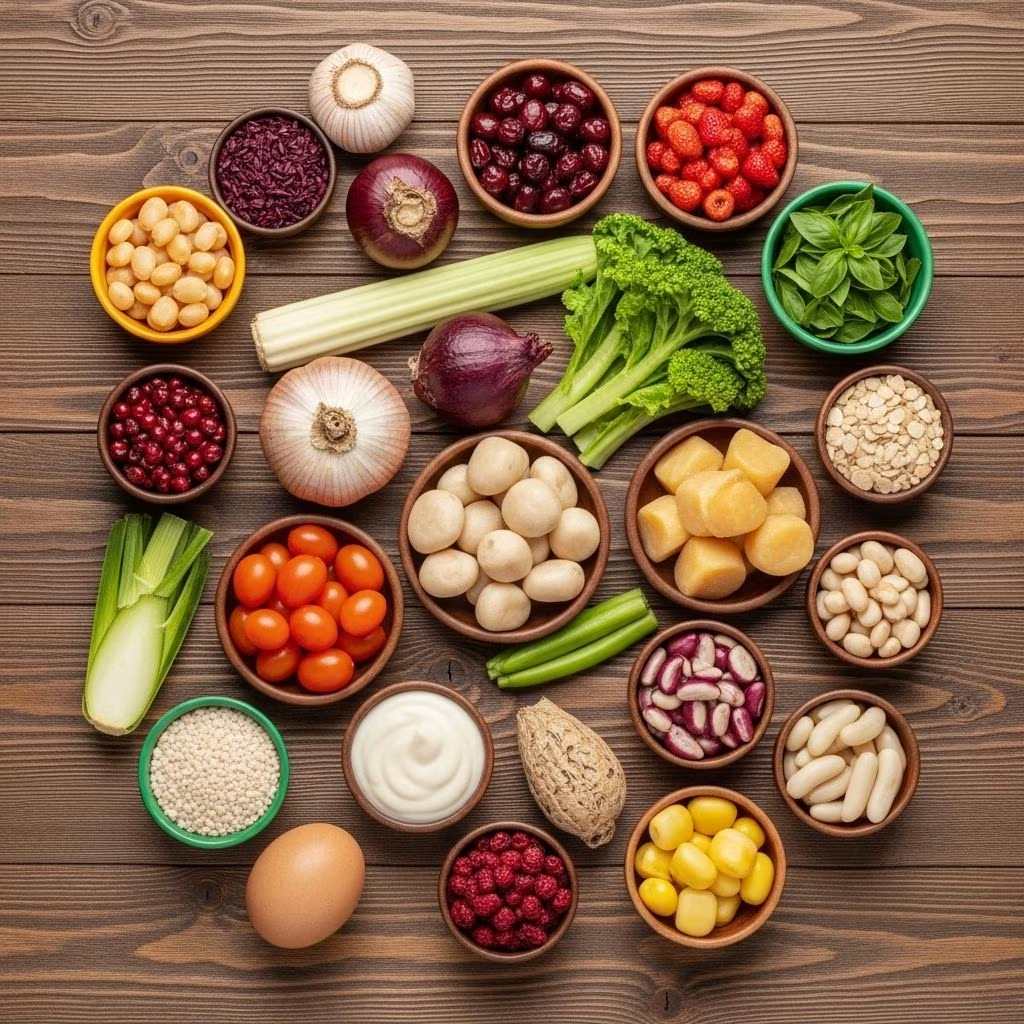
Battling belly fat is not just about looks: abdominal fat increases health risks such as cardiovascular disease, diabetes, and metabolic syndrome. While targeted exercises are valuable, a significant contributor to a flat stomach is your diet. Choosing the right foods can fuel metabolism, reduce bloat, and encourage fat loss. Here is a comprehensive guide to the most effective foods and diet strategies for reducing stubborn belly fat, all supported by nutritional science and practical advice.
Understanding Belly Fat: Why Focus on the Midsection?
Abdominal, or visceral fat, wraps around vital organs and releases inflammatory chemicals that negatively affect your health. Excess belly fat is strongly linked to increased risk of heart disease, type 2 diabetes, and certain cancers. However, research also shows that some foods help promote a flatter belly, curb hunger, and improve gut health when incorporated into overall healthy nutrition habits.
Fiber-Packed Foods: Your Flat-Belly Allies
Soluble fiber plays a starring role in reducing belly fat. It slows digestion, helps you feel fuller longer, and moderates blood sugar. Aim for at least 25–30 grams of total fiber a day, focusing on these superstars:
- Beans and Legumes: Black beans, chickpeas, lentils, and kidney beans are rich in both protein and soluble fiber, helping stabilize blood sugar and curb hunger.
- Oats: Old-fashioned oats are high in beta-glucan, a soluble fiber champion for appetite control and cholesterol reduction.
- Barley: Another top source of soluble fiber, barley adds a chewy, nutty texture to salads and soups while improving digestive health.
- Berries: Blueberries, raspberries, and strawberries supply fiber and antioxidants with fewer calories.
- Apples and Pears: Their pectin content increases fullness and reduces cravings.
- Broccoli & Cruciferous Vegetables: These offer high fiber and beneficial plant compounds, though they can cause bloat in those sensitive to FODMAPs.
Monounsaturated Fats (MUFAs): The Fat That Fights Fat
Unlike saturated or trans fats, monounsaturated fats—nicknamed “MUFAs”—actually target belly fat and reduce inflammation. Incorporate MUFAs at each meal for sustained results:
- Avocados: Rich in MUFAs and fiber, avocados are linked to lower abdominal fat and improved cholesterol.
- Nuts: Almonds, walnuts, pistachios, and hazelnuts are nutrient-dense and help control hunger. Stick to small portions (1 ounce daily).
- Seeds: Flaxseeds, chia, pumpkin, and sunflower seeds are high in both fiber and heart-healthy fats.
- Olives and Olive Oil: Substitute olive oil for butter in cooking and salad dressings to trim excess bad fat and support overall health.
- Dark Chocolate: In moderation, dark chocolate offers MUFAs and antioxidants with metabolic benefits.
Protein-Rich Foods: Boost Metabolism and Preserve Muscle
Protein is vital for maintaining muscle mass while losing fat. It triggers thermogenesis (burning calories to digest food), keeps you feeling full, and suppresses cravings.
- Eggs: A complete protein source; eggs keep you full for hours and help build lean muscle.
- Greek Yogurt: Higher in protein and probiotics than regular yogurt, it soothes the digestive system while supporting muscle recovery.
- Fish: Salmon, mackerel, sardines, and tuna are loaded with omega-3 fatty acids, linked to lower belly fat and reduced inflammation.
- Poultry: Skinless chicken and turkey provide lean protein to power you through the day.
- Quinoa: A plant-based source of protein and fiber for those avoiding animal products.
Produce That Helps Beat the Bloat
Bloating can make your stomach appear larger even if you’re losing fat. These fruits and vegetables help flush sodium, support hydration, and provide prebiotic support for gut bacteria:
- Cucumbers: Natural diuretics that soothe indigestion and keep fluids balanced.
- Leafy Greens: Spinach, arugula, kale, and romaine are low in calories and high in minerals that fight water retention.
- Bananas: Packed with potassium, bananas help counteract sodium-related bloat.
- Pineapple and Papaya: These tropical fruits provide the digestive enzymes bromelain and papain, easing digestion and gas.
- Asparagus: Its natural prebiotics and fiber sweep out excess water and toxins.
Fermented Foods: Improve Gut The Smart Way
Gut health is emerging as a key factor in abdominal fat. Fermented foods introduce healthy bacteria and improve digestion and bloating:
- Yogurt & Kefir: Choose unsweetened versions rich in live cultures.
- Kimchi and Sauerkraut: These offer probiotics, vitamins, and aid healthy digestion.
- Kombucha: This tangy tea-based drink contains beneficial live probiotics. Opt for low-sugar versions.
- Miso & Tempeh: These soy-based foods ferment naturally, promoting a happy gut.
Whole Grains: The Right Carbs for a Flat Stomach
Whole grains are abundant in fiber and nutrients, promoting satiety and stable energy. Unlike refined grains (white bread, pastries), whole grains prevent blood sugar spikes that can drive fat storage. Smart picks include:
- Quinoa
- Farro
- Brown rice
- Whole wheat bread and pasta
- Bulgur wheat
Always choose minimally processed, high-fiber varieties and watch portion sizes.
Flat-Belly Meal Ideas
- Breakfast: Overnight oats with chia seeds, blueberries, and almond butter
- Lunch: Quinoa salad with black beans, avocado, tomatoes, and a drizzle of extra-virgin olive oil
- Dinner: Grilled salmon with steamed broccoli and roasted sweet potatoes
- Snack: Greek yogurt with walnuts and sliced strawberries
Foods and Habits to Avoid for a Flatter Belly
- Sugary drinks (including sodas and sweetened coffees): Empty calories that spike insulin and contribute to fat storage.
- Processed foods: Packaged snacks, refined grains, and ready-meals often hide trans fats and sodium, worsening bloat and weight gain.
- Alcohol: Even small amounts promote fat storage around the stomach. Limit intake or opt for seltzer-based drinks.
- Fried foods: High in saturated/trans fats, which accumulate as visceral fat.
- Excess salt: Drives water retention and puffiness.
- Artificial sweeteners: May disrupt gut bacteria and are associated with increased cravings.
- Large late-night meals: Disrupt digestion, sleep, and fat burning overnight.
Nutrition Habits That Help Shrink Your Waistline
- Eat regularly: Space meals and snacks 3–4 hours apart to keep hunger and cravings at bay.
- Watch portion sizes: Use a food scale or hand measurements to help control caloric intake.
- Stay hydrated: Drink at least 2 liters (about 68 ounces) of water daily. Try “Sassy Water” (water infused with lemon, cucumber, mint, and ginger) for an anti-bloat bonus.
- Chew slowly and avoid talking while eating to minimize swallowed air and digestion problems.
- Limit fizzy beverages: Carbonation can expand your belly and exacerbate bloating.
- Keep a food diary: Track what you eat and any symptoms to identify bloat triggers.
- Address food intolerances: Common culprits like lactose or gluten can cause bloating. See a doctor or dietitian for testing before eliminating entire food groups.
The Flat Belly Diet Approach: Science and Sample Plan
The celebrated Flat Belly Diet is inspired by Mediterranean principles. It emphasizes MUFAs at every meal, high-fiber produce, lean proteins, and healthy snacking to prevent overeating. Here’s how it typically works:
| Phase | Description | Key Strategies |
|---|---|---|
| Phase 1: 4-Day Anti-Bloat Jumpstart | Focus on 1,200 calories daily, eliminate gas-producing foods (like beans, onions, broccoli), avoid added salt and processed foods. | Eat 4 smaller meals of 300 calories, no sodas/coffee, drink 2 liters of infused water (“Sassy Water”). |
| Phase 2: 4-Week MUFA-Rich Meal Plan | Adopt a 1,600-calorie Mediterranean-style diet, prioritize MUFAs and plant foods. | Eat 3 meals and 1 snack daily, include a source of MUFA with every meal, avoid skipping meals. |
Tips to Maximize Flat-Belly Gains
- Exercise regularly: Combine cardio and resistance training for optimal belly fat reduction and muscle preservation.
- Manage stress: Chronic stress increases cortisol, which is associated with belly fat accumulation. Yoga, breathing, and hobbies can all help.
- Prioritize sleep: Aim for 7–9 hours nightly; poor sleep dysregulates metabolism and increases cravings.
Frequently Asked Questions (FAQs)
What foods should I avoid to reduce belly fat?
Limit or avoid processed foods, sugary drinks, alcohol, deep-fried items, and those high in trans fats or added sugars, as these commonly promote belly fat and bloating.
Are there specific foods that burn belly fat fast?
No single food “burns” belly fat. However, eating more fiber, MUFAs, and protein-rich foods while avoiding empty calories and bloat triggers supports overall belly fat reduction.
Does eating fat help burn fat?
Healthy fats—such as monounsaturated fats—can help decrease fat storage by balancing hormones and promoting satiety. Portion control is still critical for weight loss.
Do probiotics help with belly fat?
Fermented and probiotic-rich foods support gut health and reduce bloating, indirectly helping with a flatter stomach and improved digestion.
How quickly can I see results from changing my diet?
Results vary based on genetics, activity, and adherence to healthy habits. Most people begin noticing reduced bloat and improvements in two to four weeks.
Should I do the Flat Belly Diet if I have dietary restrictions?
It’s important to tailor any eating plan to your dietary needs and consult a healthcare provider, especially if you have allergies or medical conditions.
Final Thoughts: Building a Sustainable Belly-Fat-Reducing Diet
While it’s tempting to focus on quick fixes, sustainable belly fat loss comes from a combination of high-fiber produce, healthy fats, lean proteins, whole grains, fermented foods, regular exercise, stress management, and smart hydration. Remember, a “flat belly” is healthiest when achieved through long-term, balanced lifestyle habits—not deprivation or fad cleanses.
References
- https://www.piedmont.org/living-real-change/7-belly-flattening-food-tips
- https://www.emedicinehealth.com/what_can_you_eat_on_the_flat_belly_diet/article_em.htm
- https://8fit.com/fitness/8-foods-to-limit-or-avoid-to-lose-belly-fat/
- https://www.healthline.com/nutrition/20-tips-to-lose-belly-fat
- https://www.prevention.com/weight-loss/diets/a20477494/flat-belly-diet-recipes-73/
- https://www.prevention.com/weight-loss/diets/a20475826/5-minute-flat-belly-meals/
- https://www.rush.edu/news/losing-belly-fat
- https://www.holyokemarketplace.com/health_wellness/articles/277/flat-belly-diet-qa


