


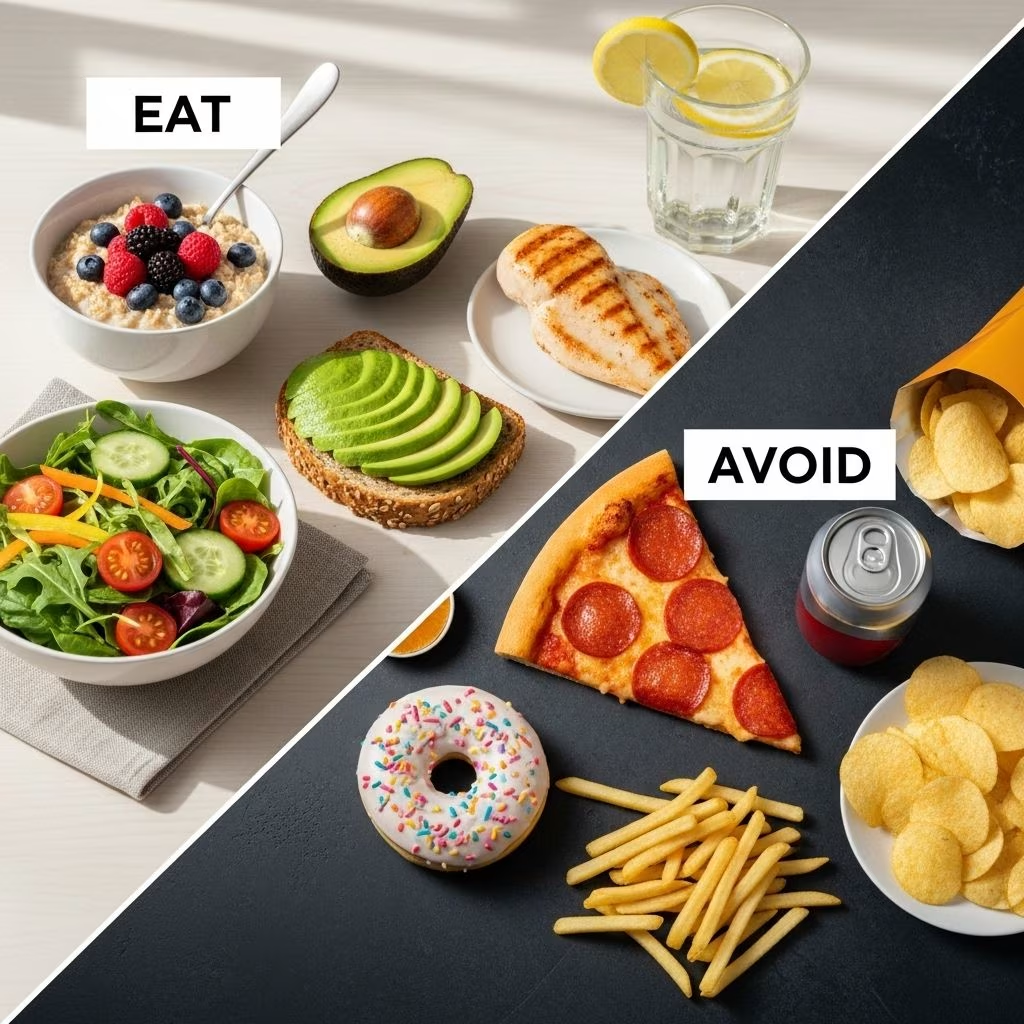
Best Foods to Eat and Avoid for a Flat Belly
Achieving a flat belly isn’t just about crunches and cardio: what you eat daily has profound effects on your waistline. The right foods can actively help shed belly fat, reduce bloating, and improve overall wellness, while poor choices may sabotage progress. Learn which foods nutrition experts recommend for flattening your belly, which ones to minimize, and how to put these principles into practice.
Why Food Choices Matter for Belly Fat
Diet is the foundation for a leaner midsection. Belly fat is uniquely sensitive to dietary choices, especially the types of fat, fiber, and carbohydrates consumed. Certain monounsaturated fatty acids (MUFAs) and probiotics may lower belly fat, while processed foods and excess sugar fuel fat storage and bloating.
Flat Belly-Friendly Foods
Include these science-backed foods to help shrink belly fat and promote a flatter tummy:
- Almonds: High in MUFAs, vitamin E, protein, and fiber. Almonds cut cholesterol and may help burn belly fat. Eat as a snack or sprinkled over yogurt.
- Avocado: Loaded with heart-healthy MUFA and beta-sitosterol, which helps control cholesterol. Mash with lime and serve as a dip or topping.
- Dark Chocolate: Cocoa powder is packed with antioxidants—cacao flavanols can reduce inflammation and support heart health. Choose varieties with at least 70% cocoa.
- Flaxseed Oil: The premier plant source of omega-3s, reduces inflammation linked to fat accumulation. Stir into smoothies.
- Macadamia Nuts: MUFAs and fiber in these nuts support digestion and heart health. Pair with fish or chicken as a healthy crust.
- Natural Peanut Butter: Delivers MUFA, vitamin E, magnesium, potassium, and vitamin B6. Use to dress noodles or as a spread.
- Olives: A staple of Mediterranean diets, high in MUFA and polyphenols that fight inflammation. Add to salads or sandwiches.
- Eggs: Versatile, lean protein source. Eggs boost satiety and can assist with weight management; great for breakfast or quick meals.
- Greek Yogurt: High in protein, low in sugar (choose plain!), and packed with probiotics for gut health. Fill up with less and stay satisfied longer.
- Raw Sauerkraut & Kimchi: Both are fermented foods rich in probiotics. These support digestion, reduce bloating, and may help with fat loss.
- Apple Cider Vinegar: Shown to help stabilize blood sugar and possibly curb cravings; use in dressings and marinades.
- Cultured Butter: European-style cultured butter contains probiotics. The intense flavor means you can use less, saving fat and calories.
- White Miso: Fermented, contains probiotics good for waistline; adds umami to soups and dressings.
- Lemons: Good for flavoring water or dishes without added calories; vitamin C boosts fat burning and helps digestion.
- Frozen Berries: Packed with antioxidants, fiber, and vitamins; add to smoothies or oatmeal to boost nutrition.
- Frozen Bananas: High in potassium, ideal to sweeten smoothies and create healthy ice cream alternatives.
Principles of the Flat Belly Diet
The Flat Belly Diet emphasizes MUFA-rich foods, regular meal timing, and portion control. Its core tenets include:
- Four Meals Daily: Eat four 400-calorie meals, every four hours, to maintain stable blood sugar and prevent overeating.
- MUFA at Every Meal: Include a MUFA-rich food with each meal—nuts, seeds, olives, avocado, or dark chocolate—to target belly fat storage.
- Focus on Plant-Based Choices: While not strictly vegetarian, the diet includes many plant foods; swapping meat for vegetables or beans lowers calories.
Sample Flat Belly Day
| Meal | Description | MUFA | Calories |
|---|---|---|---|
| Breakfast | Banana Split Oatmeal: Oats, strawberries, banana, semisweet chocolate chips, almonds | Almonds, Chocolate Chips | 359 |
| Lunch | Mediterranean Sandwich: Sprouted whole wheat bread, olive tapenade, turkey, red onion, tomato, lettuce | Olives | 400 |
| Dinner | Ricotta Calzone: Multigrain pita, ricotta, sun-dried tomatoes, olive oil, garlic, basil | Olive Oil | 400 |
| Snack | Greek Yogurt with Berries and Flaxseed Oil | Flaxseed Oil | 400 |
Flat Belly Diet Vegetarian Options
Meatless meals can be lighter and help keep belly fat at bay:
- Vegetarian chili made with beans, tomatoes, and a spoonful of olive oil
- Stuffed bell peppers with quinoa, black olives, and avocado
- Zucchini noodles tossed with peanut butter and vegetables
- Greek yogurt parfait with berries and almonds
Foods to Avoid for a Flatter Belly
Certain foods promote bloating, inflammation, and fat storage. Limit or avoid these to support your flat belly goals:
- Refined Grains: White bread, pastries, and crackers cause rapid spikes in blood sugar, leading to fat storage.
- Sugary Drinks: Soda, sweetened teas, and fruit juices are loaded with added sugar and are linked to increased belly fat.
- Processed Foods: High in sodium, preservatives, and unhealthy fats, processed snacks and meals contribute to water retention and inflammation.
- Trans Fats: Found in margarine, baked goods, and fried foods. These increase visceral fat and raise the risk of heart disease.
- Alcohol: Excessive drinking can slow fat burning and cause bloat; stick to moderate, occasional intake.
- Certain Dairy Products: Full-fat, heavily processed cheeses or flavored yogurts can increase saturated fat intake and cause bloating for sensitive individuals.
- High-Sodium Foods: Restaurant meals, canned soups, and salty snacks cause water retention and puffiness.
Tips to Quickly Reduce Belly Bloat
- Drink plenty of water and lemon-infused water to flush excess sodium.
- Eat small, regular meals to avoid overeating and maintain stable digestion.
- Choose probiotic-rich foods (yogurt, kimchi, sauerkraut) to support gut health and reduce bloat.
- Limit carbonated beverages, which can trap air in the GI tract.
- Take time when eating; rapid chewing and gulping air make you feel more bloated.
How MUFAs Target Belly Fat
Monounsaturated fatty acids (MUFAs) have been shown to:
- Enhance satiety and prevent overeating
- Reduce inflammation linked to central fat storage
- Improve cholesterol, insulin sensitivity, and cardiovascular health
- Target fat loss in the abdominal region compared to saturated fats
Research from Yale-Griffin Prevention Research Center found that women following a MUFA-rich diet lost an average of 8.4 pounds and 2 inches from their waist in just 28 days.
Putting It All Together: Sample Meal Ideas
- Breakfast: Greek yogurt with frozen berries, flaxseed oil, and chopped almonds.
- Lunch: Avocado toast on whole grain bread, topped with egg and sliced tomato.
- Snack: Dark chocolate squares with a handful of macadamia nuts or olives.
- Dinner: Stir-fried chicken and vegetables with a miso-peanut butter sauce, served over brown rice.
Frequently Asked Questions (FAQs)
Q: Can these foods reduce belly fat even without exercise?
A: While MUFA-rich foods, probiotics, and a balanced diet can help shrink belly fat, combining them with regular physical activity optimizes results. Diet alone can impact waistline, but exercise accelerates fat burning.
Q: Are all fats bad for belly fat?
A: No; monounsaturated and polyunsaturated fats help combat belly fat, while saturated and trans fats promote fat accumulation, particularly in the abdomen.
Q: What should I do if I experience bloating from healthy foods?
A: Gradually increase intake of fiber-rich and probiotic foods, and note any sensitivities. Drinking water and avoiding carbonated beverages also help reduce bloat.
Q: How quickly can I see results from changing my diet?
A: Some notice reduced bloating within days; visible fat loss takes several weeks. Commit to consistent healthy eating and meal timing, and progress will follow.
Q: Is the Flat Belly Diet suitable for vegetarians?
A: Yes; it emphasizes plant-based foods such as nuts, seeds, olive oil, and avocados. Vegetarian-friendly versions of all recommended meals are easy to prepare.
Key Takeaways for a Flatter Belly
- Eat more MUFA-rich foods: avocado, nuts, seeds, dark chocolate, olives, and oils.
- Include probiotics daily to support gut health and reduce bloating.
- Avoid refined carbs, added sugars, processed snacks, and high-sodium foods.
- Follow regular meal timing and mind portions to curb hunger and bloat.
- Exercise complements healthy eating for best belly-fat reduction results.
References
- https://www.prevention.com/weight-loss/diets/g20481346/flat-belly-diet-foods-that-reduce-belly-fat/
- https://www.prevention.com/food-nutrition/g20487377/20-flat-belly-foods-you-should-keep-stocked-in-your-kitchen/
- https://www.prevention.com/weight-loss/diets/a20475826/5-minute-flat-belly-meals/
- https://www.prevention.com/weight-loss/diets/a20477494/flat-belly-diet-recipes-73/
- https://www.prevention.com/weight-loss/diets/a20475971/flat-belly-diet-meatless-meals-flat-belly-diet/
- https://www.prevention.com/weight-loss/diets/a20438207/best-foods-to-eat-and-avoid-for-a-flat-belly/
- https://www.prevention.com/weight-loss/diets/a20450016/flat-belly-diet-and-weight-loss/
- https://www.prevention.com/food-nutrition/healthy-eating/a20477268/flat-belly-foods-that-boost-energy-and-control-hunger/
- https://www.prevention.com/weight-loss/diets/a20434604/the-flat-belly-diet-flat-belly-diet-recipes/
- https://www.prevention.com/weight-loss/diets/g20472924/meet-the-mufas-flat-belly-diet/


