


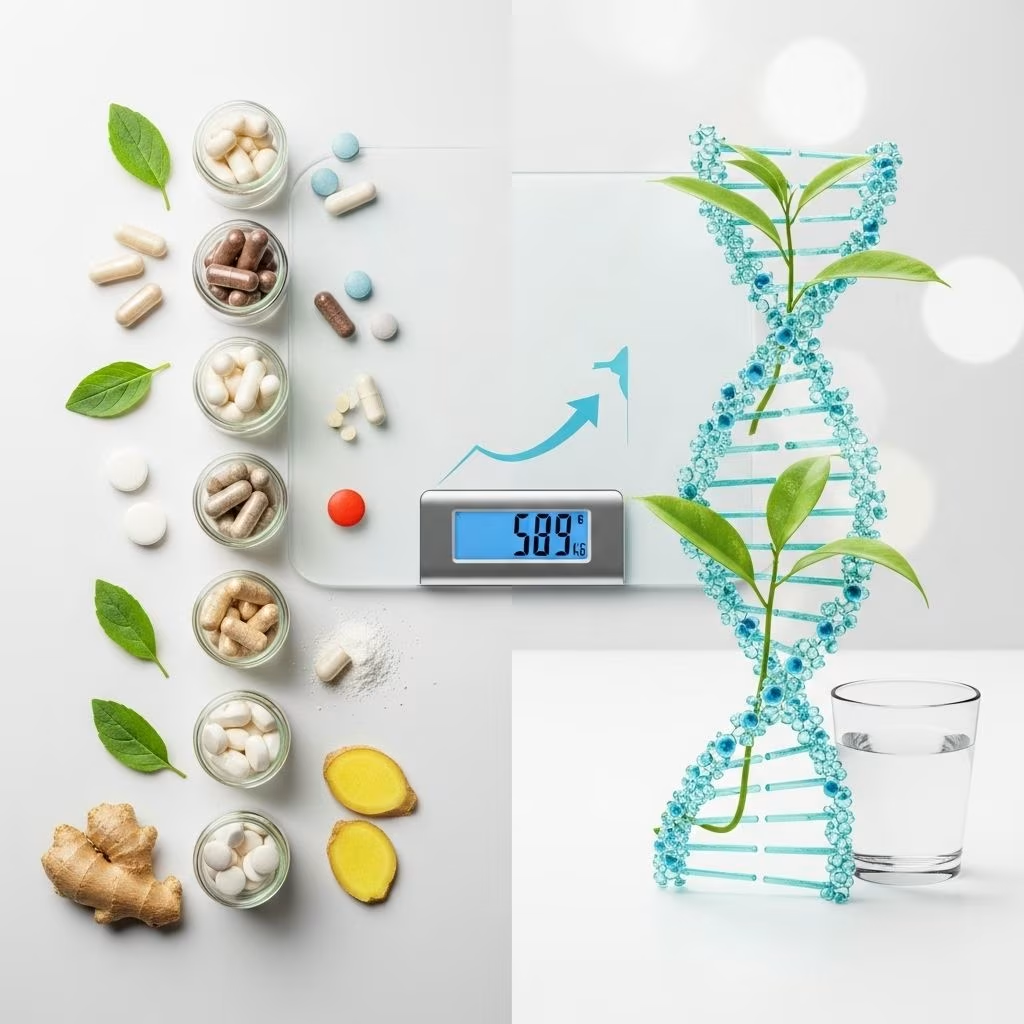
The Best Probiotics for Weight Loss: Expert Picks and Science
Probiotics have emerged as promising allies in weight management based on accumulating scientific evidence. Certain strains not only support gut health but may also influence metabolism, fat storage, appetite, and inflammation, making them relevant for people looking to lose weight or reduce body fat. This comprehensive guide synthesizes research-backed advice, expert product selections, and actionable tips to help you find the best probiotics for weight loss.
What Are Probiotics and How Do They Affect Weight?
Probiotics are live microorganisms, usually bacteria, that confer health benefits when consumed in adequate amounts. Many reside in our digestive tract, where they help balance the microbiome—the community of trillions of microbes that play crucial roles in digestion, immunity, metabolism, and even mood.
- Gut health and weight: Studies show that altering the gut microbiome with certain probiotic strains can affect energy harvest from food, fat storage, and appetite signals.
- Mechanisms: Potential ways probiotics may support weight loss include regulating appetite hormones, decreasing energy absorption, influencing insulin sensitivity, and reducing systemic inflammation.
Not all probiotics have the same effects; strain specificity matters. Only select strains have been shown to help with weight management.
Science-Backed Probiotic Strains for Weight Loss
Research highlights several strains that appear most effective for weight loss, fat mass reduction, and waist circumference:
| Probiotic Strain | Key Effects | Supporting Research |
|---|---|---|
| Lactobacillus gasseri (SBT2055, BNR17) | Reduces abdominal and visceral fat; lowers BMI and waist circumference | 12-week studies show 8.5% reduction in belly fat in overweight adults, even without dietary restriction. |
| Bifidobacterium animalis subsp. lactis (B420, CECT 8145) | Improves body composition, reduces fat mass, especially with prebiotics | Six-month studies found notable decreases in body fat in overweight individuals. |
| Lactobacillus rhamnosus (CGMCC1.3724) | Aids weight and fat loss in women during calorie restriction; supports continued fat loss | Clinical trials documented greater fat mass reduction compared to placebo. |
| Lactobacillus plantarum (LP28, TENSIA) | May support healthy weight, lower visceral fat, decrease inflammation | Works best in multi-strain blends. |
| Lactobacillus curvatus | Reduces body weight and waist size | Combination with L. plantarum KY1032 more effective. |
| Lactobacillus sakei (CJLS03) | Decreases body fat mass and waist circumference | 12-week supplementation shows positive effects. |
| Akkermansia muciniphila (pasteurized WST01) | Supports insulin sensitivity, potential weight regulation | Promising results for people with low baseline levels. |
When selecting a probiotic, look for products that specify both the genus (e.g., Lactobacillus), species (e.g., gasseri), and ideally the strain number, as effects are highly strain-specific.
Our Picks: The Best Probiotic Supplements for Weight Loss
- Mindbodygreen Advanced Probiotic+
– Multi-strain formula featuring researched strains for metabolism and gut support.
– Contains L. rhamnosus and Bifidobacterium lactis.
– Shelf-stable and well-tolerated. - InnovixLabs Multi-Strain Probiotic
– Broad-spectrum support with a variety of effective strains.
– Includes B. lactis and L. plantarum.
– Ideal for those seeking convenient, shelf-stable capsules. - Garden of Life Once Daily Women’s Probiotic
– Formulation tailored for women’s health, including weight management.
– Contains probiotics shown to aid fat reduction and balance digestion. - Genestra Brands HMF Intensive
– Vegan-friendly high-potency blend.
– Focuses on strains with research for fat and metabolic benefits.
These products are frequently recommended by dietitians and reviewed for effectiveness, safety, and quality. Always verify the supplement lists the specific strain(s) proven for weight management.
How Probiotics Might Support Weight Loss
The mechanisms behind probiotic-related weight regulation are multifactorial. Emerging evidence suggests probiotics may assist via:
- Restoring balance to the gut microbiome, sometimes altered by poor diet or antibiotics.
- Reducing inflammation, especially in fat tissue.
- Improving insulin sensitivity and glucose metabolism.
- Fostering satiety by boosting short-chain fatty acid production, influencing appetite hormones.
- Decreasing the absorption of dietary fat in the intestine.
Individual results can vary widely, as strains may interact differently with your unique microbiome composition.
How to Choose the Right Probiotic Supplement
- Identify the right strain: Look for specific strains supported by research, not just the genus and species.
- Check CFU count: Most studies use doses of 1–10 billion CFUs (colony forming units) per serving.
- Opt for reputable manufacturers: Third-party testing and transparent labeling protect against misleading claims.
- Match product to your needs: Consider vegan, shelf-stable, or blend options as appropriate for your lifestyle and gut health goals.
Who Should Use Probiotics for Weight Loss?
- People with overweight or obesity seeking science-backed approaches.
- Those who have had digestive issues, especially after antibiotics.
- Individuals aiming to improve metabolic health or reduce inflammation.
Probiotics are not a “fix-all” and should be viewed as part of a holistic weight management plan involving healthy nutrition, regular exercise, sufficient sleep, and medical consultation if needed.
Effectiveness: What Does the Research Say?
Numerous human studies and meta-analyses suggest that select probiotics can support modest weight loss, especially via loss of body fat and waist circumference. Some key findings:
- L. gasseri: Average of 8.5% belly fat reduction in 12 weeks among overweight adults.
- B. lactis B420: 4% reduction in body fat mass over 6 months without strict dietary restrictions.
- L. rhamnosus: Enhanced weight loss in women under calorie restriction protocols relative to placebo.
Most research involves short-term supplementation and moderate lifestyle adjustments; gains may be lost if supplementation or healthy habits stop. More long-term and large-scale studies are needed.
Safety and Side Effects of Probiotic Supplements
- Generally safe for healthy adults. Side effects are rare and usually mild—most commonly bloating or gas during the first week.
- Those with weakened immune systems or serious illnesses should consult a healthcare provider before starting supplements.
- Choose reputable brands to minimize contamination risks.
- Pregnant or breastfeeding? Talk to your healthcare provider, since most formulations are not studied specifically for these groups.
Probiotics are classified as dietary supplements, not drugs, so FDA regulation is limited; always research brands for purity and quality assurance.
Frequently Asked Questions (FAQs) About Probiotics for Weight Loss
Q: Can probiotics help me lose belly fat?
A: Some strains, especially Lactobacillus gasseri and B. lactis B420, have been shown in clinical trials to help reduce abdominal fat, but results vary and probiotics should be combined with healthy habits for the best effect.
Q: How long does it take to see results from probiotic supplements?
A: Most studies report results after 12 weeks to 6 months, though individual response depends on diet, baseline gut health, and strain used.
Q: Are all probiotics good for weight loss?
A: No—only certain strains have evidence supporting their role in weight management. Multi-strain blends or broad-spectrum probiotics may not be effective unless they include researched strains.
Q: Is it better to get probiotics from food or supplements?
A: Fermented foods like yogurt, kefir, kimchi, and sauerkraut naturally contain probiotics, but food sources rarely specify strain and quantity. Supplements provide targeted strains and controlled doses shown in research and are often preferred for weight loss benefits.
Q: Should I also take prebiotics for weight loss?
A: Prebiotics can enhance the effectiveness of certain probiotics, supporting microbial diversity and growth. Foods rich in prebiotic fibers (e.g., onions, garlic, bananas, asparagus) are recommended alongside supplementation.
Tips for Incorporating Probiotics Into Your Weight Loss Routine
- Look for products with clinically-studied strains and listed CFUs.
- Take your probiotic supplement at the same time every day for best results; morning or with meals is ideal for absorption.
- Combine probiotics with a balanced, fiber-rich diet to help beneficial microbes flourish.
- Stay hydrated and remain active; lifestyle factors can influence microbial health just as much as supplementation.
- Consult a registered dietitian or healthcare provider before starting any new supplement, especially if you have underlying health conditions.
Final Thoughts on Probiotics and Weight Loss
Integrating select, science-backed probiotics into a healthy lifestyle may support weight management, belly fat reduction, and overall gut health. The evidence is strongest for strains like L. gasseri, B. lactis, and L. rhamnosus, often in multi-strain blends. Choosing the right supplement, paying attention to strain specificity, and combining with prebiotics and healthy habits enhances results. Always assess product quality before purchase and ensure your approach is personalized to your own health needs.
References
- https://www.sparkmentalhealth.com/best-probiotics-for-gut-health-and-weight-loss/
- https://www.healthline.com/nutrition/probiotics-and-weight-loss
- https://seed.com/cultured/best-probiotics-for-weight-loss-guide/
- https://www.healthline.com/nutrition/best-probiotics-to-support-weight-loss
- https://www.nature.com/articles/s41598-023-45395-7
- https://pmc.ncbi.nlm.nih.gov/articles/PMC11187407/
- https://www.goodrx.com/conditions/weight-loss/can-probiotics-help-you-lose-weight
- https://my.clevelandclinic.org/health/treatments/14598-probiotics


