


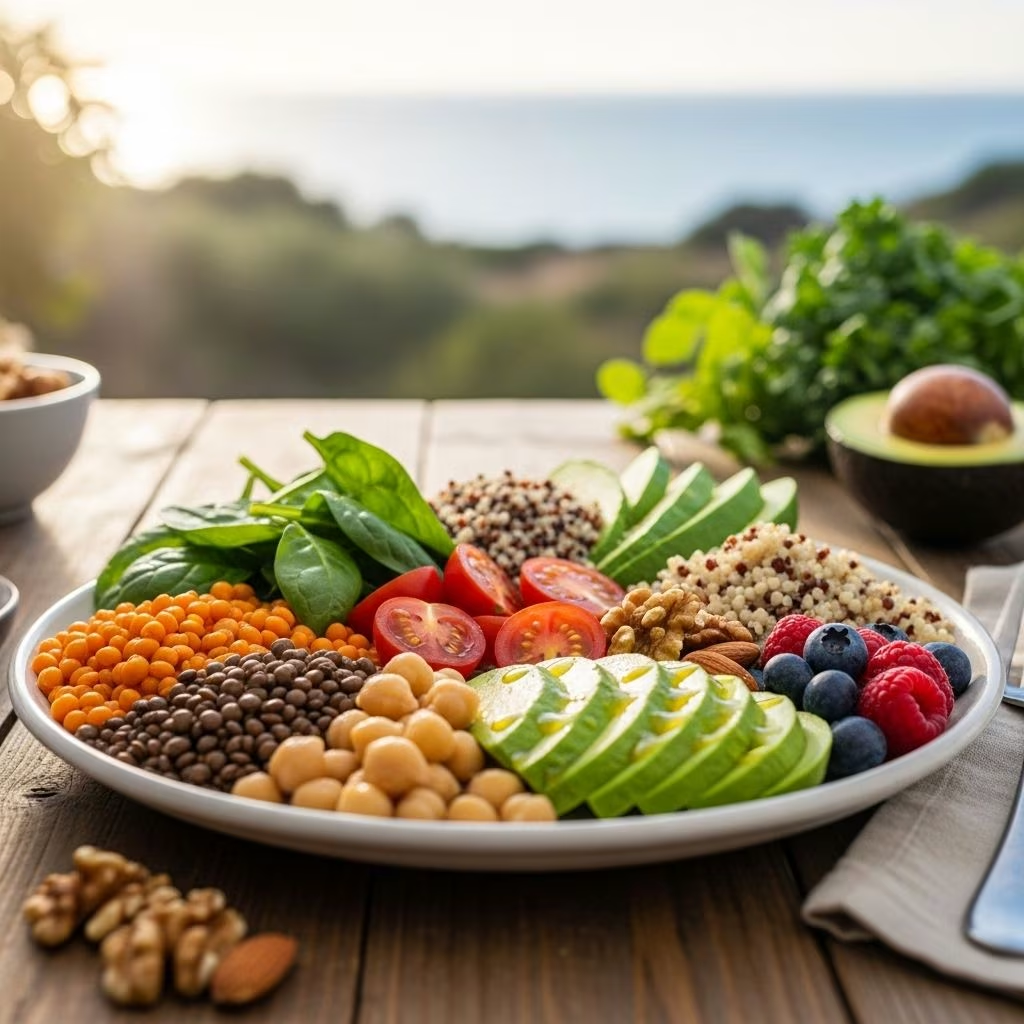
Introduction to the Blue Zone Diet
The Blue Zone Diet is inspired by regions of the world where people live significantly longer than average, often surpassing 100 years of age. These areas, known as Blue Zones, offer robust scientific clues on how certain dietary patterns and lifestyles can prolong life and lower the risk of chronic disease. Rooted in decades of research and population studies, the Blue Zone Diet unites common themes from some of the globe’s healthiest communities.
What Are Blue Zones?
Blue Zones refer to five specific geographic areas where people consistently live longer and healthier lives. These are:
- Okinawa, Japan
- Sardinia, Italy
- Nicoya Peninsula, Costa Rica
- Icaria, Greece
- Loma Linda, California (Seventh-day Adventist community), USA
Researchers have studied these zones to identify the lifestyle and dietary practices that may contribute to their longevity. While each region has its unique foods and traditions, they all share core characteristics such as plant-forward eating, regular movement, strong social ties, and a deep sense of purpose .
The Core Principles of the Blue Zone Diet
- Predominantly Plant-Based: About 95% of the Blue Zone Diet comes from plants, with an emphasis on vegetables, fruits, whole grains, legumes, nuts, and seeds .
- Minimal Processed Foods: Diets exclude or strictly limit processed foods, refined sugars, and unhealthy fats.
- Occasional, Modest Use of Animal Products: Meat is eaten sparingly—typically no more than a few times per month, and usually as a side rather than the main dish.
- Natural Movement Integrated Into Daily Life: Routine physical activity isn’t performed in the gym but incorporated into daily chores, gardening, and walking .
- Moderation and Mindful Eating: People practice portion control, often stopping eating when about 80% full (the “Hara Hachi Bu” rule in Okinawa).
- Healthy Fats: Olive oil, nuts, and seeds provide heart-healthy fats in place of animal or trans fats .
Key Foods of the Blue Zone Diet
The daily eating patterns in Blue Zones focus on nutrient-dense, high-fiber foods that nourish the body and support longevity.
1. Vegetables and Leafy Greens
Vegetables are consumed in abundance in every Blue Zone. These provide essential vitamins, minerals, fiber, and potent antioxidants. Leafy greens (spinach, kale, chard, collard greens, arugula) are local staples in most regions .
2. Legumes
- Beans, lentils, peas, and chickpeas are a universal hallmark, providing plant protein and fiber. Each region has its favorites:
- Okinawa: Soybeans (often as tofu or miso)
- Sardinia: Fava beans
- Nicoya: Black beans
- Icaria: Giant white beans
Eating a cup of legumes daily is commonplace and associated with lower mortality .
3. Whole Grains
Whole grains like oats, barley, brown rice, and whole grain breads are eaten regularly. They supply slow-release carbohydrates and fiber, supporting heart and digestive health .
4. Nuts and Seeds
Nuts such as almonds, walnuts, pistachios, and cashews are consumed as daily snacks. Just a handful a day correlates with significantly reduced cardiovascular disease risk .
5. Fruits
Fruits feature in daily meals, offering natural sweetness, vitamins, and phytonutrients without added sugars or preservatives .
6. Healthy Fats
Olive oil is the predominant fat in many Blue Zones, especially around the Mediterranean. Avocado and nuts also contribute good monounsaturated fats .
Foods to Limit or Avoid
- Red and Processed Meats: Eaten rarely and in small portions, if at all .
- Added Sugar: Sweets and sugary beverages are reserved for special occasions, never daily consumption .
- Highly Processed and Packaged Foods: Blue Zone diets avoid ultra-processed snacks, fast food, packaged desserts, and foods high in trans fats .
- Refined Grains: White bread, most breakfast cereals, and pastries are virtually absent from Blue Zone kitchens .
- Butter: Used in extremely limited quantities, with olive oil being the preferred fat .
Sample Blue Zone Diet Meal Plan
| Meal | Foods |
|---|---|
| Breakfast | Oatmeal topped with walnuts and berries, whole grain bread, herbal tea |
| Lunch | Mixed bean salad with leafy greens, tomatoes, olive oil, and lemon; whole grain pita; seasonal fruit |
| Snack | A handful of almonds or pistachios; fresh fruit |
| Dinner | Lentil and vegetable stew with brown rice or barley; roasted vegetables drizzled with olive oil |
Other Cornerstones of Blue Zone Living
Although the Blue Zone Diet provides the nutritional framework, longevity in Blue Zones is also attributed to broader lifestyle practices. These elements work synergistically with dietary habits to extend life and improve well-being:
- Natural Movement: Gentle, frequent movement is part of daily living—gardening, walking, and household chores are the norm .
- Social Connections: Strong bonds with family and friends provide emotional resilience and support.
- Purpose and Meaning: Having a reason to wake up each day—a personal mission or meaning, known as “Ikigai” in Okinawa.
- Stress Reduction Rituals: Daily practices that relieve stress, such as prayer, meditation, napping, or connecting with nature .
- Moderate Alcohol Intake: If consumed at all, alcohol is enjoyed in moderation—often red wine with friends or at meals, and never in excess .
- Sufficient Sleep: Prioritizing restful, connecting sleep is a universal habit in these regions .
Science-Backed Health Benefits
Research supports the following benefits of adopting dietary principles from Blue Zones:
- Lower risk of type 2 diabetes due to high intake of fiber and low glycemic foods .
- Reduced heart disease risk thanks to healthy fats, low animal protein, and abundant antioxidants .
- Lower inflammation from phytonutrient-rich foods, which may help prevent liver disease, certain cancers, and neurodegenerative disorders .
- Lower rates of obesity and metabolic syndrome due to increased satiety from high-fiber and plant-based choices .
- Higher overall life expectancy and better quality of life .
Blue Zones vs. Typical Western Diet
| Blue Zone Diet | Typical Western Diet |
|---|---|
| Predominantly plant-based; legumes, vegetables, and whole grains | Animal-based; high in red meats and processed foods |
| Natural, minimally processed foods; low sugar | Ultra-processed foods; high sugar and refined carbs |
| Occasional, moderate use of animal products | Frequent and large portions of meat and dairy |
| Olive oil and nuts as primary fats | Butter, lard, and trans fats common |
| Regular movement and community engagement | Sedentary lifestyles; less community connection |
Tips for Adopting the Blue Zone Diet
- Center your meals on beans, lentils, and whole grains.
- Fill your plate with colorful vegetables and a variety of fruit each day.
- Enjoy a handful of nuts as a nutrient-dense snack.
- Limit meat to a few occasions per month and choose lean, sustainably raised sources.
- Swap butter and margarine for extra virgin olive oil when possible.
- Drink water, coffee, and tea, with wine in moderation if appropriate for you.
- Savor meals with friends and family, and try mindful eating by stopping before you feel completely full.
- Grow a garden or source local, seasonal produce to support both health and the environment.
- Move naturally daily—walk, cycle, or tend to chores and hobbies you love.
Frequently Asked Questions (FAQs)
What is the Blue Zone Diet in a nutshell?
The Blue Zone Diet is a predominantly plant-based eating pattern based on the traditional habits of people in certain global regions who live exceptionally long, healthy lives. It features vegetables, legumes, whole grains, nuts, fruits, and healthy fats, while minimizing meat and processed foods.
Can you eat meat on the Blue Zone Diet?
Yes, but only sparingly. Meat is usually reserved for holidays or special occasions and is typically eaten no more than five times per month in small portions, often as a complementary ingredient rather than the main course.
Is the Blue Zone Diet difficult to follow?
The principles are straightforward and adaptable to any culture. The challenge lies in shifting from processed, convenience foods to whole, natural ingredients, and integrating more plant-based meals and social eating rituals.
Are there proven health benefits for people who adopt the Blue Zone Diet outside of Blue Zones?
Research on plant-forward diets analogous to Blue Zone patterns consistently demonstrates lower risks of chronic diseases, improved weight management, and longer life even outside the original regions. However, broader lifestyle habits also significantly impact health outcomes .
How does wine or alcohol fit into the Blue Zone lifestyle?
Moderate alcohol, especially red wine, is common in some Blue Zones, usually consumed with meals in the company of family or friends. Excess or binge drinking is actively discouraged, and many centenarians abstain completely.
Is it necessary to be vegetarian or vegan for Blue Zone longevity?
No, none of the Blue Zone populations are strictly vegan or vegetarian. A small amount of animal products may be included occasionally, but plants remain the dietary foundation.
Conclusion: Small Steps, Lifelong Rewards
The Blue Zone Diet offers a sustainable, enjoyable approach to eating and living that helps explain why certain populations remain robust and active well beyond age 100. By emphasizing mostly plant-based foods, natural movement, mindful eating, and community connection, anyone, anywhere can harness the lessons of Blue Zones for a healthier, longer life.
References
- https://www.brownhealth.org/be-well/live-longer-and-healthier-blue-zone-lifestyle
- https://pcna.net/news/blue-zone-living-for-cardiovascular-health/
- https://www.healthline.com/nutrition/blue-zones
- https://www.goodrx.com/well-being/diet-nutrition/blue-zones-diet-foods-benefits
- https://www.ncbi.nlm.nih.gov/books/NBK298903/
- https://www.bluezones.com/recipes/food-guidelines/
- https://www.bannerhealth.com/healthcareblog/teach-me/blue-zones-diet-the-pros-cons-and-what-to-eat


