


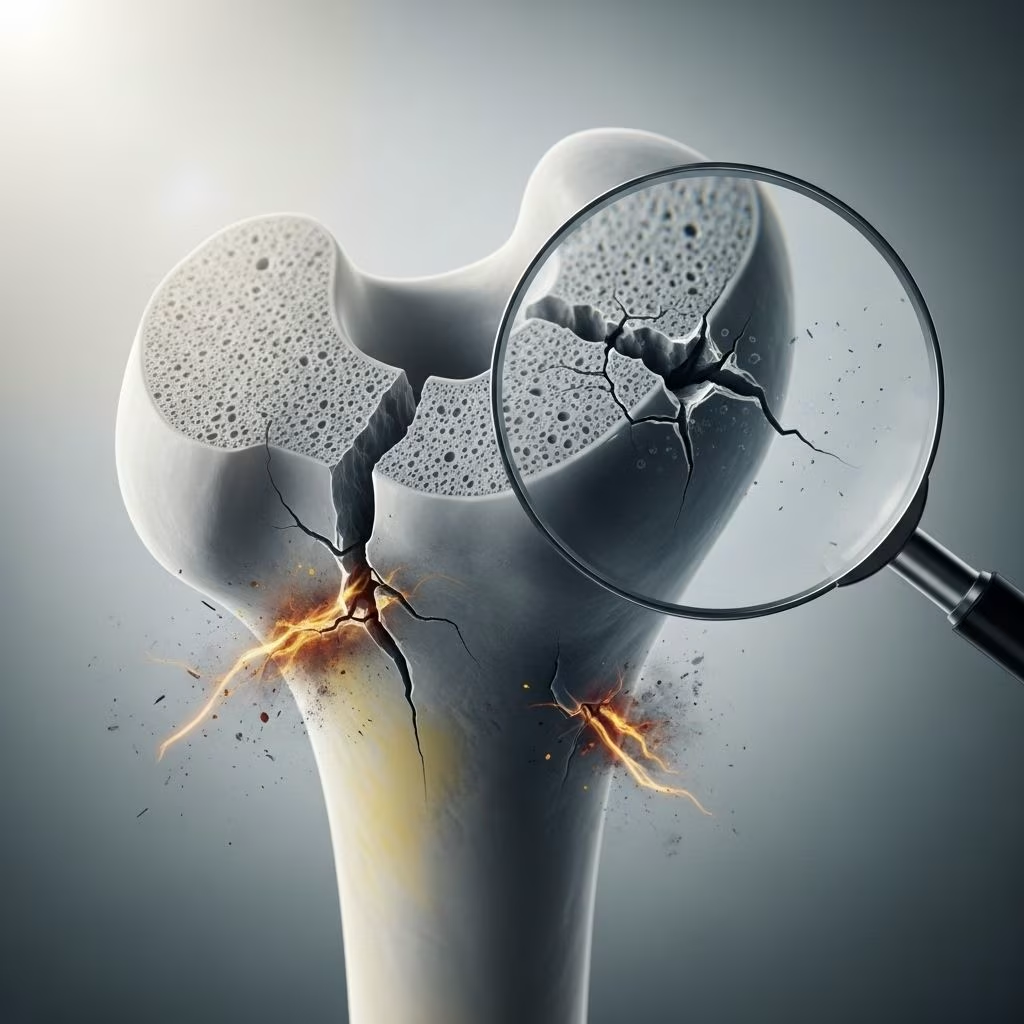
Bulimia Nervosa and Broken Bones: Unveiling the Overlooked Connection
People often associate bulimia nervosa with the visible effects of disordered eating—weight fluctuations, digestive distress, and emotional turmoil. Yet there’s a lesser-known consequence lurking beneath the surface: long-term bone damage. Recent research reveals that bulimia nervosa, like anorexia, can result in decreased bone mineral density, increasing the likelihood of painful, sometimes permanent fractures.
This article explores the relationship between bulimia, bone health, and fracture risk, offering essential information for patients, loved ones, and healthcare professionals seeking to understand and prevent these complications.
How Eating Disorders Affect Bones
- Undernutrition deprives the body of crucial nutrients needed to build and maintain bone.
- Hormonal Disruptions—such as lowered estrogen in women—directly impact bone density.
- Changes in body composition can leave bones fragile and prone to fractures.
Although anorexia nervosa is typically associated with bone loss, accumulating evidence shows that bulimia nervosa also carries a risk for low bone mineral density (BMD), regardless of a patient’s weight status. Disordered eating habits—including purging and long-term calorie deficits—can curtail bone building during adolescence and accelerate bone loss in adults.
The Science: Research Linking Bulimia to Broken Bones
Historically, studies focused on anorexia due to its hallmark low body weight, but recent findings highlight bulimia nervosa’s impact on bones:
- Women with bulimia show lower spine BMD versus healthy controls, despite being of normal weight.
- Both adolescent and adult women with eating disorders—including bulimic and binge-purge subtypes—have reduced bone density and heightened fracture risk.
- Fracture rates among women with eating disorders approach 30% in adolescence and adulthood.
Osteopenia vs. Osteoporosis: Understanding the Terminology
- Osteopenia: Mild loss of bone mineral density.
- Osteoporosis: Severe loss of bone mineral density, substantially increasing fracture risk.
Osteoporosis and osteopenia may persist even after weight restoration or symptom stabilization. Bone mineral loss often goes unnoticed until a patient sustains a fracture from seemingly minimal trauma.
Long-Term Impact: Why Fracture Risk Persists After Recovery
One of the most troubling findings about eating disorders and bone health: fracture risk remains elevated even after apparent recovery.
- Women with past anorexia nervosa had notably lower femoral neck bone density—and increased fracture risk—decades after recovery compared with healthy controls.
- BMD deficits in eating disorders can persist for years, even among those who regain weight and nutritional balance.
- Population-based studies show a lifetime cumulative fracture rate of up to 57% in women with a history of anorexia.
Early onset of an eating disorder—particularly during adolescence when bone growth peaks—further amplifies long-term risks.
What Causes Bone Loss in Bulimia Nervosa?
Bulimia nervosa often affects women who are of normal or only slightly underweight, making its impact on bones less obvious but no less severe. The main contributing factors include:
| Contributing Factor | Impact on Bone Health |
|---|---|
| Purging behaviors | Loss of minerals and electrolytes disrupt bone metabolism |
| Chronic undernutrition | Insufficient intake of calcium, vitamin D, and protein needed for bone formation |
| Hormonal changes | Irregular menstrual cycles decrease estrogen, weakening bones |
| Excessive exercise | Further stresses bones and can suppress hormone levels |
| Bingeing and restriction cycles | Fluctuating nutrient levels hinder bone recovery |
Bone Loss During Adolescence: A Critical Window
The risks posed by bulimia nervosa are especially acute during adolescence—a period when bodies need consistent nutrition and hormonal support to reach peak bone mass. Eating disorders at this age disrupt bone formation, leading to lasting deficits and vulnerability to fractures later in life.
Approximately half of adolescent girls with anorexia have bone density 1 standard deviation below the mean; similar patterns emerge in those with bulimic symptoms.
Which Bones Are Most at Risk?
- Spine: Lower spine bone mineral density is common in bulimia and anorexia.
- Hip: Anorexia patients show especially high risk for hip fractures.
- Upper limbs: Vertebrae and arm bones sustain damage in disordered eating.
Studies reveal fracture risk doubles overall in anorexia, and rises—as shown by increased spine fractures—even in bulimia nervosa. Both restricting and binge-purge eating patterns lower limb BMD compared to healthy controls.
Recovery Does Not Guarantee Healthy Bones
Patients often expect that regaining weight and improving nutrition will immediately restore bone health. Unfortunately, research shows that deficits can persist for years, requiring special attention and interventions:
- Bone strength, as measured by ground reaction force, remains compromised even 27 years after recovery in some cases.
- Osteoporosis may develop and worsen even post-recovery, underscoring the need for lifelong vigilance.
Prevention and Treatment Strategies
Medical and Nutritional Interventions
- Physiological estrogen replacement (not oral contraceptives) has been shown to help restore bone density in adolescent girls with anorexia.
- Medications like bisphosphonates and teriparatide are being explored in adult women for osteoporosis related to eating disorders.
- Nutritional counseling focusing on sustained intake of calcium, vitamin D, and protein is critical for both prevention and recovery.
Lifestyle Modifications
- Avoiding excessive or compulsive exercise, which worsens bone stress.
- Early diagnosis and treatment during adolescence can protect peak bone mass formation.
- Long-term follow-up and monitoring BMD, even after symptomatic eating disorder recovery.
Frequently Asked Questions (FAQs)
Q: Can bulimia nervosa cause osteoporosis even if I am not underweight?
A: Yes. Studies show that bulimia can reduce bone mineral density, particularly in the spine, even in individuals of normal weight.
Q: Are bone problems reversible after recovery from bulimia or anorexia?
A: Some bone density can be restored with improved nutrition and medical care, but research indicates that bone deficits and fracture risk may persist for many years post-recovery.
Q: Which bones are most likely to break as a result of eating disorders?
A: The spine, hips, and upper limbs (especially vertebrae and the upper arm) are at greatest risk.
Q: How is bone health assessed in someone with an eating disorder?
A: Bone mineral density (BMD) is measured using special scans (such as DEXA). Regular monitoring is important for early detection of osteopenia and osteoporosis.
Q: What treatments can help prevent fractures in eating disorder patients?
A: Treatment focuses on restoring balanced nutrition and hormones. In some cases, doctors may prescribe estrogen replacement or osteoporosis medications like bisphosphonates. Long-term medical and nutritional follow-up is essential.
Key Takeaways
- Bulimia nervosa can cause significant bone mineral loss and increase fracture risk, even if body weight appears normal.
- BMD deficits may persist for years after recovery; early intervention is critical.
- Sustained, balanced nutrition and hormonal support are essential throughout recovery.
- Monitoring bone health and seeking medical treatment for osteopenia or osteoporosis is vital for those with a history of eating disorders.
Resources for Further Support
- National Eating Disorders Association (NEDA): Educational materials and treatment options
- American College of Sports Medicine: Bone health guidelines for athletes and individuals at risk
- Local healthcare providers: Ask about bone density screening if you have current or past eating disorder symptoms
Conclusion: Protecting Bone Health—for Life
Bulimia nervosa is not merely a condition of the mind and digestive system—it is a disease with profound, lasting effects on the skeletal system. The invisible threat of bone loss, fractures, and pain demands greater awareness and proactive care, especially among adolescent girls and women. Early diagnosis, nutritional rehabilitation, hormonal support, and ongoing bone density monitoring are vital steps both during and after recovery. If you or someone you love is struggling with bulimia or another eating disorder, don’t wait to seek help—protecting bone health can be the difference between lifelong pain and long-term wellbeing.
References
- https://pmc.ncbi.nlm.nih.gov/articles/PMC5675561/
- https://pmc.ncbi.nlm.nih.gov/articles/PMC9106600/
- https://www.psychiatryadvisor.com/home/topics/eating-disorders/women-with-anorexia-nervosa-at-high-risk-for-bone-fractures/
- https://www.acute.org/resources/osteoporosis-osteopenia
- https://rally.massgeneralbrigham.org/study/romo
- https://onlinelibrary.wiley.com/doi/abs/10.1002/eat.10101


