


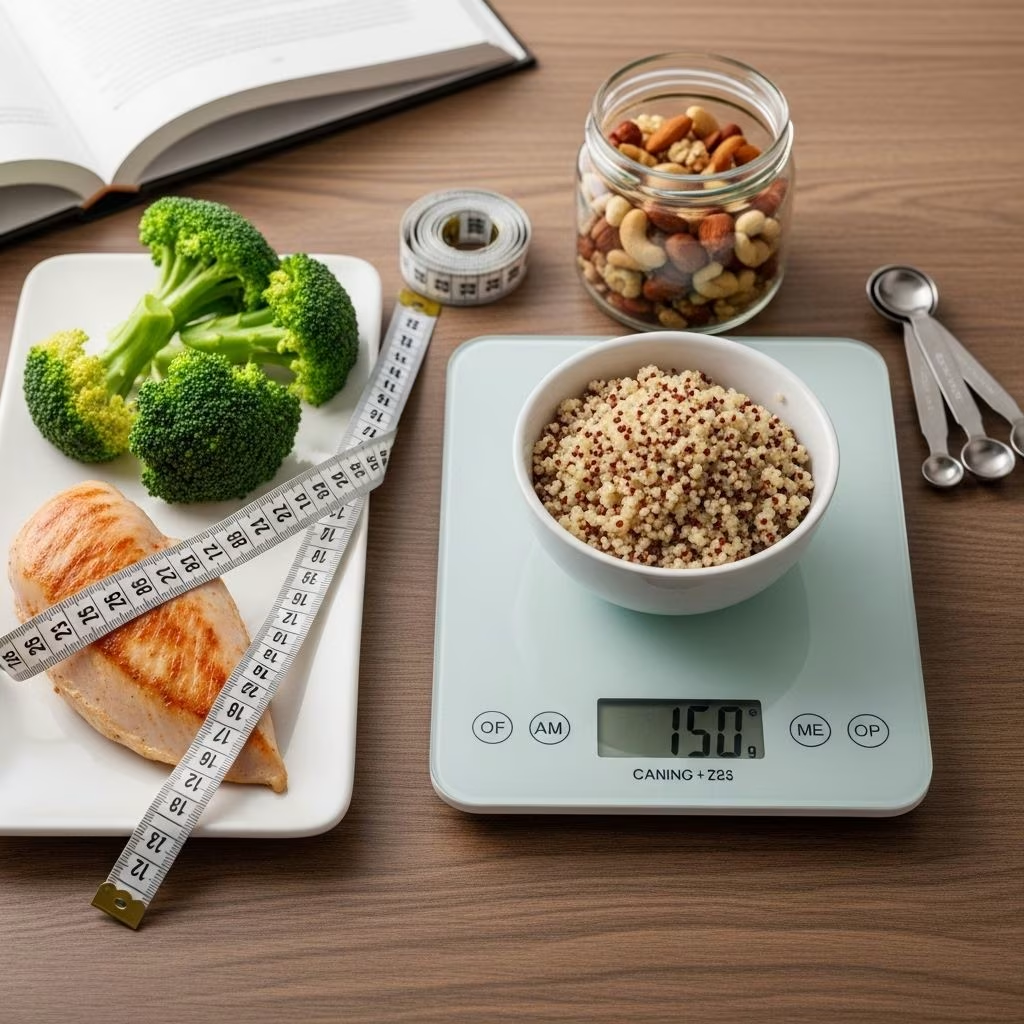
Calories and Portion Sizes: Why They Matter for Your Health
Understanding calories and portion sizes is a critical foundation for anyone looking to manage their weight, adopt healthier eating habits, and improve overall well-being. While most of us have heard that “portion control” is important, few truly understand how drastically our servings have changed over time—and what these changes mean for our calorie intake and health.
The Difference Between Calories, Portions, and Servings
Before tackling portion control, it’s essential to grasp the difference between calories, portions, and servings:
- Calories are a unit of energy found in all foods and drinks. Consuming more calories than your body burns leads to weight gain.
- Portion refers to the actual amount of food you choose to eat at one time—whether at a restaurant, from a package, or at home.
- Serving is a standardized, recommended quantity listed on Nutrition Facts labels, and it can differ greatly from the typical portions served or chosen.
Your chosen portion may be larger (or smaller) than the serving size. Understanding this difference can make the calorie math of your daily diet much clearer.
How Portion Sizes Have Increased Over Time
Portion sizes in restaurants, packaged foods, and even at home have steadily and significantly increased over the past decades. The result? Most people underestimate their calorie intake because our environment encourages us to eat more than our bodies require.
For example, standard servings of pasta, steak, or even soda are routinely two to four times larger than the recommended serving size. This “portion distortion” leads to unintended calorie overload, making weight management much harder.
| Food | Recommended Portion | Typical Restaurant Portion | Portion Comparison |
|---|---|---|---|
| Steak (Meat, Fish, Poultry) | 3 oz (deck of cards/palm) | 12 oz | 4x more |
| Rice/Pasta/Couscous | 1/2 cup (size of computer mouse) | 2 cups | 4x more |
| Salad Dressing (Fat) | 1 tbsp (tip of thumb) | 4 tbsp (single restaurant packet) | 4x more |
| Cheese | 1 oz (4 dice) | 2 oz (slice of pizza) | 2x more |
It’s surprisingly easy to eat two, three, or even four servings in one sitting—without realizing it.
How Bigger Portions Lead to More Calories
When we eat larger portions, we consume more calories—often far more than we realize. Research at Pennsylvania State University found some eye-opening data: when typical portion sizes were increased by 50% and then doubled, participants consumed between 335 to 812 more calories per day (the range depended on gender and the degree of portion increase).
Since an extra 500 calories daily can lead to a pound gained per week, this difference is significant. Consistent overeating, even in small amounts, accumulates over time and can lead to weight gain and associated health issues.
Why Portion Control Works—And Where It Fails
Despite the seemingly simple advice to “eat less, move more,” lasting weight loss can be elusive for most people. The challenges:
- Our environment encourages mindless overeating and large portions.
- Highly processed foods are frequently less satisfying, prompting us to eat more to feel full.
- The body adapts to calorie reduction with increased hunger and slower metabolism, creating weight-loss plateaus.
- Biological factors (like genetics) influence our hunger signals and metabolism.
However, managing portion sizes remains one of the most reliable habits for controlling calorie intake without counting every bite.
Portion Size: Visual Guides for Everyday Foods
You don’t need a kitchen scale for every meal. Using everyday items as reference points can make portion control simple and practical:
- Meat, fish, or poultry: 3 oz is the size of a deck of cards or your palm
- Grains (rice, pasta, etc.): 1/2 cup equals the size of a computer mouse
- Fat (butter, oil, dressing): 1 tablespoon is about the size of your thumb tip
- Nut butter: 2 tablespoons = a ping pong ball
- Cheese: 1 oz roughly equals four dice
- Cooked beans: 1/2 cup is about the size of a lightbulb
- Vegetables and salad: 1–2 cups equals fists’ worth in your hands
These comparisons help you quickly eyeball your portions, especially when eating out or preparing meals at home.
The Portion Size Effect: Why We Eat What We’re Served
Multiple studies have confirmed a phenomenon called the portion size effect: The more food we are served, the more we eat, regardless of hunger. This is mainly a matter of habit and visual cues. Many factors influence our portion choices, including plate size, packaging, social settings, and marketing cues. Learning to recognize these cues, and how they nudge us toward overeating, is the first step to regaining control over your eating habits.
Portion Control Strategies You Can Use Today
Ready to put portion control into action? Use these practical tips to start making an immediate difference:
- Read Nutrition Facts labels to understand how much a “serving” actually is for your favorite foods.
- Use smaller plates, bowls, and glasses to make portions look bigger and feel more satisfying.
- Pre-portion snacks into individual servings instead of eating straight from the package.
- Fill half your plate with vegetables, which are high in nutrients and fiber, but low in calories.
- Separate leftovers into single-portion containers as soon as you cook or order extra food.
- Slow down: Take at least 20 minutes to eat a meal so your body has time to register fullness.
- Drink a glass of water before eating to help reduce unnecessary hunger.
- Avoid eating in front of screens to stay mindful of how much you’re consuming.
Portion Control When Dining Out
Restaurant meals are notorious for oversized portions, but you can still dine out and keep things healthy. Here’s how:
- Order a half-portion or appetizer instead of a full entrée.
- Request a to-go box when your meal arrives and immediately set aside half for later.
- Split a meal with a dining partner.
- Ask how dishes are prepared and request grilled, baked, or steamed items over fried or creamy ones.
- Order dressings and sauces on the side, using just enough for flavor.
Remember: larger portions lead to higher calorie intake, whether you intend it or not. Being proactive preserves both your health and your enjoyment of eating out.
Making Healthy Choices at Home
The easiest place to practice healthy portion habits is your own kitchen. Some key habits:
- Use measuring cups and spoons for a few weeks to get a true sense of serving sizes.
- Rearrange your pantry and fridge so the healthiest options (fruit, veggies, lean proteins) are at eye level and easy to access.
- Serve meals directly onto plates instead of placing serving dishes on the table.
- Limit high-calorie foods at home; stock up on lower-calorie snack options.
Smart Ways to Estimate Portion Sizes
| Food/Drink | Visual Cue | Serving Size |
|---|---|---|
| Meat (chicken, fish) | Deck of cards/palm | 3 oz |
| Pasta/Rice | Computer mouse | 1/2 cup |
| Baked Potato | Computer mouse | 1 medium |
| Fruit (whole) | Tennis ball | 1 piece |
| Cheese | 4 dice/thumb | 1 oz |
| Salad Dressing | Thumb tip | 1 tbsp |
| Nut Butter | Ping pong ball | 2 tbsp |
How to Read Nutrition Labels for Portion Guidance
Every packaged food has a Nutrition Facts label specifying serving size and calories per serving. Here’s how to use this information:
- Check the “servings per container”—if you eat the whole item, multiply the listed calories, fat, and other nutrients by the number of servings you consumed.
- Compare your usual portion to the serving size. Many single packages (like a frozen entrée) contain two or more servings.
- Use the label to keep track of total calories, sodium, sugar, and fat.
Frequently Asked Questions (FAQs)
Q: What’s the best way to practice portion control without obsessing over calories?
A: Use visual cues and smaller plates, focus on eating slowly, and be present instead of distracted during meals. Over time, you’ll develop a better sense of appropriate serving sizes without measuring everything.
Q: Why do restaurants serve such large portions?
A: Restaurants often use larger portions as a perceived value for the price, which encourages repeat business—but it leads to unintentional overeating for customers.
Q: What’s the difference between a portion and a serving?
A: A portion is the amount you choose to eat, while a serving is the measured amount listed on a food label as a reference for nutrition information.
Q: Does portion control work for weight loss?
A: Yes, portion control is a proven, simple strategy that helps reduce daily calorie intake, contributing to gradual, sustainable weight loss when paired with a balanced diet.
Q: Should I avoid eating at restaurants to manage my weight?
A: Not at all. You can enjoy eating out by being mindful of portions—split dishes, choose smaller starters, or take part of your meal to go.
Weight Loss Tips
- Choose whole foods over processed for more fiber and nutrients, which support satiety.
- Drink more water throughout the day to avoid mistaking thirst for hunger.
- Track your meals for a week to build awareness and identify where you may be eating more than you realize.
- Incorporate metabolism-boosting foods such as oatmeal or green tea.
- Aim to eat slowly and savor each bite to help your body’s hunger and fullness signals catch up.
Empowering yourself with information about calories and portion sizes is a powerful step toward healthier, more mindful eating habits. Remember, small everyday changes add up over time to big health rewards.
References
- https://www.niddk.nih.gov/health-information/weight-management/just-enough-food-portions
- https://www.prevention.com/weight-loss/a20466917/your-guide-to-calories-and-portion-sizes/
- https://www.menusofchange.org/issue-briefs/portion-size
- https://www.healthline.com/nutrition/portion-control
- https://www.prevention.com/weight-loss/a20469085/healthy-eating-at-restaurants-reduce-calories-with-smaller-portions/
- https://www.prevention.com/weight-loss/a20473778/simple-portion-size-chart/
- https://www.prevention.com/food-nutrition/healthy-eating/a65664887/ultra-processed-foods-weight-loss-gut-health-study/
- https://pmc.ncbi.nlm.nih.gov/articles/PMC1447051/


