


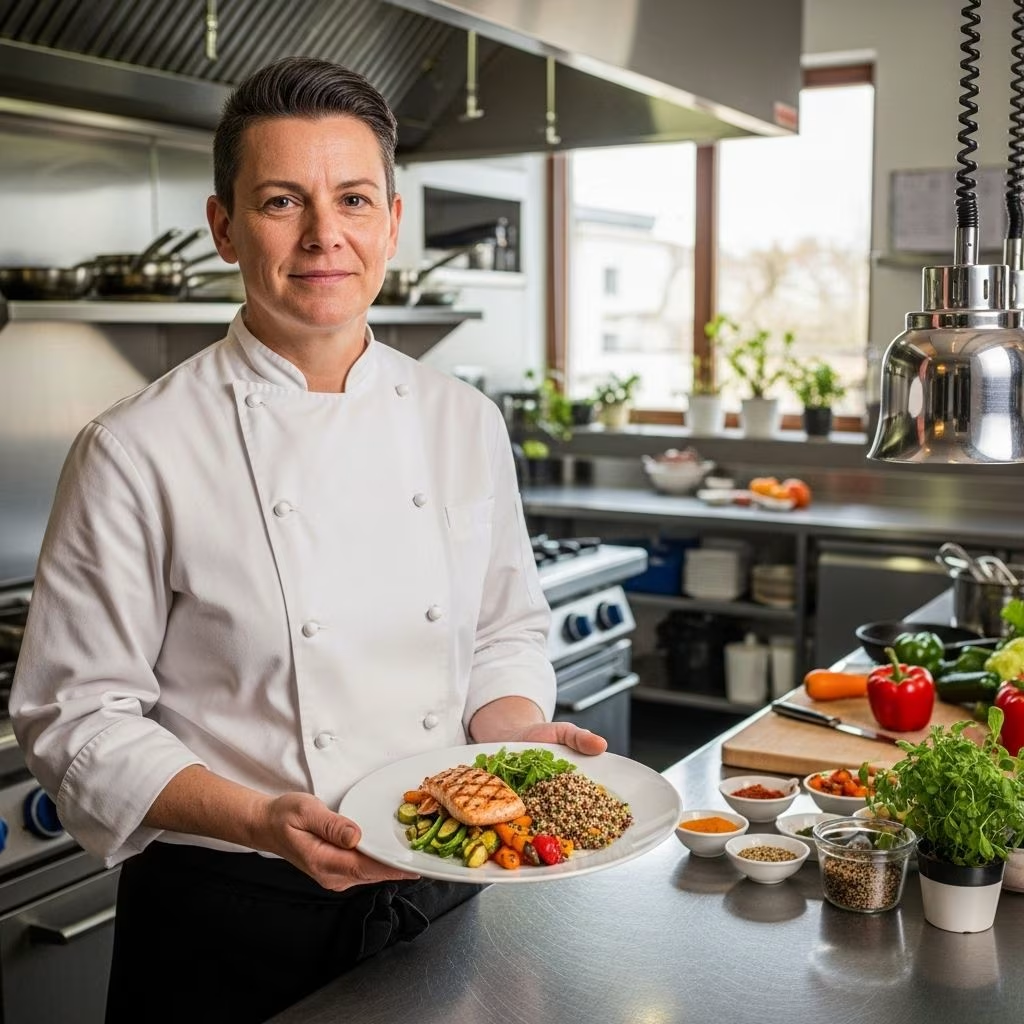
Weight Loss Secrets from Chefs: How Culinary Pros Overcome Food Challenges
For many, chefs represent the pinnacle of food skill. Yet, living and working surrounded by rich, delicious food brings its own set of challenges when it comes to weight loss and health. Food Network’s reality show Fat Chef sheds light on the daily struggles of overweight culinary professionals as they embark on a 16-week journey of transformation, facing not just physical, but emotional obstacles. Their experiences provide lessons anyone can use for sustainable, expert-backed weight management.
Inside the Fat Chef Reality Show: Real Professionals, Real Struggles
The show follows 12 chefs as they work to overcome long-standing food issues with the help of therapists, nutritionists like Christine Avanti, and celebrity trainers such as Robert Brace and Brett Hoebel. Unlike competitive dieting shows, Fat Chef emphasizes building healthy habits rather than rapid-fire contests. Each episode focuses on two chefs, detailing the obstacles—both professional and personal—that come with trying to eat healthier in a world of culinary temptations.
- Michael Mignano: A pastry chef weighing 490 pounds struggles with fast food addiction.
- Melba Wilson: Harlem soul food chef, single mom contending with binge, deprivation, and emotional eating.
Central to their progress is guidance not just on diet and fitness, but also on mental and emotional health. The insights share invaluable lessons for anyone surrounded by food—at work, at home, or in social circles.
Common Eating Mistakes: Insights from Nutrition Experts
Nutritionist Christine Avanti has compiled a set of typical mistakes—and how to overcome them—based on her work with chefs.
- Relying on fatty, greasy, or salty foods, despite access to fresh ingredients.
- Skipping water intake, often drinking little or no water throughout the day.
- Irregular meal patterns, leading to binge eating or nighttime cravings.
- Neglect of portion control, especially in a professional kitchen context.
- Emotional eating, using food to cope with stress or fatigue.
Avanti’s recommendations focus on utilizing the resources available in every commercial or home kitchen: lean meats, fresh produce, and smart pre-preparation. Setting aside healthier ingredients in advance makes sticking to better habits more achievable, no matter how busy the schedule.
Healthy Habits for Chefs (And Everyone Else)
Working in a food-centric environment poses unique risks, but anyone can adopt these healthy habits:
- Plan meals ahead: Set aside lean meats and vegetables for personal use, even in the busiest kitchens.
- Drink more water: Aim for several glasses daily to curb cravings and maintain energy.
- Practice portion control: Use kitchen scales, measuring spoons, or containers to learn and stick to proper serving sizes.
- Address emotional triggers: Recognize patterns like bingeing after periods of deprivation and seek healthier coping mechanisms.
- Incorporate movement: Find ways to add short walks or bodyweight exercises around work duties.
Avanti notes: “There is no reason why a chef has the excuse of eating fatty, greasy, salty food.” All kitchens have access to fresh options, but habit change—especially replacing old comfort foods—requires ongoing support and planning.
Expert Strategies for Building a Healthier Kitchen
Whether you’re a chef or home cook, your kitchen setup can powerfully affect weight management. From gadgets to organization, small changes lead to big results.
- Digital kitchen scale: Accurately weigh portions to avoid calorie creep—vital for calorie-dense foods like bread and potatoes.
- Vegetable peeler & cheese grater: Create ultra-thin ribbons of veggies, cheese, or chocolate to add flavor for fewer calories.
- Storage containers & measuring utensils: Pre-portion meals by container, or use soup ladles for reliable serving sizes.
Each tool serves as a daily prompt for mindful eating—making it easier to keep calorie intake in check while maintaining the pleasure of meals.
Addressing Food Issues Beyond the Plate: Therapy and Mindset
For many chefs (and everyday eaters), a deep-rooted connection between food and emotion complicates attempts to slim down. Therapists in Fat Chef help culinary professionals untangle these connections:
- Recognize stress eating: Many chefs eat to alleviate anxiety, frustration, or exhaustion.
- Break deprivation-binge cycles: Avoiding food all day often leads to evening overeating.
- Set boundaries: Learn to say ‘no’ to excess sampling or snacking on the job.
- Find support: Accountability from mentors, coworkers, or family increases long-term success.
The intervention goes beyond nutrition—focusing on building resilience, self-awareness, and healthier coping strategies. These lessons speak to anyone with a strong relationship to food, not just professionals.
Pro Chef Tips for Changing Cooking Habits
Adopting healthier cooking techniques is critical. Experts share their best tips:
- Get organized: Prep ingredients and arrange cooking equipment before starting—reduces stress and temptation for unhealthy shortcuts.
- Braise and batch cook: Use slow-cooking methods for lean meat and produce, making flavorful, filling meals without excess calories.
- Experiment with healthy baking: Substitute purees or milk for oil in cakes; make mistakes and learn what works for your taste and texture.
- Shop smart: Frequent farmers’ markets for fresh, seasonal produce keeps meals interesting and nutritious.
These tweaks keep meals satisfying but lighter—helping even food professionals rein in calories without sacrificing flavor or fun.
Portion Control: Tools and Techniques for Success
Restaurants—and home cooks—often serve portions much larger than recommended. Learning what ‘normal’ looks like is crucial.
- Visual guides: Compare portion sizes of bread, potatoes, or cheese with kitchen scales or measuring cups.
- Proper plating: Use smaller plates, bowls, and utensils to cue correct amounts.
- Pre-portion leftovers: Immediately divide restaurant or home-cooked meals into servings for later.
Setting aside the excess immediately combats mindless eating and helps form new, sustainable habits for weight control.
Actionable Tips for Non-Cooks and Busy Eaters
Many people—chefs or otherwise—have little time or interest for elaborate cooking. Kim Larson, RD, offers practical advice:
- Put fruit on the counter: Keeping fruit visible makes healthy choices easier.
- Choose whole-grain carbs: Pick brown rice or whole-wheat bread; try open-faced sandwiches to cut calories.
- Snack smarter: Prepare ahead; opt for veggie sticks or lower-calorie dips over chips or sweets.
- Add healthy sides to takeout: Order salads, cottage cheese, or light soup to fill up on nutrients before heavier food arrives.
- Make tiny swaps: Substitute thin-crust pizza, vinegar over creamy dressing, or choose sharper cheese for less use.
Even without cooking elaborate meals, simple strategies can substantially lower calorie intake and make healthy eating easier every day.
Table: Chef-Approved Weight Loss Strategies
| Strategy | Why It Works | Expert Tip |
|---|---|---|
| Meal Planning | Reduces last-minute unhealthy choices | Set aside lean proteins & veggies in advance |
| Kitchen Gadgets | Promotes accurate portions and cooking methods | Use a digital scale for breads & potatoes |
| Water Intake | Prevents dehydration and false hunger | Keep a water bottle at your station or desk |
| Healthy Swaps | Lower excess calories without sacrificing flavor | Make pizza with thin crust and use sharp cheeses |
| Portion Control | Avoids overeating in and out of the kitchen | Serve yourself using containers or ladles |
Frequently Asked Questions (FAQs)
Q: What are the unique weight challenges chefs face?
A: Chefs are surrounded by food all day, making it hard to resist temptation, maintain portion control, and avoid emotional eating linked to high-stress environments.
Q: Can chefs really lose weight without giving up favorite foods?
A: Yes. By planning, swapping ingredients, and using healthy culinary techniques, chefs can still enjoy delicious meals while losing weight.
Q: What’s the most common eating mistake chefs make?
A: Relying on quick, calorie-dense foods for convenience, and not making use of healthy, fresh ingredients available in every kitchen.
Q: How can non-cooks use chef strategies to lose weight?
A: Non-cooks can benefit from keeping healthy foods visible, choosing whole grains, adding side salads or veggies to takeout, and making small ingredient swaps.
Q: Does changing kitchen gadgets really make a difference?
A: Yes. Small tools like measuring utensils or scales help consistently reduce portions and add mindfulness to eating habits.
Takeaway: Chef Wisdom for Lasting Weight Loss
The journey of professional chefs to healthier bodies proves that mindful routines, smart kitchen organization, and addressing emotional triggers make lasting weight change possible. Whether it’s swapping heavy sauces for fresh herbs, pre-portioning each meal, or seeking support for difficult food relationships, the lessons are practical for anyone—chef or home cook. Use these strategies to build positive, sustainable habits and take control of your health, one meal at a time.
References
- https://www.prevention.com/weight-loss/diets/a20480486/build-a-healthy-kitchen-with-utensils-and-gadgets-that-aid-weight-loss/
- https://www.prevention.com/weight-loss/a20473550/weight-loss-tips-for-people-who-dont-cook/
- https://www.prevention.com/weight-loss/a20430604/weight-loss-tips-for-overweight-chefs/
- https://www.prevention.com/food-nutrition/healthy-eating/g20459608/top-tips-for-the-home-cook/
- https://www.prevention.com/weight-loss/a20501539/how-to-maintain-weight-loss/
- https://www.prevention.com/weight-loss/a20435458/top-chefs-weight-loss-tips/
- https://www.prevention.com
- https://www.prevention.com/weight-loss/a20458064/new-research-on-how-to-lose-belly-fat/
- https://www.prevention.com/weight-loss/g20506618/weight-loss-maintenance/


