


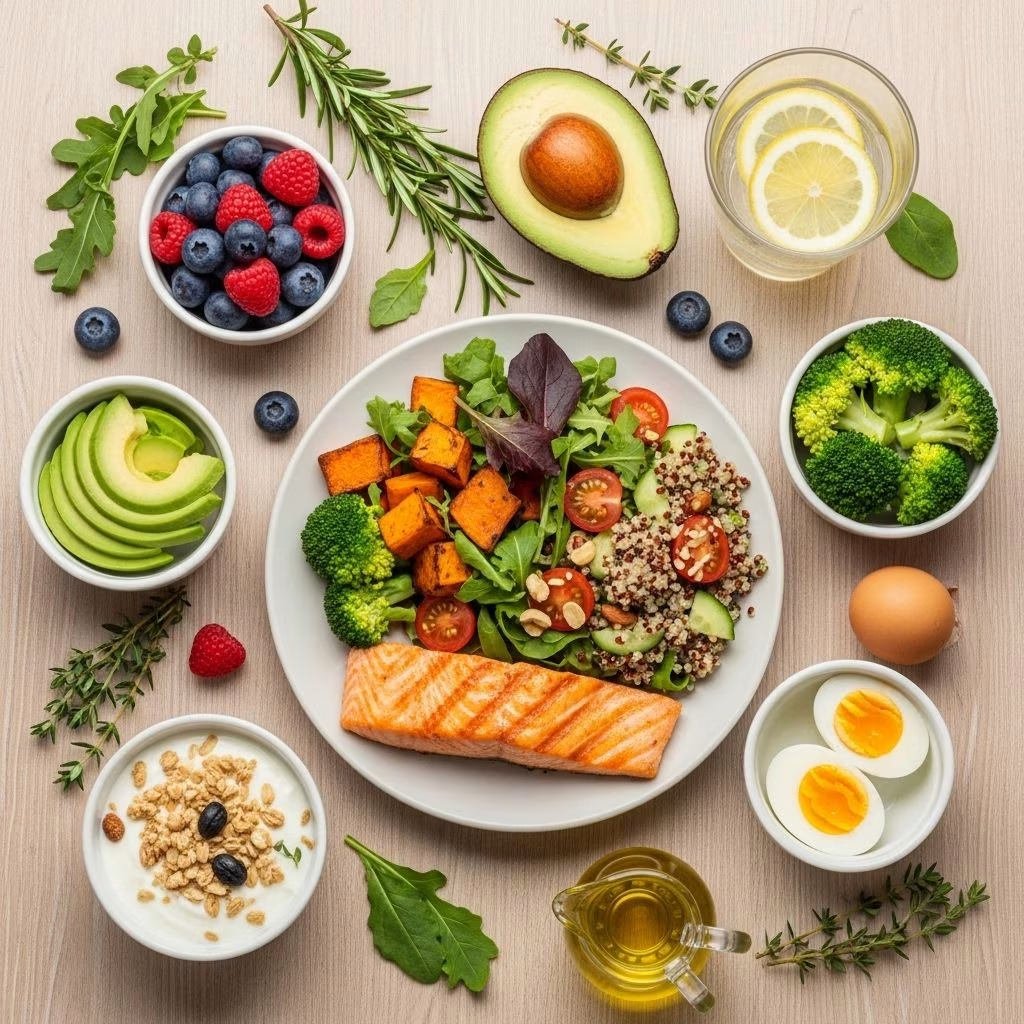
Defy Your Age: The Ultimate Eating Plan for Lifelong Vitality
Getting older may be inevitable, but how you age is far from predetermined. Years of scientific research have shown that what you eat plays a profound role in determining your health, energy, appearance, and risk for chronic diseases. The Defy Your Age Eating Plan flips the standard American diet—with its focus on processed foods, excess sugar, salt, and unhealthy fats—on its head. In its place: a flexible, flavorful, and evidence-based nutrition strategy designed to protect your heart, brain, bones, skin, and muscles from the ravages of time, while supporting sustainable weight loss and daily energy.
Why Your Diet Matters More Than Ever
As you age, the risks for conditions like heart disease, diabetes, high blood pressure, arthritis, and certain cancers sharply increase. But research consistently proves that adopting a nutrient-rich, balanced eating approach can slow, and even reverse, many effects of aging. Dropping excess weight is one of the most powerful ways to lower disease risk, boost energy, and look younger.
- Overweight and obesity are linked to higher rates of chronic illness.
- Focusing on the right foods helps naturally reduce daily calories (the Defy Your Age plan delivers a sustainable 1,600 calories per day for most adults).
- Flexible meal mixes allow you to eat three balanced meals and two satisfying snacks every day—no boredom, no deprivation.
The Core Principles: Three Science-Backed Eating Rules
The Defy Your Age Plan is anchored by three fundamental rules, each backed by years of evidence and designed to keep your body strong and vibrant at any age.
1. Eat Anti-Aging Fats
Contrary to popular diet advice from decades past, healthy fats are essential for protecting your cells, boosting your mind, and supporting lasting satiety. Omega-3 fatty acids, in particular, are crucial anti-aging nutrients:
- Sources: Salmon, sardines, tuna, walnuts, almonds, flaxseeds, chia seeds, olive and canola oils, eggs enriched with omega-3s, leafy greens.
- Benefits: Stronger heart, more supple skin, better focus, less inflammation, and even improved fat metabolism for easier weight control.
- Evidence: A Harvard study found that a deficit of omega-3s contributes to up to 96,000 premature deaths annually in the U.S..
2. Fill Your Plate with Color
The color of your meals should be as vibrant and diverse as possible. Why? Fruits and vegetables are rich in antioxidants, substances that neutralize age-accelerating free radicals and bolster your body’s natural defenses:
- Guideline: At least half your lunch and dinner plates should be filled with colorful produce.
- Benefits: Improved immunity, smoother skin, lower disease risk, and a greater feeling of fullness due to fiber and water content.
- Real-world Tip: Every color offers unique nutrients. Reds provide lycopene, oranges give beta-carotene, greens are loaded with folate and magnesium, blues and purples offer anthocyanins.
3. Choose Smart Carbohydrates
This plan emphasizes carbohydrates that nourish and balance your metabolism. Whole grains, legumes, and naturally sweet foods provide long-lasting energy without blood sugar swings:
- Recommended choices: Whole grains (oats, quinoa, barley, brown rice), beans, lentils, and starchy vegetables (sweet potatoes, squash).
- Benefits: Stable energy, sustained fullness, improved digestion, and reduced disease risk.
The Age-Defying Food List
Build every meal and snack using these core categories:
| Category | Best Choices | Key Nutrients |
|---|---|---|
| Fruits | Berries, oranges, apples, grapes, kiwi, pomegranates | Vitamin C, fiber, antioxidants |
| Vegetables | Broccoli, spinach, kale, sweet potatoes, red peppers, tomatoes, carrots | Phytochemicals, vitamin K, carotenoids, fiber |
| Whole Grains | Oats, quinoa, barley, brown rice, millet | Magnesium, B vitamins, fiber |
| Protein | Fish (especially fatty fish), skinless poultry, eggs, tofu, beans, lentils, plain Greek yogurt | Protein, omega-3, calcium |
| Healthy Fats | Olive oil, canola oil, avocado, nuts, seeds | Omega-3, monounsaturated fats, vitamin E |
| Snacks | Low-fat cheese, fresh fruits, nuts, air-popped popcorn, hummus with veggie sticks | Calcium, protein, fiber |
Sample Age-Defying Meal Plan
Enjoy three meals and two snacks per day, built from the food list above. Every meal is packed with protective nutrients and designed to maximize satisfaction while staying at a healthy calorie level.
Sample Day Menu
- Breakfast:
– 1 cup plain Greek yogurt
– 1/3 cup berries (such as blueberries, strawberries, or raspberries)
– 1/4 cup walnuts or almonds
– 1 tablespoon flaxseeds
– Drizzle of honey, optional
Nutrition: ~300 calories, 20g protein, 12g fat, 10g fiber, 30g carbohydrate - Snack:
– 1 small apple
– 2 tablespoons natural peanut butter
Nutrition: ~180 calories, 4g protein, 8g fat, 4g fiber, 25g carbohydrate - Lunch:
– Large spinach salad with grilled salmon, sliced avocado, cherry tomatoes, shredded carrots, walnuts, and a drizzle of olive oil and lemon juice
– 1 slice whole-grain bread
Nutrition: ~450 calories, 35g protein, 20g fat, 8g fiber, 38g carbohydrate - Snack:
– Low-fat mozzarella cheese stick
– 1/2 cup red grapes
Nutrition: ~100 calories, 7g protein, 1.5g fat, 1g fiber, 15g carbohydrate - Dinner:
– 4 oz grilled cod
– 8 steamed asparagus spears
– 1/2 cup cooked barley
– 1 cup fresh berries drizzled with dark chocolate (2 teaspoons, melted)
– 1 cup green tea or coffee
Nutrition: ~325 calories, 28g protein, 5g fat, 6g fiber, 48g carbohydrate
Things to Know: What Makes This Eating Plan Unique?
- Wholesome, not bland: The plan features vibrant flavors, not boring diet food.
- Mix-and-match structure: Pick your preferred meals from a list of varied options. This keeps your taste buds happy while maintaining nutritional balance.
- Aim for sustainability: Cutting daily calories to 1,600 is both healthy and realistic for most adults wanting to lose weight, but options can be adjusted for those with higher activity needs.
- Automatic portion control: Focusing on produce and protein leads to natural calorie reduction without complicated counting.
How This Plan Protects Your Body As You Age
This eating strategy isn’t just about losing weight—every rule is tailored to slow aging in every body system.
- Heart: Omega-3s, healthy fats, and fiber reduce bad cholesterol and lower heart disease risk.
- Brain: Antioxidant-rich vegetables and healthy fats support sharper memory and less cognitive decline.
- Skin: Colorful produce provides vitamin C and carotenoids for collagen production and improved elasticity.
- Bones and Muscles: Calcium, vitamin D, and protein work in concert to preserve strength and minimize osteoporosis risk.
- Weight Control: High fiber and protein content increase satiety and improve metabolism, making weight loss easier and more lasting.
Top FAQs: Age-Defying Nutrition Essentials
Q: Do I need to avoid fats to lose weight and stay healthy?
A: No—healthy fats like those from fish and nuts are essential. They protect your heart, boost brainpower, and help you feel fuller, so you actually eat less. Omega-3 fats are especially valuable for aging well.
Q: How much should fruits and vegetables make up my meals?
A: Aim for at least half of your lunch and dinner plates to be filled with a diverse mix of vegetables and fruits. This maximizes antioxidants that combat cellular aging.
Q: Are all carbs allowed?
A: Focus on whole-food carbohydrates—like whole grains, beans, and sweet potatoes—and minimize processed foods with added sugars or refined flours.
Q: How do I handle snacks?
A: Snacks are vital for sustained energy and satisfaction. Opt for combos like fruit with low-fat cheese or nuts, veggie sticks with hummus, or yogurt with berries to help keep hunger at bay.
Q: Can I adjust this plan for higher activity levels?
A: Yes—if you are highly active or have higher energy needs, you can increase portion sizes slightly or add a serving of whole grains or protein at main meals.
Q: Does this plan work for men?
A: Absolutely. While the original plan targets women, the principles of nutrient distribution, balanced macros, and anti-aging nutrients benefit all adults. Portion sizes may be tuned as needed for men or highly active individuals.
Tips to Succeed with the Defy Your Age Plan
- Set your kitchen up with a variety of fresh, whole foods so healthy meals are quick and simple.
- Plan meals and snacks in advance to avoid last-minute, less-healthy choices.
- Stay hydrated throughout the day, as even mild dehydration can sap your energy levels.
- Practice mindful eating—slow down at meals, savor flavors, and recognize true hunger versus boredom or stress.
- Be consistent. The impact of this plan grows over weeks and months, not just days.
Download & Build Your Own Age-Defying Recipes
Keep your routine exciting by experimenting with new age-defying recipes built around these principles. Rotate different proteins, grains, fruits, and vegetables. Add global flavors with herbs, spices, and vinegars. Remember: the more varied and colorful your plate, the broader your nutrient intake—and the better protection you give your body against aging.
Ready for More?
- Continue updating your meal plans as your health needs and tastes evolve.
- Stay physically active and balance exercise with your nutrition for maximal benefits.
- Refer to the next steps for deeper dives into supporting your heart, bones, joints, and more as you progress month by month.
References
- Cheryl Forberg, RD, “Positively Ageless” and “You Only Younger” (expert contributor to Defy Your Age The Eating Plan)
- Harvard School of Public Health: Omega-3s and mortality statistics
- Robert P. Heaney, MD, Creighton University: Protein’s role in bone strength
References
- https://www.prevention.com/weight-loss/a20428059/healthy-eating-tips-and-sample-meal-plans/
- https://abcnews.go.com/Health/ways-thrive-40/story?id=21251866
- https://nashvillevoyager.com/interview/hidden-gems-meet-mary-catherine-labossiere-of-defy-nutrition/
- https://go.gale.com/ps/i.do?id=GALE%7CA238170810&sid=sitemap&v=2.1&it=r&p=HRCA&sw=w
- https://www.prevention.com/weight-loss/a20428751/defy-your-age-challenge-eating-plan/
- https://www.youtube.com/watch?v=CfY27wgNkSQ
- https://www.youtube.com/channel/UC9M3b9q8SsPraJVWacDU68Q


