


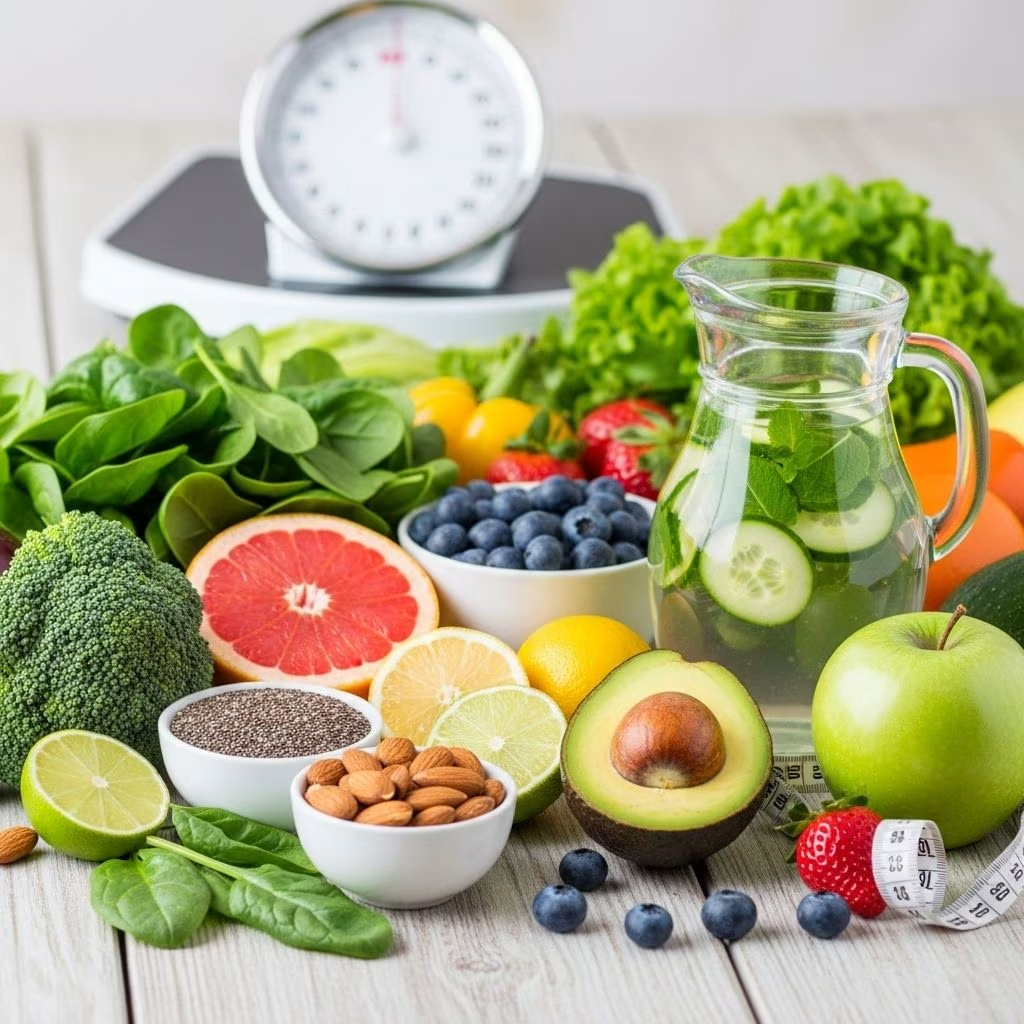
Detox Diet Plan: Lose Fat Fast and Reboot Your Health
Feeling sluggish, struggling to lose weight, or trapped in unhealthy food routines? A well-designed detox diet can help you break out of the cycle, support healthy digestion, and set the stage for lasting weight loss—without starvation or unsafe cleanses. This plan, developed by experts Dr. Chris Mohr, RD, and Dr. Kara Mohr, uses real, nourishing foods to fuel your body, curb cravings, and help you feel your best.
Why Try a Detox Diet?
Unlike fads that promise quick fixes, this detox plan is not about purging toxins your body can already handle itself. Instead, it’s about:
- Breaking bad habits such as excessive caffeine, sugar, or processed food intake
- Jump-starting weight loss with nutrient-dense, satisfying meals
- Resetting your appetite and taste preferences by refocusing on clean, whole foods
- Improving sleep, digestion, and energy levels by eliminating foods that often cause inflammation and discomfort
For example, one participant, Stephany Meadows, was able to quit her daily diet soda habit, resulting in better sleep, reduced swelling, improved digestion, and a noticeably decreased appetite.
The Core Detox Diet Plan
Fill Up On These Foods
The heart of this plan is enjoying an abundance of whole, nutrient-rich foods. Aim to fill your plate with:
- Vegetables: Spinach, kale, broccoli, bell peppers, carrots, and more—both raw and cooked
- Fruits: Berries, apples, oranges, melons, and other colorful picks
- Beans: Black beans, chickpeas, lentils, and more for filling fiber and plant protein
- Lean Proteins: Wild-caught salmon, chicken or turkey breast, lean red meats, eggs, and cottage cheese
- Healthy Fats: Olive oil, canola oil, avocados, nuts, eggs, and fatty fish
- Plenty of Water: Drink at least half of your body weight (in pounds) as ounces of water daily—e.g., 75 oz (9.5 cups) for a 150-lb person
- Fiber: Target at least 30 g per day, primarily from fruits and vegetables
Cut Out These Foods and Drinks
For the first week, avoid items that can sabotage your goals:
- Fiber-free Carbs: White bread, pastries, chips, cookies, bagels, and sugary cereals
- Caffeine: Coffee, black and green tea, energy drinks, chocolate, and especially diet soda
- Artificial sweeteners: Diet drinks, low-cal yogurts, sugar-free jellies, and candies
- Alcohol and Sugary Beverages: Soft drinks, fruit juice, cocktails, beer, sports drinks
- Added sugars: White sugar, honey, brown sugar, syrups
After the initial week, you can relax the restrictions somewhat, but maintaining a mostly whole-food approach is encouraged for optimal health and weight management. Aim for approximately 1,500 calories per day for continued weight loss, adjusting to your individual needs.
Sample “Detox” Diet Meal Plan
To help you succeed, here is a sample meal plan packed with delicious, satisfying options:
| Meal # | Food & Beverage | Description |
|---|---|---|
| 1 | 2 cups water Eggs + Veggies Cheese (optional), Olive Oil | Two whole eggs cooked with sautéed broccoli and spinach (or vegetables of your choice) in 1 tsp olive oil. Top with a small handful of cheese if desired. Add a squeeze of citrus or sliced cucumber to your water for extra flavor. |
| Snack | Fruit Nuts/Seeds | 1 serving of fresh fruit (like berries or an apple) and a small handful of raw nuts or seeds for healthy fats and lasting energy. |
| 2 | Lean Protein + Veggies + Beans | Grilled skinless chicken or wild salmon served over a large salad or stir-fried with lots of colorful veggies and a scoop of black beans. Drizzle sparingly with olive oil and balsamic vinegar. |
| Snack | Vegetables Hummus | Cut-up carrots, peppers, and celery served with a few tablespoons of homemade (or store-bought without additives) hummus. |
| 3 | Lean Red Meat / Fish + Beans + Vegetables | Lean grass-fed steak or baked fish, with steamed green beans and sweet potato, finished with a sprinkle of fresh herbs. |
| Optional Snack | Fruit & Cottage Cheese/Yogurt | A serving of berries with plain low-fat cottage cheese or unflavored yogurt (be aware of lactose/dairy if sensitive). |
Detox Diet Principles: What Makes It Work?
This detox plan works by leveraging several evidence-based principles:
- Whole, unprocessed foods supply the micronutrients and macronutrients essential for healthy metabolism.
- High-fiber intake from beans, vegetables, and fruits improves satiety which curbs overeating and supports healthy digestion.
- Adequate protein (from lean meats, eggs, dairy, or beans) helps preserve muscle mass while promoting fat loss.
- Healthy fats (from nuts, seeds, avocado, olive oil, and fatty fish) keep you full, aid nutrient absorption, and support hormone balance.
- Hydration supports kidney and liver function, and helps your body efficiently eliminate waste.
Many people who switch to this style of eating report not only weight loss, but also better sleep, improved digestion, clearer skin, and improved energy within days.
Common Detox Diet Questions Answered
- Is this a juice cleanse or fast?
No. This is a whole-food detox; you’ll eat regular meals centered around plants, lean proteins, and healthy fats. No fasting or drastic liquid diets required. - Is caffeine really bad?
Caffeine isn’t inherently bad, but taking a break helps many people reset their energy levels, sleep better, and reduce reliance on stimulants. After the first week, you can gradually reintroduce small amounts if desired. - Why cut out artificial sweeteners?
These can trigger cravings for sweet foods and may disrupt healthy gut bacteria. For optimal results, focus on natural, unprocessed sweet sources like whole fruits. - Do I need supplements?
Not necessarily. This plan gets you all the nutrients you need from food. However, if you have specific deficiencies or dietary restrictions, you can consult your doctor about supplementation.
Enhancing Your Detox Results
- Emphasize Antioxidant-Rich Foods: Brightly colored vegetables and fruits (such as spinach, kale, and berries) help your liver “knock out” harmful compounds and support overall health.
- Support Natural Detox Pathways: Foods like garlic, onions, and eggs are rich in sulfur, which the body uses to generate glutathione—a powerful internal antioxidant that aids in eliminating heavy metals and other wastes.
- Choose Organic When Possible: Organic produce reduces your exposure to pesticides, but when smart shopping is necessary, prioritize organic for thin-skinned produce and peel conventional varieties.
- Focus on Sleep and Stress Reduction: Quality sleep and lower stress help your body recover and function at its best during dietary change.
Kickstarting Healthy Habits Beyond Week One
While the first week is strict, the goal is to create habits you can build on for a lifetime. Following your initial detox:
- Continue to base meals around vegetables, fruits, lean proteins, and healthy fats.
- Limit processed, high-sugar, and high-fat foods.
- Practice portion control and eat mindfully.
- Stay hydrated every day.
Gradually reintroduce moderate amounts of whole grains, dairy, and occasional treats if desired. Listen to your body—notice how different foods make you feel, and prioritize those that enhance your energy and well-being.
Frequently Asked Questions (FAQs) About Detox Diets
Q: Is weight loss from a detox diet sustainable long-term?
A: Many people lose weight quickly during the initial phase due to reduced calorie intake and lower water retention. Maintaining weight loss depends on continuing healthier eating habits post-detox.
Q: Can I exercise while on the detox plan?
A: Moderate exercise such as walking, gentle yoga, or stretching is encouraged, but avoid excessive physical exertion as your calorie intake may be reduced.
Q: Are there any risks to a detox diet?
A: For healthy adults, a short-term whole-food detox is generally safe. If you have medical conditions, are pregnant or breastfeeding, or take medications, consult your doctor before starting any diet changes.
Q: What if I get headaches or feel tired when I cut out caffeine and sugar?
A: Temporary withdrawal symptoms are common. Staying hydrated, eating regularly, and getting extra rest can help ease symptoms. Most people feel significantly better after a few days.
Q: Should I detox regularly?
A: There’s no need for frequent or extreme detoxing. Instead, aim for a long-term eating pattern rich in whole, minimally processed foods to keep your body running clean year-round.
Expert Tips for a Successful Detox
- Prepare your kitchen: Clear out tempting processed foods and stock up on detox-friendly staples.
- Batch cook meals: Prepping in advance minimizes stress and makes it easier to stick to your plan.
- Flavor creatively: Use herbs, spices, vinegars, and citrus to add taste without extra calories or chemicals.
- Listen to your body: If you feel weak or unwell, adjust as needed and consult a healthcare professional.
Key Takeaways
- This detox diet focuses on whole, nourishing foods—not deprivation.
- You may experience improved digestion, energy, sleep, and appetite control within days.
- Coffee, artificial sweeteners, added sugars, and processed foods are eliminated for the initial phase to break unhealthy habits.
- Sustained results depend on building healthy practices into your daily routine after the detox week concludes.
References
- https://www.prevention.com/weight-loss/a20431655/your-simple-3-day-diet-detox/
- https://www.webmd.com/diet/detox-diets
- https://www.prevention.com/weight-loss/diets/a20440538/detox-diet-plan-lose-fat-fast/
- https://www.healthline.com/nutrition/how-to-detox-your-body
- https://www.mayoclinic.org/healthy-lifestyle/weight-loss/in-depth/mayo-clinic-diet/art-20045460
- https://www.jhah.com/en/news-events/in-focus/detox-diet-tips/


